







Indigenous Roots: Meeting the Kalinago People of Dominica.
The Kalinago people are the Indigenous community of Dominica and the last organized pre-Columbian population in the Caribbean. Their ancestors arrived from South America over a thousand years ago and named the island Waitukubuli, reflecting its mountainous landscape. Despite strong resistance to European colonization, they were eventually confined to a designated area, now known as the Kalinago Territory, established in 1903.

1. Who the Kalinago Are

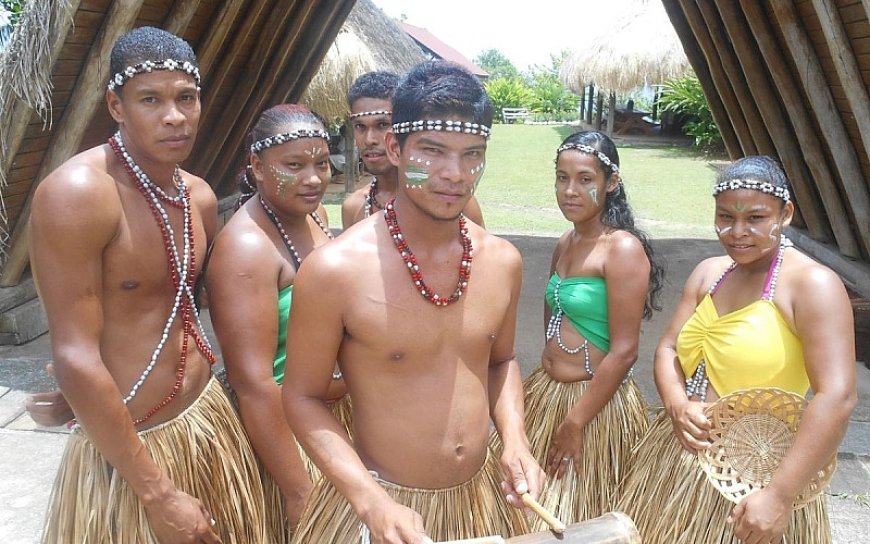
The Kalinago are the Indigenous people of Dominica and one of the few surviving pre-Columbian native communities in the Caribbean. Their ancestors settled the island long before European arrival.Historically referred to as “Caribs,” the community prefers the name Kalinago, which reflects their own identity rather than the colonial label.
2. Origin and Early History
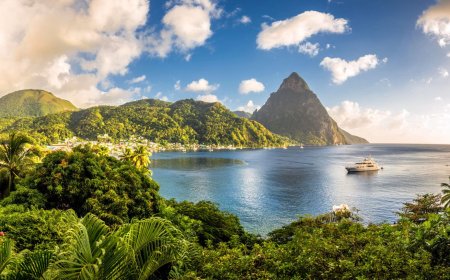
The Kalinago trace their deep roots to migrations from South America, especially the Orinoco River region. They spread through the Lesser Antilles around 1000 AD, establishing dominant Indigenous societies.They named the island Waitukubuli, meaning “tall is her body,” celebrating Dominica’s mountains.Before Europeans, they were known as skilled seafarers, traders, and defenders, navigating the Caribbean in large dugout canoes.
3. Colonial Contact and Territory Formation
The Kalinago fiercely resisted French and British colonization in the 17th and 18th centuries. European attempts to control their lands pushed the community into less accessible regions. In 1903, the British established what was called the Carib Reserve to allocate land to the Indigenous community. Today this area is known as the Kalinago Territory.
4. The Kalinago Territory Today
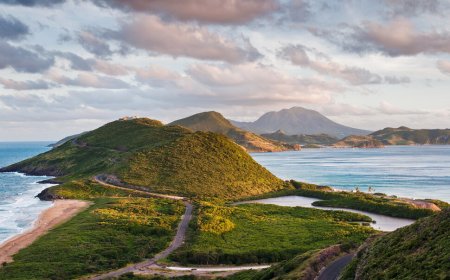
- The territory spans about 3,700 acres (15 km²) on Dominica’s northeast coast.
- It includes eight hamlets, such as Salybia, Bataka, Cray Fish River, and Sineku.
- Legal residents hold communal ownership of all land within the territory.
- An elected Kalinago Chief and council govern local affairs alongside national political representation.
5. Population and Society
The Kalinago community today is roughly 3,000 people, making it the largest Indigenous settlement in the Caribbean. Youth comprise a large share of the population, but unemployment rates remain higher than the national average, and incomes are generally lower than in the rest of Dominica.
6. Language and Cultural Transmission
The original Kalinago language (Island Carib) is functionally extinct in Dominica, with very few speakers remaining. English Creole is used today, while cultural knowledge is passed through storytelling, dance, and craft traditions.
7. Traditional and Contemporary Livelihoods
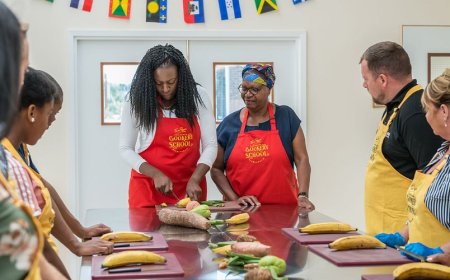
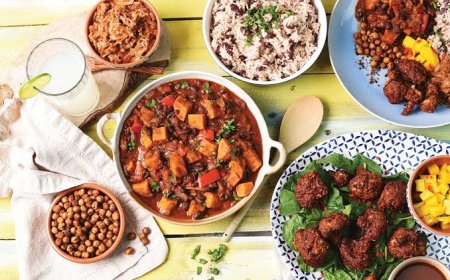
Agriculture is a backbone of life here: cassava, plantains, bananas, and root crops are commonly grown for food and income. Craftsmanship especially basket weaving, pottery, wood carving, and canoe building is a vital cultural practice and source of income. Coastal and river resources supplement food and traditions, though large-scale fishing is limited by geography and equipment.
8. Culture and Heritage Preservation
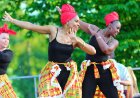
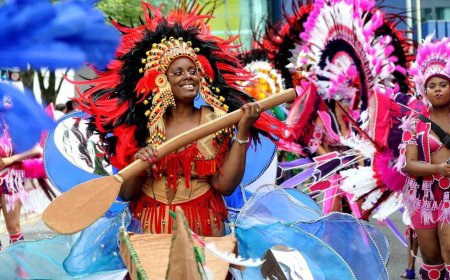
The Kalinago Barana Autê (Heritage Village) serves as a cultural centre for teaching and demonstrating traditional skills, ceremonies, and performances. Annual events like Kalinago Week celebrate music, storytelling, crafts, and food, bringing community members and visitors together.
9. Challenges and Resilience
The community has faced poverty, limited infrastructure, and disaster vulnerability (e.g., severe impacts from hurricanes like Maria). Land rights and cultural recognition continue to be areas of negotiation with national and international institutions. Despite these pressures, the Kalinago people actively work to preserve traditions and strengthen their identity through education, art, and regional alliances.
10. Regional and Global Engagement
The Kalinago participate in regional Indigenous networks and global forums on environmental stewardship and cultural rights. They share environmental practices like rotational cropping and respect for natural cycles, aligning with broader conservation goals.
What's Your Reaction?
 Like
0
Like
0
 Dislike
0
Dislike
0
 Love
0
Love
0
 Funny
0
Funny
0
 Angry
0
Angry
0
 Sad
0
Sad
0
 Wow
0
Wow
0