















Bob Marley’s Legacy: A Guide to Music Tourism in Kingston, Jamaica.
Bob Marley’s legacy is a major driver of music tourism in Kingston, Jamaica. Key sites such as the Bob Marley Museum at 56 Hope Road, Trench Town Culture Yard, and Tuff Gong Studios allow visitors to understand where Marley lived, recorded, and developed his music. These locations explain how reggae grew from local Kingston communities into a global music movement.

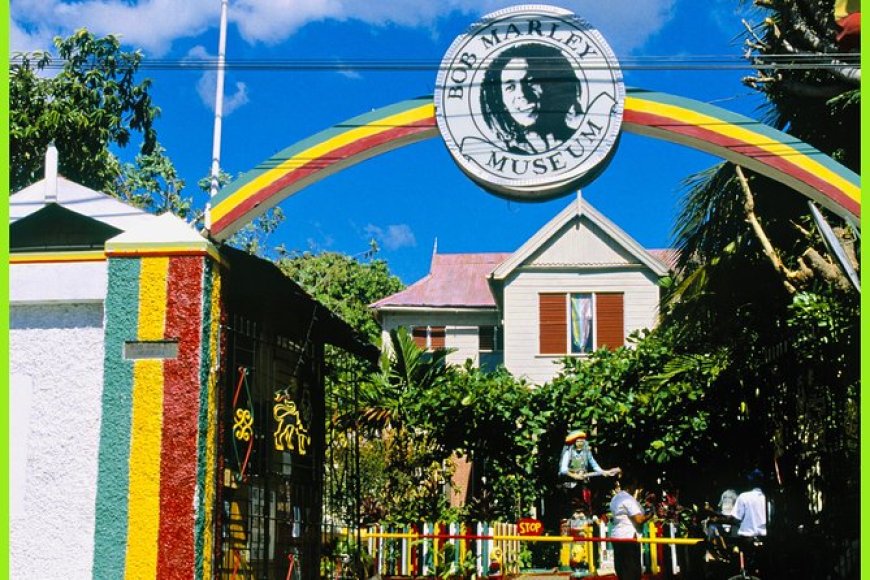
Bob Marley (1945–1981) remains one of the most influential musicians in the world. His music brought reggae from Jamaica to a global audience, and Kingston, his adopted hometown, is now a major destination for fans and cultural travellers. Marley’s life, community roots, recording achievements, and ongoing influence make Kingston a focal point for music heritage tourism.

1. The Bob Marley Museum Core of Music Tourism
Bob Marley Museum is the central attraction for anyone exploring Marley’s life in Kingston. It occupies Marley’s former residence at 56 Hope Road, where he lived from 1975 until his death in 1981, and which also housed his Tuff Gong label and recording operations.
What to see:
- Marley’s personal belongings, instruments, and memorabilia
- Historic rooms of the house, including his bedroom and office
- Exhibits on his music, career, and philosophy
- An 80-seat theatre and museum gift shop with books, music, and memorabilia
- Tours take visitors through Marley’s personal and professional life and are available most days.
2. Trench Town Reggae’s Birthplace
Trench Town Culture Yard Museum offers insight into Marley’s early years. Trench Town is the Kingston neighbourhood where Marley grew up after moving there as a child, and where he started playing guitar, writing songs, and forming connections that shaped reggae.
Highlights:
- Marley’s former home and community sites
- Local guides who share stories about his early life
- Original instruments and memorabilia associated with early reggae
- Trench Town provides important context for understanding Marley’s music and the socio-economic environment that influenced it.
3. Tuff Gong International Recording Legacy
Tuff Gong was founded by Marley and the Wailers in 1970 and became one of the Caribbean’s most notable studios. Today, visitors can often arrange tours that explain how Marley and other artists recorded seminal tracks here.
What you’ll experience:
- Studios where reggae classics were recorded
- Information on analog and digital production
- Insights into the Marley family’s continuing role in the music industry
- Recordings by local and international artists take place here, showing the studio’s ongoing importance.
4. Music Heritage Sites Beyond Museums
Kingston and nearby areas offer several additional music-related sites:
- Bob Marley Beach (Bull Bay): A coastal spot Marley visited, now recognized for its cultural connection and relaxed reggae atmosphere.
- Emancipation Park: A public space featuring the Redemption Song sculpture inspired by Marley’s work.
- Independence Park / National Stadium: Site of Marley’s 1970s performances and reggae history markers, including a Marley statue.
- National Heroes Park: Venue of historic Marley concerts and reggae events in national history.
- These places give visitors a broader sense of how Marley’s influence extends beyond a single museum visit.
5. Tours and Local Guides
Several local tour operators specialize in Kingston’s music heritage, helping visitors connect the dots between sites and stories:
- Kingston Reggae Tours offers reggae-focused guided itineraries.
- Jamaica Cultural Tours and Kingston Experience Tours Ltd provide broader cultural and historical tours.
- Kingston Jamaica Tours by Jaital and Tourish: Sightseeing Tours & Excursions, Kingston Jamaica can arrange personalized tour plans.
- Innercitytours and Kingston Creative Art Walk Tours combine music, street art, and local culture insights.
- Guided tours offer safety, deeper storytelling, and convenient transport between sites.
6. Cultural Events and Festivals
Kingston hosts music-related events that draw both locals and tourists:
- The Jamaica International Reggae Film Festival screens films about reggae and its cultural impact.
- Reggae Month (February) includes performances, exhibitions, and celebrations of reggae’s history, often featuring Marley tributes.
- These events highlight reggae’s place in Jamaican culture and attract visitors interested in Marley’s music legacy.
7. Practical Travel Tips
- When to visit: Music tourism is year-round, but events like Reggae Month in February can enhance the experience.
- Transportation: Many tours include pickup from hotels or cruise ports and coordinate multiple sites in a day.
- Safety and guidance: Kingston has vibrant culture and deep history, but visitors benefit from guided tours and local insight to navigate the city’s larger urban areas comfortably.
8. Why Kingston Matters for Music Tourism
Kingston is the birthplace of reggae and the city where Bob Marley’s career took shape. Visiting these sites allows tourists to:
- See where Marley lived, worked, and recorded
- Understand reggae’s cultural roots and global reach
- Explore music in the context of Jamaican history, politics, and social change
- The music tourism offerings combine biographical history, live music culture, and local narrative into an integrated travel experience cantered on Marley’s lasting influence.
What's Your Reaction?
 Like
0
Like
0
 Dislike
0
Dislike
0
 Love
0
Love
0
 Funny
0
Funny
0
 Angry
0
Angry
0
 Sad
0
Sad
0
 Wow
0
Wow
0