









Junkanoo Explained: The History Behind the Bahamas’ Most Famous Festival.
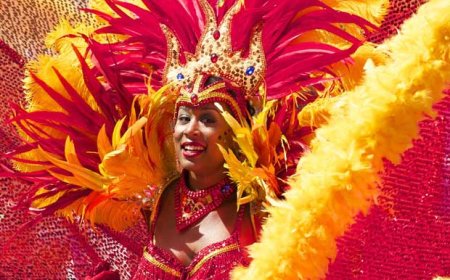
Junkanoo is the most important cultural festival in The Bahamas, rooted in African traditions brought by enslaved people during the colonial era. It began as a form of cultural expression during Christmas holidays and later developed into an organized street parade. Celebrated mainly on Boxing Day and New Year’s Day, Junkanoo features handmade costumes, live rhythmic music, and group competitions.

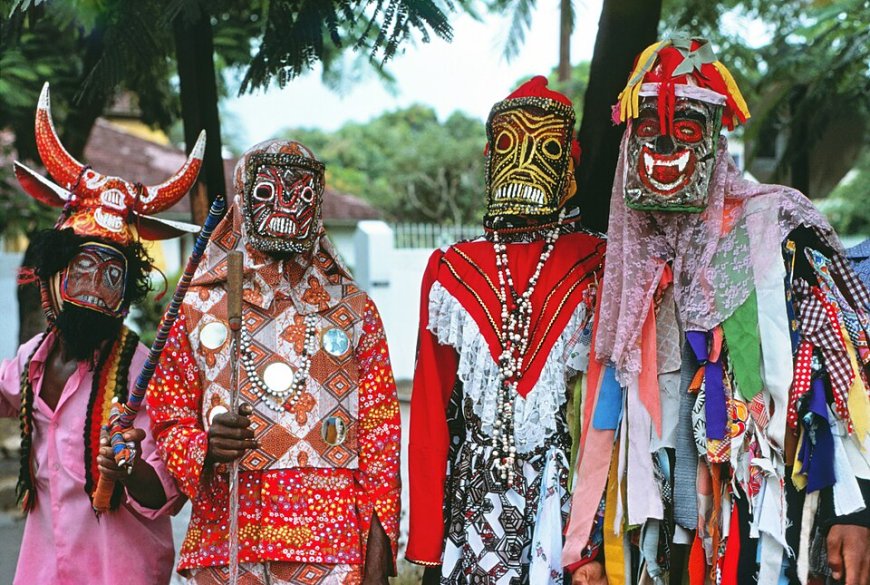
Junkanoo is the most recognized cultural festival in The Bahamas. It is a street parade built around music, dance, costumes, and community participation. While today it attracts tourists and international attention, Junkanoo has deep historical roots tied to resistance, freedom, and identity.

1. What Is Junkanoo?
Junkanoo is a traditional Bahamian street festival.
It features:
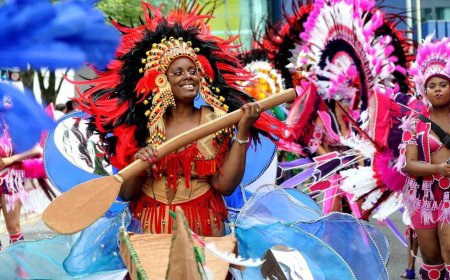
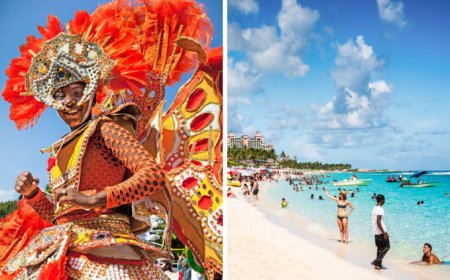
- Handcrafted costumes made from crepe paper, cardboard, wire, and paint.
- Live music using drums, cowbells, whistles, horns, and brass.
- Organized dance groups competing in different categories.
- The festival is primarily held in Nassau, but also takes place on other Bahamian islands.
2. When Is Junkanoo Celebrated?
Junkanoo takes place during key dates each year:
- Boxing Day (December 26)
- New Year’s Day (January 1)
- Summer Junkanoo (usually July, created mainly for tourism)
- The main parades begin early in the morning, often starting around 2:00 AM and running until sunrise.
3. Origins of Junkanoo
Junkanoo began during the era of slavery in the Caribbean.Enslaved Africans in The Bahamas were given a few days off during Christmas
During this time, they:
- Danced
- Played African-style music
- Wore masks and costumes
- This was one of the few periods when enslaved people could express culture freely
- Name Origin (Most Accepted Theories)
The name “Junkanoo” may come from:
John Canoe, a West African leader known for resistance.African words meaning “masked” or “festival”.There is no single confirmed origin, but African influence is clear.
4. African Cultural Influence
Junkanoo reflects strong African traditions:
- Drumming patterns similar to West African rhythms.
- Call-and-response music.
- Masked dancers, a common element in African ceremonies.
- Community-based participation rather than elite performance.
- These elements survived colonial control and became central to Bahamian identity.
5. Evolution During Colonial Rule
During British colonial rule:
- Junkanoo was often viewed as disorderly by authorities.
- Attempts were made to control or limit gatherings.
- Despite restrictions, the tradition continued informally.
By the early 20th century, Junkanoo became more structured:
- Groups organized under leaders.
- Routes were planned.
- Costumes became more detailed.
6. Modern Junkanoo Structure
- Today, Junkanoo is both a cultural event and organized competition.
- Main Categories
- Best Music
- Best Costume
- Best Dance
- Overall Best Group
- Major Junkanoo Groups
Some long-standing groups include:
- Saxons Superstars
- Valley Boys
- One Family
- Roots
- Groups work year-round, often starting preparation months in advance.
7. Costumes: How They Are Made
Costumes are handmade, not purchased
Materials include:
- Crepe paper
- Cardboard
- Glue and wire
- Thousands of hours go into building a single group’s presentation
- Themes often reflect:
- History
- Politics
- Social issues
- Folklore
- This craftsmanship is one of Junkanoo’s defining features.
8. Music and Instruments
- Junkanoo music is loud, rhythmic, and continuous.
- Common Instruments
- Goatskin drums
- Cowbells
- Whistles
- Brass instruments
- The rhythm is steady and repetitive, designed to support long hours of marching and dancing.
9. Junkanoo and National Identity
After Bahamian independence in 1973:
- Junkanoo became a symbol of national pride
- Government support increased
- The festival was promoted internationally
Today, Junkanoo represents:
- Cultural survival
- Community unity
- Post-colonial identity
10. Economic and Tourism Impact
Junkanoo plays a role in the Bahamian economy:
Attracts international visitors during peak winter season
Creates temporary jobs for:
- Costume makers
- Musicians
- Vendors
- Encourages cultural tourism beyond beaches and resorts
- However, debates continue over:
- Funding distribution
- Commercialization vs tradition
11. Junkanoo Today: Challenges and Preservation
Modern Junkanoo faces several challenges:
- Rising costs of materials
- Younger generations moving away from traditional participation
- Balancing authenticity with tourist expectations
Efforts to preserve Junkanoo include:
- School programs
- Museums and cultural centers
- Junior Junkanoo competitions
12. Why Junkanoo Still Matters
Junkanoo is not just a parade.It is:
A record of African heritage.A reminder of resistance and survival.A living tradition shaped by each generation.Despite changes over time, Junkanoo remains the strongest expression of Bahamian cultural identity.
Conclusion
Understanding Junkanoo means understanding the history of The Bahamas itself from slavery and colonial rule to independence and modern nationhood. It continues to evolve, but its roots remain firmly grounded in community, culture, and collective memory.
What's Your Reaction?
 Like
0
Like
0
 Dislike
0
Dislike
0
 Love
0
Love
0
 Funny
0
Funny
0
 Angry
0
Angry
0
 Sad
0
Sad
0
 Wow
0
Wow
0