































Visa Requirements: A Quick Check for US, UK, and Canadian Citizens.
Visa requirements for US, UK, and Canadian citizens are evolving in 2025–2026, with many countries introducing digital travel authorizations. US citizens can enter around 180 countries visa‑free or with visa-on-arrival, but now require an Electronic Travel Authorization (ETA) for the UK and will need ETIAS for Schengen countries once it launches in late 2026. Some countries, like Brazil, have reinstated visa requirements. UK citizens retain broad visa-free access, but Brexit ended EU freedom of movement. UK travelers will also need ETIAS for Schengen travel in the future. Canadian citizens generally enjoy the most visa-free access but must also obtain UK ETAs and ETIAS for Europe once implemented.

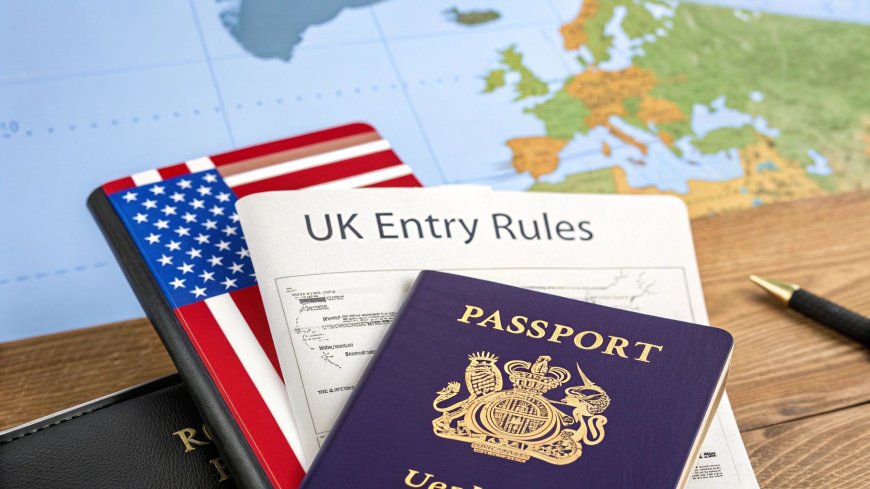
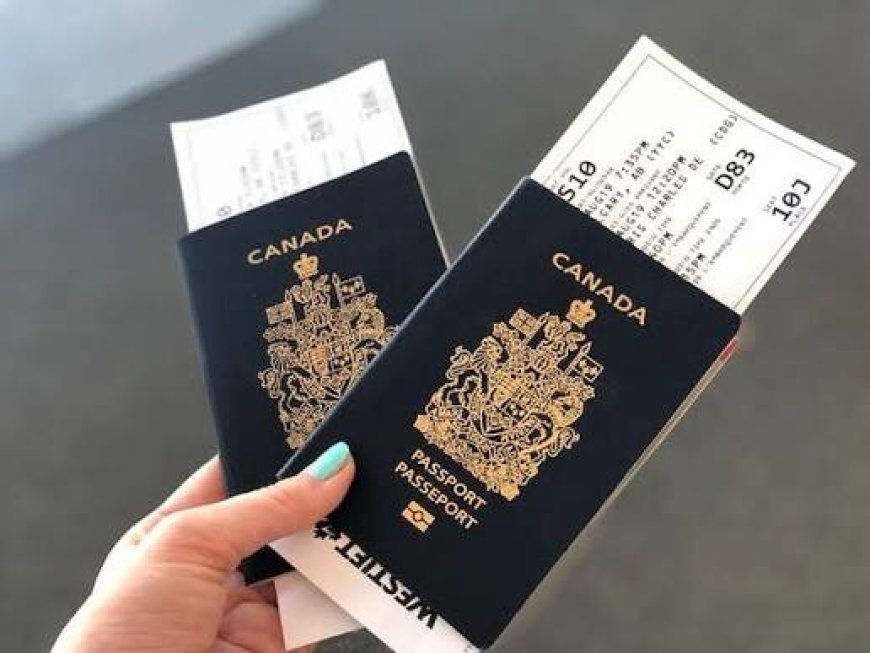
Planning a Caribbean vacation can look simple until you reach the visa and entry-requirements section of your travel checklist. A traveler may have a valid passport, a confirmed hotel and a return flight, yet still need to check whether the destination requires a visa, how long the passport must remain valid, whether an online immigration form must be completed, and whether proof of onward travel or sufficient funds may be requested at the border. The rules are not identical across the Caribbean, and they can differ even among islands that are geographically close to each other.

For citizens of the United States, United Kingdom and Canada, the good news is that many popular Caribbean destinations allow ordinary tourists to enter without obtaining a traditional tourist visa in advance. However, "visa-free" does not mean "no requirements." Immigration officers can still ask for a valid passport, return or onward ticket, accommodation details and evidence that the traveler can support the stay. Some destinations also require online arrival forms or have special health documentation rules for travelers arriving from certain countries.
The U.S. Department of State advises American travelers to check the specific destination's entry, exit and visa requirements because some countries require a visa or an electronic travel authorization even when a traveler is otherwise eligible for visa-free entry. The Canadian government similarly emphasizes that entry requirements are determined by the destination country and can change, while the UK government provides destination-specific requirements for British citizens.
For Caribbean travel, therefore, the safest approach is to treat visa checking as part of trip planning rather than something to do at the airport. The following guide explains what U.S., UK and Canadian citizens should look at before travelling and uses several popular Caribbean destinations to show how the rules work in practice.
Visa-Free Does Not Mean Requirement-Free
The first distinction travelers should understand is the difference between a visa and the general requirements for admission.
A visa is permission issued by a country that allows a foreign national to seek entry for a particular purpose and period. A visa-free traveler does not normally need to obtain that document before travelling for a qualifying short tourist visit. But the traveler still has to satisfy the immigration rules when arriving.
A destination may require a passport with a certain amount of validity remaining. It may require an onward or return ticket. It may ask for the address of a hotel or private accommodation. Immigration officials may want evidence of sufficient funds. Some countries require an arrival or customs form, while others have introduced electronic systems that travelers must complete before boarding or arrival.
Canada's official travel guidance specifically explains that visa requirements, electronic travel authorizations and biometric requirements vary by country. It also notes that travelers staying for longer periods, generally more than 90 days, are likely to need a visa or another form of authorization depending on the destination.
This is why travelers should not search only for the phrase "Do Americans need a visa?" A better search is "entry requirements for U.S. citizens," followed by the exact destination and travel purpose. The same approach should be used by British and Canadian citizens.
U.S. Citizens Travelling to the Caribbean
For U.S. passport holders, many Caribbean vacation destinations provide relatively straightforward tourist entry. The exact permitted stay and passport rules depend on the country.
For example, the U.S. State Department's current information for Barbados says U.S. citizens do not need a tourist visa for visits of six months or less. The passport must be valid at the time of entry, and travelers must have a blank page available for entry. U.S. travelers must also be able to show plans to leave Barbados.
Jamaica is another major destination where U.S. citizens do not need a tourist visa for stays of 90 days or less. The current U.S. guidance says the passport must be valid at entry and exit, and travelers must complete Jamaica's official Electronic Immigration and Customs Declaration Card before travelling.
The Bahamas also allows U.S. citizens to enter without a tourist visa for stays of one month or less, according to the current U.S. State Department guidance. Travelers need a passport valid for the entire stay and must have two blank pages available for entry. A return or onward ticket is also required.
Trinidad and Tobago provides another example. U.S. citizens do not need a tourist visa for stays of 90 days or less. The passport must have six months of validity beyond the arrival date or the duration of the stay, and at least one blank page should be available for the entry stamp.
These examples demonstrate why travelers should not assume that one Caribbean visa rule applies throughout the region. A U.S. citizen may have a six-month visa-free allowance in one destination and a 30- or 90-day allowance in another.
UK Citizens: British Passport Rules Matter
British citizens travelling on a full British citizen passport also benefit from visa-free access to many Caribbean destinations for short tourism trips. However, the exact conditions vary.
For Barbados, the current UK government guidance says British citizens do not need a visa for a visit. The length of stay is determined on arrival, and travelers must be able to show an onward or return ticket. Barbados also requires all travelers to complete an immigration and customs form online before arrival. The passport must be valid for the planned length of the stay.
Jamaica also allows British citizens to visit without a tourist visa, generally for up to 90 days. The UK government says the passport must be valid for the duration of the stay and that travelers need two blank pages for entry and exit stamps.
The Bahamas has somewhat different rules. British citizens can usually stay for up to 30 days without a visa, with extensions available up to a maximum of eight months under the country's immigration system. The UK government states that a British passport should have an expiry date at least six months after the planned departure from The Bahamas.
Antigua and Barbuda also illustrates the importance of checking passport validity separately from visa status. Current UK guidance says a British citizen's passport should have an expiry date at least six months after arrival.
The phrase "British citizen" is important here. The rules described by the UK government destination pages are specifically based on a full British citizen passport. British nationals holding other forms of British nationality or travel documents should not automatically assume that identical rules apply.
Canadian Citizens and Caribbean Entry
Canadian citizens also have visa-free access to many Caribbean destinations for ordinary tourism, but the conditions vary by island.
For Barbados, Canada's current travel guidance says a Canadian tourist does not need a visa for up to 180 days. The passport must be valid for the duration of the stay. Immigration officials may ask for a return or onward ticket, proof of accommodation and evidence of sufficient funds. An arrival form is also required.
The Bahamas allows Canadian tourists to enter without a tourist visa for stays of up to eight months, according to current Canadian government guidance. However, Canadian passports must be valid for at least six months beyond the expected date of departure. Travelers must also complete and sign an immigration card on arrival, and officials may request proof of onward travel and sufficient funds.
Antigua and Barbuda is another destination where Canadian tourists do not currently need a tourist visa. The Canadian passport should be valid for at least six months beyond the planned departure date. Travelers may also be asked to show a return or onward ticket and evidence of sufficient funds.
Jamaica provides another straightforward example. Canadian citizens do not need a tourist visa for stays of up to 90 days, according to Canada's current travel advice. Immigration officers generally grant visitors 90 days, while travelers planning a longer stay must seek an extension. Officials may ask for an onward or return ticket and proof of sufficient funds.
The differences are important. A Canadian visitor could have permission for up to six months in one destination and approximately three months in another without obtaining a tourist visa. This is why travelers visiting several islands on one trip should check each destination separately.
Passport Validity Is One of the Most Common Issues
Passport validity is one of the easiest requirements to overlook. Travelers often check whether their passport is still valid on the day of travel but do not check the destination's minimum validity rule. Some countries require validity only for the duration of the stay, while others require several additional months.
Barbados, for example, currently uses different passport-validity wording depending on the nationality and government guidance consulted. The UK guidance says the passport must be valid for the planned length of stay, while Canadian guidance states that a regular Canadian passport must be valid for the duration of the stay.
The Bahamas illustrates a stricter rule in current guidance. Canada advises Canadian travelers that their passport must remain valid for at least six months beyond the expected departure date, while UK guidance similarly requires a British passport to have an expiry date at least six months after the planned departure.
Because airlines may also apply document checks before boarding, travelers should not wait until arrival to discover that their passport does not meet the destination's rules.
A passport that is technically valid is not necessarily sufficient if the destination requires additional validity. Checking this several months before departure gives travelers enough time to renew the document if necessary.
Return and Onward Tickets
A return or onward ticket is another common Caribbean entry requirement. Travelers sometimes assume that having a hotel reservation is enough to demonstrate that they are genuine tourists. It may not be.
Barbados, for example, requires visitors to be able to show future plans to leave, according to U.S. guidance, while UK guidance specifically states that visitors must show an onward or return ticket. Canada's Barbados guidance says immigration officials may ask for a return or onward ticket.
The Bahamas and Trinidad and Tobago also have requirements or border checks relating to onward travel. Canadian guidance for The Bahamas says customs officials may ask for a return or onward ticket, while Canada's Trinidad and Tobago guidance says travelers must show a return or onward ticket and proof of sufficient funds.
This becomes particularly important for travelers booking one-way flights because they plan to move between islands or stay for several months. A flexible itinerary can be legitimate, but travelers should be prepared to explain their plans and satisfy the destination's immigration rules.
Proof of Accommodation and Sufficient Funds
Caribbean immigration authorities can also ask where a traveler will stay and whether the traveler has enough money to support the visit.
This does not necessarily mean that every visitor will be asked to produce bank statements. However, travelers should be prepared.
A hotel confirmation, villa reservation, cruise documentation or other legitimate accommodation details can be useful. If staying with friends or relatives, travelers should know the address and understand whether any additional documentation is recommended.
Barbados' Canadian travel guidance specifically says immigration officials may ask for proof of accommodation and sufficient funds. Antigua and Barbuda also notes that travelers may be asked for proof of sufficient funds and an onward or return ticket.
The practical lesson is to keep important travel documents accessible. Do not place every confirmation only inside an email account that may be difficult to access after landing.
Online Immigration and Customs Forms
The growth of online immigration systems has changed the pre-travel checklist for Caribbean visitors. Some destinations require travelers to complete an online form before arrival, while others still use paper arrival cards or provide digital and paper alternatives.
Jamaica is a good example. U.S. travelers are currently instructed to complete the official Electronic Immigration and Customs Declaration Card before travelling, and the U.S. State Department warns that border officials may not allow entry without the required pre-approval.
Barbados also requires travelers to complete an immigration and customs form online before arrival according to current UK government guidance.
These forms should be completed only through official government or officially identified travel channels. Travelers should be cautious about websites that charge unnecessary fees for basic immigration forms or attempt to imitate government websites.
A good habit is to complete required forms shortly before departure, save the confirmation if one is issued, and keep a copy accessible on the phone as well as offline.
Yellow Fever and Other Health-Related Entry Requirements
Visa rules are only one part of border requirements. Some Caribbean destinations require proof of yellow fever vaccination when a traveler is arriving from a country where yellow fever transmission occurs. This requirement can apply even when the traveler themselves does not need a visa.
For example, current Canadian guidance says travelers entering Barbados must provide proof of yellow fever vaccination if arriving from a country where yellow fever occurs. The Bahamas has a similar requirement for travelers arriving from or transiting through countries where yellow fever occurs.
This is particularly important for travelers who combine a Caribbean vacation with a trip through South or Central America or Africa. The relevant health-entry rules can depend on previous travel, not simply the country where the traveler holds citizenship.
Travelers should therefore check health requirements based on the complete itinerary. A person flying directly from New York to Barbados may have a different documentation situation from someone who has recently spent time in a yellow-fever-risk country.
Cruise Passengers Need to Check the Same Rules
Cruise travel can create confusion because passengers sometimes assume that they do not need the same documentation as travelers staying overnight.
The requirements depend on the itinerary, nationality, port of entry and cruise company's policies. A cruise passenger may also visit several countries during one trip, meaning that multiple entry requirements can apply.
A passport is generally the safest document to carry when travelling internationally by cruise, particularly when the itinerary includes several foreign countries. The U.S. State Department advises travelers to review destination-specific entry requirements and notes that passport requirements can differ by country.
Cruise companies may also impose documentation rules that are stricter than the minimum requirement of an individual destination. Travelers should therefore check both the cruise operator's instructions and the official government entry requirements.
Family Travel and Children
Families should pay particular attention to documentation because children can have additional requirements.
The U.S. State Department advises parents travelling internationally with children to carry evidence of the legal relationship to the child. When a child travels without one or both parents, additional documentation, including a consent letter, may be required depending on the circumstances and destination.
Barbados guidance similarly advises parents or guardians to prepare documentation for children travelling alone or with someone other than a parent.
A child's passport also needs to meet the destination's requirements. Parents should not assume that because an adult's passport is valid, a child's documentation automatically meets the same conditions.
Families should also check whether the child has a different nationality from the accompanying parent. Dual citizenship can introduce additional documentation requirements.
Dual Citizens Should Be Extra Careful
Dual citizenship can make Caribbean travel more complicated because the traveler may be subject to different entry and exit rules depending on which passport they use.
The key is consistency. Travelers should determine which passport they will use to enter and leave each country and check the requirements for that nationality.
Canada specifically warns that dual citizens may face different documentation requirements and should verify what documents they need for the destination.
The situation can become more complicated when someone is a citizen of a Caribbean country as well as the United States, Canada or the United Kingdom. Local authorities may treat the person as a citizen of the Caribbean country rather than as a foreign visitor.
In such cases, checking with the destination's embassy or consulate before travel can prevent problems at immigration.
Tourism Is Different From Working
One of the most important distinctions in Caribbean immigration rules is the difference between visiting and working.
A traveler may be allowed to enter visa-free as a tourist but still be prohibited from taking local employment.
Barbados' current Canadian guidance, for example, states that tourists do not need a visa for up to 180 days, but a work visa is required for employment.
This distinction matters for freelancers, remote workers, consultants, entrepreneurs and digital nomads. Working for a foreign company while physically present in another country can raise immigration and tax questions that are separate from ordinary tourism.
A person planning to stay for several months while working remotely should not assume that tourist admission automatically authorizes remote work. The traveler should research the destination's digital nomad, remote work, business or temporary residence rules if applicable.
Longer Stays Require a Different Check
A visa-free tourist allowance is designed for short-term travel. Travelers who want to remain for several months should check whether an extension is possible and whether another immigration status is required.
Jamaica, for example, generally allows Canadian tourists to remain for 90 days without a tourist visa, but travelers seeking additional time must apply for an extension.
Barbados allows Canadian tourists to stay for up to six months without a tourist visa under current Canadian guidance, although immigration officers determine the actual permitted stay.
The Bahamas permits longer stays for Canadian visitors than many Caribbean destinations, with current Canadian guidance listing up to eight months without a tourist visa. The UK guidance, however, describes the initial visa-free period for British citizens as usually up to 30 days, with extensions possible up to eight months.
These differences show why nationality-specific research is essential even when travelers are visiting the same island.
What About Business Travel?
Business travel is not always treated exactly like tourism. Attending a conference, meeting clients, negotiating a contract or participating in a business event may fall under different rules from taking employment or providing local services.
Trinidad and Tobago, for example, currently states in Canada's travel guidance that Canadian citizens do not need a business visa for stays of up to 30 days, while tourist stays can be up to 90 days without a tourist visa.
Travelers should therefore identify the real purpose of their trip before selecting a visa category. Calling a business trip a vacation does not change the immigration rules.
If the traveler will be paid by a local company, provide services to local customers or undertake professional work inside the country, additional authorization may be required.
A Quick Comparison for the Three Nationalities
For a short Caribbean vacation, U.S., UK and Canadian citizens will often find that popular destinations provide visa-free entry, but the permitted duration and supporting requirements can differ.
Barbados is a useful example. U.S. citizens can visit without a tourist visa for up to six months; British citizens do not need a visa and are told their permitted stay on arrival, while Canadian citizens do not need a tourist visa for up to 180 days. Passport validity, onward travel and arrival-form requirements still apply.
Jamaica provides another comparison. U.S. citizens can visit without a tourist visa for up to 90 days, British citizens generally receive up to 90 days without a visa, and Canadian tourists do not need a tourist visa for up to 90 days. Jamaica also requires travelers to complete its immigration and customs process.
The Bahamas shows an even clearer difference. U.S. citizens currently have a one-month visa-free tourist allowance according to U.S. government guidance, while Canadian citizens can visit without a tourist visa for up to eight months under Canada's current guidance. British citizens usually receive up to 30 days without a visa, with extensions possible under Bahamian immigration rules. These examples make one point clear: citizenship and destination must always be considered together.
What Travelers Should Check Before Booking
The simplest way to avoid visa problems is to make a short checklist before purchasing a non-refundable flight.
First, check the exact passport you will use. Do not rely on a general statement such as "Americans don't need visas for the Caribbean."
Second, check the maximum tourist stay. A visa-free entry period could be 30 days, 90 days, six months or another period depending on the country.
Third, check passport validity. Do not assume that six months of validity is universally required or universally unnecessary.
Fourth, check whether the destination requires an online immigration, customs or travel authorization form.
Fifth, check whether you need an onward or return ticket and whether immigration officials may request proof of accommodation or funds.
Sixth, review health-related entry requirements, particularly if your itinerary includes countries where yellow fever occurs.
Finally, if the purpose of the trip involves work, study, business activity, volunteering or a long-term stay, check the appropriate immigration category instead of relying on ordinary tourist rules.
Where to Verify the Rules
Government sources should be the first place to check visa requirements. For U.S. citizens, the U.S. Department of State's destination pages provide entry, exit and visa information, while USA.gov explains how Americans can find the visa requirements for individual countries.
British citizens should use the UK government's foreign travel advice for the exact destination. The UK pages identify that the information is specifically based on travel using a full British citizen passport, which is important for people holding other British nationality categories.
Canadian citizens should use Travel.gc.ca's destination-specific travel advice and then, when necessary, confirm details with the destination's embassy or consulate. Canada's government explicitly states that foreign governments determine who can enter their countries and that requirements can change.
Travelers should also check the destination's immigration department or official tourism authority where appropriate. Airline and cruise-company document requirements are useful as a second check, but the country's immigration authority ultimately determines entry.
Common Visa Mistakes to Avoid
One common mistake is checking requirements too early and never checking again. Immigration rules can change, so travelers should verify them again shortly before departure.
Another mistake is confusing passport validity with visa validity. A passport can be valid for several months while still failing a destination's minimum-validity rule.
A third mistake is assuming that visa-free entry guarantees admission. Immigration officers retain authority to determine whether the visitor satisfies the entry conditions.
Another problem occurs when travelers book one-way flights without understanding onward-ticket requirements. This can create difficulties at airline check-in or immigration.
Travelers also sometimes overlook transit countries. If a flight connects through another country, that transit country can have its own visa or transit authorization requirements.
Finally, travelers should avoid assuming that all members of a family have identical documentation. Different nationalities, dual citizenship and different passport types can change the applicable rules.
The Difference between Entry Permission and Length of Stay
A traveler should also understand that being permitted to enter a country does not necessarily mean being permitted to remain for the maximum period they expected.
The immigration officer can determine the authorized stay according to the country's rules. Barbados, for example, states that immigration officers determine how long visitors may stay, even though British and Canadian travelers may enter without a tourist visa under the conditions described above.
Travelers should check the passport stamp, electronic admission record or other document provided at entry. If it shows a departure date or authorized period, that date should be treated seriously.
Overstaying can lead to fines, detention, deportation or difficulty with future travel. Jamaica's Canadian travel guidance, for example, warns that overstaying is a criminal offence and can result in serious consequences.
What's Your Reaction?
 Like
0
Like
0
 Dislike
0
Dislike
0
 Love
0
Love
0
 Funny
0
Funny
0
 Angry
0
Angry
0
 Sad
0
Sad
0
 Wow
0
Wow
0