

























Sun Safety: Why You Need Reef-Safe Sunscreen (And Where It’s Mandatory).
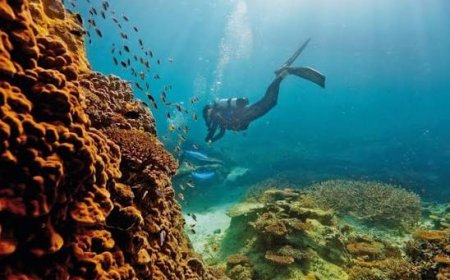
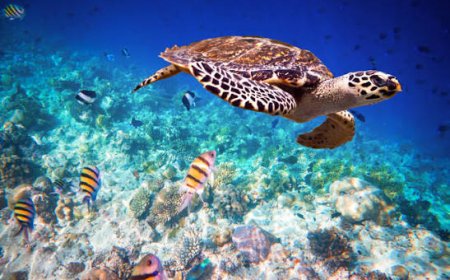
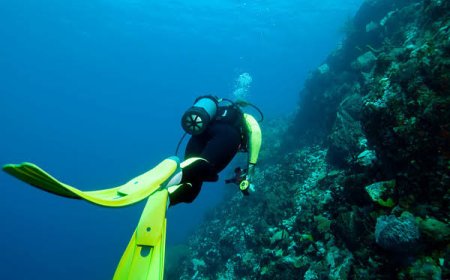
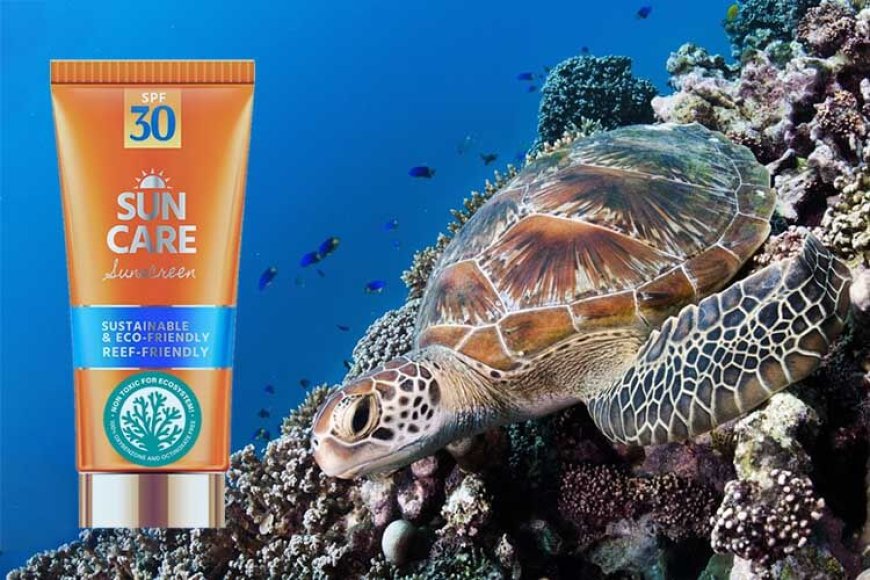
In the Caribbean, reef-safe sunscreen is important because coral reefs are sensitive ecosystems that support marine life, fisheries, and tourism. Many common chemical sunscreen ingredients, such as oxybenzone and octinoxate, wash off swimmers and can contribute to coral bleaching, reduced coral growth, and damage to marine organisms even at very low concentrations.

1. What reef-safe sunscreen means

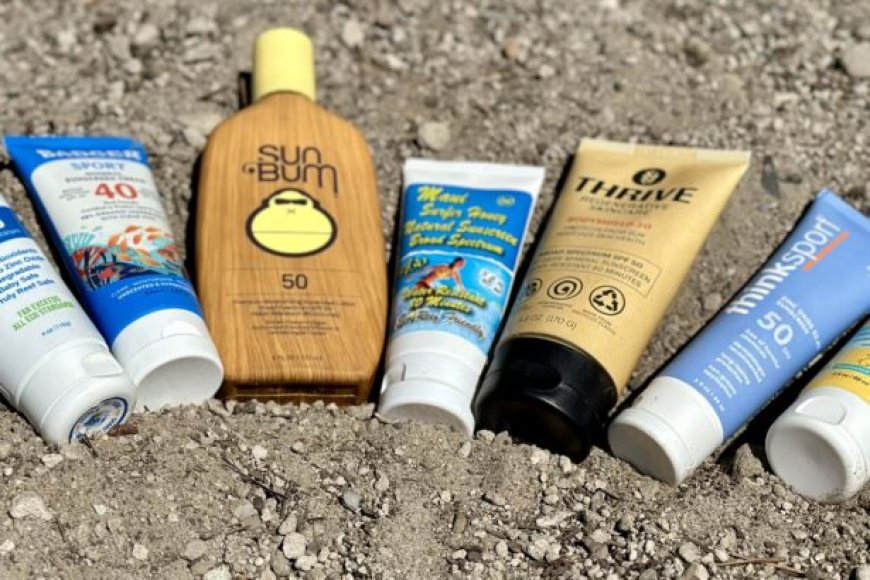
Reef-safe sunscreen refers to products designed to protect human skin from UV radiation while avoiding chemicals that harm coral reefs and marine ecosystems. There is no universal legal definition, so the safest approach is to check ingredient lists rather than rely on labels alone.Common active mineral filters in reef-safe sunscreens are non-nano zinc oxide and titanium dioxide, which sit on the skin’s surface and reflect UV rays rather than absorbing them.
2. Why reef safety matters in the Caribbean
- Caribbean coral reefs are major ecological and economic resources, supporting marine biodiversity, fisheries, and tourism.
- Each year, thousands of tonnes of sunscreen chemicals wash off swimmers and snorkelers and enter coastal waters. Some chemicals accumulate in reef areas, contributing to coral bleaching, DNA damage, and reproductive disruptions in corals and other marine life.
- Even tiny concentrations of certain sunscreen chemicals have measurable effects on coral health and resilience.
3. Harmful sunscreen ingredients to avoid
- Some chemical UV filters are linked to reef harm. The most frequently cited harmful ones are:
- Oxybenzone (benzophenone-3) - associated with coral bleaching and deformities.
- Octinoxate (ethylhexyl methoxycinnamate) - linked to coral reproduction disruption.
- Octocrylene, homosalate, and certain parabens are also of concern.
- Mineral sunscreens use physical blockers with fewer known harmful effects when compared with these chemical filters.
4. Where reef-safe sunscreen is mandatory or strongly required in the Caribbean
Some Caribbean destinations have official restrictions, bans, or strong requirements on the use or sale of reef-safe sunscreens:
a. Aruba
Aruba bans sunscreens containing oxybenzone and similar harmful chemicals. Tourists are expected to use reef-safe options when swimming or snorkeling.
b. Bonaire
Bonaire has implemented bans on reef-harmful sunscreen ingredients such as oxybenzone and octinoxate to protect its coral reefs and marine parks.
c. US Virgin Islands
The US Virgin Islands prohibit sunscreens with oxybenzone, octinoxate, and octocrylene. These rules cover the sale and use of non-reef-safe sunscreens.
d. Marine parks and protected areas
Several marine parks in the Caribbean, including areas in Mexico’s Caribbean coast (Cancún, Riviera Maya, Cozumel), require biodegradable or reef-safe sunscreens for visitors entering protected sites.
e. Resorts and operators
Many dive operators, resorts, and tour companies in the Caribbean now require or encourage reef-safe sunscreen usage as part of their environmental policies, even where there is no formal law.
5. How to pick reef-safe sunscreen
- Read the ingredient list: Avoid products with oxybenzone, octinoxate, and other chemical filters associated with reef harm.
- Choose mineral-based sunscreens with non-nano zinc oxide or titanium dioxide.
- Check particle size: Non-nano mineral sunscreens are less likely to be ingested by marine organisms than nano-sized particles.
- Reef-safe does not always mean biodegradable, so look at full labels and, when possible, seek products that mention both reef safety and biodegradability.
6. Additional sun-safety practices for the Caribbean
Wear protective clothing such as UPF shirts, rash guards, and hats to reduce the amount of sunscreen you need. Apply sunscreen before entering water: Let it bind to your skin so less washes off during swimming or snorkeling. Reapply regularly according to instructions, especially after swimming or towel drying. This protects your skin and helps control how much product enters the water.
7. Summary
Reef-safe sunscreen is more than a label; it’s a choice that reduces the flow of harmful chemicals into sensitive Caribbean reef ecosystems. Some Caribbean destinations such as Aruba, Bonaire, and the US Virgin Islands have mandatory restrictions or laws on reef-harmful sunscreen ingredients. Even where laws don’t exist, many marine parks, tours, and resorts require or strongly recommend reef-safe sunscreen. Educated choices on sunscreen and sun safety help protect coral reefs while keeping your skin safe during your Caribbean visit.
What's Your Reaction?
 Like
0
Like
0
 Dislike
0
Dislike
0
 Love
0
Love
0
 Funny
0
Funny
0
 Angry
0
Angry
0
 Sad
0
Sad
0
 Wow
0
Wow
0