
















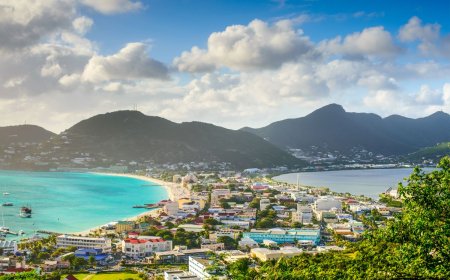




Pitfalls of Buying Abroad: 5 Real Estate Scams to Watch Out For Aruba
Buying real estate in the Caribbean can be appealing, but foreign buyers face several common risks. The most frequent scams include fake property listings, unclear or fraudulent ownership titles, pressure to pay advance fees, misrepresentation of property condition or legal use, and inflated prices with unrealistic rental income promises. These issues often arise due to complex land ownership systems, distance from the property, and unfamiliar local laws.


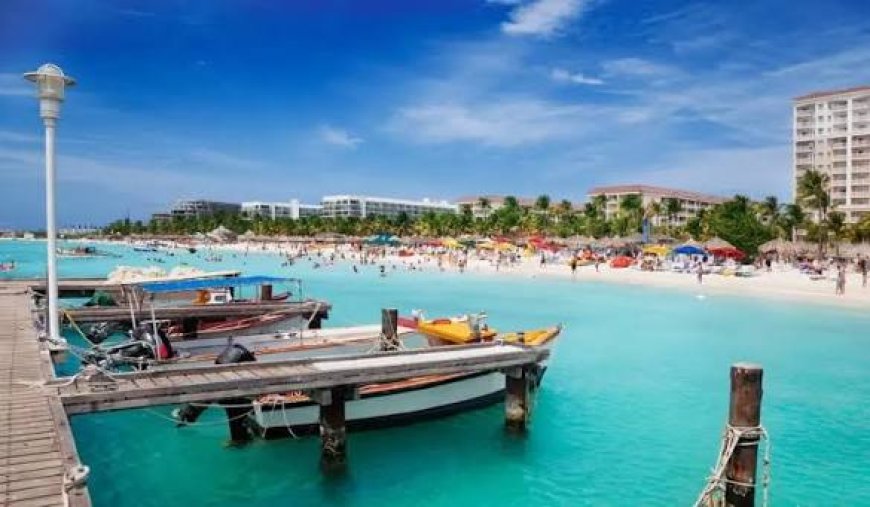
The Caribbean attracts international buyers with its lifestyle appeal, rental demand, and growing interest in second homes. But buying property across borders also comes with risks. Differences in land laws, ownership systems, and local practices can expose foreign buyers to scams that are less common at home. Below is a clear, point-by-point guide to five real estate scams that buyers should watch out for when purchasing property in the Caribbean.

1. Fake Listings and “Too Good to Be True” Deals
- This is one of the most frequent scams targeting overseas buyers.
- Scammers advertise villas, condos, or beachfront land that either does not exist or is not actually for sale.
- Photos are often copied from legitimate listings, hotels, or vacation rentals.
- Buyers are asked to pay a deposit or reservation fee to “lock in” the deal.
- Why it works in the Caribbean
- Many buyers search online and buy remotely.
- Distance makes in-person verification harder.
- High demand for beachfront property creates urgency.
- Red flags
- Prices far below market averages
- Seller avoids video calls or in-person viewings
- Requests for deposits before any legal verification
2. Title and Ownership Fraud
- Land ownership rules in the Caribbean can be complex, especially on older islands.
- Properties may have unclear titles, multiple heirs, or unresolved inheritance claims.
- Some sellers do not legally own the land they are selling.
- Forged or incomplete title documents are presented to foreign buyers.
- Common Caribbean issues
- Family land passed down informally over generations
- Undivided shares where multiple relatives have ownership rights
- Government or crown land sold illegally
- Risk
- Even if the property exists, buyers may lose both the property and the money if ownership is challenged later.
3. Advance Fee and Pressure Payment Scams
- These scams rely on urgency and unfamiliar legal processes.
- Buyers are told the property is in high demand and must act immediately.
- Fees are requested for reservations, legal clearance, taxes, or fast approvals.
- After the first payment, new fees keep appearing before the title transfer.
- Typical warning signs
- “This deal expires today”
- Requests for wire transfers or cash payments
- Payments requested before contracts are notarized or registered
- Key fact
- In most Caribbean jurisdictions, legitimate transactions involve attorneys, notaries, and official land registries before large payments are released.
4. Misrepresentation of Property Use, Permits, or Condition
- Some properties are sold with incorrect or incomplete information.
- Buildings may lack final construction approval or occupancy certificates.
- Zoning laws may restrict short-term rentals, renovations, or future development.
- Structural issues are hidden, especially in older coastal properties.
- Examples seen in the Caribbean
- Condos marketed as vacation rentals where short-term rentals are restricted
- Homes built without full permits
- Utilities connected informally rather than legally
- Impact
- Buyers may face fines, forced renovations, or limits on rental income after purchase.
5. Inflated Prices and Unrealistic Rental Income Claims
- Foreign buyers are often charged more or misled on investment returns.
- Sellers assume international buyers will pay higher prices than locals.
- Developers promise high rental yields without supporting data.
- Marketing focuses on peak-season income while ignoring low-season vacancy.
Common tactics
- “Guaranteed rental returns” without legal backing
- Projections that ignore maintenance, management, insurance, and taxes
- No access to real occupancy or rental history
- Reality
- Caribbean rental income varies by island, season, regulation, and competition. No return is automatic or guaranteed.
- How to Protect Yourself When Buying in the Caribbean
- To reduce risk, buyers should follow these steps:
- Hire an independent local attorney experienced with foreign buyers
- Verify title, zoning, permits, and liens through official records
- Avoid paying large sums outside escrow or attorney trust accounts
- Inspect the property in person or via a licensed inspector
- Research local rental laws, taxes, and ownership rules
Conclusion
Buying property in the Caribbean can be rewarding, but it requires careful planning and verification. Fake listings, ownership fraud, pressure payments, misrepresentation, and inflated pricing are the most common scams affecting foreign buyers. The safest approach is patience, professional legal support, and thorough due diligence. Legitimate deals remain solid under scrutiny scams usually fall apart when proper checks begin.
What's Your Reaction?
 Like
0
Like
0
 Dislike
0
Dislike
0
 Love
0
Love
0
 Funny
0
Funny
0
 Angry
0
Angry
0
 Sad
0
Sad
0
 Wow
0
Wow
0