

































Connectivity: Best SIM Cards and Wi-Fi Options for Travelers.
Reliable connectivity is essential for navigation, communication, work, and safety while traveling. Travelers can choose between local SIM cards, eSIMs, international roaming plans, portable Wi-Fi devices, and public Wi-Fi. Local SIM cards offer the lowest data costs for long stays in one country but require SIM swapping and local registration.

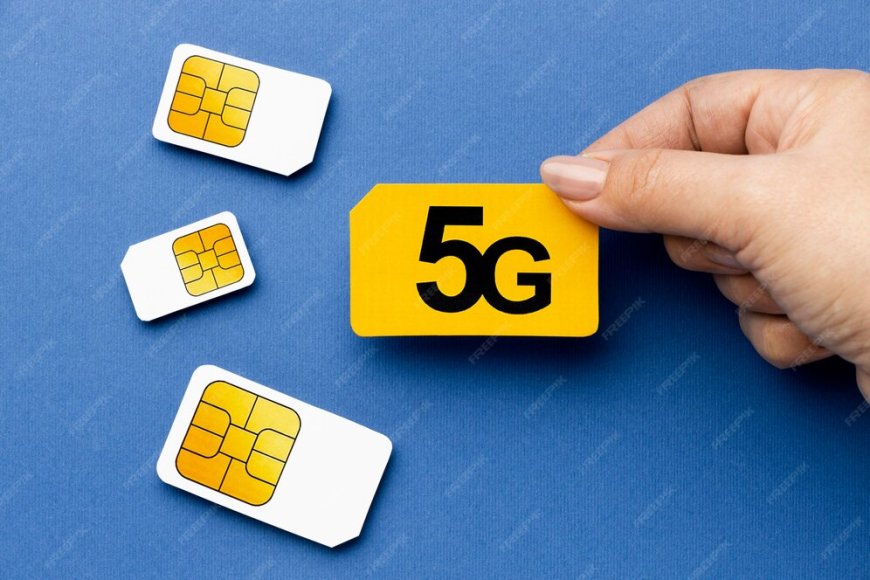
Staying connected while travelling is essential for navigation, communication, work, and safety. Today’s options range from traditional SIM cards to eSIMs and portable Wife devices, letting travellers choose plans tailored to their destination, trip length, and data needs. Here’s a clear, point‑by‑point guide on the best solutions for 2026 travel.

1. Why Connectivity Matters for Travellers
Mobile data keeps you online for maps, messages, and apps wherever you go.
Relying on public Wi-Fi alone can be slow, unreliable, or insecure.
Having your own SIM or portable Wi-Fi avoids high roaming charges and dead zones at airports, attractions, or rural areas.
2. Traditional Local SIM Cards
What they are
Physical SIM cards purchased in the destination country.
Often offer the best local prices and fastest local network speeds.
When to use
- Data‑heavy use (e.g., navigation, streaming).
- Pros and cons
Pros:
- Typically lowest cost per GB.
- Local call/text options included.
Cons:
Requires swapping SIM cards less convenient if you want to keep your home number active.
You may need an ID for registration depending on the country.
3. eSIMs The Digital SIM Revolution
eSIMs are software based SIM profiles you download and activate on compatible devices (smartphones, tablets). They eliminate the need for physical SIM cards and make switching plans quick.
Key eSIM providers and options
- Nomad - Data plans covering 200+ destinations, simple activation via QR code or app.
- Holafly - Unlimited data plans available in 160+ destinations, designed for long trips and hotspot sharing.
- Ezy eSIM Global 120 Areas - Single eSIM for over 120 countries, with 4G/5G speeds and long validity.
- Roamless - Flexible plans with unlimited speed, hotspot support, and value‑add data retention (no expiration on unused data).
- Ubigi- Broad coverage (200+ countries), easy app management and hotspot support ideal for travelers sharing connectivity.
- GigSky - Offers data‑only plans with free trial, including short and long‑stay options.
- easySim.global - Prepaid eSIM plans in 150+ countries with straightforward pricing.
Benefits of eSIMs
- No physical SIM swapping.
- Pre‑arrival setup you can connect as soon as you land.
- Many providers support data hotspotting, so multiple devices stay online.
Considerations
- Device must support eSIM (most modern phones do).
Some eSIM apps can be buggy or require extra steps for setup.
4. International Roaming Plans
Some home carriers offer international roaming bundles, which let you use your existing SIM abroad without switching:
For example, Indian carrier Vi (Vodafone Idea) has introduced unlimited data, voice, and SMS roaming packs for 29 countries with varied durations and prices.
When this works
Short trips where convenience outweighs cost.
Keeping your home number active for calls and SMS.
Trade‑offs
Usually more expensive per GB than local or eSIM plans.
Data speed and availability can vary by region.
5. Portable Wi‑Fi Hotspots
What they are
Battery powered devices that create a private Wi‑Fi network using cellular data.
Notable new options
Netgear Nighthawk 5G M7 Portable Wi‑Fi 7 hotspot with eSIM marketplace, global connectivity in 140+ countries, and ability to share with up to 32 devices.
Best uses
Group travel, families, or digital nomads with multiple devices.
Situations where device battery life and secure connections matter.
Pros
- Shareable Wi‑Fi for laptops, phones, tablets.
- Often stronger and more secure than public Wi‑Fi.
Cons
Requires carrying extra hardware and charging it regularly.
6. Free and Public Wi‑Fi
Airports, cafes, hotels, and public areas often provide guest Wi‑Fi.
Always use caution and consider a VPN for privacy and security.
Good for light use (email, browsing) but less reliable for critical apps.
7. Choosing the Best Option
Short Trips (1-14 days)
- eSIM with regional or country plan instant connectivity on arrival.
- Option to turn off data roaming on your home SIM to avoid charges.
- Long Multicounty Travel (15+ days)
- Global eSIM or multicounty plan covering all destinations.
- Local SIMs in countries where you spend longer and need lower rates.
Group or Work Travel
- Portable Wi‑Fi hotspot devices for shared connectivity.
- Roaming plans if you want to keep calls/SMS on your home number.
- Budget Travellers
- Local SIMs where available.
- Pay‑as‑you‑go eSIM plans from providers such as Nomad or Drimsim.
8. Final Tips
Set up before departure to avoid airport queues and spotty arrival Wi‑Fi.Keep your home SIM active but data off to protect your number from roaming charges.Hotspot sparingly if data limits are small. Compare plans before you travel daily or unlimited options can vary widely by provider and destination.
What's Your Reaction?
 Like
0
Like
0
 Dislike
0
Dislike
0
 Love
0
Love
0
 Funny
0
Funny
0
 Angry
0
Angry
0
 Sad
0
Sad
0
 Wow
0
Wow
0