








Surfing the Caribbean: Hidden Breaks in Barbados and the Dominican Republic.
The Caribbean offers more than just famous surf spots, with Barbados and the Dominican Republic standing out for their lesser-known but high-quality breaks. Both islands benefit from Atlantic swells, warm water, and varied coastlines that create reef breaks, point breaks, and beach breaks suitable for different skill levels. The best surfing conditions generally occur between November and March, when northern swells are strongest.

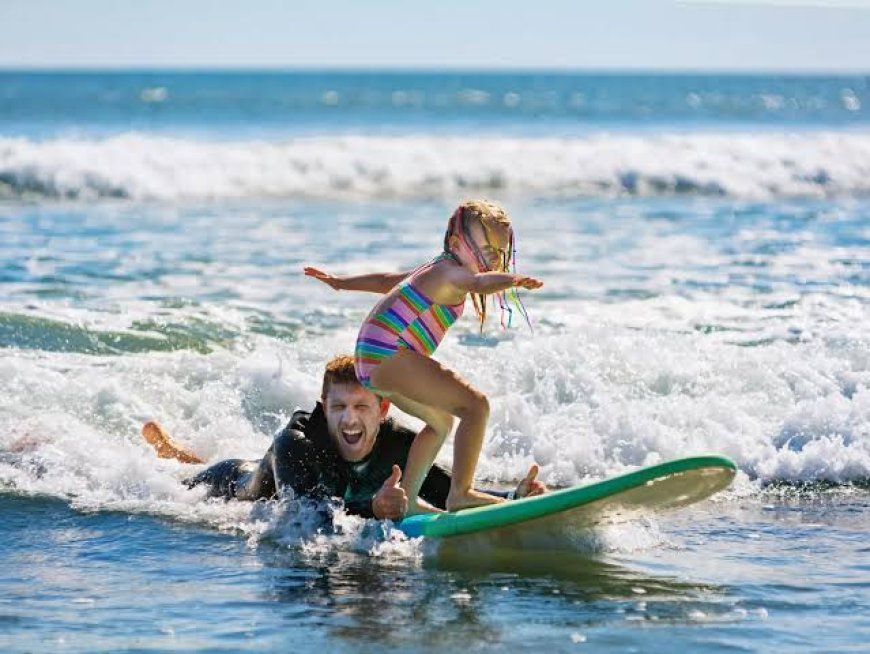
Surfing in the Caribbean has grown beyond the well-known international breaks. Islands such as Barbados and the Dominican Republic offer both classic surf destinations and more off-the-radar breaks that reward exploration and local knowledge. This guide breaks down key locations, conditions, access details, and practical tips.

1. Why Barbados and the Dominican Republic Surf
Both islands face open Atlantic swells that produce ride able waves, especially in fall and winter. Warm water year-round makes surfing comfortable without thick gear. Varying coastal geography creates reef breaks, point breaks, and beach breaks suitable for different skill levels.
2. Exploring Barbados Surf Spots
Barbados is known worldwide for its surf, but beyond the famous breaks there are less crowded and lesser-known options.
a. Duppies (West Coast Hidden Break)
A left-hand reef break that is less consistent but powerful when it works. Best in winter months with north to northwest swells.
- Skill level: Advanced surfers only.Getting there requires specific local directions.
b. Parlour (East Coast Secret)
A right-hand reef break near the Bathsheba area. Less crowded than the nearby Soup Bowl. Best during November- March.
- Skill level: Intermediate surfers.
c. Brandons Beach
South coast spot with mixed beach break waves. Suitable for beginners and intermediates. Easy access and nearby amenities.
d. South Point
- Consistent reef break on the south coast with long, ride able waves.
- Great for surfers looking to improve turns and wave awareness.
e. Other Lesser-Known Options
Sand Bank for beginners with a forgiving sandy bottom. Freights Bay as a local-favoured reef break with lefts and rights. Tropicana on the west coast, a challenging left reef break suited to advanced surfers (hazardous at low tide).
3. Hidden and Classic Surf in the Dominican Republic
The Dominican Republic’s north coast, especially around Cabarete and Playa Encuentro, hosts some of the most diverse and powerful Caribbean waves.
a. Playa Encuentro
A stretch of beach with multiple distinct breaks.
- Coco Pipe: Powerful, hollow reef break.
- Bobo’s Point: More consistent peaks ideal for different conditions.
- La Derecha & La Izquierda: Reliable right and left breaks for intermediate to advanced surfers.
- Destroyer: A steep, intense left over shallow reef.
b. Macao Beach
Known for several breaks and sturdy waves. Works best October–March.
c. La Puntilla and Sosua Bay
Reef-influenced spots with clean waves, especially in spring and fall. Wear protective footwear due to coral and rocks.
d. Playa Grande
Beach break with powerful waves during winter. Suitable for intermediate to advanced surfers.
e. Cabarete Bay Beach
Offers variable conditions and consistent morning waves. Surf often better before trade winds pick up.
4. Seasonal Patterns and Conditions
Best overall surf season: November through March, when northern swells are strongest. Early mornings often provide cleaner waves before winds increase. Reef breaks require awareness of tides, currents, and underwater hazards (coral, rocks, sea urchins).
5. Access, Safety, and Local Tips
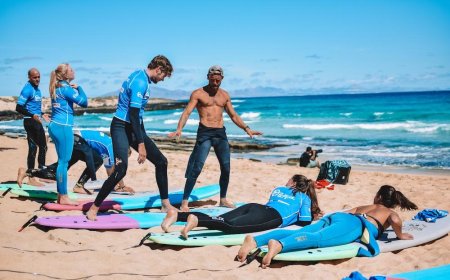
Many hidden spots require local knowledge or guides for directions and timing. Board rentals and surf schools are available near popular breaks (especially Barbados south coast and Cabarete). Always check the surf forecast and talk with local surfers about conditions on less famous breaks. Be cautious around reef breaks sharp coral and shallow zones increase injury risk if waves close out.
6. Combining Surf with Local Culture
Barbados and the Dominican Republic both have surf communities, beach bars, lessons, and social surf meetups. In Barbados, spots like Brandons Beach and South Point are near eateries and nightlife. Cabarete, Dominican Republic, also supports kite surfing, windsurfing, and competitive water sports events.
7. Summary
Barbados and the Dominican Republic offer a mix of world-class and lesser-known surf spots, from reef breaks and point waves to beach breaks for all levels. Winter months bring more consistent conditions, and exploring hidden breaks often requires local insight. Whether you’re chasing powerful barrels or mellow rides, both islands deliver unique Caribbean surfing experiences grounded in local conditions and long ocean seasons.
What's Your Reaction?
 Like
0
Like
0
 Dislike
0
Dislike
0
 Love
0
Love
0
 Funny
0
Funny
0
 Angry
0
Angry
0
 Sad
0
Sad
0
 Wow
0
Wow
0