












Caribbean Cocktails: History and Recipes for the Painkiller, Mojito, and Rum Punch.
Caribbean cocktails are closely tied to the region’s history of sugarcane farming and rum production. Rum became the base of many popular drinks because it was widely available and easy to blend with local fruits and spices. Among the most well-known Caribbean cocktails are the Painkiller, Mojito, and Rum Punch.

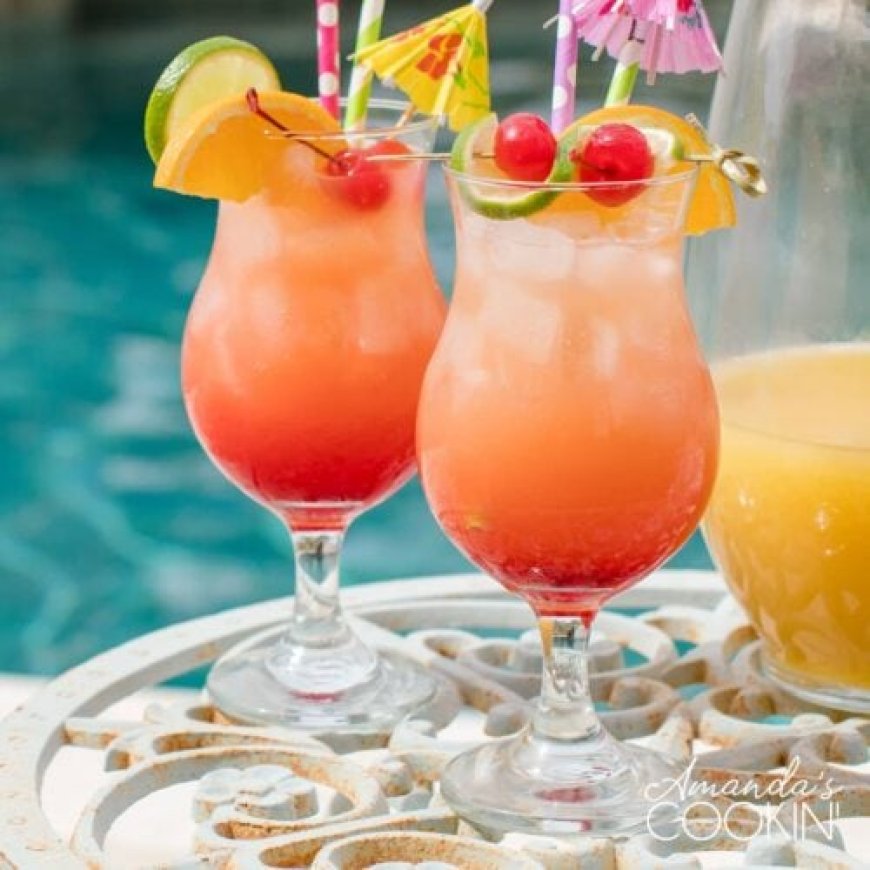
The Caribbean is closely linked with rum-based cocktails. Sugarcane cultivation, colonial trade routes, and local drinking traditions shaped drinks that are now popular worldwide. Among them, Painkiller, Mojito, and Rum Punch stand out for their history, simple structure, and lasting appeal.

This article explains where these cocktails came from and how they are made today.
1. Why Rum Dominates Caribbean Cocktails
Sugarcane was introduced to the Caribbean in the 17th century. Molasses, a by-product of sugar production, became the base for rum. By the 18th century, islands like Jamaica, Barbados, and Martinique were major rum producers. Local ingredients such as citrus fruits, spices, and tropical juices shaped cocktail styles. Rum became affordable, widely available, and deeply rooted in daily life. Most classic Caribbean cocktails are built around dark, aged, or blended rum.
2. The Painkiller
Origin and History
Created in the 1970s at the Soggy Dollar Bar on Jost Van Dyke, British Virgin Islands. The bar had no dock; visitors swam ashore, hence the name. Made famous using Pusser’s Rum, a navy-style rum based on British Royal Navy blends. The name “Painkiller” became legally linked with Pusser’s Rum in later years
What Makes It Unique
Creamy texture from coconut cream. Balanced mix of citrus and pineapple juice. Often served over crushed ice. Finished with grated nutmeg. Standard Painkiller Recipe
Ingredients
- 60 ml dark rum
- 120 ml pineapple juice
- 30 ml orange juice
- 30 ml coconut cream
- Fresh nutmeg (for garnish)
Method
Fill a glass with ice. Add all liquid ingredients. Shake or stir well. Sprinkle nutmeg on top
Current Use
Popular across beach bars in the Caribbean and the US. Often served in large glasses. Variations exist, but the core structure remains unchanged
3. The Mojito
Origin and History
Originated in Cuba, with roots going back to the 16th century. Early versions were linked to a drink called El Draque, named after Sir Francis Drake. Modern mojito developed in Havana during the 20th century. Became globally popular in the 1990s and 2000s
Key Characteristics
- Light and refreshing
- Uses white rum instead of dark rum
- Built directly in the glass
- Strong focus on mint and lime
- Standard Mojito Recipe
Ingredients
- 50 ml white rum
- 1 fresh lime (cut into wedges)
- 2 teaspoons sugar or sugar syrup
- 6–8 fresh mint leaves
- Soda water
- Ice
- Method
- Muddle lime and sugar in a glass
- Gently press mint leaves (do not crush fully)
- Add rum and ice
- Top with soda water
- Stir lightly
- Current Use
- One of the most ordered rum cocktails worldwide
- Commonly adapted with fruit flavours like mango or strawberry
- Still associated strongly with Cuban culture
4. Rum Punch
Origin and History
One of the oldest Caribbean cocktails. Based on a British punch formula from the 1600s. Spread across islands with local variations.
Famous rhyme used across the Caribbean:
“One of sour, two of sweet, three of strong, four of weak”.
Cultural Importance
Served at family gatherings, festivals, and beach parties
Recipes vary by island and even by household
Often made in large batches
Classic Caribbean Rum Punch Recipe
Ingredients
- 45 ml dark or aged rum
- 30 ml lime juice
- 20 ml sugar syrup or grenadine
- 60 ml fruit juice (pineapple or orange)
- A few drops of bitters (optional)
Method
Add all ingredients to a glass or punch bowl. Mix well with ice. Garnish with nutmeg, lime, or fruit
Current Use. Still widely consumed across Jamaica, Barbados, and Trinidad. Often stronger than it appears. No single “correct” version.
5. Why These Cocktails Still Matter Today
- They reflect local ingredients and history
- Recipes remain simple and accessible
- Popular with tourists and locals alike
- Easily adapted without losing identity
- Strong association with Caribbean lifestyle and climate
- Even with modern mix logy trends, these drinks remain unchanged at their core.
6. Conclusion
Caribbean cocktails are not about complexity. They focus on balance, availability, and social drinking. The Painkiller, Mojito, and Rum Punch each represent different parts of Caribbean history but share common foundation rum, fresh ingredients, and community culture.Their continued popularity shows that simple recipes, when rooted in tradition, can last for generations.
What's Your Reaction?
 Like
0
Like
0
 Dislike
0
Dislike
0
 Love
0
Love
0
 Funny
0
Funny
0
 Angry
0
Angry
0
 Sad
0
Sad
0
 Wow
0
Wow
0