


































Off-Season Travel: Why September & October Offer the Best Deals (Despite the Rain).
Traveling in September and October offers significant savings and a better travel experience despite occasional rain. Airfares and hotel rates drop after the peak summer season, often by 15–50%, and tourist destinations are much less crowded. Rain usually comes in short bursts and can be managed with smart planning. Weather is often cooler and more comfortable for sightseeing. Additional benefits include cheaper local tours, easier restaurant bookings, and more flexible travel policies.

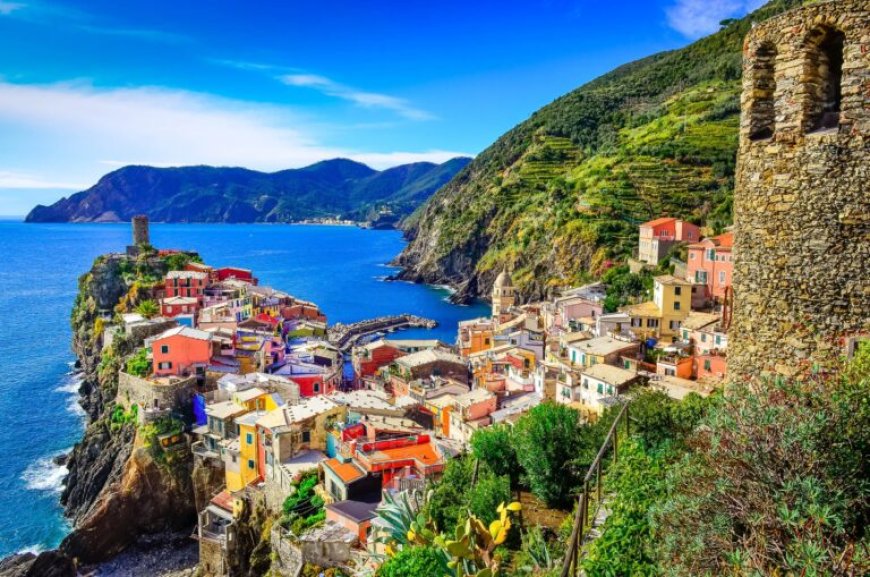
Travelling in September and October is often overlooked because of rain warnings and the end of peak vacation season. But for budget-focused and flexible travellers, these two months quietly offer some of the best travel value of the year. Lower prices, fewer crowds, and improved availability make off-season travel a smart choice if planned correctly.Below is a detailed breakdown of why September and October are ideal for deals, and how to manage the downsides.

1. Airfare Drops After Peak Summer Travel
Summer holidays end by late August in most countries. Demand for flights falls sharply once schools reopen. Airlines reduce ticket prices to keep planes full.
Key facts:
- International flight fares often drop 15–40% compared to July–August.
- Midweek flights (Tuesday–Thursday) are cheapest during this period.
- Budget airlines release more promotional fares in September.
Best routes for deals:
Europe -Asia. Domestic flights within Europe. Southeast Asia regional flights
2. Hotels Lower Prices to Maintain Occupancy
Hotels depend on high occupancy during peak seasons. Once tourist numbers fall:
Room rates are reduced. Free upgrades become more common. Added benefits are offered.
What travellers often get:
- 20–50% lower room rates
- Free breakfast or late checkout
- Better rooms at standard prices
- Business hotels and city hotels offer especially strong discounts in October.
3. Fewer Crowds Improve the Travel Experience
Peak season crowds disappear after August.
Benefits:
- Shorter lines at attractions
- Easier restaurant reservations
- Less traffic in tourist cities
This matters most in:
- Europe (Italy, France, Spain)
- Popular Asian destinations
- Major cities and heritage sites
- Museums, beaches, and landmarks become easier to explore without rush.
4. Rainfall Is Usually Short and Predictable
Rain is the biggest concern in September and October, but it is often misunderstood.
Reality of rain during off-season:
- Rain usually comes in short bursts
- Full-day rain is rare in most regions
- Mornings and evenings are often clear
Examples:
- Southeast Asia: Afternoon showers, clear mornings
- Southern Europe: Light rain, mild temperatures
- Caribbean: Passing showers, warm weather
- With planning, rain rarely ruins entire days.
5. Travel Costs Beyond Flights and Hotels Are Lower
Lower tourist demand affects more than airfare and hotels.
Savings include:
Discounted tour packages. Cheaper local transport. Better deals on activities and rentals. Local tour operators often reduce prices or offer smaller group tours.
6. Weather Is Often More Comfortable Than Summer
In many destinations, September and October offer better temperatures than peak summer.
Advantages:
- Less extreme heat.
- Cooler evenings
- Lower humidity in some regions
This is ideal for:
- City walking tours
- Hiking and sightseeing
- Long outdoor days without heat exhaustion
7. Travel Insurance and Flexible Policies Reduce Risk
Modern travel planning makes off-season trips safer.
Current trends:
- Airlines offer flexible date change options
- Hotels allow free cancellations closer to check-in
- Travel insurance covers weather-related delays
- These policies reduce the financial risk of unexpected changes.
8. Ideal Destinations for September & October Travel
Some destinations perform especially well during these months.
Top choices:
- Southern Europe (Italy, Greece, Portugal)
- Japan (early autumn season)
- Southeast Asia (Thailand, Vietnam, Indonesia)
- Eastern Europe
- Middle East city destinations
- Always check regional weather patterns before booking.
9. Smart Planning Makes Rain Manageable
Simple planning steps improve off-season trips.
Practical tips:
- Pack lightweight rain jackets
- Schedule outdoor activities in mornings
- Keep indoor activities as backup plans
- Choose centrally located hotels
- Rain rarely affects entire trips when flexibility is built in.
10. Who Should Choose Off-Season Travel?
September and October are best for travellers who:
- Want to save money
- Prefer fewer crowds
- Can handle flexible schedules
- Value experience over perfect weather
- Not ideal for travellers who need guaranteed beach weather every day.
Final Takeaway
September and October offer lower prices, better availability, and a calmer travel environment. While rain is a factor, it is usually manageable and short-lived. With smart planning, off-season travel delivers strong value without sacrificing experience. For travellers focused on cost, comfort, and flexibility, these months are among the best times of the year to travel.
What's Your Reaction?
 Like
0
Like
0
 Dislike
0
Dislike
0
 Love
0
Love
0
 Funny
0
Funny
0
 Angry
0
Angry
0
 Sad
0
Sad
0
 Wow
0
Wow
0