









Volcano Tourism: Hiking Active and Dormant Volcanoes in St. Vincent and Montserrat.
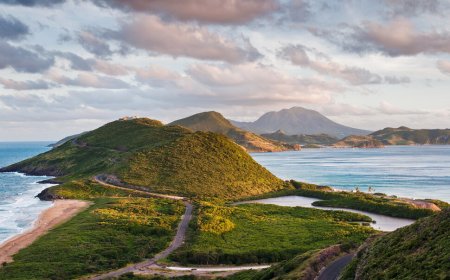
Volcano tourism in St. Vincent and Montserrat offers travellers a close look at active volcanic landscapes through hiking, guided tours, and observation points. In St. Vincent, the La Soufriere volcano provides a challenging but rewarding hike that passes through rainforest and volcanic terrain up to the crater rim, where steam vents and wide island views can be seen. Certified guides and safety rules are an important part of the experience.

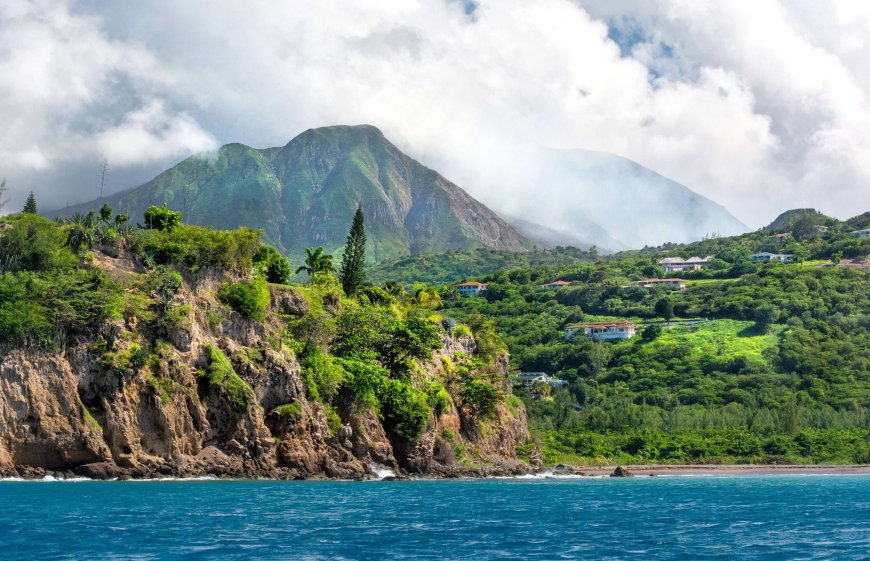
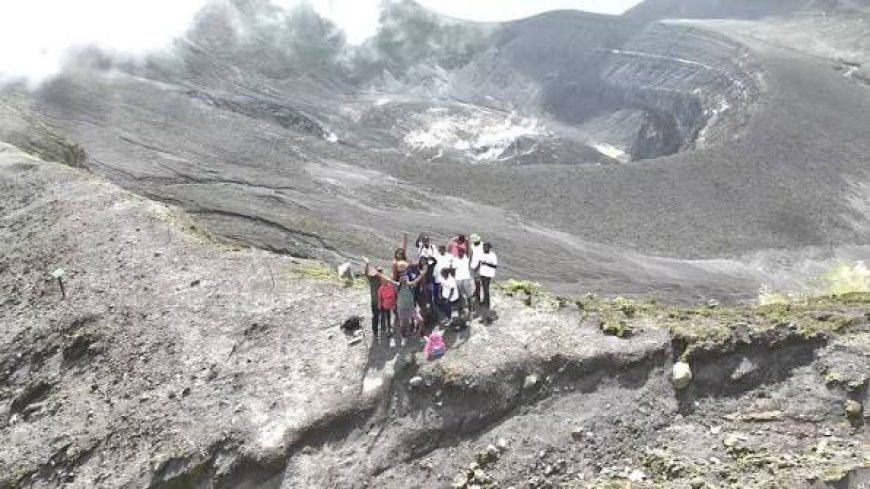
Volcano tourism in the Caribbean draws visitors interested in geology, adventure hiking, and distinctive landscapes shaped by volcanic activity. In St. Vincent and the Grenadines and Montserrat, volcano-focused travel centres on experiencing active and historically active volcanoes through hiking, guided tours, observatory visits, and landscape observation. Below is an up-to--date, point-by-point guide covering what travellers should know.

1. Volcanoes in Focus
- La Soufriere – St. Vincent
- Type: Active stratovolcano with recent eruptions recorded into the early 21st century.
- Height: Approximately 1,234 m (4,048 ft).
- This volcano’s landscape includes volcanic rock, sulfur vents, fumaroles (steam emissions), and a crater that reflects both geological and ecological transition zones.
- Soufriere Hills – Montserrat
- Type: Active stratovolcano with lava domes forming the summit.
- Activity: Became active again in 1995 after long dormancy; last known eruption was 2013.
- Impact: Historic eruptions have rendered parts of Montserrat uninhabitable and reshaped local settlements.
2. Hiking Experiences and Access
- La Soufriere Volcano Hiking (St. Vincent)
- Trail and Duration: The main trekking route starts near the Rebecca Dry River and generally takes 4–7 hours return, depending on pace and route conditions.
- Terrain: Hike travels through rainforest, volcanic slopes, streams, and mixed ecosystems.
- Views: At the crater rim, hikers see steam vents, sulfur-scented areas, and broad panoramic views of island coasts.
- Guides and Regulations: Certified guides are required for non-residents, and hikers must follow park rules (e.g., no alcohol or glass bottles).
- Physical Demand: Moderate to challenging; sturdy footwear, layers, and plenty of water are recommended.
- Montserrat Volcano Access
- Direct Trail Restrictions: Hikes into the Soufriere Hills exclusion zone are controlled due to safety; open trekking into restricted zones is generally not permitted.
- Observation Points and Tours: Visitors typically go to Montserrat Volcano Observatory (MVO) for views and educational exhibits about volcanic activity.
- Guided Tours: Local guides offer trips to safe observation locations (e.g., Belham Valley, Jack Boy Hill) and may explain eruption history and geological features.
- Helicopter Tours: Aerial tours provide a way to view volcanic landscapes and structures from above, with some operators offering these for a fee.
3. Volcano Tourism Activities Beyond Hiking
- Educational Visits
- Montserrat Volcano Observatory (MVO): Offers hourly presentations on volcano monitoring, seismic data, and geological context; short documentary viewing may have a small fee.
- Landscape Observation
- La Soufriere Scenic Spots: Visitors can include volcanic hot springs and black sand beaches near volcano foothills to see ongoing geothermal impacts up close.
- Montserrat Viewing Points: Scenic lookout points around Montserrat allow photo vantage and views of lava-shaped terrain and abandoned zones.
4. Logistics and Safety
Best Times to Visit
- St. Vincent: Dry season (December–May) provides more stable hiking conditions and clearer summit views.
- Montserrat: Volcano viewing and tours can be done year-round, but volcanic monitoring updates are essential to check before planning visits.
- Safety Considerations
- Active Volcanic Status: Volcanic conditions can change; official advisories and guides must be followed.
- Packing: Bring adequate water, protection against sun and rain, and hiking gear adapted to rough and sometimes muddy trails.
- Guides and Permits: For many hikes and close approaches, certified guides and sometimes permits or bookings are necessary for both safety and regulatory compliance.
5. Contextual Notes on Volcano Tourism
Volcano tourism in these islands is tied not just to scenic hiking but to geological history and community resilience. For example, Montserrat’s capital, Plymouth, is now abandoned due to historical eruptions, and tours often include the story of how the island adapted afterwards.St. Vincent’s La Soufriere volcano also has a long eruption record stretching back centuries, which is part of the narrative shared by local guides.
6. Conclusion
Volcano tourism in St. Vincent and Montserrat blends active geological engagement, structured hiking, education, and landscape observation. La Soufriere in St. Vincent offers a full summit hiking experience through varied ecosystems and up to an active crater zone. Montserrat’s Soufriere Hills provides access to panoramic viewing, observatory insights, and guided tours outside strict exclusion zones. Travelers with interest in natural processes, outdoor challenge, and volcanic history will find these destinations informative and memorable as long as they respect safety protocols and local guidelines.
What's Your Reaction?
 Like
0
Like
0
 Dislike
0
Dislike
0
 Love
0
Love
0
 Funny
0
Funny
0
 Angry
0
Angry
0
 Sad
0
Sad
0
 Wow
0
Wow
0