










Dutch, French, or Spanish? How Colonial History Shaped Island Cultures Today.
Colonial rule by the Dutch, French, and Spanish shaped island cultures through language, religion, governance, and daily traditions. Spanish influence is seen in language, Catholic festivals, and town planning, while French rule shaped cuisine, education, and strong cultural identity. Dutch colonies developed multilingual societies focused on trade, business, and structured governance. Today, these colonial roots still define how islands function, feel, and differ from one another.

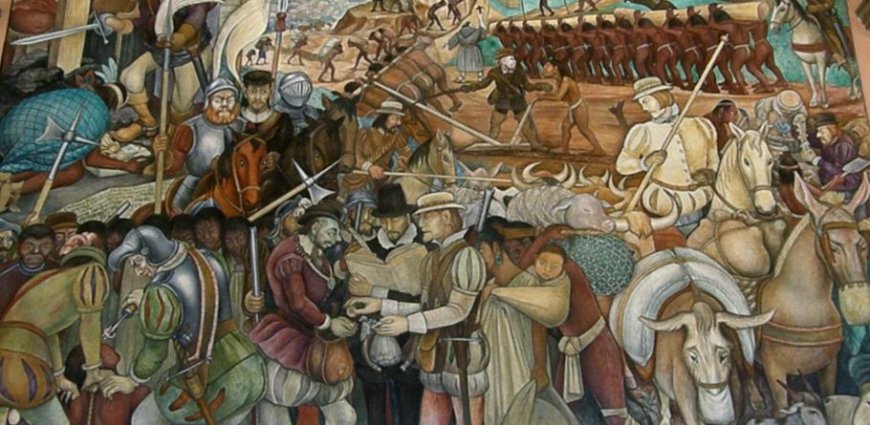
Across the Caribbean and nearby regions, colonial rule left lasting marks on language, law, food, architecture, and daily life. Even today, you can often tell an island’s past just by listening to how people speak, what they eat, and how their towns are organized.

1. Why Colonial History Still Matters
- European powers controlled Caribbean islands for centuries.
- Colonial systems shaped governance, religion, trade, and education.
- After independence or autonomy, many systems remained in place.
- Modern island culture is often a mix of European, African, and Indigenous influences.
2. Spanish Influence: Language, Religion, and Town Design
- Where Spanish Influence Is Strong
Cuba
- Puerto Rico
- Dominican Republic
- Parts of the eastern Caribbean and Central America
Cultural Impact
Language: Spanish remains the main language in daily life, government, and media.
Religion: Roman Catholicism plays a major role in holidays, festivals, and social customs.
Urban layout: Central plazas, cathedrals, and government buildings follow Spanish colonial planning.
Music & dance: Styles like salsa, meringue, and bacchante evolved from Spanish and African roots.
Daily Life Today
- Long family meals, strong community ties, and public social spaces are common.
- Spanish colonial law influenced property rights and civil systems still used today.
3. French Influence: Identity, Cuisine, and Social Structure
- Where French Influence Is Strong
- Martinique
- Guadeloupe
- Saint Martin (French side)
- Haiti (historically)
- Cultural Impact
Language: French is the official language, while Creole is widely spoken.
Cuisine: Heavy use of sauces, seafood, spices, and structured meal traditions.
Education: French curriculum and systems remain standard in overseas territories.
Cultural identity: Strong emphasis on art, fashion, and food traditions.
Modern Reality
- Some islands remain overseas departments of France, using the euro and EU laws.
- French public services and infrastructure tend to be well developed.
- Cultural pride often blends French identity with Caribbean heritage.
4. Dutch Influence: Trade, Multilingualism, and Practical Governance
Where Dutch Influence Is Strong
- Aruba
- Curaçao
- Bonaire
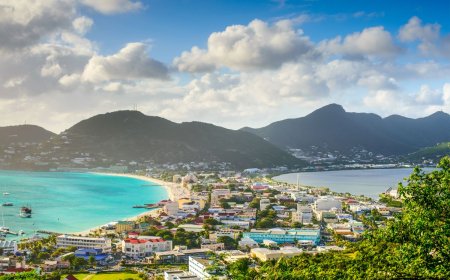
- Sint Maarten (Dutch side)
- Cultural Impact
Language: Dutch is official, but English, Papiamento, and Spanish are widely spoken.
- Trade mindset: Islands developed as ports and commercial hubs.
Legal systems: Dutch civil law influences business, property, and governance.
Religious diversity: Protestant influence mixed with Catholic and other traditions.
Today’s Culture
- Societies are highly multilingual and outward-facing.
- Business, tourism, and logistics play a central role.
- Social systems tend to be organized and regulated.
5. Architecture Tells the Story
Spanish islands: Thick stone buildings, inner courtyards, tiled roofs.
French islands: Decorative balconies, colourful facades, European-style town centres.
Dutch islands: Narrow buildings, pastel colours, stepped gables adapted to tropical climates.
Walking through old town areas often reveals colonial history more clearly than museums.
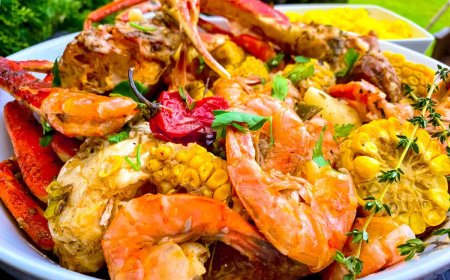
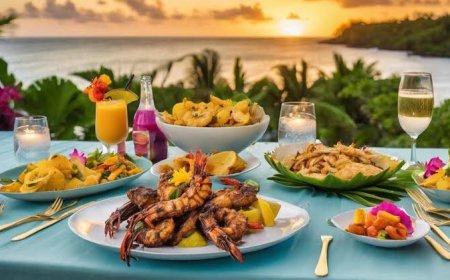
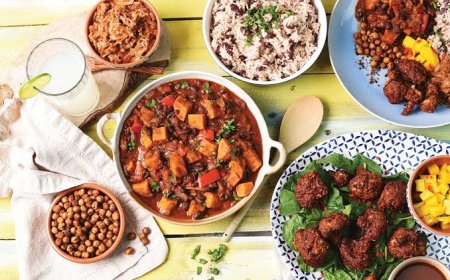
6. Food Culture Reflects Colonial Roots
Spanish islands: Rice, beans, pork, plantains, slow-cooked stews.
French islands: Refined cooking techniques mixed with Caribbean spices and seafood.
Dutch islands: Diverse cuisine reflecting global trade, including Caribbean, European, and Latin flavours. African and Indigenous food traditions deeply influenced all three styles.
7. Education and Governance Today
- French territories often follow French national education systems.
- Dutch islands operate under Kingdom of the Netherlands frameworks.
- Spanish-speaking islands developed independent systems influenced by Spanish law.
- These differences affect citizenship, travel rights, taxes, and social services.
8. Economic Models Shaped by Colonial Past
- Spanish colonies focused historically on agriculture and extraction.
- French colonies developed centralized administration and state services.
- Dutch colonies emphasized trade, shipping, and financial services.
- Modern tourism and offshore industries grew from these foundations.
9. Cultural Identity and Independence
- Some islands remain overseas territories, while others are fully independent.
- Colonial heritage can be a source of pride, debate, or cultural preservation.
- Language and tradition often unite people more strongly than political status.
- You’ll often see European flags alongside local symbols, reflecting layered identities.
10. What Travellers Notice Today
- Language differences shape visitor experience.
- Public services and infrastructure vary by colonial system.
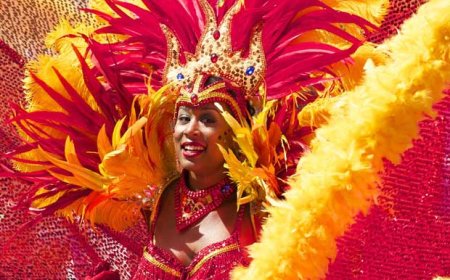
- Cultural events, festivals, and food differ noticeably between islands.
- Understanding colonial history helps travellers better appreciate why islands feel so different despite geographic closeness.
Final Takeaway
Dutch, French, and Spanish colonial rule shaped island cultures in lasting ways that still affect daily life today. Language, food, governance, and social values reflect these histories, blended with African and Indigenous traditions. The Caribbean is not one culture, but many each shaped by the colonial paths it followed.
What's Your Reaction?
 Like
0
Like
0
 Dislike
0
Dislike
0
 Love
0
Love
0
 Funny
0
Funny
0
 Angry
0
Angry
0
 Sad
0
Sad
0
 Wow
0
Wow
0