





























Must-Try Street Food: From Trinidadian Doubles to Jamaican Jerk Chicken.
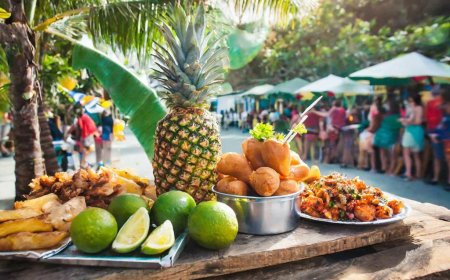
Caribbean street food focuses on fresh preparation, strong seasoning, and affordability, with each island offering its own staple dishes. Popular items include Trinidadian doubles, made with fried bread and curried chickpeas, and Jamaican jerk chicken, slow-cooked over charcoal with allspice and Scotch bonnet peppers. Other widely eaten foods include patties, roti, bake and shark, flying fish cutters, conch fritters, Accra, fried plantains, and roast corn.

Caribbean street food is built around speed, affordability, and local taste. Most dishes are cooked fresh, sold from stalls or carts, and eaten on the spot. Recipes vary by island, but the goal is the same: filling food made with familiar ingredients and strong seasoning.

This guide covers what to try, where it’s common, and how it’s usually served.
1. Trinidadian Doubles (Trinidad & Tobago)
- What it is: Two flat fried breads (bara) filled with curried chickpeas (channa)
- Common toppings: Tamarind sauce, cucumber chutney, pepper sauce
- How it’s eaten: With your hands, often wrapped in paper
- Best time: Morning and late afternoon
- Price range: Low-cost street snack
- Why it matters: Doubles are one of the most widely eaten street foods in Trinidad. Vendors customize spice levels on the spot.
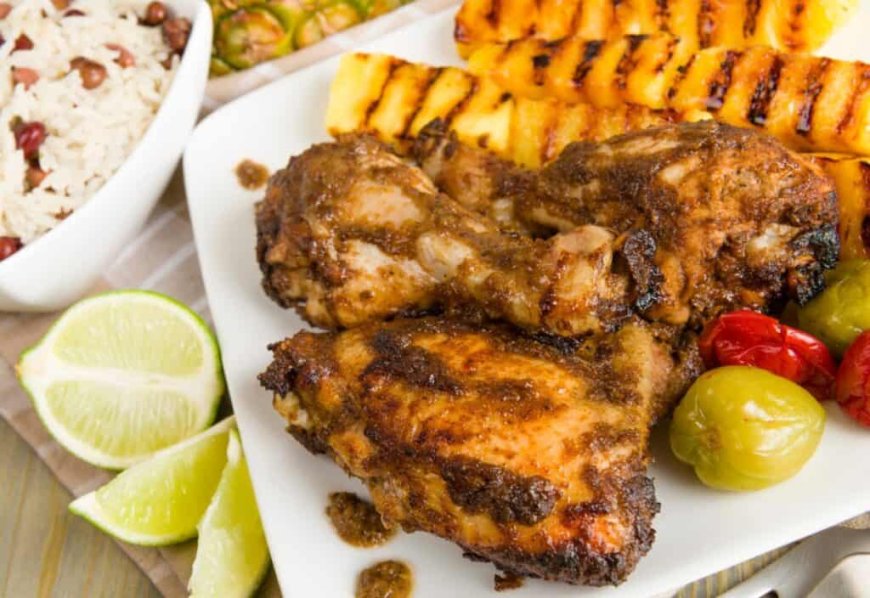
2. Jamaican Jerk Chicken (Jamaica)
- What it is: Chicken marinated with allspice, Scotch bonnet pepper, thyme, garlic
- Cooking method: Slow-cooked over pimento wood or charcoal
- Typical sides: Festival (fried dough), bread, rice, or bammy
- Where to find it: Roadside grills, beach stalls, night markets
- Key detail: Traditional jerk flavor comes from smoke and spice balance, not sweetness.
3. Bake and Shark (Trinidad & Tobago)
- What it is: Fried shark filet in a fried bread roll (“bake”)
- Toppings bar: Lettuce, tomato, pineapple, sauces, pepper
- Popular spot: Beach stalls, especially Maracas Bay
- Eating style: Custom-built sandwich
- Note: Some vendors now use alternative fish due to sustainability rules-ask if shark is used.
4. Roti (Trinidad, Guyana, Jamaica)
- Types: Chicken, goat, beef, vegetable
- Wrap style: Thin flatbread folded around curried filling
- Serving size: Large, often a full meal
- Where to find it: Street stalls and small takeaway shops
- Tip: “Buss up shut” roti is softer and torn, not rolled.
5. Patty (Jamaica)
- What it is: Flaky pastry filled with spiced meat or vegetables
- Common fillings: Beef, chicken, cheese, callaloo
- When it’s eaten: All day breakfast to late night
- Where: Bakeries, street carts, bus terminals
- Current trend: Vegan patties are now common in urban areas.
6. Accra (Caribbean-wide)
- What it is: Fried batter fritters
- Main ingredients: Saltfish or vegetables
- Texture: Crisp outside, soft inside
- Where: Street stalls, especially evenings
- Regional note: Some islands call these “saltfish fritters.”
7. Flying Fish Cutters (Barbados)
- What it is: Fried flying fish in a salt bread roll
- Common sauces: Pepper sauce, tartar sauce
- Where to find it: Beach stalls and food trucks
- Cultural role: National dish of Barbados
- Seasonal note: Flying fish availability peaks earlier in the year.
8. Conch Fritters (Bahamas, Turks & Caicos)
- What it is: Deep-fried batter mixed with chopped conch
- Flavor profile: Mild seafood with herbs
- Where: Dockside stalls and roadside stands
- Legal note: Conch harvesting is regulated; availability varies.
9. Arepas (Caribbean Coast & Islands)
- What it is: Cornmeal cake, grilled or fried
- Fillings: Cheese, meat, beans
- Street style: Handheld, often split and stuffed
- Modern trend: Fusion fillings are common in tourist areas.
10. Roast Corn (Across the Caribbean)
- What it is: Corn grilled over charcoal
- Seasoning: Butter, salt, pepper, sometimes cheese
- Where: Street corners, beaches, festivals
- Why it lasts: Cheap ingredients and fast cooking keep it popular.
11. Fried Plantains (Regional Staple)
- Types: Sweet (ripe) or savory (green)
- Served with: Almost any street meal
- Cooking method: Pan-fried or deep-fried
- Consistency: Found on nearly every island.
12. Pepper Sauce & Spice Levels
- Scotch bonnet peppers are common
- Heat levels vary by vendor
- Always ask before adding sauce
- Local rule: “Small pepper” still means spicy.
13. Hygiene and Safety Tips
- Choose busy stalls with high turnover
- Watch food being cooked fresh
- Avoid sauces sitting uncovered in heat
- Carry small bills for quick payment
14. Street Food Costs (General Range)
- Snacks: Low cost
- Full meals: Moderate but affordable
- Cash preferred in most places
- Prices vary by island and tourist density.
Final Takeaway
Caribbean street food reflects daily life more than restaurant menus do. From Trinidad’s doubles to Jamaica’s jerk chicken, these dishes are built for speed, flavor, and practicality. Trying them where locals eat beaches, bus stops, roadside grills offers the most accurate experience. Knowing what to order, how it’s served, and what to expect makes street food both approachable and rewarding.
What's Your Reaction?
 Like
0
Like
0
 Dislike
0
Dislike
0
 Love
0
Love
0
 Funny
0
Funny
0
 Angry
0
Angry
0
 Sad
0
Sad
0
 Wow
0
Wow
0