

































Tax Havens: How Moving to the Caribbean Can Lower Your Tax Bill Legally.
The Caribbean has become a popular destination for individuals and businesses seeking legal ways to reduce their tax burden. Several Caribbean nations offer low or zero income tax, no capital gains tax, and territorial tax systems that exclude foreign income from taxation. Countries such as the Cayman Islands, Bahamas, Bermuda, St. Kitts and Nevis, and Antigua and Barbuda attract entrepreneurs, remote workers, investors, and retirees through favourable residency and citizenship programs. However, tax benefits depend mainly on tax residency, compliance with international reporting rules, and understanding exit tax obligations in one’s home country. Proper planning, transparency, and professional advice are essential to legally benefit from Caribbean tax havens.

High taxes are a concern for entrepreneurs, remote workers, investors, and retirees around the world. In recent years, several Caribbean countries have attracted attention for offering legal ways to reduce tax liability. This article explains how Caribbean tax havens work, which countries are involved, and what you must consider before moving.

1. What Is a Tax Haven?
A tax haven is a country or territory that offers:
Very low or zero income tax. No capital gains tax in many cases. Favourable rules for foreign income. Simple residency or citizenship programs. These benefits are legal and written into national tax laws. Using them becomes illegal only if income is hidden or tax rules of your home country are violated.
2. Why the Caribbean Is Popular for Tax Planning
The Caribbean region is attractive because of:
Stable legal systems based on British or European law. Small populations and tourism-based economies. Governments that encourage foreign residents and investment. English widely spoken in many countries. Many Caribbean nations earn revenue through tourism, offshore services, and citizenship programs rather than high personal taxes.
3. Key Caribbean Tax Haven Countries
a) Cayman Islands
- No personal income tax
- No capital gains tax
- No wealth or inheritance tax
- Popular with hedge funds and investment firms
- Residents mainly pay indirect taxes such as import duties and licensing fees.
- No personal income tax
- No capital gains tax
- No corporate income tax for most activities
- The Bahamas offers a Permanent Residency Program for property buyers and long-term residents.
c) Bermuda
- No income tax for individuals
- Payroll tax applies only if you employ staff locally
- Strong reputation and strict financial regulation
- Bermuda is often chosen by executives and business owners.
d) St. Kitts and Nevis
- No personal income tax
- No capital gains tax
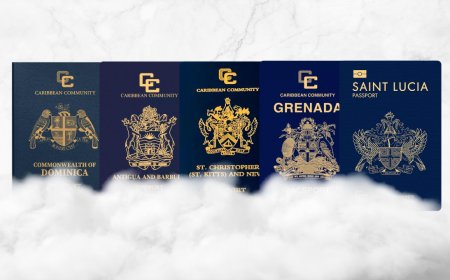
- Citizenship by Investment (CBI) program available
- Citizenship allows visa-free travel to many countries and flexible tax residency options.
e) Antigua and Barbuda
- No personal income tax for tax residents
- No wealth or inheritance tax
- Attractive digital nomad and residency options
- Tax residents must usually spend a minimum number of days per year in the country.
4. Territorial vs. Worldwide Tax Systems
Many Caribbean countries use a territorial tax system, meaning:
Only income earned inside the country is taxed. Foreign income is not taxed. If your income comes from online business, consulting, investments, or overseas clients, this structure can significantly reduce tax liability.
5. Residency Rules Matter More Than Citizenship
Lower taxes usually depend on tax residency, not passport alone.
Common residency requirements include:
- Spending 90-183 days per year in the country
- Renting or owning a home
- Proving economic ties
- Without proper residency status, tax benefits may not apply.
6. Citizenship by Investment Programs
Some Caribbean nations offer citizenship in exchange for:
- A government donation
- Real estate investment
- Business investment
Benefits include:
- Faster residency options
- Easier banking access
- Greater travel freedom
However, citizenship alone does not always remove tax obligations in your original country.
7. Home Country Exit Rules and Tax Obligations
Moving abroad does not automatically end tax duties everywhere.
Important considerations:
- Some countries tax global income even after relocation
- Exit taxes may apply when leaving
- Double taxation agreements must be reviewed
- For example, U.S. citizens are taxed on worldwide income regardless of residence.
8. Compliance and Transparency Are Essential
Modern tax planning requires full compliance with:
- Reporting rules
- Bank disclosures
- International information exchange agreements
Most Caribbean jurisdictions now follow global transparency standards. Secret accounts are no longer realistic or legal.
9. Cost of Living and Hidden Costs
Low taxes do not mean low expenses.
Common costs include:
- Imported goods at higher prices
- Private healthcare and insurance
- Residency permits and legal fees
A full financial plan should balance tax savings with lifestyle costs.
10. Who Benefits Most from Caribbean Tax Havens?
These setups work best for:
- Online entrepreneurs
- Remote workers and freelancers
- Investors with foreign income
- Retirees with pensions earned abroad
- People with local employment income in high-tax countries usually see fewer benefits.
11. Professional Advice Is Strongly Recommended
Tax laws change and depend on personal circumstances.
Before moving:
- Consult an international tax advisor
- Review residency rules carefully
- Understand reporting requirements
- Legal planning protects you from penalties and future disputes.
12. Conclusion
The Caribbean offers legal, structured ways to lower taxes, not shortcuts or loopholes. When done correctly, relocating can reduce tax burdens while providing a stable lifestyle and business-friendly environment. The key is planning, compliance, and understanding both your home country’s rules and your new country’s tax system.
What's Your Reaction?
 Like
0
Like
0
 Dislike
0
Dislike
0
 Love
0
Love
0
 Funny
0
Funny
0
 Angry
0
Angry
0
 Sad
0
Sad
0
 Wow
0
Wow
0