




























The Digital Nomad Visa Effect: How Remote Workers are Changing Real Estate Prices.
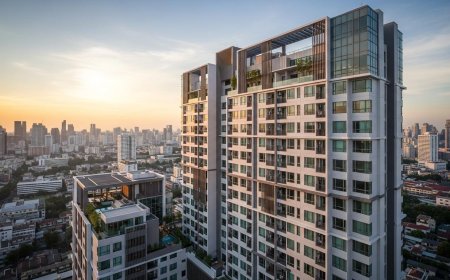
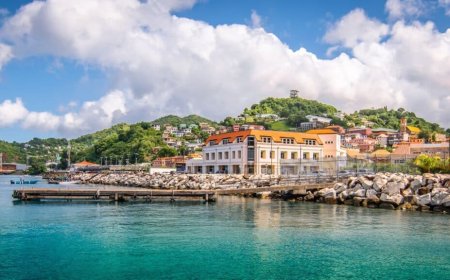
Digital nomad visas have changed how housing markets work in many countries by attracting remote workers who rent or buy homes for medium-term stays. These workers often have higher incomes than local residents and prefer furnished homes with good internet and flexible leases. As a result, demand has increased in popular nomad destinations such as Portugal, Croatia, Brazil, and parts of Southern Europe, leading to noticeable rent and property price growth in certain cities and coastal areas.


Digital nomad visas residency permits for remote workers have been adopted by more than 60 countries worldwide, creating new migration patterns and reshaping housing markets. Remote workers bring income and mobility, but their presence affects how and where people buy, sell, and rent property. Here’s a detailed, point-by-point look at the real estate impact of digital nomads with up-to-date data and trends.

1. What Digital Nomad Visas Are
Digital nomad visas allow remote workers to live and work legally in a country without traditional employment there. They typically require proof of stable income, remote employment, health insurance, and sometimes a minimum income threshold. These visas can last months to years, depending on the country.
2. Rising Demand for Housing in Nomad Destinations
Remote workers often look for medium-term rentals (3–12 months) rather than short vacations or permanent moves. This has changed housing demand in popular destinations:
In Croatia, extended nomad visas have raised rental demand in cities like Zagreb and Split, pushing rent increases of 15–25% in recent years.In Brazil, digital nomads have boosted demand for furnished rentals in Rio de Janeiro, São Paulo, and coastal hubs, contributing to rental prices rising up to 15% since 2020.Nomads also favor apartments with high-speed internet, workspace, and flexible lease terms, prompting landlords to refurbish units specifically for this market.
3. Short-Term & Mid-Term Rental Markets Expand
Digital nomad demand has increased the availability and pricing of short- and medium-term rentals:Property owners convert traditional long-term rental units into furnished, flexible-lease listings to attract remote workers willing to pay premiums.In some markets, this shifts housing stock away from locals seeking year-long leases.This transformation changes property usage patterns and can tighten supply for traditional residential renters.
4. Local House Prices and Rent Inflation
Remote workers often have higher income levels than local residents. Global research shows this can accelerate price growth:In some European cities, neighbourhoods with a high share of remote residents have seen rental inflation grow significantly faster than broader averages.In Portugal, areas popular with nomads saw 5.8% property value increases in 2024 as remote workers targeted places like Lisbon, Porto, and the Algarve.In other regions like Croatia’s Dalmatian coast, rent increases have reached 15–25%, raising affordability concerns for local households.
5. Competition with Local Residents
The influx of nomads and remote workers can strain housing availability for permanent residents:Urban cores and attractive rental markets can experience reduced long-term housing stock as apartments convert into nomad or tourist-style rentals.Local residents can find it harder to secure affordable housing in sought-after neighborhoods.This dynamic mirrors broader gentrification pressures, where rising demand and limited supply benefit property owners but can displace longtime residents.
6. Geographic Shifts in Real Estate Demand
Remote work and nomad visas influence location preferences:People who no longer need to be near offices are choosing smaller cities, suburbs, rural areas, and coastal towns, leading to rising home values in previously less competitive markets.Some rural houses in places like Cyprus have seen price increases of 15–30% as remote workers move in.This redistribution of demand changes real estate landscapes beyond major metropolitan areas.
7. Real Estate Adaptation and Innovation
The market is evolving in response to nomad demand:Real estate firms now offer virtual tours, digital contracts, and nomad-friendly lease options worldwide.There is growth in co-living and flexible rental spaces tailored to nomads’ lifestyles.Some regions experiment with regulated quotas or rent-stabilization initiatives to balance nomad attraction and affordability.These changes reflect structural shifts in how housing is marketed and leased.
8. Policies and Regulatory Responses
Governments are adjusting policies to manage impacts:Limits on the number of visas issued to a city aim to reduce upward pressure on housing.Tax incentives and regulations encourage creation of long-term rental stock while balancing nomad demand.Policymakers seek frameworks that welcome remote workers while protecting housing affordability for locals.
9. The Bigger Picture: Global Mobility and Real Estate
Digital nomad visas reflect broader shifts in global laboura mobility:Over 67 countries now offer formal remote work visas, turning housing markets into more globalized arenas.As remote work becomes structural rather than temporary, property markets will continue to adjust shaping prices, housing supply, and community composition.This trend reinforces that real estate is no longer just local; it now responds to international migration patterns and remote work demands.
10. Summary of Effects
Positive effects:
- Increased rental income and property value in emerging markets
- Revitalized neighbourhoods and stronger rental sectors
- More options for flexible housing
Challenges:
- Rising rents and home prices in popular nomad cities
- Reduced long-term rental stock for locals
Affordability pressures and gentrification concerns
Digital nomad visas clearly influence real estate dynamics across countries and communities. Their impact spans rent inflation, housing availability, demand redistribution, and innovation in property services. The effects vary widely by city and region, but overall, the presence of remote workers is reshaping housing markets in measurable ways.
What's Your Reaction?
 Like
0
Like
0
 Dislike
0
Dislike
0
 Love
0
Love
0
 Funny
0
Funny
0
 Angry
0
Angry
0
 Sad
0
Sad
0
 Wow
0
Wow
0