































Seafood Feasts: Fresh Catches in Puerto Rico and Cuba for 2025-26
Puerto Rico has broad access to seafood through kiosks, pescaderías, coastal restaurants, and marina-side kitchens. Fresh catches like snapper, grouper, and shrimp appear regularly in local markets, though some restaurants still rely on frozen imports. Popular dishes include bacalao's, mofongo with seafood, ceviche, and grilled whole fish. The Luquillo Kiosks and small fish markets in areas like Fajardo, Humacao, and Vieques remain reliable spots to try same-day landings.

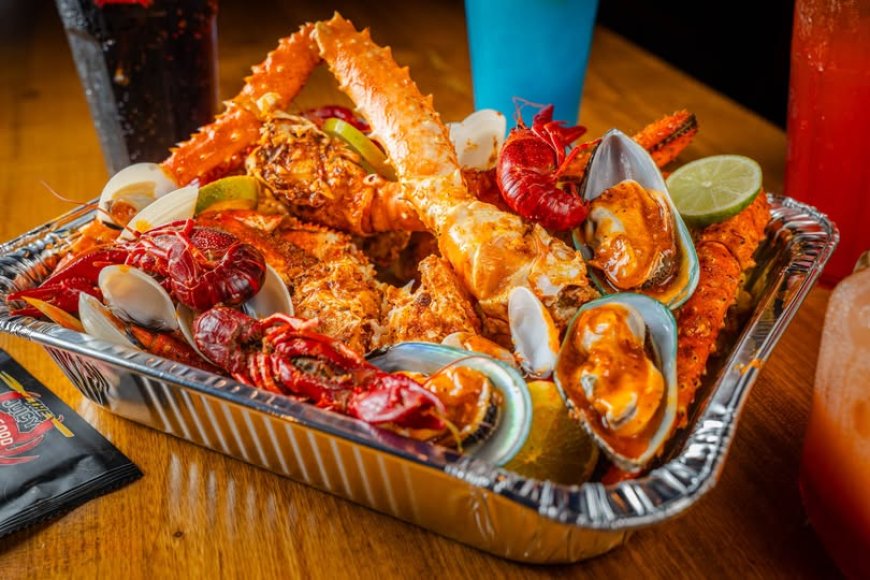
1) Quick snapshot: supply vs demand (what to expect)

Puerto Rico: widely accessible seafood in coastal towns and tourist hubs. You’ll find a mix of truly fresh catches sold at local fish markets and restaurants that use frozen imports depending on season and location.
Cuba: rich coastal fishing traditions but persistent supply limitations, equipment shortages, fuel and logistical constraints, and distribution issues mean availability can be inconsistent; tourist areas generally get prioritized for supply. Expect variability in what’s labeled “fresh.”
2) How local fisheries and markets work (practical facts)
Small-scale landings: both islands rely heavily on small boats and nearshore fisheries. In Puerto Rico, local pescaderías (fish markets) close to ports and fishing villages are primary sources for same-day landings. Arrive early for the widest selection.
Tourism priority: in Cuba, a large portion of available seafood is allocated to hotels, paladares and export chains; local markets sometimes have limited variety. If you’re outside resort areas, fresh supply may be spotty.
3) Signature fresh-seafood dishes to order (what to look for on menus)
Puerto Rico
Bacalaitos salted cod fritters: salted cod is rehydrated, shredded, mixed in a batter and fried; commonly sold at kiosks and roadside stands.
Morongo con mariscos mashed plantains served with shrimp, fish stew, or garlic seafood; a popular way local cooks pair starch with daily catch.
Ceviche and grilled whole fish coastal kitchens serve citrus-marinated catches and simply grilled snapper or grouper when fish are available that day.
Cuba
Sopa de mariscos mixed seafood soups or stews featuring shrimp, fish, clams and shellfish in a seasoned broth; common in coastal restaurants.
Grilled lobster & whole fish in tourist towns like Varadero you’ll find grilled lobster, red snapper and other shore catches presented simply with local sides. Expect higher prices in resort areas.
4) Where to find the freshest catches (specific places & formats)
Luquillo kiosks (Puerto Rico) a long row of food kiosks next to Luquillo Beach offering fried fish, bacalaitos, grilled items and ceviche; a reliable stop for casual, local seafood near San Juan. Ask whether the fish is that morning’s catch.
Pescaderías (Puerto Rico) small fish markets like local “Pescadería Angelyz” or market stalls near Humacao and Vieques are where islanders buy day’s catch; vendors often will filet and cook or sell to restaurants. Arrive mid-morning.
Varadero & tourist hubs (Cuba) Varadero’s restaurants and paladares list seafood prominently; popular spots are concentrated around the resort corridor and local marinas. For market-fresh goods outside resorts, local port markets in provincial towns are better bets but may be inconsistent.
5) Price and portion expectations (money-wise facts)
Puerto Rico: coastal street food and kiosks are the most budget-friendly way to sample seafood (fritters, tacos, small plates). Full-service restaurants and palmas Del mar or marina restaurants charge more for plated entrées and lobster.
Cuba: seafood in tourist restaurants can be priced at a premium relative to local wages; in non-tourist markets prices may be lower but selection narrower. Always check if prices are in CUP or CUC (or their 2025 local equivalents) and whether tourists are quoted a separate menu.
6) Seasonal patterns & what’s most likely to be fresh by month
Warm-water reef catches (year-round): snapper, grouper, jacks and small pelagics are commonly landed year-round in nearshore operations.
Spiny lobster & seasonal shellfish: availability can be seasonal and regulated; when in season expect lobster specials but also expect restaurants to ration portions. Local markets post season dates ask vendors or check posted regulations. (Local fisheries authorities publish seasonal rules; confirm with the market.)
7) Food-safety & freshness checks (how to judge fish on arrival)
Smell: true fresh fish should smell of sea/clean ocean brine, not strong “fishy” ammonia.
Eyes & flesh: clear, bulging eyes and firm, springy flesh indicate a recent catch.
Ask: “¿Es de la pesca de hoys?” / “Is this today’s catch?” If they say no, expect frozen or previously stored products. At kiosks and markets, vendors are usually transparent.
8) Sustainability and community impact (practical context)
Small-scale fisheries support communities: buying at local pescaderías and family paladares helps the fishing communities directly.
Supply pressures: in Cuba, structural constraints (fuel, equipment, distribution) limit the fish available for the domestic market; patronizing community vendors when possible supports local livelihoods.
9) Practical tips for seafood travellers (actionable advice)
Go early: fish markets and small vendors sell the best selection in the morning.
Ask direct questions: ask whether fish was caught today, where it was caught, and if the kitchen will prepare it simply (grilled or fried) to taste the fish itself.
Use local recommendations: kiosk rows, market stalls and marina restaurants recommended by locals are the most reliable sources. Check recent reviews for current reports.
Bring cash and small bills: many small vendors prefer cash; tipping customs vary in tourist restaurants as you would elsewhere in the region.
10) Final takeaways
Puerto Rico offers a broad and accessible seafood scene; street kiosks, fish markets and coastal restaurants make it fairly straightforward to eat local fresh catch if you know where to look.
Cuba has strong seafood traditions and excellent dishes in tourist hubs, but supply constraints mean availability and freshness is uneven outside resort supply chains. Plan for variability and prioritize local market finds when possible.
What's Your Reaction?
 Like
0
Like
0
 Dislike
0
Dislike
0
 Love
0
Love
0
 Funny
0
Funny
0
 Angry
0
Angry
0
 Sad
0
Sad
0
 Wow
0
Wow
0