









Carnaval de Fort-de-France: Martinique's Vibrant Traditions
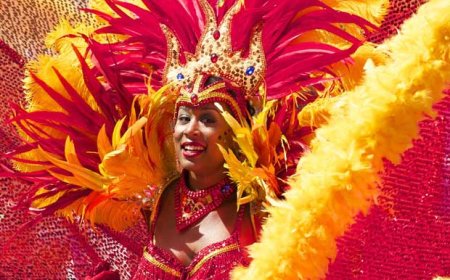
Carnival de Fort-de-France is Martinique’s major annual cultural event held during the four days leading up to Ash Wednesday. It features organized parade groups, traditional characters, Creole music, and the symbolic Vaval effigy that is burned at the end of the festivities. Each day has its own theme—Dimanche Gras processions, Lundi Gras burlesque weddings, Mardi Gras red-devil costumes, and the black-and-white procession of Mercredi des Cendres.

1. Overview of the Carnaval and Its Cultural Significance

Carnaval de Fort-de-France is Martinique’s largest annual cultural event, held in the days leading up to Ash Wednesday.It combines French Caribbean heritage, African influences, and local Creole customs.It is organized mainly by the City of Fort-de-France, cultural associations, and neighborhood groups known as “commands.”Participation includes residents, diaspora communities, and visitors from across the Caribbean.
2. When the Carnaval Takes Place
The event typically spans four major days:
- Dimanche Gras (Fat Sunday)
- Lundi Gras (Fat Monday)
- Mardi Gras (Fat Tuesday)
- Mercredi des Cendres (Ash Wednesday)
Preparations start months earlier with costume workshops, music rehearsals, and parade route planning.
3. Key Traditions That Define the Car naval
A. Parade of Groups and Crews
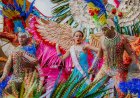
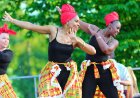
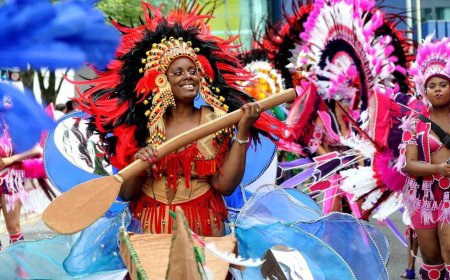
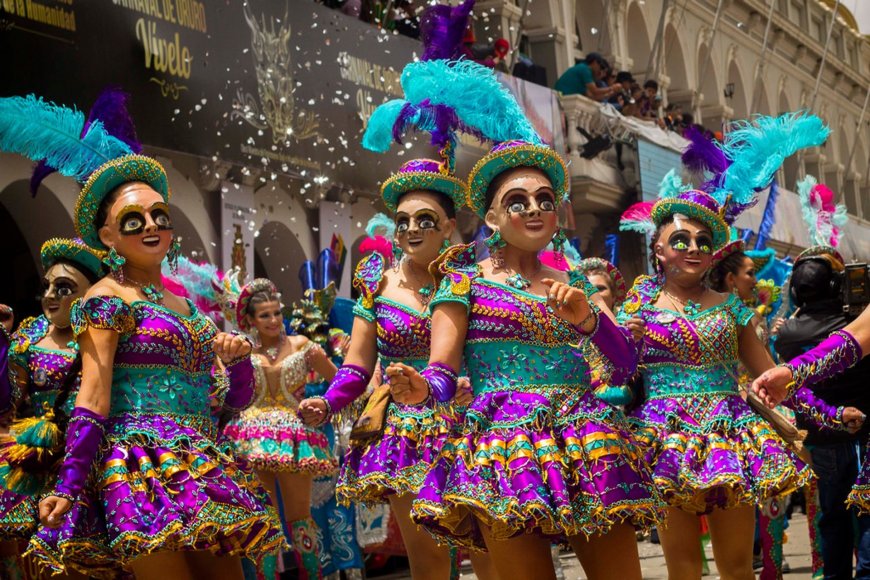
Organized groups wear coordinated costumes and perform choreographed routines.Brass bands (“groupes à pied”) and percussion ensembles lead marches through the main streets.Each group presents a theme reflecting local stories, historical events, or social commentary.
B. The Vaval Figure
Vaval is the symbolic king of the Carnaval.A large effigy, usually made of wood, fabric, and paper, represents topical issues or public concerns of the previous year.Vaval is paraded through the city and eventually burned on Ash Wednesday to mark the end of festivities.
C. Creole Music Forms
Music includes ti-bwa, bale rhythms, drums, and brass instruments.Songs reference local politics, humor, and community life.DJ trucks and modern Caribbean beats accompany younger groups, creating mixed traditions.
D. Costume Categories
Traditional Characters:
- Nèg Gwo Siwo (men covered in molasses and charcoal).
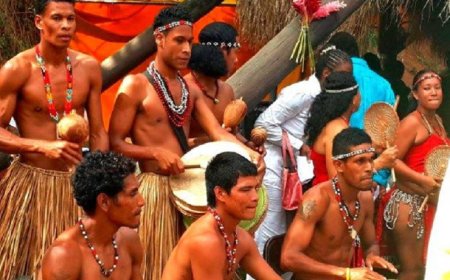
- Mariannes Lapôfig (women in fig-leaf skirts).
- Banda and Devil masks used for satire.
Modern Costumes:
- Thematic outfits reflecting global trends, movies, or current events.
- Produced by seamstresses and design studios across Martinique.
4. The Four-Day Structure Explained
1. Dimanche Gras – Opening Processions
- Groups enter the city center with their first parade.
- Costumes are often colorful and symbolic of traditional culture.
- Bands perform continuously for several hours.
2. Lundi Gras – Burlesque Wedding Day
- Participants dress in reversed gender roles: men wear gowns while women wear suits.
- The parade is built around mock weddings and humorous enactments.
- This tradition reflects community satire and social commentary.
3. Mardi Gras – Red Devils and Community Bands
- Red-and-black costumes dominate the streets.
- Devil masks and fire-inspired outfits appear, symbolizing chaos before Lent.
- Larger sound systems participate, and the parade lasts into the evening.
4. Mercredi des Cendres – Black and White Procession
- Participants dress in black and white to accompany the effigy of Vaval.
- The burning of Vaval on the waterfront marks the official end.
- The ceremony symbolizes letting go of the past year before entering Lent.
5. Economic and Social Impact
Carnaval attracts thousands of attendees, increasing short-term tourism.Local businesses such as food vendors, costume-makers, hotels, and transport providers see increased demand.Cultural associations receive funding and sponsorships for community activities.The event strengthens Creole identity and intergenerational participation.
6. How the City Organizes the Event
The municipality sets parade routes, security perimeters, and emergency-response plans.Street closures and traffic detours are announced days in advance.Safety regulations include designated zones for families, sound control measures for trucks, and first-aid stations.Waste-management teams clean the main streets each night to prepare for the next day’s events.
7. Visitor Tips for 2026 Attendance
Arrive early for each parade day to secure good viewing spots along the main boulevard and Savane Park.Use public transportation or shuttle services because parking is limited during parade hours.Respect costume groups and avoid disrupting choreography or musical formations.Carry water and wear comfortable footwear due to long walking distances.Photography is allowed, but participants appreciate being asked before close-up photos.
8. How Local Communities Prepare for Carnaval
Neighborhood groups rehearse weekly from October to January.Costume workshops operate throughout the island using fabric, recycled materials, and Creole craft elements.Musicians practice with brass, percussion, and traditional instruments.Schools and youth organizations participate in smaller pre-Carnaval events.
9. Influence of Tradition on Modern Celebrations
Modern themes integrate global music and dance trends, including soca, dancehall, and Afro-Caribbean beats.Traditional characters remain central, maintaining historical continuity.Social media platforms help promote group themes, costumes, and parade schedules.Local broadcasters stream major events, expanding international visibility.
10. What Makes Fort-de-France Carnaval Unique in the Caribbean
Emphasis on community-driven participation rather than highly commercialized floats.Strong incorporation of Creole satire and political humor.A structured four-day chronology that ends with the symbolic burning of Vaval.Wide inclusion of traditional characters rarely seen in other regional carnivals.
Carnaval de Fort-de-France continues to be a central expression of Martinique’s cultural identity. Its traditions combine community participation, historical symbolism, and evolving artistic expression. With structured parade days, iconic characters, and strong musical heritage, the event remains one of the Caribbean’s most recognizable cultural celebrations. As preparations expand each year, 2026 is expected to maintain strong participation from local communities and international visitors seeking a clear view of Martinique’s living traditions.
What's Your Reaction?
 Like
0
Like
0
 Dislike
0
Dislike
0
 Love
0
Love
0
 Funny
0
Funny
0
 Angry
0
Angry
0
 Sad
0
Sad
0
 Wow
0
Wow
0