


























Latin American Influences: Blending Cultures in Festivals for 2025-26
Latin American culture is gaining strong international presence as festivals in 2025–26 increasingly blend traditions, modern art, and cross-regional collaboration. Events in Europe, North America, and Latin America highlight this expansion. Hamburg’s Latin American & Caribbean Fall Festival and UNESCO’s Latin American and Caribbean Week show how Latin and European institutions are building cultural bridges. Major music and dance festivals such as Latin Sparks (Canada), Ceremonial (Mexico), and Pal Norte (Mexico) demonstrate the fusion of global and Latin genres.


1. Growing Global Reach of Latin American Culture
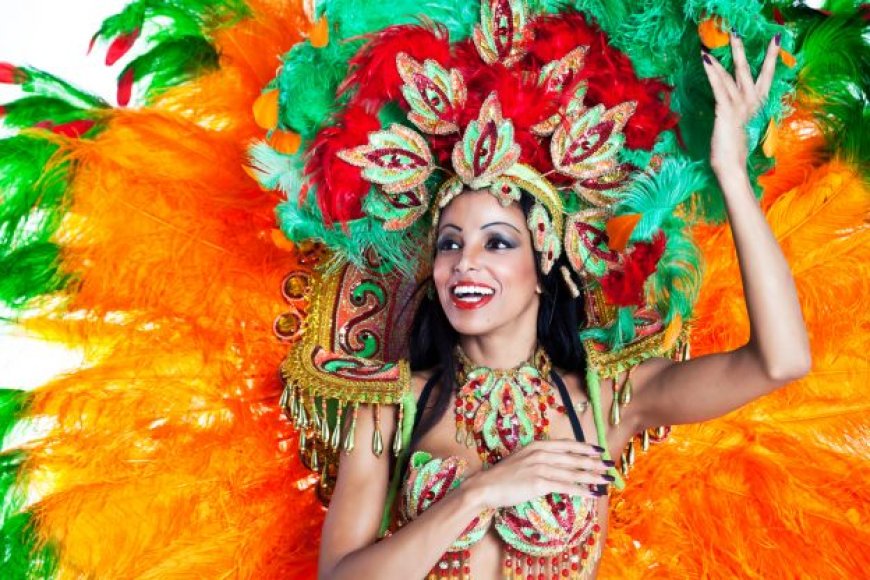
Latin American cultural expression is increasingly visible in global festival circuits. The Latin American and Caribbean Week 2025 at UNESCO in Paris highlights this trend, offering films that emphasize biocultural diversity of the region.Cities outside Latin America are hosting major Latin-themed events, signaling cross-regional interest and cultural exchange.
2. European Festivals as Cross-Regional Bridges
The Latin American and Caribbean Fall Festival (LAC Herbst) in Hamburg (running Sept–Nov 2025) is a clear example.In this edition, artists from Latin America, the Caribbean, and Europe collaborate. The program includes an opening concert that fuses classical music with Latin folk traditions (e.g., works by Piazzolla, Ginastera).Such festivals not only present Latin American culture but also encourage bi-regional dialogue, reinforcing shared identity and mutual influence.
3. Latin American Music & Dance Festivals in the Americas
Latin Sparks Festival (Canada) continues to bring Latin dance culture to North America. Its 2025 edition in Ottawa includes DJs, live bands, dance battles, lessons, Latin street food, and a family-friendly environment.Festival Ceremonia (Mexico City) remains a focal point for alternative music. In 2025, Ceremonia featured a mix of electronica, neo-soul, hip-hop, alt-reggaeton, and corridos tumbados showing how contemporary Latin sounds mix global influences.Pa’l Norte (Monterrey, Mexico) continues its tradition of blending modern genres (rock, electronic) with traditional norteño music.
4. Afro-Latinx Identity and Festival Culture
The 2025 Afro-Latinx Festival at the Museum of Latin American Art (MOLAA) celebrates the cultural blending rooted in the African diaspora and Latin American heritage.
Performances include aerial dance, music, son jarocho (a traditional Mexican genre), and community workshops illustrating how festival programming centers on layered identities (Afro-Latin, queer, diaspora).
5. Latin American Cinema as Cultural Diplomacy
The 40th Guadalajara International Film Festival (June 2025) continues to serve as a cultural meeting point for Latin America and global cinema.This festival supports Ibero-American films, enabling cross-border productions and dialogues on Latin identity, history, and innovation.
6. Traditional and Heritage Festivals with Modern Relevance
Iconic celebrations like the Giant Kite Festival of Sumpango, Guatemala (Nov), blend craft, ancestral memory, and popular participation.Day of the Dead (Nov 1–2, Mexico) remains internationally recognized: it combines indigenous beliefs and Catholic traditions.These festivals are not just tourist attractions; they serve as living laboratories of cultural continuity and hybridization.
7. Latin Influence in Art & Photography
At the PhotoVogue Festival 2025 in Milan, the “Latin American Panorama” exhibition highlighted Latin American and diaspora photography and film.Artists explored themes like nature, identity, and environmental relationship showing how Latin American visual culture is resonating in global art circles.
8. Economic and Industry Signals
The international events industry is taking note: a world summit for event professionals took place in Guadalajara, reflecting how Latin America is not only exporting culture but also hosting industry-level gatherings.These industry signals suggest that Latin American festivals are becoming key economic and cultural drivers, not just regional footnotes.
9. Local Community & Diaspora Engagement
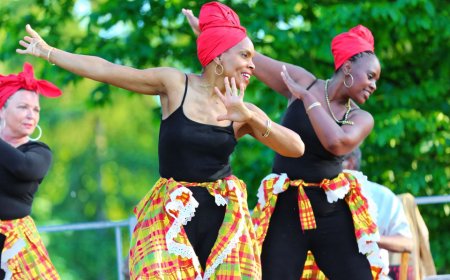
Latin-themed festivals in non-Latin American countries (like Canada, the U.S., Germany) engage both diaspora communities and local audiences, fostering cultural sharing.These events often combine food, dance, music, and visual arts making them platforms for community building and identity reinforcement.
10. Challenges and Tensions
As Latin American culture spreads globally, there is tension around authenticity vs. commercialization. Festivals must balance respect for tradition with innovation.Organizers also navigate political and historical contexts: colonial legacies, economic inequities, and the role of cultural institutions in representation.Logistical challenges remain for cross-border collaboration (visas, funding, infrastructure), especially for smaller or grassroots artists.
11. Trends to Watch (2026)
Hybrid festival formats: Online + physical participation, co-productions across Latin America and Europe.Sustainability and social themes: More festivals may frame their programming around climate change, indigenous rights, and biocultural diversity.Youth-led innovation: Younger artists and curators from Latin America and the diaspora are likely to push new forms digital art, fusion genres, cross-medium collaborations (film + music + performance).
12. Why It Matters
These blended festivals are not just entertainment. They represent a cultural bridge: between past and future, between Latin America and the rest of the world.They help institutionalize Latin American identity globally, fostering mutual understanding and cross-cultural ties.For communities, festivals are a form of soft diplomacy: they build pride, economic opportunity, and connections across borders.
What's Your Reaction?
 Like
0
Like
0
 Dislike
0
Dislike
0
 Love
0
Love
0
 Funny
0
Funny
0
 Angry
0
Angry
0
 Sad
0
Sad
0
 Wow
0
Wow
0