



















UNESCO World Heritage Sites: Exploring History in Santo Domingo and Havana.
Santo Domingo and Havana are two of the most historically important cities in the Caribbean and are recognized as UNESCO World Heritage Sites for their role in early European settlement in the Americas. Santo Domingo, founded in 1498, is the oldest continuously inhabited European city in the region and contains landmarks such as the first cathedral, fortress, and paved street in the New World. Havana, founded in 1519, developed into a major colonial port and military center, protected by extensive fortifications and shaped by centuries of trade and maritime defence. Both cities reflect Spanish colonial urban planning, architecture, and cultural influence, while remaining active, living cities. Their preservation highlights the importance of protecting historical urban centres that continue to play a role in modern Caribbean life.

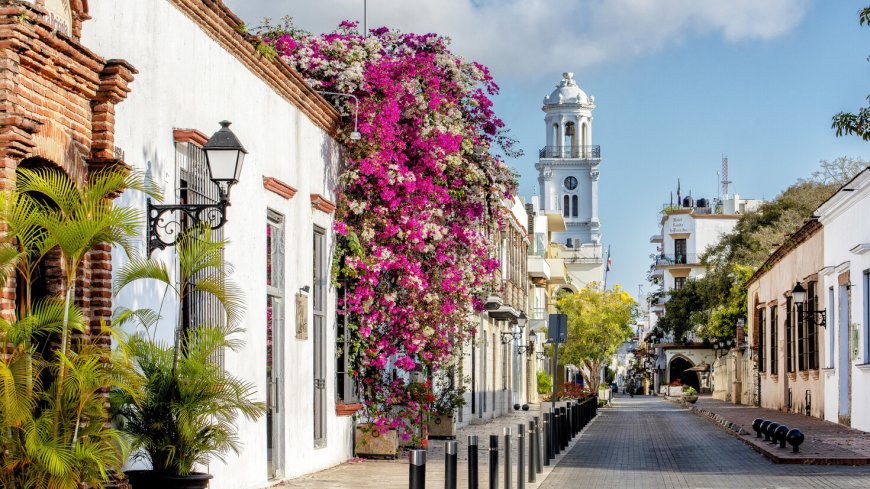
The Caribbean is often associated with beaches and resorts, but it is also home to some of the oldest and most important historic cities in the Americas. Two standout UNESCO World Heritage Sites are Santo Domingo in the Dominican Republic and Havana in Cuba. Both cities played a key role in early European settlement, colonial administration, trade, and cultural exchange. This article explores what makes these cities historically important and why they continue to matter today.

1. What Is a UNESCO World Heritage Site?
A UNESCO World Heritage Site is a place recognized for its cultural, historical, scientific, or natural value to humanity. To qualify, a site must:
Represent a significant stage in human history. Show outstanding architecture or urban planning. Be well preserved and legally protected. Both Santo Domingo and Havana meet these criteria through their historic city centers.
2. Santo Domingo: The First European City in the Americas
a) Historical Background
Founded in 1498 by Bartholomew Columbus, brother of Christopher Columbus. Oldest continuously inhabited European settlement in the Americas. Capital of the Dominican Republic. The historic area, known as the Colonial City (Zone Colonial), was designated a UNESCO World Heritage Site in 1990.
b) Why Santo Domingo Is Important
Santo Domingo served as the administrative centre for Spain’s early colonies in the New World. Many institutions that later spread across the Americas was first established here.
Key contributions include:
- The first cathedral in the Americas
- The first university in the New World
- Early models of European urban planning
c) Major UNESCO-Listed Landmarks
Cathedral Primada de America
- Built between 1512 and 1540, it is the oldest cathedral in the Americas still in use.
Alcázar de Colón
Residence of Diego Columbus, son of Christopher Columbus, and a symbol of early colonial governance.
Fortaleza Ozama
The oldest military structure built by Europeans in the Americas, used to protect the city from attacks.
Calle Las Dames
Considered the first paved street in the New World.
d) Preservation and Current Status
Ongoing restoration projects supported by the Dominican government. Active use of historic buildings as museums, offices, and cultural centres. Balance between tourism, local life, and conservation remains a key focus.
3. Havana: A Living Record of Spanish Colonial Power
a) Historical Background
- Founded in 1519
- Became a major port linking Spain with the Americas
- Strategic military and trade hub in the Caribbean
- Old Havana (Habana Vieja) and its fortification system were added to the UNESCO list in 1982.
b) Why Havana Matters Historically
Havana was one of the most important cities in Spain’s colonial empire due to its location along major shipping routes.
Its importance includes:
- Control of Caribbean Sea trade
- Defence against pirates and rival European powers
- Development of large-scale urban fortifications
c) Major UNESCO-Listed Landmarks
Plaza de la Catedral
- Central Square surrounded by historic buildings, including Havana Cathedral.
- Castillo de la Real Fuerza
- One of the oldest stone forts in the Americas.
- El Morro and San Carlos de la Cabaña Fortresses
- Massive defensive structures guarding Havana Harbour.
- Old Havana Streets and Plazas
- Narrow streets and mixed-use buildings reflect centuries of continuous habitation.
d) Restoration and Modern Challenges
- Extensive restoration led by the Office of the Historian of Havana
- Many restored buildings are used as homes, hotels, museums, and schools
- Challenges include aging infrastructure, limited resources, and climate impacts
- Despite these issues, Havana remains one of the best-preserved colonial cities in the region.
4. Cultural Influence beyond Architecture
These cities shaped culture across the Caribbean and Latin America: Spread of Spanish language and legal systems. Influence on music, religion, and social structure.Canters for education, trade, and governance.Today, festivals, museums, and public spaces keep this history active rather than frozen.
5. Tourism and Responsible Travel
- UNESCO status has increased global interest, but responsible tourism is essential.
Best practices include:
- Respecting protected sites
- Supporting local businesses
- Visiting museums and cultural institutions
- Both cities aim to balance tourism growth with long-term preservation.
6. Why These Sites Still Matter Today
Santo Domingo and Havana are not just historic landmarks. They are living cities that show:
The origins of European settlement in the Americas.How colonial systems shaped modern Caribbean societies.The importance of preserving urban heritage in active communities.Their continued preservation helps future generations understand how the modern world in the Americas began.
7. Conclution
UNESCO World Heritage Sites in Santo Domingo and Havana offer a direct connection to early American history. Through preserved streets, forts, cathedrals, and public spaces, these cities tell the story of exploration, empire, trade, and cultural exchange. For travellers and history enthusiasts, they provide an authentic and educational look at the foundations of the Caribbean and the wider Americas.
What's Your Reaction?
 Like
0
Like
0
 Dislike
0
Dislike
0
 Love
0
Love
0
 Funny
0
Funny
0
 Angry
0
Angry
0
 Sad
0
Sad
0
 Wow
0
Wow
0