


























Vegan Caribbean Eats: Plant-Based Twists on Traditional Dishes 2025-26
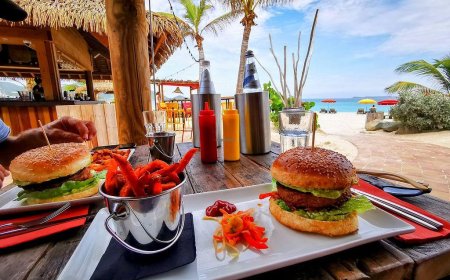
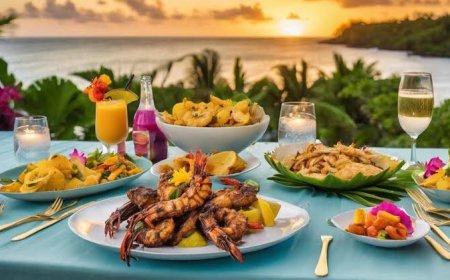
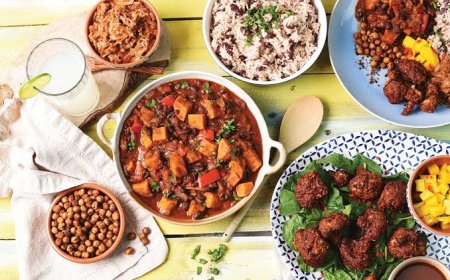
Vegan Caribbean cuisine is rapidly growing in 2025–26 as travellers and locals seek plant-based versions of traditional island dishes. Chefs and restaurants are adapting classics like jerk, pela, callaloo, ackee dishes, and Caribbean curries using ingredients such as jackfruit, mushrooms, chickpeas, coconut milk, and banana blossom. Resorts across Jamaica, Aruba, Barbados, and St. Lucia are expanding vegan menu sections, while street foods like doubles, vegan patties, and dairy-free desserts are becoming more common. The rise of breadfruit, cassava, and other local crops supports sustainable, plant-focused cooking.

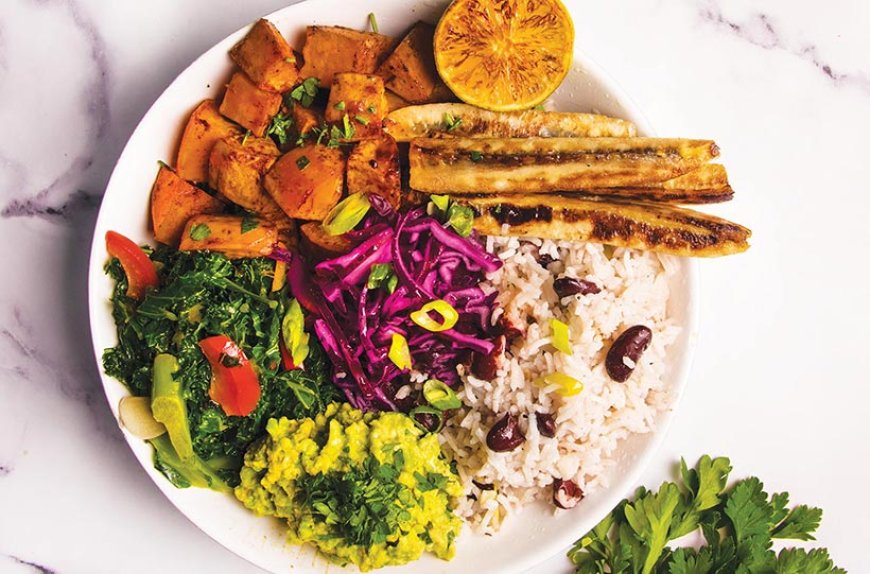
Caribbean food has always relied heavily on fruits, vegetables, herbs, and spices. In 2025-26, more travelers and locals are demanding plant-based alternatives that maintain the region’s core flavors while reducing dairy and meat use. Across Jamaica, Trinidad, Barbados, the Dominican Republic, and the wider Antilles, restaurants, chefs, and home cooks are adapting iconic dishes with plant-forward methods that don’t compromise authenticity.

1. Why Vegan Caribbean Cuisine Is Growing in 2025–26
Tourism demand is shifting: Resorts in Jamaica, Turks and Caicos, and Barbados report increased requests for plant-based menus due to wellness travel, dietary choices, and sustainability concerns.
Local supply chain improvements: Caribbean agriculture programs in 2025 emphasize cassava, breadfruit, callaloo, okra, and sweet potato ingredients ideal for vegan cooking.
Chef-led innovation: Caribbean chefs are developing modern vegan versions of classics to reach global markets.
Rising plant-based imports: Products like coconut milk, soy protein, and pea protein are now widely distributed in major islands.
2. Vegan Jerk: The 2025-26 Breakout Trend
Jerk mushrooms: Oyster and king mushrooms absorb jerk marinade well and replicate texture.
Jerk jackfruit: Increasingly used as a pulled-meat alternative in sandwiches and wraps.
Jerk tofu and chickpea patties: Seen in Kingston food trucks and Ocho Rios resort menus.
Key components remain the same: Scotch bonnet, pimento, thyme, scallions, ginger, and slow-marination methods.
3. Plant-Based Versions of Classic Caribbean Dishes
a. Ital Stew Jamaica’s Vegan Staple
- Rooted in Rastafarian “Ital” principles.
- Uses pumpkin, okra, carrots, Irish potato, coconut milk, and thyme.
- Often thickened naturally with mashed yam.
b. Vegan Callaloo Plates : Trinidad, Grenada, St. Lucia
- Traditionally cooked with crab; now replaced with hearts of palm or mushroom.
- Coconut milk and culantro keep flavors traditional.
c. Plant-Based Pelau : Trinidad
- Mushroom or chickpea-based pelau is increasingly popular.
- Browning sugar technique remains unchanged.
- Paired with pigeon peas and scotch bonnet for depth.
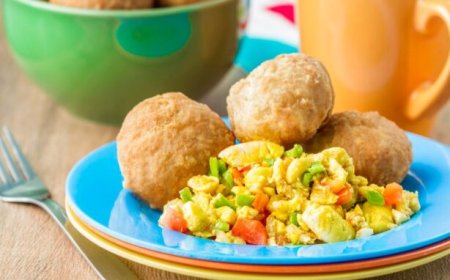
d. Vegan Ackee Plates : Jamaica
- Ackee remains the hero ingredient.
- Saltfish is replaced with chickpeas, jackfruit, or seasoned tofu.
- Still sautéed with bell pepper, onions, thyme, and black pepper.
e. Dairy: Free Caribbean Curries
- Coconut milk replaces dairy entirely.
- Potato, lentils, pumpkin, channa, and cauliflower form the base.
- Popular in Barbados, Trinidad, and Guyana.
4. Breadfruit and Cassava: The 2025–26 Vegan Superstars
Breadfruit flour production is increasing across Jamaica and St. Vincent, making gluten-free vegan roti and bakes more common.Cassava-based innovations include cassava pasta, dumplings, and wraps that feature heavily in vegan menus.Air-fried breadfruit chips are trending in resorts and markets.
5. Vegan Caribbean Street Food on the Rise
a. Trinidad Doubles (Naturally Vegan)
- Channa curry and bara remain unchanged and are increasingly marketed as a vegan street staple.
b. Jamaican Vegan Patties
- Filling options include pumpkin-coconut, lentil, curry chickpea, and callaloo.
c. Barbados Vegan Fish Cakes
- Made from banana blossom, seaweed, or hearts of palm.
d. Dominican Republic Yaniqueque (Fried Dough)
- Adjusted with dairy-free dough and served with plant-based dips.
6. Plant-Based Caribbean Seafood Replacements
- Banana blossom used to mimic flaky fish.
- Seaweed seasoning gives a briny flavor for vegan saltfish or codfish-style dishes.
- Lionfish awareness campaigns encourage vegan alternatives to protect reefs.
- Tofu escovitch marinated with vinegar, carrot, onion, scotch bonnet-appears on menus in Jamaica and Cayman.
7. Vegan Caribbean Desserts Without Dairy
Coconut Drop: Coconut + ginger sweet made without dairy.
Sweet Potato Pudding: Vegan versions swap condensed milk for coconut cream.
Tamarind Balls: Naturally vegan and popular across the islands.
Cassava Pone: Made dairy-free using coconut milk and spices.
8. Expanding Resort & Restaurant Vegan Offerings (2025–26)
All-inclusive resorts in Jamaica, Antigua, Aruba, and St. Lucia are rolling out permanent vegan menus.Cruise lines stopping in Caribbean ports now label vegan dishes more clearly.Local cafés in Kingston, Port of Spain, Bridgetown, Castries, and San Juan offer plant-based bowls and Caribbean-fusion plates.Supermarkets across the Caribbean are stocking more plant-based proteins, enabling wider adoption.
9. Sustainable Angle Driving This Movement
Lower carbon footprint: Plant-based meals reduce pressure on imported animal products.Support for local farmers: More restaurants source vegetables and root crops locally.
Marine protection: Vegan seafood dishes reduce reliance on overfished species.
Food security: Cassava and breadfruit programs increase regional resilience.
10. Tips for Travellers Seeking Vegan Caribbean Food
- Look for “Ital” branding on Jamaican menus.
- Ask for coconut milk substitutions-widely used across islands.
- Check resort buffet labels for vegan icons.
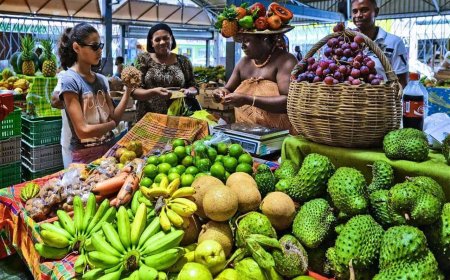
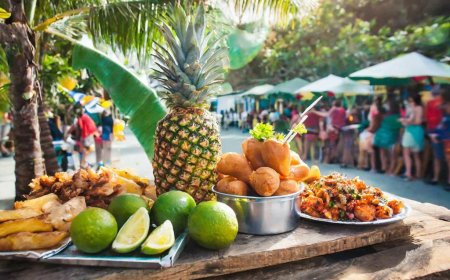
- Visit street markets for fresh tropical fruits and snacks.
- Try local vegan bakeries and small cafés.
- For piscatorial travellers transitioning to vegan, explore banana blossom and seaweed-based dishes.
11. Conclusion
Vegan Caribbean food in 2025-26 keeps the original identity of island cooking while adapting to global dietary shifts. The region’s natural ingredients-yam, plantain, cassava, coconut, okra, callaloo, and breadfruit-make plant-based innovation straightforward and authentic. Whether through jerk mushrooms, chickpea pelau, vegan patties, or dairy-free curries, the Caribbean is proving that its cuisine can be both traditional and forward-thinking.
What's Your Reaction?
 Like
0
Like
0
 Dislike
0
Dislike
0
 Love
0
Love
0
 Funny
0
Funny
0
 Angry
0
Angry
0
 Sad
0
Sad
0
 Wow
0
Wow
0