























Tipping Guide Island-By-Island
Tipping practices across the Caribbean vary significantly from one island to another, making it important for travellers to understand local customs before their trip. Unlike regions with standardized tipping expectations, the Caribbean consists of many independent countries and territories, each with its own tourism industry, labour regulations, cultural traditions, and business practices. Some destinations automatically include service charges in restaurant and hotel bills, while others rely more heavily on voluntary gratuities. Knowing these differences helps travellers avoid both under-tipping and unintentionally paying twice for the same service. Aruba follows tipping customs that are familiar to many North American visitors. Restaurants frequently include a service charge of approximately 10% to 15%, so guests should review their bills carefully before adding additional gratuities. When service charges are not included, leaving approximately 15% to 20% for good restaurant service is generally appreciated. Hotel housekeeping staff often receive small daily cash tips, while bellhops, taxi drivers, sailing crews, fishing guides, snorkelling instructors, and tour operators commonly receive gratuities based on the quality of service provided.

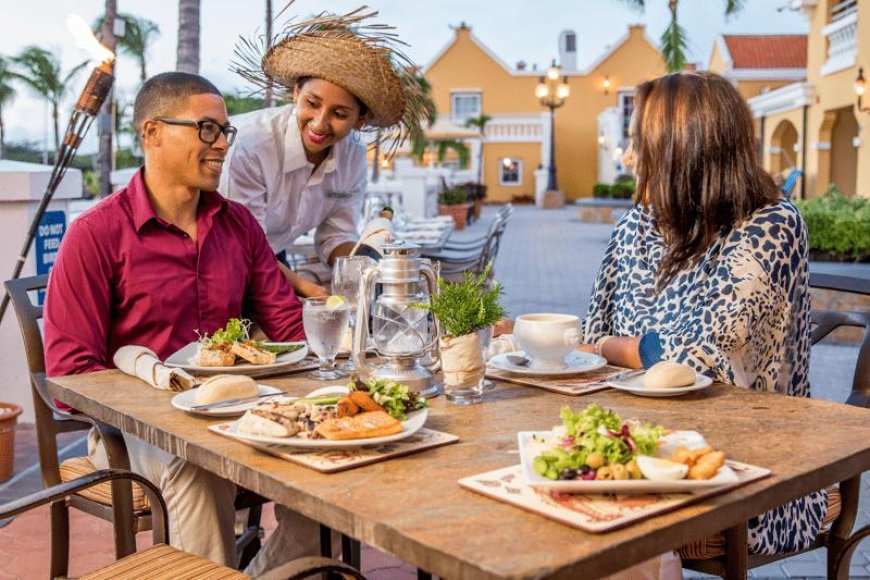

Tipping is a common part of travel throughout much of the Caribbean, but practices vary from one island to another. While some destinations expect gratuities in restaurants, hotels, and transportation services, others automatically include service charges in customer bills. Understanding local tipping customs helps travelers show appreciation for good service while avoiding unnecessary expenses or awkward situations.

Because the Caribbean consists of many independent countries and territories, there is no single tipping standard. Customs are influenced by local labour laws, tourism practices, cultural traditions, and the types of visitors each destination receives. Travelers visiting several islands during one vacation may notice that gratuity expectations change from island to island.
This guide explains how tipping works across the Caribbean and provides practical advice for restaurants, hotels, taxis, tour operators, cruise excursions, and other services. By learning local customs before arriving, visitors can travel confidently while respecting the people who help make their vacation enjoyable.
Why Tipping Matters
For many workers in the Caribbean tourism industry, gratuities represent an important part of their overall income. Hotel staff, restaurant servers, taxi drivers, tour guides, dive instructors, fishing charter crews, spa therapists, and housekeeping employees often rely on tips to supplement their earnings.
At the same time, many Caribbean destinations require businesses to include mandatory service charges on customer bills. This means travelers should always review receipts carefully before adding an additional gratuity.
Understanding when tipping is expected and when it has already been included helps visitors avoid both under-tipping and over-tipping.
Understanding Service Charges
One of the biggest sources of confusion for Caribbean travelers involves service charges.
Many restaurants, hotels, and resorts automatically add a service charge of approximately 10% to 15% to customer bills. This charge may appear under labels such as:
- Service Charge
- Gratuity
- Service Fee
A mandatory service charge does not always go directly to the employee serving you. In some businesses it is distributed among staff members, while in others it helps cover operating expenses.
If excellent service is provided, many travelers choose to leave a small additional cash tip directly for the employee.
Checking your bill before paying helps avoid accidentally tipping twice.
Carry Small Cash
Although credit cards are widely accepted in many tourist destinations, cash remains useful for tipping.
Small bills are particularly helpful when tipping:
- Hotel porters
- Housekeeping staff
- Taxi drivers
- Tour guides
- Boat crews
- Airport assistants
- Beach attendants
Carrying local currency or widely accepted currencies such as U.S. dollars can simplify small gratuities on many islands.
Tipping in the Bahamas
The Bahamas receives millions of visitors each year through cruise tourism, resorts, and independent travel.
Many hotels and restaurants automatically include a service charge ranging from 10% to 15%.
Visitors should always review receipts before leaving additional gratuities.
For restaurants where no service charge appears, leaving approximately 15% to 20% for good service is generally appreciated.
Housekeeping staff often receive daily cash tips left in clearly visible envelopes or accompanied by a short thank-you note.
Hotel porters are commonly tipped for handling luggage.
Taxi drivers appreciate tips when providing helpful service, assisting with luggage, or offering local recommendations.
Tour guides and boat excursion crews often receive gratuities based on the quality and duration of the excursion.
Tipping in Jamaica
Jamaica welcomes millions of tourists each year through resorts, cruise ports, and independent travel.
Restaurants frequently include service charges.
Where no service charge appears, many visitors tip between 10% and 15%.
All-inclusive resorts sometimes advertise that gratuities are included in package prices.
However, individual resort policies differ.
Some luxury resorts discourage additional tipping, while others permit staff to accept gratuities.
Travelers should review resort policies before arrival.
Drivers, excursion guides, rafting guides, diving instructors, and hotel staff generally appreciate tips for excellent service.
Tipping in Barbados
Barbados maintains a well-developed tourism industry with many upscale hotels and restaurants.
Restaurant bills often include service charges of approximately 10%.
If service charges are already included, additional tipping remains optional.
Visitors frequently leave a small extra amount for exceptional service.
Hotel housekeeping, porters, concierge staff, taxi drivers, and private tour guides commonly receive modest gratuities based on service quality.
Tipping in the Dominican Republic
The Dominican Republic combines local labour regulations with international tourism practices.
Many restaurants automatically include a legal service charge as well as applicable taxes.
Even when service charges appear, many customers leave small cash tips directly for servers providing excellent service.
Hotel housekeeping, bartenders, wait staff, excursion leaders, airport transfer drivers, and beach attendants often receive gratuities throughout visitors' stays.
Many travelers carry small denominations specifically for these interactions.
Tipping in Puerto Rico
As a United States territory, Puerto Rico follows tipping customs similar to those found throughout the mainland United States.
Restaurant tipping typically ranges from 15% to 20% before taxes if no gratuity has already been added.
Hotel staff commonly receives gratuities for luggage assistance and housekeeping.
Taxi drivers, rideshare drivers, tour guides, fishing charters, and spa professionals generally receive tips consistent with U.S. travel practices.
Visitors from the United States often find Puerto Rico's tipping expectations familiar.
Tipping in Saint Lucia
Saint Lucia attracts honeymoon travelers, cruise passengers, and eco-tourists.
Many restaurants include service charges around 10%.
Additional tipping remains optional but appreciated for outstanding service.
Tour guides conducting rainforest hikes, zip line excursions, snorkelling trips, and sailing cruises often receive gratuities based upon group size and overall experience.
Hotel staff providing personalized assistance may also receive modest cash tips.
Tipping in Antigua and Barbuda
Restaurants frequently include service charges.
Visitors should verify receipts before adding gratuities.
Taxi drivers who assist with luggage or provide sightseeing commentary often receive additional appreciation.
Private sailing charters, snorkelling excursions, fishing guides, and diving instructors commonly receive tips reflecting the quality of service.
Tipping at All-Inclusive Resorts
Many Caribbean travelers stay at all-inclusive resorts.
These properties often advertise that gratuities are included.
However, policies differ significantly.
Some resorts strictly prohibit employees from accepting additional tips.
Others allow discretionary cash gratuities.
Checking resort guidelines before arrival helps visitors avoid misunderstandings.
Where permitted, many guests choose to reward exceptional housekeeping, bartenders, restaurant servers, and butlers.
Restaurant Tipping Tips
Before leaving gratuities, always review your receipt carefully.
Look for phrases such as:
- Service Included
- Gratuity Added
- Service Charge
If no gratuity appears, tipping approximately 10% to 20% depending on local custom and service quality is generally appropriate.
Cash tips placed directly into the server's hand often ensure the intended employee receives the gratuity.
Hotel Staff
Different hotel employees perform different services.
Travelers commonly tip:
- Housekeeping staff.
- Bellhops.
- Valet attendants.
- Concierge staff.
- Room service attendants.
Maintenance staff that provide special assistance.
Leaving housekeeping tips daily rather than only at checkout ensures the employee cleaning the room that day receives the gratuity.
Taxi Drivers
Taxi tipping varies across the Caribbean.
Many visitors round fares upward or add modest gratuities when drivers assist with luggage, provide local information, or accommodate special requests.
Private drivers providing full-day tours generally receive larger gratuities than drivers completing short transfers.
Tour Guides
Guided experiences often involve extensive preparation and local knowledge.
Visitors frequently tip:
- Walking tour guides.
- Historical guides.
- Nature guides.
- Bird watching guides.
- Fishing guides.
- Cultural guides.
Adventure excursion leaders.
The size of the gratuity often reflects tour duration, group size, and overall service quality.
Boat Crews
Boat excursions represent one of the Caribbean's most popular activities.
- Snorkelling trips.
- Catamaran cruises.
- Whale watching.
- Scuba diving.
- Sunset sailing.
- Deep-sea fishing.
- Private yacht charters.
Crew members typically appreciate gratuities when they provide attentive service throughout the excursion.
Tipping in Aruba
Aruba welcomes millions of international visitors every year, and tipping customs are familiar to many travelers from North America. Most restaurants automatically include a service charge of around 10% to 15%, so checking the bill before adding another tip is important. If no service charge is listed, leaving approximately 15% to 20% for good service is generally appreciated.
Hotel housekeeping staff usually receive a small daily cash tip, while bellhops and porters are often tipped for luggage assistance. Taxi drivers appreciate gratuities when they help with bags or provide friendly service. Tour guides, snorkelling instructors, sailing crews, and fishing charter operators commonly receive additional tips based on the quality of the experience.
Tipping in Curaçao
Curaçao follows similar practices. Many restaurants include service charges, although visitors often leave a small extra cash tip for outstanding service. Hotels generally welcome modest gratuities for housekeeping, concierge staff, and luggage assistance.
Private tour operators, dive instructors, and boat crews frequently depend on gratuities as an important part of their income. Travelers should carry smaller denominations for these situations.
Tipping in Trinidad and Tobago
Tourism is important in Trinidad and Tobago, although business travel also contributes significantly to the economy. Upscale restaurants often include service charges, while smaller local restaurants may not.
Hotel employees appreciate gratuities for excellent service. Taxi drivers may receive small tips by rounding up the fare. Private tour guides, Carnival guides, wildlife excursion leaders, and island sightseeing operators generally receive gratuities according to the length and quality of their services.
Tipping in Grenada
Grenada's tourism industry emphasizes hospitality and personalized service. Many restaurants include a service charge of approximately 10%, making additional tipping optional.
Visitors frequently reward exceptional service with small cash gratuities. Hotel housekeeping, porters, sailing crews, diving instructors, spice plantation guides, and island tour operators appreciate tips that recognize their professionalism and local knowledge.
Tipping in St. Kitts and Nevis
Service charges commonly appear on restaurant bills throughout St. Kitts and Nevis. Travelers should review receipts before adding further gratuities.
Housekeeping staff often receive daily tips, while bell staff are commonly tipped for carrying luggage. Taxi drivers who provide sightseeing commentary or assist with transportation during island tours generally appreciate modest gratuities.
Cruise excursion guides and catamaran crews also frequently receive tips from satisfied guests.
Tipping in the Cayman Islands
The Cayman Islands maintain one of the Caribbean's most developed tourism sectors.
Many restaurants automatically include a service charge ranging from approximately 15% to 18%.
Because gratuities are usually included, visitors should carefully review receipts before leaving additional cash.
Luxury hotels often include service charges as well, although guests sometimes choose to reward exceptional housekeeping, concierge assistance, or personalized butler service separately.
Scuba diving is one of the Cayman Islands' signature attractions. Dive instructors and boat crews appreciate gratuities based on the level of service provided throughout multiple dives.
Tipping in the U.S. Virgin Islands
The U.S. Virgin Islands generally follow tipping customs similar to those found throughout the mainland United States.
Restaurant tipping usually ranges from 15% to 20% if gratuity has not already been included.
Hotel staff, taxi drivers, bartenders, tour operators, fishing charter crews, spa therapists, and excursion guides typically receive gratuities according to U.S. travel customs.
Visitors from the United States often find these practices familiar.
Tipping in the British Virgin Islands
The British Virgin Islands attract sailors, yacht owners, divers, and luxury travelers.
Restaurants frequently include service charges between 10% and 15%.
Private yacht crews often receive gratuities based on the length of the charter and overall guest satisfaction.
Housekeeping staff, marina personnel, diving instructors, sailing guides, and fishing charter crews also appreciate recognition for excellent service.
Tipping in Martinique
Martinique follows many French customs because it is an overseas department of France.
Restaurant prices often include service by law.
Additional tipping is generally optional rather than expected.
Visitors frequently leave small amounts for particularly attentive service.
Hotel staff, taxi drivers, and guides also appreciate modest gratuities, although tipping expectations are generally lower than in some English-speaking Caribbean destinations.
Tipping in Guadeloupe
Guadeloupe follows practices similar to Martinique.
Restaurant service is often included in menu pricing.
Additional tips remain voluntary.
Hotel employees appreciate small gratuities for exceptional assistance.
Guided tours, diving excursions, hiking guides, and boat operators may receive additional tips when visitors feel the service exceeded expectations.
Cruise Excursions
Cruise passengers participate in thousands of Caribbean shore excursions every day.
Whether booking through the cruise line or independently, many guests choose to tip:
- Local tour guides.
- Bus drivers.
- Boat captains.
- Snorkelling instructors.
- Kayak guides.
- Historical guides.
- Adventure activity leaders.
Gratuities often reflect the duration of the excursion and the quality of the experience.
Airport Services
Airport personnel occasionally provide services beyond standard responsibilities.
Travelers sometimes tip:
- Luggage porters.
- Wheelchair assistants.
- Private airport greeters.
- Hotel transfer representatives.
Official airport employees generally follow local regulations regarding gratuities, so travelers should observe local customs and company policies.
Spa Services
Spa treatments remain popular throughout Caribbean resorts.
Many resort spas automatically include gratuities in treatment prices.
Visitors should verify receipts before leaving additional tips.
Massage therapists, aestheticians, nail technicians, and salon professionals appreciate additional recognition when service exceeds expectations and resort policies allow it.
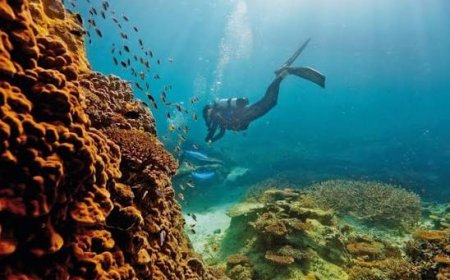
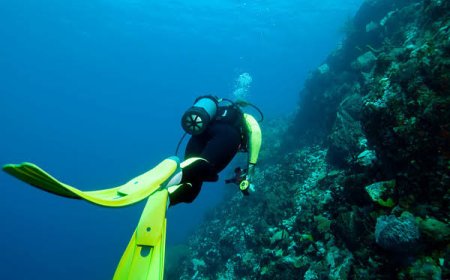
Scuba Diving and Snorkelling Operators
Scuba diving requires extensive professional training and careful attention to safety.
Dive professionals often assist guests with:
- Equipment preparation.
- Safety briefings.
- Boat entry.
- Underwater navigation.
- Marine life identification.
- Equipment cleaning.
Because of this personalized service, gratuities are commonly provided following successful diving experiences.
Snorkelling crews similarly appreciate recognition for excellent customer care.
Golf Courses
Many Caribbean resorts include championship golf courses.
Golfers sometimes tip:
- Caddies.
- Bag attendants.
- Cart attendants.
- Club cleaning staff.
- Course marshals providing exceptional assistance.
Private golf instructors may also receive gratuities depending on local customs and resort policies.
Private Villas
Luxury villa rentals often include dedicated staff.
Depending on the property, services may include:
- Housekeeping.
- Private Chefs.
- Garden maintenance.
- Security personnel.
- Drivers.
- Concierge services.
Management companies frequently provide guidance regarding appropriate gratuities at the end of the stay.
Charter Yachts
Private yacht charters represent one of the Caribbean's most luxurious travel experiences.
Professional crews may include captains, chefs, deckhands, and stewards.
Because crew members provide continuous service throughout the charter, gratuities often reflect the overall quality of hospitality, safety, and guest satisfaction.
Many charter companies provide suggested tipping guidelines before departure.
Local Guides
Local guides contribute valuable knowledge about Caribbean history, wildlife, culture, architecture, food, and traditions.
Whether exploring rainforests, historical sites, rum distilleries, botanical gardens, or wildlife reserves, many visitors choose to reward knowledgeable guides for creating memorable experiences.
Digital Payments
Although cash remains the preferred method for many gratuities, digital payment options are becoming more common across the Caribbean.
Some businesses now accept:
- Credit card tips.
- Mobile payment applications.
- Contactless payment systems.
However, cash remains the easiest option when tipping hotel employees, drivers, and independent guides.
Common Tipping Mistakes
One of the most common mistakes is failing to check whether a service charge has already been added. Another frequent error is assuming every Caribbean island follows identical customs. Travelers should also avoid carrying only large banknotes because employees may not have enough change.
Some visitors forget to carry cash altogether, making it difficult to reward excellent service. Another mistake is waiting until the end of a hotel stay before tipping housekeeping staff, since different employees may clean the room each day.
Respecting Local Customs
Tipping should always reflect appreciation rather than obligation. Respectful interactions, polite communication, and genuine gratitude remain equally important. Learning a few local greetings and thanking employees personally often creates positive interactions that go beyond financial tips.
What's Your Reaction?
 Like
0
Like
0
 Dislike
0
Dislike
0
 Love
0
Love
0
 Funny
0
Funny
0
 Angry
0
Angry
0
 Sad
0
Sad
0
 Wow
0
Wow
0