


















How to Prepare for Junkanoo Like a Local
Preparing for Junkanoo like a local involves much more than simply attending a parade. It requires understanding the cultural significance of the festival, planning transportation and accommodations carefully, respecting local traditions, and being prepared for an overnight celebration filled with music, dance, elaborate costumes, and community pride. Visitors who take the time to learn about Junkanoo's history and traditions often enjoy a richer and more authentic experience while supporting Bahamian culture and local businesses. Choosing the right location to watch the parade is one of the most important decisions for first-time visitors. Bay Street in Nassau serves as the centre of the celebration and hosts many of the official judging performances. Because participating groups perform at their highest level in front of the judges, Bay Street offers one of the most exciting viewing experiences. However, it also attracts the largest crowds, making early arrival essential. Many experienced attendees arrive several hours before the parade begins to secure favourable viewing positions.

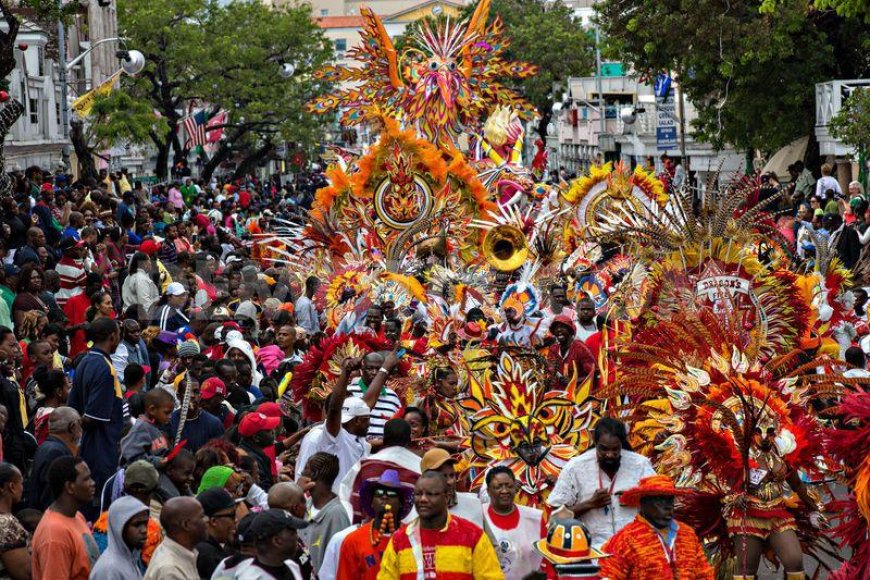
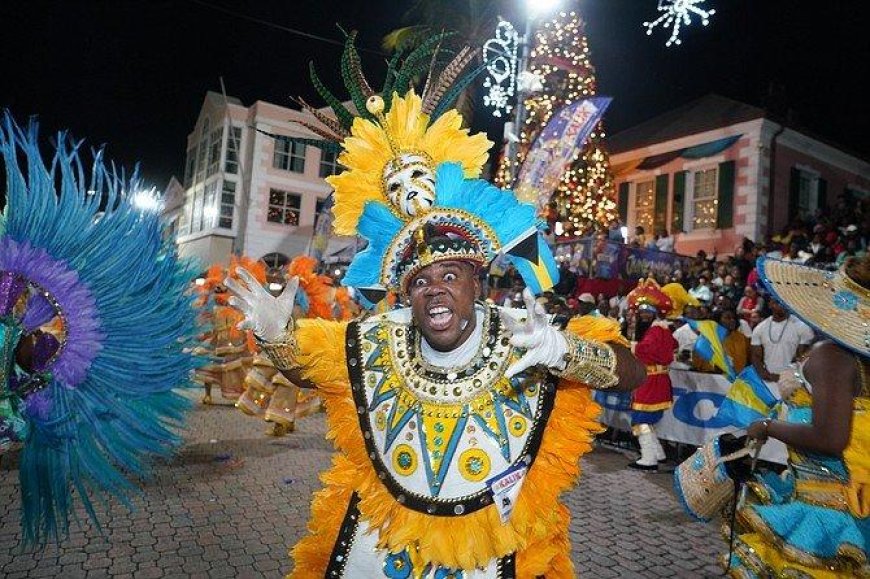
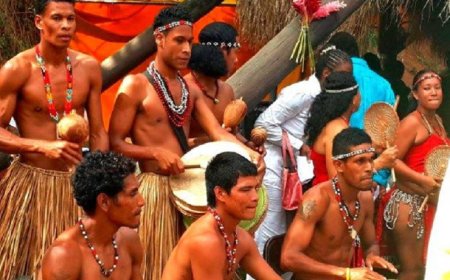
Junkanoo is one of the Caribbean's most recognized cultural celebrations and is closely associated with The Bahamas. Every year, thousands of participants and spectators gather to experience colourful parades, elaborate handmade costumes, energetic dance performances, and the distinctive sounds of goatskin drums, brass instruments, whistles, cowbells, and rhythmic percussion. Although many visitors attend Junkanoo as tourists, understanding the traditions behind the festival and preparing like a local creates a more rewarding and authentic experience.

For Bahamians, Junkanoo is much more than a parade. It represents history, artistic creativity, community pride, friendly competition, and cultural identity. Preparation often begins months before the main celebrations, with community groups spending countless hours designing costumes, building floats, practicing music, and perfecting choreography. Experiencing Junkanoo with an appreciation for its cultural significance allows visitors to connect more deeply with the event while respecting local traditions.
Whether attending the famous Boxing Day Parade, the New Year's Day Parade, or smaller Junkanoo events held throughout the year, proper planning helps visitors enjoy the celebration comfortably and safely.
Understanding the History of Junkanoo
Junkanoo has roots that stretch back several centuries.
Although historians continue to debate certain aspects of its origins, many agree that the festival developed through the traditions of enslaved Africans brought to The Bahamas during the colonial period. During brief holiday periods around Christmas, enslaved communities celebrated with music, dancing, colourful costumes, and processions that gradually evolved into the modern Junkanoo festival.
Over time, additional influences from African heritage, Caribbean culture, European traditions, and local Bahamian customs shaped the celebration.
Today, Junkanoo serves as both a cultural festival and an expression of national identity.
Many Bahamians participate across multiple generations, with families remaining involved in Junkanoo groups for decades.
Why Locals Prepare Months in Advance
Visitors often see only the final parade.
Behind every performance are months of preparation.
Junkanoo groups begin planning long before parade day.
Design teams create costume concepts.
Artists handcraft decorative pieces.
Musicians rehearse complex rhythms.
Dancers practice synchronized routines.
Engineers construct large parade floats and moving displays.
Community volunteers contribute thousands of hours preparing every detail.
Understanding this effort helps visitors appreciate the enormous commitment required to produce the spectacular performances seen during the parade.
Choosing Which Parade to Attend
The Bahamas hosts several Junkanoo celebrations throughout the year.
However, two parades receive the greatest international attention.
The Boxing Day Parade takes place on December 26.
The New Year's Day Parade follows on January 1.
Both events attract large crowds, participating groups, judges, media coverage, and international visitors.
Some islands also organize smaller Junkanoo festivals outside Nassau, allowing travelers to experience local traditions with fewer spectators.
Researching schedules before travelling helps visitors select the experience that best matches their interests.
Booking Accommodation Early
One of the most important preparations involves securing accommodation well in advance.
Hotels near parade routes often sell out months before the major celebrations.
Early reservations provide more accommodation choices and may also result in better prices.
Travelers should consider transportation options between hotels and parade locations, especially when attending early morning performances.
Choosing accommodation within reasonable walking distance may reduce transportation challenges after the parade concludes.
Understanding Parade Timing
Many first-time visitors are surprised that Junkanoo parades often begin late at night and continue into the early morning hours.
Locals understand that attending Junkanoo requires stamina.
Participants may spend the entire night performing.
Spectators often arrive several hours before official starting times to secure favourable viewing locations.
Planning meals, rest periods, transportation, and hydration around this overnight schedule helps visitors remain comfortable throughout the event.
Buying Tickets
Some viewing areas require tickets.
Grandstand seating provides organized viewing with reserved locations.
Street viewing remains available in many areas, although space may become crowded.
Purchasing tickets early is recommended because premium seating frequently sells out before major parades.
Visitors should confirm official ticket sources to avoid fraudulent sales.
Dress Comfortably
Comfortable clothing significantly improves the Junkanoo experience.
Lightweight fabrics suitable for warm tropical weather help visitors remain comfortable throughout long periods of standing or walking.
Comfortable walking shoes are preferable to formal footwear because parade routes may involve extended periods on foot.
Many locals wear colourful clothing reflecting the festive atmosphere while remaining practical for overnight activities.
Rain jackets or light waterproof layers may also prove useful if weather conditions change.
Bring Only Essentials
Experienced Junkanoo attendees travel light.
Essential items typically include identification, payment cards, mobile phones, portable chargers, bottled water, sunscreen for daytime events, and any necessary medications.
Large bags may become inconvenient in crowded areas.
Keeping valuables secure reduces theft risk during busy celebrations.
Stay Hydrated
Although many parade activities occur overnight, warm Caribbean temperatures and crowded conditions increase dehydration risk.
Drinking water regularly throughout the event helps maintain energy levels.
Visitors should avoid waiting until they feel thirsty before drinking fluids.
Many experienced attendees carry reusable water bottles whenever permitted.
Eat Before the Parade
Long parade hours make proper meals important.
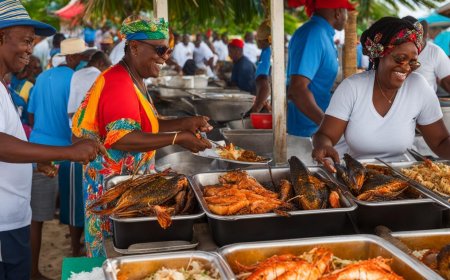
Many local restaurants serve traditional Bahamian dishes before major celebrations.
Eating a balanced meal before arriving helps visitors maintain energy throughout the night.
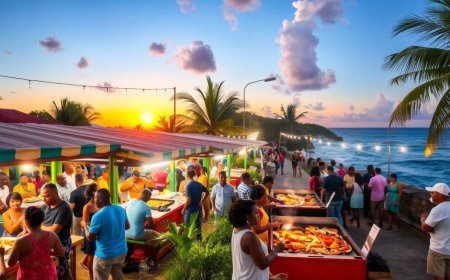
Food vendors are often available near parade areas, although lines may become lengthy during peak periods.
Learn Basic Junkanoo Etiquette
Respect for participants remains an important part of the celebration.
Visitors should avoid interfering with performers moving through parade routes.
Crossing active performance areas disrupts both judging and performances.
Photography is generally welcomed, but asking permission before taking close-up portraits demonstrates courtesy.
Following instructions from event staff and security personnel helps maintain safe conditions for everyone.
Appreciate the Music
Music forms the heart of Junkanoo.
Unlike many parades that rely primarily on recorded sound, Junkanoo performances feature live musicians.
Goatskin drums establish rhythmic foundations.
Cowbells add sharp accents.
Brass instruments create melodic energy.
Whistles help coordinate performers.
Each participating group develops distinctive musical arrangements practiced over many months.
Listening carefully allows visitors to appreciate the complexity behind the performances.
Understand the Costumes
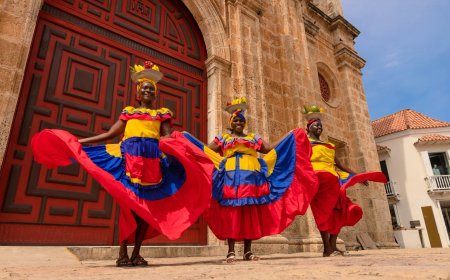
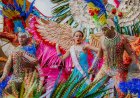
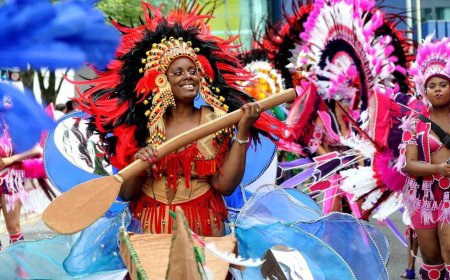
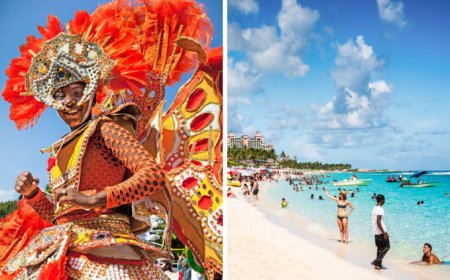
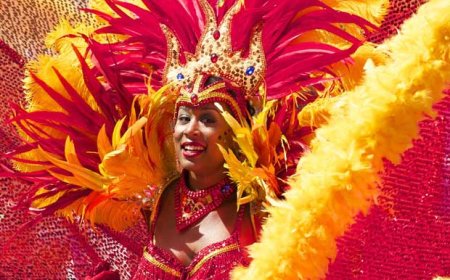
Junkanoo costumes represent remarkable artistic achievement. Many costumes are constructed almost entirely by hand using cardboard, crepe paper, feathers, beads, sequins, and other lightweight decorative materials. Some costumes reach impressive sizes while remaining wearable for dancers. Themes often reflect Bahamian history, wildlife, folklore, international events, or creative artistic concepts. Judges evaluate costume craftsmanship alongside music and choreography.
Support Local Businesses
Attending Junkanoo provides opportunities to support Bahamian businesses.
Visitors can purchase locally made crafts, artwork, clothing, food, and souvenirs from vendors participating in festival activities.
Supporting local entrepreneurs contributes directly to community economic benefits generated by cultural tourism.
Safety Considerations
Junkanoo remains a family-friendly event enjoyed by people of all ages. Nevertheless, visitors should remain aware of their surroundings in crowded environments. Travelling with companions, identifying meeting points, following official guidance, and using licensed transportation services contribute to a safer experience. Emergency services and event staff remain available throughout major celebrations.
Experience More Than the Parade
Many locals enjoy additional cultural experiences surrounding Junkanoo.
Museums, cultural centres, artist workshops, and costume exhibitions provide insight into the festival's history and preparation. Learning about these traditions before attending enhances appreciation for the parade itself.
The Best Places to Watch Junkanoo
Choosing the right viewing location can greatly influence your Junkanoo experience. While every section of the parade route offers excitement, different viewing areas provide different advantages depending on your interests.
Bay Street, Nassau
Bay Street is the heart of the Junkanoo parade and one of the most popular places to watch the performances. Most of the judging takes place along this route, which means participating groups give some of their strongest performances here. Visitors who want to experience the full energy of the competition often choose this location.
Because Bay Street attracts large crowds, arriving several hours before the parade begins is recommended. During Boxing Day and New Year's Day celebrations, spectators often begin gathering well before midnight.
Official Grandstands
For travelers who prefer a more organized experience, official grandstand seating provides reserved seats with excellent views of the performances. Elevated seating allows visitors to watch costumes, choreography, and musical performances without standing for several hours.
Grandstand tickets usually sell out well before the festival, especially for the Boxing Day Parade, so advance booking is highly recommended.
Street-Level Viewing
Many locals prefer watching directly from street level. This allows spectators to feel closer to the musicians and dancers while experiencing the full sound of the drums, whistles, cowbells, and brass bands.
Street viewing offers an energetic atmosphere but requires patience because standing space becomes crowded as parade time approaches.
Understanding the Competition
Junkanoo is not simply a parade.
It is a highly competitive event where participating groups spend months preparing for judging.
Judges evaluate several performance categories, including:
- Music
- Costume design
- Dance choreography
- Originality
- Overall presentation
- Artistic creativity
- Group coordination
- Theme execution
Winning a Junkanoo competition is considered a major achievement, and many groups proudly continue traditions that have existed for generations.
Insider Tips from Local Participants
Experienced Junkanoo participants often share similar advice with first-time visitors.
One of the most common recommendations is to arrive early. Transportation becomes increasingly difficult as roads close and crowds grow larger.
Another important tip is to remain patient. Parade schedules occasionally change, and performances may move more slowly than expected because each group wants to deliver its best presentation for judges.
Locals also recommend taking time to appreciate the craftsmanship behind each costume rather than focusing only on photographs. Many costumes require thousands of hours of manual work.
Finally, respect the performers. Avoid stepping into the parade route or blocking musicians while they perform.
Transportation during Junkanoo
Transportation planning is essential because many roads around downtown Nassau close before the parade begins.
Walking
Visitors staying near downtown hotels often find walking to be the easiest option.
Walking eliminates parking concerns and allows quicker access after the parade ends.
Taxis
Licensed taxis remain available throughout the festival, although demand increases significantly before and after the parade.
Visitors should expect possible delays during peak hours because of temporary road closures.
Rental Cars
Driving is generally less convenient during Junkanoo.
Parking becomes limited, and road closures may require lengthy detours.
Travelers choosing rental cars should review traffic plans before travelling to parade areas.
Photography Tips
Junkanoo provides excellent opportunities for photography.
Bright costumes, live musicians, dancers, and illuminated parade floats create memorable images.
Photographers should remember several practical techniques.
Fast shutter speeds help capture moving dancers sharply.
Higher ISO settings improve image quality during nighttime’s performances.
Wide-angle lenses work well for large parade scenes, while moderate zoom lenses allow detailed costume photography.
Extra batteries and memory cards are highly recommended because the parade lasts several hours.
Flash photography should be used carefully since it may distract performers during competition.
Respecting Cultural Traditions
Visitors should remember that Junkanoo represents an important cultural tradition rather than simply an entertainment event.
Respect includes:
Listening to local guides.
Following security instructions.
Avoiding disruptive behaviour.
Supporting performers through applause and encouragement.
Learning about the history behind the celebration.
Respectful visitors are often welcomed warmly by local communities.
Traditional Bahamian Foods to Try
Food plays an important role during festival celebrations.
Many local restaurants and vendors prepare traditional Bahamian dishes throughout the holiday season.
Conch Salad
Fresh conch salad combines diced conch with tomatoes, onions, peppers, citrus juice, and seasonings.
It remains one of The Bahamas' signature dishes.
Cracked Conch
Tenderized conch is breaded and fried until crispy.
It is commonly served with fries, rice, or local sauces.
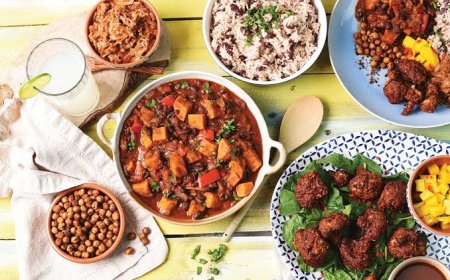
Peas and Rice
Peas and rice accompany many Bahamian meals.
The dish combines rice with pigeon peas, onions, herbs, and seasonings.
Bahamian Stew Fish
Prepared with local fish, tomatoes, onions, peppers, and spices, stew fish is a traditional breakfast enjoyed throughout the islands.
Johnny Cake
Johnny Cake is slightly sweet bread often served alongside seafood and stews.
Guava Duff
Guava Duff is a traditional Bahamian dessert consisting of rolled dough filled with guava and served with a sweet sauce.
Staying Comfortable Throughout the Night
Junkanoo often continues until sunrise.
Visitors should pace themselves.
Short breaks between performances help reduce fatigue.
Comfortable shoes make standing for long periods much easier.
Portable phone chargers ensure communication throughout the night.
Small snacks and water help maintain energy without requiring long waits at food vendors.
Shopping During Junkanoo
Festival periods provide excellent opportunities to purchase locally produced items.
Popular souvenirs include:
- Handmade jewellery.
- Local artwork.
- Wood carvings.
- Straw baskets.
- Traditional clothing.
- Small Junkanoo-inspired decorative items.
- Purchasing directly from local artisans supports Bahamian communities.
Family-Friendly Tips
Families with children can enjoy Junkanoo by planning carefully.
Children should wear comfortable clothing and remain close to parents in crowded areas.
Ear protection may be helpful for younger children because drum performances can be loud.
Parents should establish meeting points in case family members become separated.
Bringing snacks, water, and lightweight jackets also improves comfort during overnight events.
Budgeting for Junkanoo
Although watching portions of the parade may be free, visitors should budget for several additional expenses.
Accommodation prices often increase during the holiday season.
Grandstand tickets require advance purchase.
Meals, local transportation, souvenirs, and optional guided tours should also be included in travel budgets.
Booking flights and hotels several months in advance often helps reduce overall travel costs.
Common Mistakes First-Time Visitors Make
Many first-time visitors underestimate the length of the parade.
Arriving too late often means poor viewing locations.
Some visitors wear uncomfortable shoes, making several hours of standing difficult.
Others forget to bring portable chargers, leaving phones without power before sunrise.
Ignoring hydration is another common mistake.
Many travelers also fail to learn about Junkanoo's cultural history before attending, which limits their appreciation of the performances.
Exploring Beyond Junkanoo
Visitors attending Junkanoo should consider extending their stay to experience additional Bahamian attractions.
Popular activities include visiting historic Nassau, exploring local museums, snorkelling coral reefs, relaxing on nearby beaches, taking boat excursions, and exploring neighbouring islands.
Combining Junkanoo with other cultural and outdoor experiences creates a more complete understanding of The Bahamas.
Sustainable Festival Tourism
Responsible tourism benefits both visitors and local communities.
Travelers can contribute by disposing of waste properly, respecting public spaces, supporting locally owned businesses, purchasing authentic handmade products, and following environmental guidelines. Sustainable tourism helps preserve Junkanoo and Bahamian culture for future generations.
What's Your Reaction?
 Like
0
Like
0
 Dislike
0
Dislike
0
 Love
0
Love
0
 Funny
0
Funny
0
 Angry
0
Angry
0
 Sad
0
Sad
0
 Wow
0
Wow
0