





















Caribbean Caves You Can Explore
The Caribbean is famous for its beaches and tropical landscapes, but it is also home to an impressive network of caves that offer travelers a unique opportunity to explore the region's natural and cultural history. These caves have formed over millions of years through geological processes and today serve as important attractions for adventure tourism, eco-tourism, and educational travel. Most Caribbean caves were created in limestone rock as slightly acidic rainwater slowly dissolved the stone over long periods. This natural process produced underground tunnels, large chambers, rivers, sinkholes, and spectacular mineral formations such as stalactites and stalagmites. Some volcanic islands also contain lava tubes that were formed by flowing lava during ancient volcanic activity.

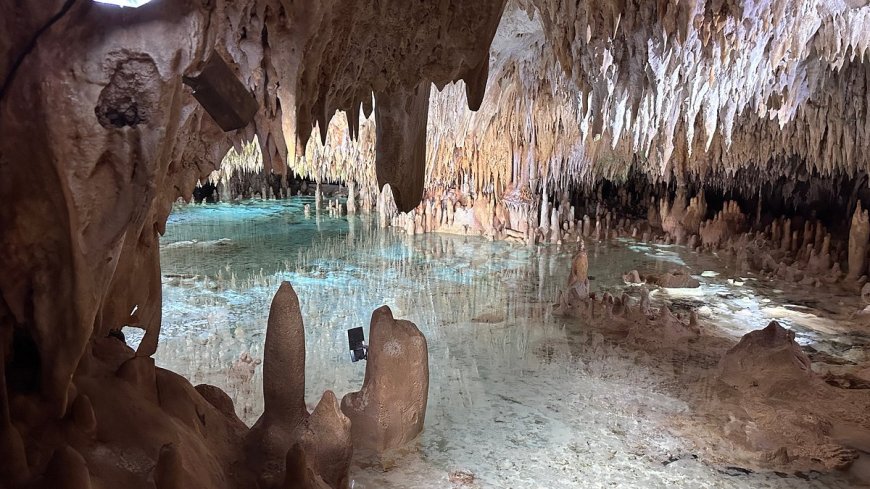
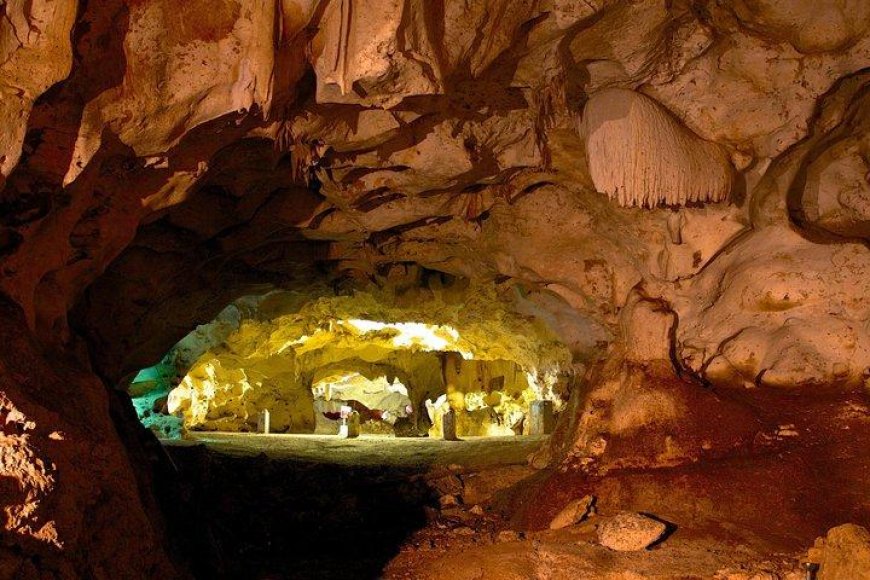
The Caribbean is widely recognized for its beaches, coral reefs, tropical forests, and historic towns, but beneath many of its islands lies another world waiting to be explored. Across the region, thousands of caves have been formed over millions of years through natural geological processes. Some contain underground rivers, while others feature enormous chambers, limestone formations, crystal-clear pools, and evidence of the people who lived on these islands long before European exploration.

Exploring caves offers travelers a different perspective on the Caribbean. Instead of spending the day on a beach, visitors can discover underground landscapes shaped by water, minerals, and time. Many caves are open to tourists through guided tours that explain the geological history, wildlife, archaeology, and cultural importance of each site.
Several Caribbean caves also hold historical significance. Indigenous communities such as the Taíno used caves for ceremonies, shelter, and art. Later, caves served as hiding places during conflicts and became subjects of local legends. Today, governments and conservation organizations work to protect these fragile environments while allowing responsible tourism.
Whether travelers are interested in geology, photography, adventure, or history, Caribbean caves provide experiences that are very different from traditional island vacations.
How Caribbean Caves Were Formed
Most Caribbean caves developed in limestone rock. Rainwater naturally absorbs carbon dioxide from the atmosphere and soil, creating a weak acid that slowly dissolves limestone over thousands and even millions of years. This gradual process creates underground tunnels, chambers, sinkholes, and rivers.
Minerals carried by dripping water eventually form stalactites hanging from cave ceilings and stalagmites rising from cave floors. In some locations these formations grow together into impressive stone columns.
Volcanic islands also contain lava tubes created when flowing lava cools on the surface while molten rock continues moving beneath. Although limestone caves are more common across the Caribbean, volcanic caves provide another type of underground landscape.
These geological processes continue today, although changes usually occur too slowly for visitors to notice during a single visit.
Safety before Entering a Cave
Exploring caves requires preparation. Most tourist caves provide safe walkways, lighting systems, and experienced guides. Visitors should still wear comfortable walking shoes with good grip because cave floors may be wet or uneven.
Loose clothing, waterproof bags, and a reusable water bottle can make the visit more comfortable. Photography is usually permitted, although flash photography may be restricted in areas containing wildlife.
Travelers should always remain with their guide, avoid touching rock formations, and follow all safety instructions. Many cave formations take thousands of years to grow only a few centimeters, and even small amounts of damage can be permanent.
Harrison's Cave, Barbados
One of the Caribbean's most famous underground attractions is Harrison's Cave.
Located in the central highlands of Barbados, the cave is known for its extensive limestone chambers, flowing streams, underground waterfalls, and remarkable stalactites and stalagmites.
Visitors travel through much of the cave using electric tram tours that provide easy access while minimizing environmental impact. Walking tours are also available for travelers seeking a closer look at the cave's geological features.
Educational displays explain how the cave formed and why groundwater continues shaping its interior.
Green Grotto Caves, Jamaica
The Green Grotto Caves are among Jamaica's best-known natural attractions.
Located along Jamaica's northern coast, the caves extend deep into limestone hills and include impressive chambers, underground lakes, and numerous passages.
Throughout history, these caves have served many purposes. Archaeological discoveries suggest that Indigenous people used those centuries ago. During later periods they became hiding places during conflicts and even served military purposes during the twentieth century.
Guided tours explain both the geological development and the historical importance of the caves.
Cueva Ventana, Puerto Rico
Among the most photographed cave destinations in the Caribbean is Cueva Ventana.
Its name, meaning "Window Cave," comes from the large natural opening overlooking the Río Grande de Arecibo valley.
Visitors hike through limestone formations before reaching the famous viewpoint, where the landscape outside appears framed by the cave entrance.
The surrounding area also contains interesting plant species and several bat populations that contribute to the local ecosystem.
Cueva de las Maravillas, Dominican Republic
The Cueva de las Maravillas combines natural beauty with archaeological importance.
Inside the cave, visitors can view hundreds of preserved Indigenous Taíno pictographs and petroglyphs created long before European arrival.
Modern lighting and elevated walkways allow visitors to explore while protecting the fragile environment.
Interpretive guides explain both the cave's geological history and its significance to Caribbean archaeology.
The Bat Caves of Trinidad
Trinidad and Tobago contains numerous caves supporting important bat colonies. Bats play an essential ecological role by controlling insect populations and helping pollinate plants.
Many guided cave tours focus on wildlife conservation and explain how protecting cave habitats benefits the wider Caribbean environment. Visitors are encouraged to minimize noise and avoid disturbing wildlife during their exploration.
Rio Camuy Cave System, Puerto Rico
The Rio Camuy Cave Park contains one of the largest cave systems in the Western Hemisphere. The underground network includes enormous chambers, sinkholes, rivers, and dramatic limestone formations.
Scientists continue studying portions of the system because not every section has been fully explored. Visitors can learn about hydrology, geology, and cave ecosystems while following designated tour routes.
Wildlife Found Inside Caribbean Caves
Caves provide habitats for a variety of specialized wildlife. Bat species are the most common cave inhabitants throughout the Caribbean. These mammals play important ecological roles and are generally harmless when left undisturbed.
Some caves also contain spiders, insects, freshwater crustaceans, frogs, and fish that have adapted to low-light environments.
Because cave ecosystems are highly sensitive, visitors should avoid feeding or disturbing wildlife.
Cave Conservation
Caribbean caves require careful protection.
Growing tourism has increased awareness of the need for conservation. Governments now regulate visitor access to many caves through guided tours, designated walkways, and protected wildlife zones.
Organizations also monitor water quality, bat populations, and archaeological sites to preserve these natural resources for future generations.
Responsible tourism helps support conservation while allowing visitors to enjoy these remarkable underground environments.
Photography Tips
Many caves present unique photography opportunities.
Low-light conditions often require cameras with image stabilization or higher ISO settings. Tripods may be prohibited in some locations because they obstruct pathways.
Visitors should avoid touching formations while taking photographs and should never use lighting that could disturb wildlife.
Natural openings, underground streams, and illuminated rock formations often produce the most memorable images.
Best Time to Visit Caribbean Caves
Most Caribbean caves can be visited throughout the year. However, weather conditions may influence accessibility, particularly during the rainy season when underground water levels can rise. Morning tours often provide smaller crowds and cooler temperatures.
Travelers should check local weather forecasts and confirm operating schedules before visiting, especially after periods of heavy rainfall.
Why Cave Tourism Is Growing
Interest in cave tourism has increased as travelers seek experiences beyond beaches and resorts. Adventure tourism, eco-tourism, and educational travel continue to attract visitors interested in geology, archaeology, wildlife, and photography.
Many Caribbean tourism organizations now promote cave exploration as part of broader nature-based travel experiences.
Conclusion
Caribbean caves reveal a fascinating side of the region that many travelers overlook. From the impressive limestone chambers of Harrison's Cave in Barbados to the historic Green Grotto Caves in Jamaica and the archaeological treasures of Cueva de las Maravillas in the Dominican Republic, these underground landscapes combine natural beauty with cultural significance.
Exploring caves allows visitors to experience the Caribbean's geological history, learn about Indigenous cultures, observe unique wildlife, and appreciate fragile ecosystems that have developed over millions of years. With responsible tourism and proper conservation, these remarkable natural attractions will continue to inspire future generations of travelers and researchers.
What's Your Reaction?
 Like
0
Like
0
 Dislike
0
Dislike
0
 Love
0
Love
0
 Funny
0
Funny
0
 Angry
0
Angry
0
 Sad
0
Sad
0
 Wow
0
Wow
0