









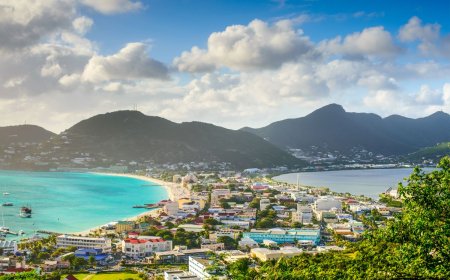





Where to Find Local Seafood Tasting Tours
Seafood tasting tours have become one of the fastest-growing cultural tourism experiences across the Caribbean. Travelers are increasingly interested in exploring local food traditions, fishing communities, seafood markets, beach restaurants, and authentic island cuisine instead of only resort dining. Caribbean seafood culture is deeply connected to coastal life, local economies, history, and community traditions. The Caribbean offers a wide variety of seafood because of its warm tropical waters and coral reef ecosystems. Popular seafood across the region includes lobster, conch, snapper, grouper, shrimp, crab, mahi-mahi, tuna, octopus, flying fish, and oysters. Different islands prepare seafood using unique cooking techniques influenced by African, Indigenous Caribbean, European, Indian, and Creole culinary traditions.

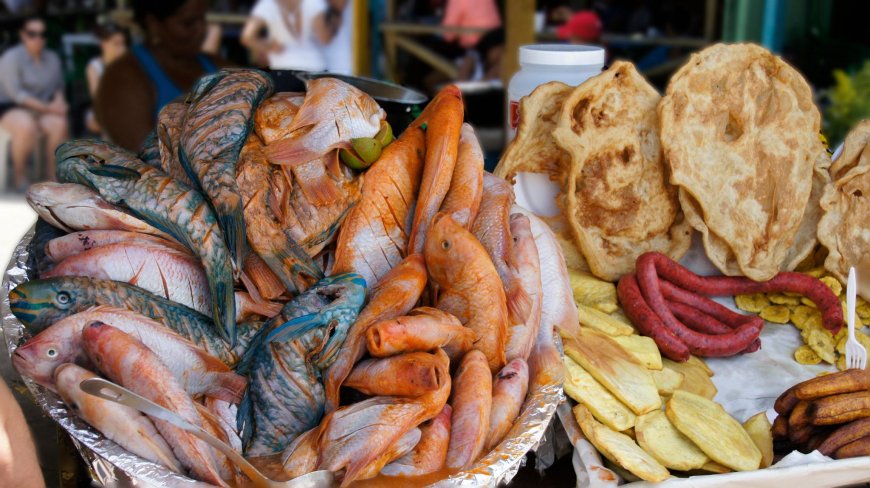
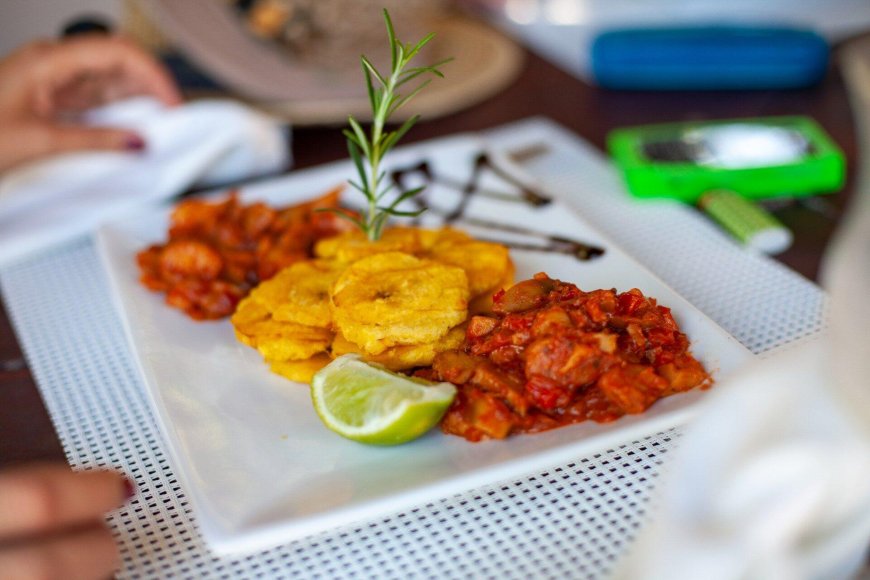
The Caribbean is one of the best seafood regions in the world because of its warm coastal waters, coral reefs, fishing culture, and strong culinary traditions. Seafood is deeply connected to daily life across the islands, and every destination has developed its own cooking style based on local fishing practices, history, and cultural influences. Travelers visiting the Caribbean are now looking for more than beaches and resorts. Many visitors want local food experiences that allow them to explore authentic island culture through seafood tasting tours, fishing village visits, dockside restaurants, seafood festivals, cooking demonstrations, and market tours.

Seafood tourism has become one of the fastest-growing parts of Caribbean travel. Across the region, tourism boards, local chefs, fishing communities, and culinary tour operators are building experiences focused on local ingredients and traditional recipes. These tours help travelers understand how seafood connects to Caribbean history, coastal communities, tourism economies, and cultural identity.
The Caribbean Sea supports a large variety of seafood including lobster, conch, snapper, grouper, shrimp, mahi-mahi, crab, octopus, tuna, kingfish, oysters, and flying fish. Local cooks prepare these ingredients using regional spices, grilling methods, coconut sauces, pepper seasoning, and slow-cooking techniques passed through generations.
Modern seafood tasting tours often include market visits, beach cooking events, street food stops, seafood festivals, fishing excursions, rum pairings, and local storytelling. Some tours focus on luxury dining while others highlight traditional fishing communities and small family-owned restaurants.
The Caribbean’s seafood culture has been shaped by African traditions, Indigenous Caribbean heritage, European colonial history, Indian migration, and maritime trade. Each island developed its own culinary identity over centuries, making seafood tourism highly diverse across the region.
This article explains where travelers can find the best local seafood tasting tours in the Caribbean and how different islands offer unique seafood experiences connected to local culture and coastal traditions.
Bahamas Seafood Tasting Tours
The Bahamas is one of the Caribbean’s top seafood destinations because of its extensive coral reef systems and shallow fishing banks. Seafood culture in the Bahamas is strongly connected to conch harvesting and lobster fishing. Conch is one of the country’s national foods and appears in many tasting tours throughout Nassau, Exuma, and Andros.
Many seafood tours in Nassau focus on the famous Fish Fry area at Arawak Cay. Visitors can sample cracked conch, conch salad, grilled lobster, fried snapper, and seafood chowder while learning about Bahamian fishing traditions. Local vendors often prepare fresh conch directly in front of guests by mixing diced conch meat with tomatoes, peppers, onions, citrus juice, and island seasoning.
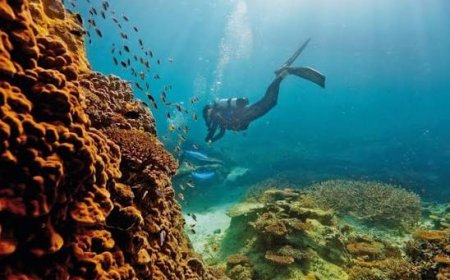
Seafood tours in the Exumas often combine fishing excursions with private beach lunches. Travelers may join local guides for reef fishing trips before eating freshly grilled seafood on sandbars or remote beaches. Some tours also include snorkelling stops near coral reefs before seafood meals are served.
Andros Island offers more community-based seafood experiences. Fishing villages there specialize in traditional Bahamian seafood preparation methods that have changed little over the years. Visitors can explore local docks, seafood markets, and family-run restaurants where recipes focus heavily on fresh catch preparation instead of luxury presentation.
Lobster season is another important part of Bahamian seafood tourism. During peak season, many tours focus on lobster diving demonstrations, dockside cooking events, and beachside seafood festivals. Luxury resorts increasingly include seafood tasting dinners paired with local rum and Caribbean cocktails.
Jamaica Seafood Tours
Jamaica has one of the Caribbean’s strongest street food cultures, and seafood plays a major role in local cuisine. Jamaican seafood tasting tours are popular in Montego Bay, Ocho Rios, Kingston, Negril, and Treasure Beach. These tours focus heavily on local cooking methods and community food culture rather than formal dining experiences.
Escovitch fish is one of Jamaica’s most recognized seafood dishes. The meal typically includes fried fish topped with spicy pickled vegetables and peppers. Seafood tours often include stops at beach restaurants where guests watch fish being seasoned and fried immediately after being caught.
Montego Bay seafood tours commonly combine seafood tastings with rum bars and local music venues. Visitors may sample pepper shrimp, curry lobster, grilled snapper, jerk fish, and roast fish while learning about Jamaican culinary history.
Treasure Beach on Jamaica’s South Coast offers a more traditional fishing village atmosphere. Seafood experiences there focus on small-scale local fishing communities rather than resort tourism. Travelers often join fishermen early in the morning before returning to beach restaurants where seafood is prepared directly from the day’s catch.
Port Royal near Kingston also remains an important seafood destination because of its historical connection to Jamaica’s maritime history. Many seafood tours include storytelling about pirates, colonial trade, and fishing culture while guests eat fried fish, bammy bread, lobster, and seafood soup.
Jamaican seafood festivals continue growing in popularity because travelers increasingly seek authentic cultural experiences beyond hotel dining. Local chefs frequently combine seafood tasting events with reggae music, cooking competitions, and cultural performances.
Barbados Seafood Experiences
Barbados is known for its strong fishing culture and famous flying fish cuisine. Seafood tasting tours in Barbados often focus on traditional Bajan cooking methods and community food gatherings. The island’s seafood industry remains closely tied to local markets and fishing villages.
The most famous seafood attraction in Barbados is the Oistins Fish Fry. This weekly gathering attracts both locals and tourists looking for grilled seafood, fried fish, fish cakes, lobster, tuna cutters, and flying fish dishes. Seafood tours usually include guided visits to Oistins because it represents one of the strongest examples of Caribbean food culture mixed with community nightlife.
Flying fish remains one of Barbados’ most important seafood ingredients. Many seafood tasting tours explain the history of flying fish within Barbadian culture and how the fish became part of the island’s national identity.
Local seafood tours often include:
- Fish market visits
- Harbor tours
- Cooking demonstrations
- Rum tastings
- Beach dining experiences
Some operators take travelers directly to fish landing sites where fishermen unload fresh catches before seafood is cooked nearby.
Luxury resorts in Barbados increasingly partner with local chefs to offer reef-to-table seafood dinners using seasonal fish and locally sourced ingredients. Sustainable fishing discussions are also becoming common because reef protection and marine conservation now play larger roles in tourism planning.
St. Lucia Seafood Tours
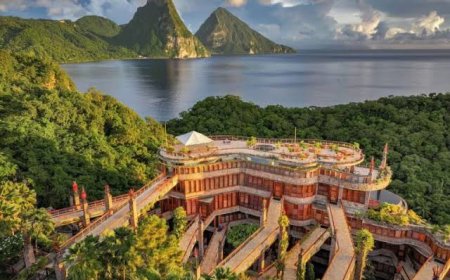
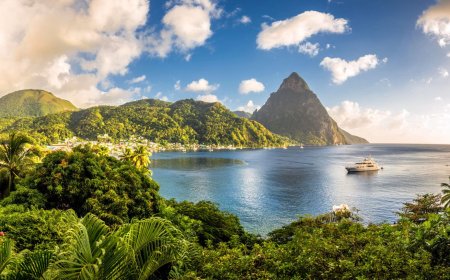
St. Lucia combines seafood tourism with luxury coastal travel and Creole culinary traditions. Seafood tours are especially popular in Soufriere, Castries, Rodney Bay, and fishing villages along the western coast.
Many St. Lucia seafood experiences include catamaran cruises where guests enjoy grilled lobster, shrimp, snapper, and seafood stews while travelling along the coastline. These tours often combine snorkelling, beach stops, and seafood lunches in one experience.
One of the island’s most famous seafood events is the Anse La Raye Fish Fry. Every week, the fishing village transforms into a large seafood market with grills, seafood stalls, local music, and street dining. Travelers can sample:
- Creole fish stew
- Fried snapper
- Seafood kebabs
- Grilled lobster
- Coconut seafood soup
Seafood tasting tours in St. Lucia also emphasize local spices and Creole cooking methods influenced by African and French culinary traditions.
Fishing village tours are becoming increasingly important because travelers want more interaction with local communities instead of only resort dining experiences. Visitors often meet fishermen, watch seafood preparation, and learn about traditional net fishing practices.
Luxury culinary tourism is also growing quickly in St. Lucia. Several resorts now organize chef-led seafood tastings paired with Caribbean rum, tropical fruit sauces, and local farm ingredients.
Trinidad and Tobago Seafood Culture
Trinidad and Tobago has one of the Caribbean’s most diverse food cultures because of African, Indian, Chinese, and Creole influences. Seafood tasting tours here often focus heavily on street food and local markets.
One of the country’s most famous seafood dishes is bake and shark, especially popular at Maracas Beach in Trinidad. Seafood tours frequently bring travelers to local beach stalls where fried shark is served inside fried bread with pepper sauces, garlic sauces, pineapple chutney, and fresh vegetables.
Curry crab and dumplings is another major seafood attraction. This dish reflects Indian influence on Trinidadian cuisine and remains highly popular in Tobago seafood tours.
Seafood experiences across Trinidad and Tobago often include:
- Oyster tastings
- Crab dishes
- Fish broth
- Fried kingfish
- Shrimp curry
- Seafood street food
Tobago offers a calmer seafood tourism atmosphere focused more on reef fishing, snorkelling excursions, and beach grilling experiences. Buccoo Reef tours frequently combine coral reef snorkelling with seafood lunches prepared by local cooks.
Seafood markets in Trinidad provide some of the region’s most energetic culinary environments. Vendors prepare seafood using strong spice blends, fresh herbs, and cooking techniques that reflect the country’s multicultural history.
Cayman Islands Seafood Tourism
The Cayman Islands are known for upscale culinary tourism and luxury seafood dining. Seafood tasting tours here often target travelers seeking high-end food experiences combined with marine tourism.
Popular seafood in the Cayman Islands includes:
- Tuna
- Wahoo
- Lobster
- Conch
- Snapper
- Lionfish
Lionfish tasting tours have become especially important in recent years because lionfish are invasive predators harming Caribbean reef ecosystems. Restaurants and seafood tour operators now encourage visitors to eat lionfish as part of marine conservation efforts.
Grand Cayman hosts several major culinary events where seafood tasting plays a central role. Visitors can attend chef demonstrations, seafood festivals, and sustainable fishing workshops while exploring local restaurants and beach dining areas.
Luxury seafood tours frequently combine:
- Private boat charters
- Reef snorkelling
- Seafood lunches
- Rum pairings
- Sunset dining experiences
Many resorts now promote reef-to-table seafood menus using locally caught fish and sustainable sourcing programs.
Belize Seafood Adventures
Belize has become one of the Caribbean’s most important seafood tourism destinations because of its barrier reef system and fishing culture. Seafood tasting tours are especially popular in San Pedro, Caye Caulker, and Placencia.
Belize lobster festivals attract large numbers of international visitors every year. These festivals include seafood competitions, lobster tastings, beach parties, and fishing events. Seafood tourism in Belize is strongly connected to reef conservation because the Belize Barrier Reef is one of the world’s most important marine ecosystems.
Many seafood tours combine:
- Snorkelling
- Reef fishing
- Seafood cooking classes
- Market visits
- Beachfront seafood dinners
Local guides often explain how climate change, coral bleaching, and sustainable fishing policies affect Belize’s seafood industry.
Traditional Belizean seafood dishes include:
- Coconut fish stew
- Grilled lobster
- Garlic shrimp
- Fry jacks with seafood
- Creole fish dishes
Travelers looking for less commercial seafood experiences often visit smaller fishing villages where local cooks still prepare meals using traditional recipes and open-fire cooking methods.
Dominican Republic Seafood Experiences
The Dominican Republic has one of the Caribbean’s largest tourism industries, and seafood tasting tours are expanding rapidly beyond all-inclusive resorts. Coastal regions such as Samana, Punta Cana, Puerto Plata, and La Romana offer strong seafood tourism experiences.
Seafood tours commonly include:
- Red snapper
- Octopus
- Shrimp
- Crab dishes
- Coconut seafood rice
- Fried fish platters
Samana Peninsula is especially famous for seafood tourism because of its fishing villages and coastal restaurants. Visitors often combine whale-watching excursions with seafood lunches and local market visits.
Seafood-focused boat tours are becoming increasingly popular in Punta Cana where travelers enjoy seafood meals during catamaran cruises and island excursions.
Local culinary guides increasingly emphasize authentic Dominican seafood traditions rather than resort-style international menus. Travelers are encouraged to visit local fish markets, dockside restaurants, and family-run beach eateries.
Sustainable Seafood Tourism in Caribbean
Sustainability has become a major topic in Caribbean seafood tourism. Many islands now face concerns related to:
- Overfishing
- Coral reef decline
- Climate change
- Coastal pollution
- Marine biodiversity loss
As a result, seafood tours increasingly include educational components focused on responsible seafood practices.
Tour operators now promote:
- Seasonal seafood consumption
- Lionfish harvesting
- Reef-safe tourism
- Sustainable lobster fishing
- Community-based tourism
Several islands have introduced seafood festivals and culinary programs focused on marine conservation awareness.
Travelers are becoming more interested in knowing:
- Where seafood comes from
- How fish are caught
- Which species are sustainable
- How reefs are protected
This shift is changing the structure of Caribbean culinary tourism. More tours now focus on education, environmental awareness, and direct interaction with fishing communities.
Seafood Festivals across Caribbean
Seafood festivals have become major tourism attractions across the Caribbean region. These festivals combine local culture, music, community celebration, and food tourism in one environment.
Important seafood festivals include:
- Bahamas Conch Festivals
- Belize Lobster Festivals
- Barbados Fish Festivals
- Tobago Blue Food Festival
- Cayman seafood events
- Jamaica seafood celebrations
Festival experiences often include:
- Cooking competitions
- Street seafood markets
- Chef demonstrations
- Rum tastings
- Live music
- Fishing contests
These events help support local economies while preserving regional seafood traditions.
Many travelers now plan Caribbean vacations specifically around food festivals and culinary tourism events rather than only beaches or resorts.
Conclusion
Seafood tasting tours have become one of the Caribbean’s strongest cultural tourism experiences. They allow travelers to connect with local communities, fishing traditions, culinary history, and marine culture in ways that standard resort tourism often cannot provide.
Different islands offer different seafood identities shaped by history, geography, and cultural influence. The Bahamas focuses on conch and lobster traditions, Barbados celebrates flying fish culture, Jamaica emphasizes street seafood and fishing villages, Trinidad and Tobago combine multicultural seafood flavors, and Belize connects seafood tourism closely with reef conservation.
Modern travelers increasingly seek authentic experiences involving local food, community interaction, and cultural learning. Seafood tasting tours meet these expectations while supporting local businesses, fishing communities, chefs, and small tourism operators.
Sustainable seafood tourism will likely become even more important across the Caribbean in the coming years as islands work to protect marine ecosystems while expanding tourism economies.
For visitors looking to experience Caribbean culture beyond beaches and resorts, seafood tasting tours provide one of the most direct and memorable ways to explore island life through food, history, and coastal traditions.
What's Your Reaction?
 Like
0
Like
0
 Dislike
0
Dislike
0
 Love
0
Love
0
 Funny
0
Funny
0
 Angry
0
Angry
0
 Sad
0
Sad
0
 Wow
0
Wow
0