














Street Art Tours in Caribbean Capitals
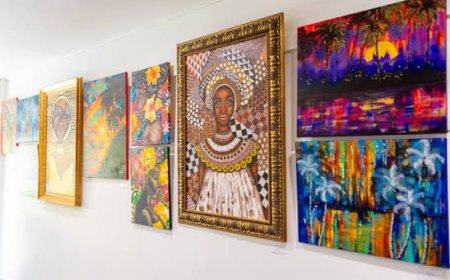
Street art tours have become an increasingly popular cultural tourism activity in Caribbean capitals. These tours allow visitors to explore cities through murals, public art installations, and urban creative spaces while learning about local history, culture, music, social issues, and community identity. Unlike traditional museums, street art is displayed in public spaces, making it accessible to both residents and tourists. Many Caribbean cities have embraced street art as a tool for urban renewal, cultural expression, and tourism development. Public murals often reflect local heritage, historical events, national pride, environmental concerns, and everyday life. As a result, neighborhoods that were once overlooked have become important cultural attractions.

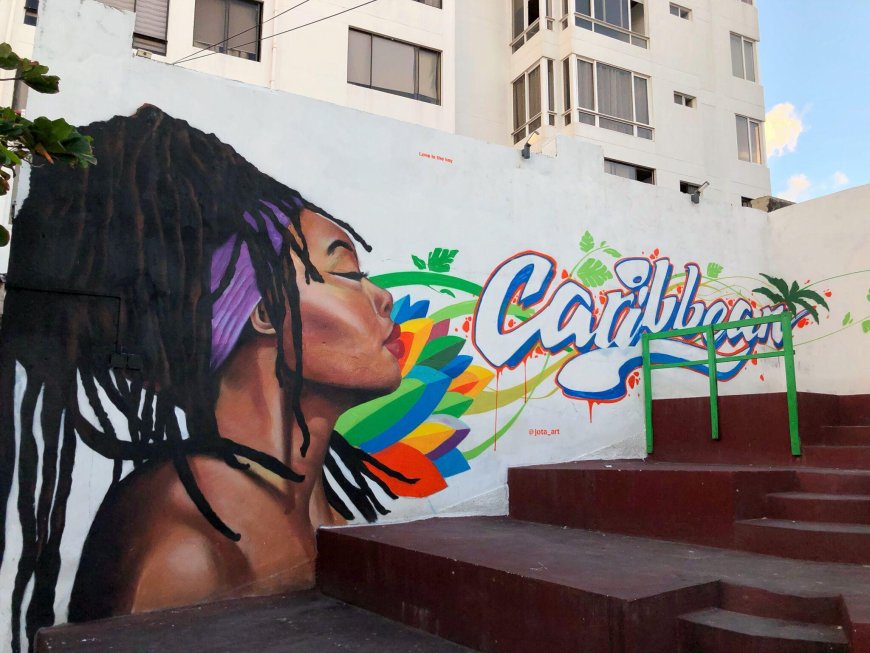
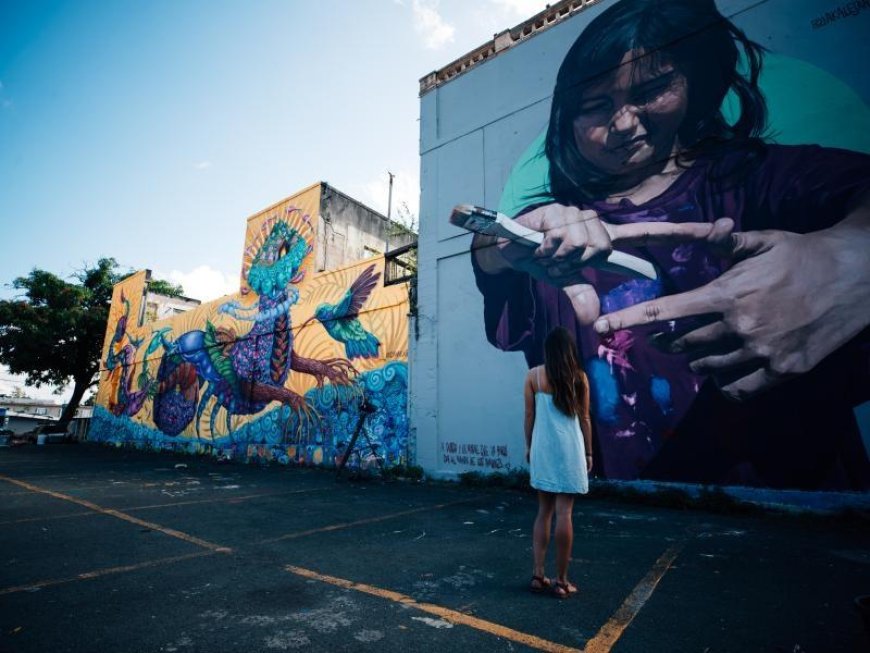
Street art has become one of the most visible and accessible forms of cultural expression across the Caribbean. While the region is often associated with beaches, resorts, and natural attractions, many Caribbean capitals have developed vibrant urban art scenes that tell stories about history, identity, politics, music, social issues, and community life. Large murals, painted walls, public installations, graffiti projects, and community art initiatives have transformed neighbourhoods into open-air galleries that attract both residents and visitors.

Over the past decade, street art tourism has grown significantly throughout the Caribbean. Travelers are increasingly interested in exploring local culture beyond traditional tourist attractions. Street art tours provide a unique opportunity to understand how artists interpret their societies and respond to current events. Unlike museum exhibitions, street art is integrated into daily life. It appears on buildings, alleyways, public squares, waterfront districts, and residential communities, creating an authentic connection between art and the people who live around it.
Caribbean capitals have embraced this movement in different ways. Some cities support public mural programs, while others host international street art festivals that invite artists from around the world. These projects not only beautify urban areas but also stimulate tourism, encourage community participation, and provide platforms for young artists.
Street art tours allow visitors to discover hidden parts of cities while learning about local history, culture, and social change. Guides often explain the stories behind murals, introduce visitors to local artists, and provide context that helps people understand the meaning behind the artwork.
As cultural tourism continues to grow, street art is becoming an increasingly important attraction in many Caribbean capitals.
The Growth of Street Art Tourism in the Caribbean
Street art tourism has evolved rapidly as travelers seek more immersive cultural experiences. In many Caribbean cities, public art has become a tool for urban revitalization and community engagement.
Historically, street art was often viewed as unauthorized graffiti. Today, attitudes have changed considerably. Governments, tourism organizations, businesses, and cultural institutions increasingly recognize street art as a valuable cultural asset. Large-scale murals can transform neglected spaces into attractions that draw visitors and encourage local pride.
The growth of social media has also contributed to this trend. Travelers frequently share photographs of colourful murals and creative urban spaces, helping destinations gain international visibility. Street art locations often become popular photography spots, encouraging further tourism activity.
Street art tours appeal to a wide range of travelers, including art enthusiasts, photographers, students, historians, and visitors interested in contemporary culture. These tours provide insights that may not be available through traditional sightseeing experiences.
Many Caribbean capitals now include street art as part of broader cultural tourism strategies. Walking tours, cycling tours, and guided cultural excursions frequently incorporate public art sites alongside historic landmarks and local markets.
San Juan, Puerto Rico
San Juan has developed one of the Caribbean's most recognized street art scenes. The city's murals reflect a mixture of cultural pride, social commentary, music, environmental concerns, and historical identity.
The district of Santurce has become the center of urban art activity. Once known primarily as a residential and commercial area, Santurce has evolved into a cultural hub filled with galleries, performance spaces, restaurants, and public art installations. Large murals cover entire building facades, transforming streets into outdoor exhibition spaces.
One of the major influences on San Juan's street art development has been community-focused mural programs. Local artists collaborate with residents to create works that reflect neighbourhood history and social experiences. These projects strengthen community identity while attracting cultural tourists.
Street art tours in San Juan typically explore several neighborhoods while discussing the evolution of Puerto Rican urban art. Guides explain how artists address issues such as migration, cultural preservation, economic challenges, and environmental protection.
Many murals incorporate symbols connected to Puerto Rican heritage, including traditional music, indigenous influences, and historical figures. The result is a dynamic visual landscape that offers visitors a deeper understanding of local culture.
Santo Domingo, Dominican Republic
Santo Domingo combines colonial history with a growing contemporary street art movement. While the city is famous for its historic colonial district, newer neighbourhoods have become important centers for urban artistic expression.
Street art in Santo Domingo often reflects social themes, national identity, music culture, and community development. Murals appear throughout residential districts, commercial areas, and public gathering spaces.
The city's art scene has expanded through festivals, cultural organizations, and youth programs that encourage creative expression. Public art initiatives have helped transform previously overlooked areas into cultural attractions.
Street art tours often include discussions about the relationship between traditional Dominican culture and contemporary artistic movements. Visitors learn how artists use public spaces to address modern issues while celebrating local heritage.
Music plays an important role in many murals. Images inspired by merengue, bachata, and popular cultural figures frequently appear throughout the city, connecting visual art with the Dominican Republic's rich musical traditions.
Kingston, Jamaica
Kingston has one of the Caribbean's most culturally influential urban art scenes. As the birthplace of reggae and home to a strong creative community, Kingston uses street art as a platform for storytelling, activism, and cultural preservation.
Many murals celebrate Jamaican music legends, historical figures, athletes, and social leaders. Public art often reflects themes of resilience, identity, community pride, and social justice.
Downtown Kingston has experienced significant revitalization efforts in recent years. Public art projects have played an important role in these initiatives by bringing attention to cultural heritage and encouraging tourism.
Street art tours frequently explore neighbourhoods where large-scale murals have transformed public spaces. Guides explain the cultural significance of individual works and discuss the broader role of art within Jamaican society.
The influence of reggae culture is visible throughout the city. Murals inspired by music, lyrics, and social messages provide visitors with insight into Jamaica's artistic traditions and contemporary challenges.
Kingston's street art scene demonstrates how public art can contribute to urban renewal while preserving cultural identity.
Port of Spain, Trinidad and Tobago
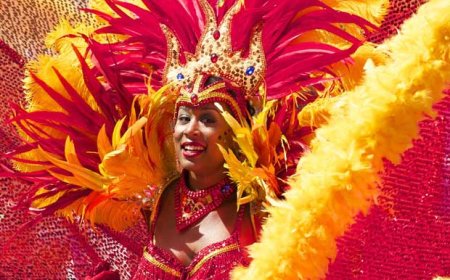
Port of Spain is known for its energetic cultural environment, particularly during Carnival season. Street art in the city reflects this creative atmosphere through colorful murals, public installations, and community projects.
Artists frequently draw inspiration from Carnival traditions, music, dance, and multicultural heritage. Murals celebrate the diverse influences that have shaped Trinidadian society, including African, Indian, European, and Indigenous contributions.
Street art tours often explore neighbourhoods where community organizations have partnered with artists to create public works. These projects help preserve local stories while promoting cultural tourism.
The city's urban art scene continues to evolve as new artists experiment with different styles and themes. Environmental issues, social development, and cultural identity are common subjects in contemporary murals.
Visitors participating in street art tours gain a deeper understanding of Trinidad and Tobago's complex cultural landscape and the role that public art plays in expressing community values.
Nassau, Bahamas
Nassau has experienced growing interest in public art as part of broader efforts to diversify tourism offerings. While visitors traditionally focus on beaches and resorts, street art tours are introducing travelers to the city's cultural and artistic dimensions.
Murals in Nassau often highlight Bahamian history, marine life, local traditions, and community stories. Artists use public spaces to celebrate national identity while encouraging conversation about contemporary issues.
Several neighbourhoods have become known for colorful public art installations that attract photographers and cultural tourists. Street art projects have also contributed to urban beautification efforts and local economic development.
Guided tours provide context about the artists, the neighborhoods, and the cultural themes represented in the murals. These experiences help visitors see Nassau beyond its traditional tourist image.
As cultural tourism continues to expand, street art is becoming an increasingly important part of Nassau's visitor experience.
Bridgetown, Barbados
Bridgetown has embraced public art as a way to celebrate local culture and engage communities. Street art projects throughout the city reflect themes such as history, education, environmental awareness, and national pride.
Artists frequently incorporate elements of Barbadian heritage into their work. Historical figures, cultural traditions, and scenes from everyday life appear in murals across the city.
Street art tours often combine visits to public artworks with discussions about Barbados' history and cultural development. This approach creates a broader understanding of the relationship between art and society.
Community participation remains an important feature of many mural projects. Residents often collaborate with artists to create works that reflect local experiences and aspirations.
These initiatives have helped strengthen community identity while creating attractions for visitors interested in cultural tourism.
The Role of Festivals in Caribbean Street Art
Street art festivals have become important drivers of urban art development across the Caribbean. These events bring together local and international artists to create large-scale public works while engaging communities through workshops, discussions, and cultural activities.
Festivals often attract visitors specifically interested in contemporary art. They also provide opportunities for artists to exchange ideas, experiment with new techniques, and collaborate on public projects.
Many Caribbean capitals have used festivals to transform neighborhoods into outdoor galleries. The resulting artworks remain long after the events conclude, continuing to attract visitors and support tourism.
Festival-based street art also encourages youth participation and helps develop local creative industries. Artists gain exposure, communities receive new cultural assets, and visitors gain access to unique cultural experiences.
Conclusion
Street art tours in Caribbean capitals offer travelers an opportunity to explore the region from a different perspective. Beyond beaches and historic landmarks, these tours reveal stories about identity, community, culture, music, history, and social change.
Cities such as San Juan, Santo Domingo, Kingston, Port of Spain, Nassau, and Bridgetown have developed vibrant public art scenes that contribute to cultural tourism and urban revitalization. Murals and public installations transform ordinary streets into spaces for storytelling and creative expression.
As cultural tourism continues to grow, street art is likely to become an even more important attraction throughout the Caribbean. Visitors seeking authentic experiences increasingly value opportunities to engage with local communities and contemporary culture.
Street art tours provide exactly that experience, combining visual creativity with historical context and cultural insight. They demonstrate how public art can strengthen communities, support tourism, and preserve cultural identity while making cities more engaging places to explore.
What's Your Reaction?
 Like
0
Like
0
 Dislike
0
Dislike
0
 Love
0
Love
0
 Funny
0
Funny
0
 Angry
0
Angry
0
 Sad
0
Sad
0
 Wow
0
Wow
0