





























Caribbean Street Food Etiquette Tips
Caribbean street food is an important part of the region's culture and offers travellers an authentic way to experience local traditions, flavours, and daily life. From roadside grills and food trucks to open-air markets and family-owned stalls, street food reflects the history and culinary heritage of each island. Popular dishes such as jerk chicken in Jamaica, conch fritters in the Bahamas, doubles in Trinidad and Tobago, and fish cakes in Barbados allow visitors to enjoy local cuisine at affordable prices. Understanding proper street food etiquette helps travellers enjoy these experiences while showing respect for local communities and businesses. Good manners, cultural awareness, and responsible behaviour contribute to positive interactions with vendors and fellow customers.

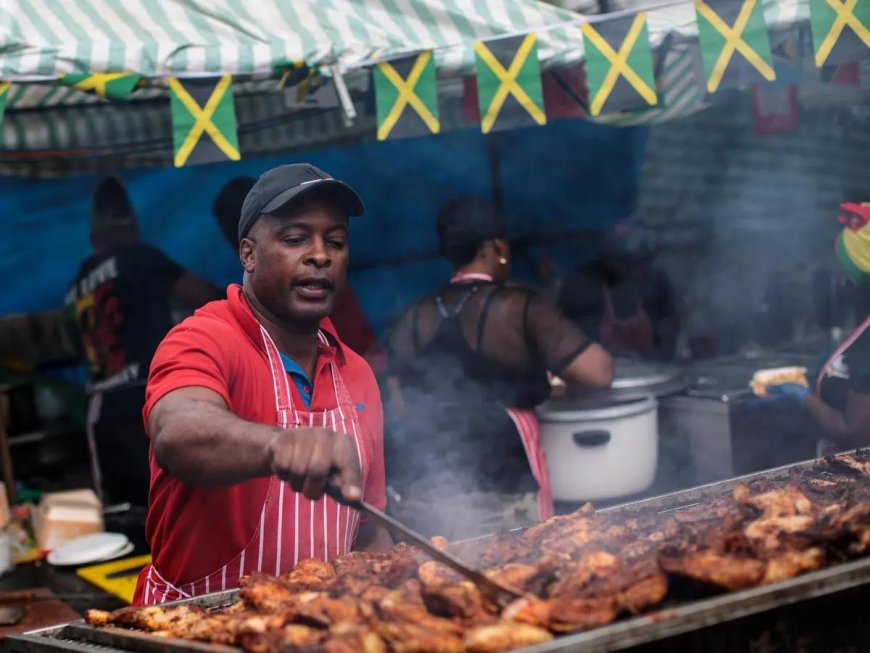
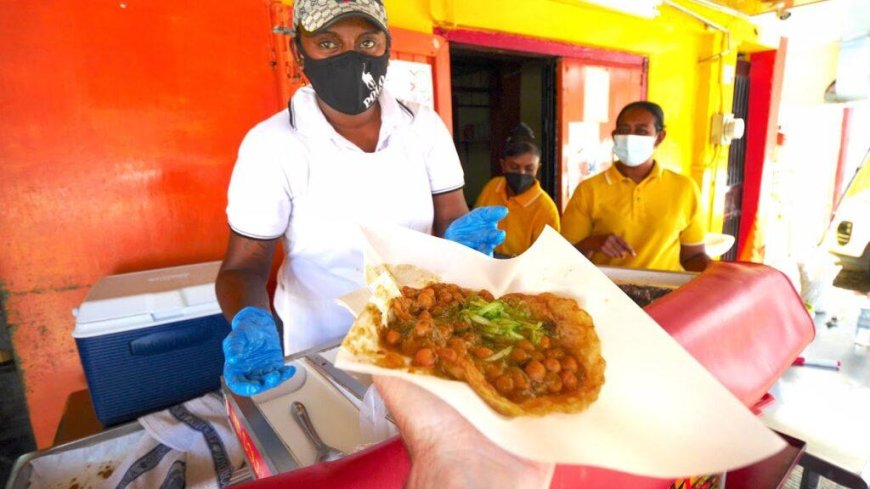
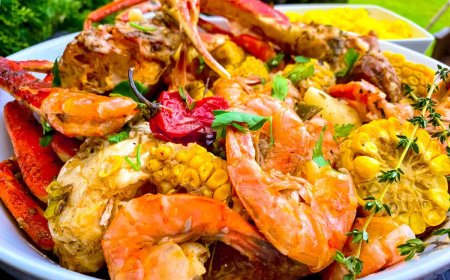
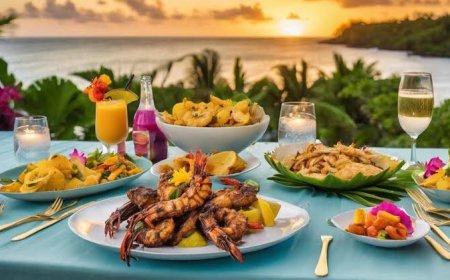
Street food is one of the most enjoyable ways to experience Caribbean culture. Across the region, food stalls, roadside grills, open-air markets, and small family-operated vendors serve dishes that reflect the history, traditions, and local ingredients of each island. From freshly grilled seafood in the Bahamas to spicy jerk chicken in Jamaica and savoury doubles in Trinidad and Tobago, street food provides visitors with authentic flavours at affordable prices.

Enjoying Caribbean street food is not only about tasting local specialties. It is also about understanding local customs, respecting vendors, practicing good manners, and making informed choices about food safety. Every island has its own traditions regarding ordering, eating, tipping, and interacting with local businesses. Travelers who understand these customs often have more enjoyable experiences and build positive connections with local communities.
Learning proper street food etiquette helps visitors show respect for local culture while ensuring that meals remain safe, enjoyable, and memorable throughout their Caribbean journey.
Understanding Caribbean Street Food Culture
Street food plays an important role in everyday life across the Caribbean.
Many local residents purchase breakfast, lunch, snacks, or evening meals from neighborhood vendors. These businesses often represent family traditions that have been passed from one generation to another. Recipes may remain unchanged for decades and frequently use locally grown fruits, vegetables, seafood, herbs, and spices.
Unlike formal restaurants, street food vendors often prepare meals in front of customers. This creates opportunities to observe cooking methods, ask questions about ingredients, and learn more about local cuisine.
For many travelers, visiting local food stalls provides a more authentic cultural experience than dining exclusively at hotels or resorts.
Respect Local Traditions
Each Caribbean island has unique cultural customs.
Visitors should approach street food experiences with curiosity and respect. Some vendors may have long-standing relationships with local customers, while others may operate at community festivals, beaches, or public markets.
Greeting vendors politely before ordering is considered good manners in many Caribbean communities. A simple smile and friendly conversation often create a welcoming atmosphere.
Showing patience during busy periods also demonstrates respect for local business owners who may prepare each meal individually rather than serving pre-made food.
Observe Before Ordering
Taking a few minutes to observe a food stall before ordering can be helpful.
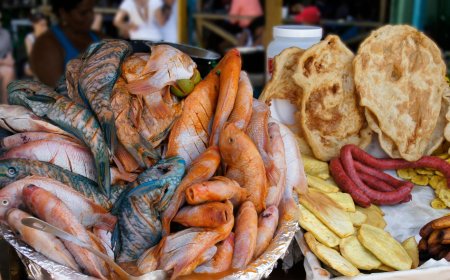
Customers can notice whether ingredients appear fresh, how food is handled, and whether cooking surfaces are kept clean.
Busy stalls with regular local customers often indicate consistent quality and fresh food preparation because ingredients are replenished frequently throughout the day.
Watching how vendors prepare meals can also help travelers understand portion sizes and menu options before making a selection.
Learn About Local Specialties
Each Caribbean destination offers distinctive street food.
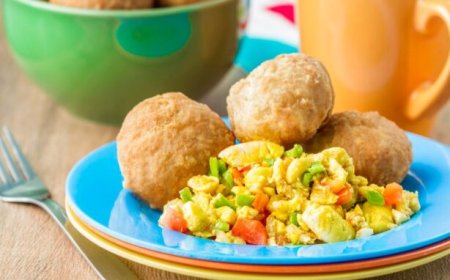
In Jamaica, jerk chicken and jerk pork are among the most popular choices. The Bahamas is well known for conch fritters and cracked conches. Trinidad and Tobago is famous for doubles and bake and shark. Barbados is recognized for fish cakes and cutters, while Puerto Rico offers favorites such as empanadillas and alcapurrias.
Trying regional specialties allows visitors to experience the unique culinary identity of each island.
Asking vendors which dishes are local favourites often leads to excellent recommendations.
Ask Questions Politely
Many travelers are unfamiliar with Caribbean ingredients or cooking methods.
There is nothing inappropriate about asking polite questions regarding spice levels, preparation methods, or ingredients.
Most vendors appreciate genuine interest in their food and are often happy to explain recipes or suggest dishes for first-time visitors.
This interaction frequently becomes one of the most memorable parts of the dining experience.
Be Patient during Preparation
Street food is frequently prepared fresh after an order is placed.
Unlike fast-food restaurants, many vendors cook meals individually to ensure quality.
Preparation may take several minutes, particularly during busy lunch or dinner periods.
The remaining patient demonstrates respect for the vendor's work and often results in fresher, better-tasting food.
Carry Small Currency
Many street food vendors prefer cash payments.
Although digital payment systems are becoming more common in some destinations, smaller vendors may not accept credit cards or mobile payment applications.
Carrying small bills and local currency makes transactions easier and helps vendors provide accurate change.
Having exact payment available can also reduce waiting times during busy periods.
Understand Tipping Customs
Tipping practices vary across Caribbean destinations.
Some street food vendors do not expect tips, while others appreciate small gratuities for excellent service.
If a vendor provides exceptional hospitality or prepares a customized meal, leaving a modest tip is generally viewed as a kind gesture.
Travelers should observe local customs or ask local residents if they are uncertain about tipping expectations.
Respect Waiting Lines
Popular food stalls often attract long lines.
Waiting patiently and respecting the order in which customers arrived reflects good etiquette.
Attempting to move ahead of others or placing large group orders without consideration for those waiting may be viewed negatively.
Courtesy toward fellow customers contributes to a more pleasant environment for everyone.
Practice Good Food Safety
Food safety should remain a priority throughout any trip.
Travelers should choose vendors who prepare food using clean cooking equipment and store ingredients appropriately.
Meals served hot immediately after cooking generally present lower food safety risks than food left standing for long periods.
Fresh fruit should appear clean and undamaged, while seafood should smell fresh rather than unpleasant.
Choosing reputable vendors reduces the likelihood of food borne illness.
Try New Foods Gradually
The Caribbean offers many exciting flavours and spices.
Visitors may be tempted to sample numerous unfamiliar dishes during a single outing.
However, trying new foods gradually allows travelers to discover local cuisine without overwhelming their digestive systems.
Moderation is especially important when consuming very spicy foods or unfamiliar seafood.
Taking time to appreciate each dish often creates a more enjoyable culinary experience.
Respect Local Eating Customs
Eating habits vary between islands.
Some foods are traditionally eaten by hand, while others are served with utensils.
Observing how local customers enjoy their meals can help visitors understand appropriate dining customs.
Following local practices demonstrates appreciation for cultural traditions rather than treating the experience simply as a tourist activity.
Keep Public Areas Clean
Responsible travelers help maintain clean public spaces.
Used napkins, food containers, drink bottles, and other waste should always be placed in designated bins.
If trash containers are unavailable, carrying waste until a suitable disposal location is found shows consideration for both local communities and the environment.
Keeping beaches, parks, and market areas clean benefits residents, businesses, and future visitors.
Support Local Businesses
Street food vendors often represent small family-owned businesses that contribute significantly to local economies.
Choosing locally operated food stalls helps support employment, preserves culinary traditions, and encourages sustainable tourism.
Many vendors purchase ingredients from nearby farmers and fishermen, creating additional economic benefits within the community.
Supporting local businesses allows tourism spending to remain within the destination.
Respect Photography Etiquette
Many visitors enjoy photographing colourful food stalls and beautifully prepared meals.
However, asking permission before photographing vendors or their work areas is considered respectful.
Most vendors are happy to allow photographs, but requesting permission first acknowledges their privacy and professionalism.
Respectful photography creates positive interactions and avoids misunderstandings.
Stay Hydrated While Exploring Food Markets
Caribbean weather is often warm and humid throughout the year.
Visitors exploring outdoor food markets should drink water regularly, especially during the hottest parts of the day.
Proper hydration helps maintain energy and supports overall health while enjoying local cuisine.
Fresh coconut water and natural fruit juices are also popular beverages in many Caribbean destinations.
Learn Basic Local Expressions
Using a few local greetings or expressions can make interactions more enjoyable.
Simple phrases such as "Good morning," "Good afternoon," "Please," and "Thank you" are appreciated across the Caribbean.
Friendly communication often leads to warmer conversations and a more welcoming dining experience.
Respectful language demonstrates appreciation for local culture.
Enjoy the Experience
Street food is about more than simply eating.
It offers opportunities to meet local people, discover traditional recipes, observe daily life, and experience the culture of each destination.
Taking time to enjoy conversations, appreciate local flavours, and explore neighbourhood food markets often creates lasting travel memories.
Rather than rushing through meals, visitors should view street food as an important part of the overall Caribbean travel experience.
Conclusion
Caribbean street food offers travelers an authentic way to experience the region's diverse cultures, traditions, and flavours. Respecting local customs, practicing good manners, making informed food safety choices, and supporting family-owned vendors all contribute to meaningful travel experiences.
Simple actions such as greeting vendors politely, carrying local currency, asking questions respectfully, and waiting patiently, disposing of waste responsibly, and showing appreciation for local traditions help create positive interactions between visitors and host communities.
By combining curiosity with cultural respect, travelers can enjoy delicious meals while building genuine connections with the people and culinary heritage that make Caribbean street food such an important part of island life.
What's Your Reaction?
 Like
0
Like
0
 Dislike
0
Dislike
0
 Love
0
Love
0
 Funny
0
Funny
0
 Angry
0
Angry
0
 Sad
0
Sad
0
 Wow
0
Wow
0