





















Weather & Best Time to Visit Each Island
The Caribbean has warm tropical weather throughout the year, but climate conditions vary from island to island. Most destinations experience average temperatures between 24°C and 31°C, with a dry season and a wetter hurricane season. The best travel period for most Caribbean islands is from December to April, when humidity is lower, rainfall is lighter, and beach conditions are more comfortable. Northern and eastern islands such as Bahamas, Jamaica, Puerto Rico, and Dominican Republic are more exposed to hurricanes between June and November, especially from August to October. Travelers visiting during this period often find lower hotel prices but should monitor weather forecasts carefully.

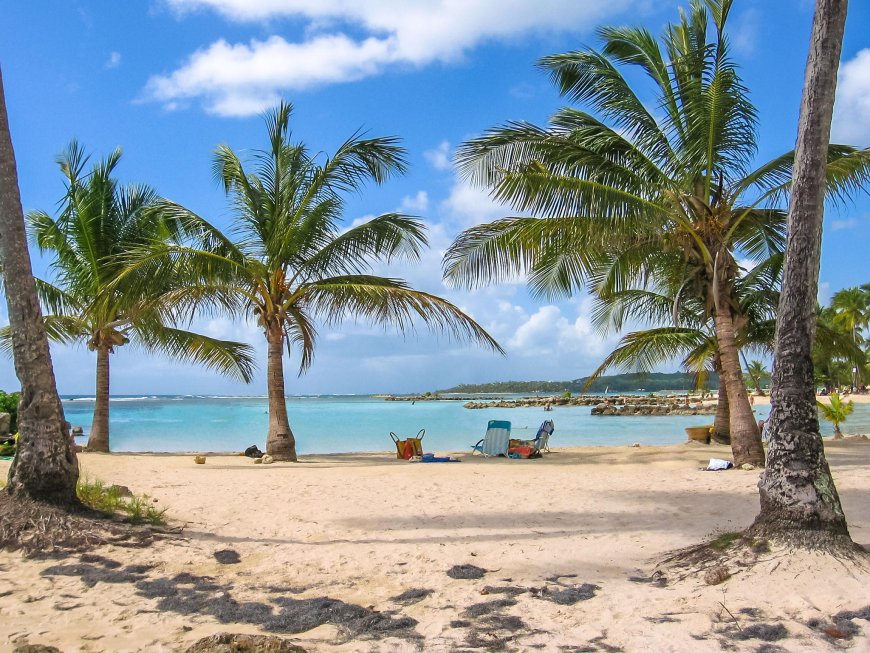
The Caribbean is not a single-weather destination. Every island has its own rainfall cycle, hurricane exposure, humidity level, ocean temperature, and tourism season. Travelers often assume that the entire region shares identical weather throughout the year, but conditions vary significantly between northern islands like the Bahamas and southern islands like Aruba or Trinidad. Elevation also changes weather patterns. Mountainous islands such as Jamaica, Dominica, and Saint Lucia experience cooler temperatures and heavier rainfall inland, while flatter islands remain hotter and drier.

Understanding the climate of each island helps travelers plan better trips, avoid hurricane disruptions, reduce costs, and choose activities that fit seasonal conditions. Beach vacations, diving, hiking, festivals, sailing, whale watching, and surfing all depend on timing. Some islands are ideal during winter, while others are more comfortable during shoulder seasons when crowds are lower and hotel prices fall.
The Caribbean climate is generally tropical. Average daytime temperatures usually range from 24°C to 31°C throughout the year. Sea temperatures remain warm enough for swimming in every season. Trade winds help moderate heat in many islands, especially from December through April. Rainfall patterns are often divided into a dry season and a wet season, though exact timing differs by island group.
The official Atlantic hurricane season runs from June 1 through November 30. Peak hurricane activity usually occurs between August and October. Southern Caribbean islands located outside the primary hurricane belt, including Aruba, Bonaire, and Curaçao, experience much lower hurricane risk than islands farther north and east.
This guide explains the weather and best travel periods for major Caribbean islands and territories. It also includes seasonal activity recommendations, rainfall trends, temperature expectations, crowd patterns, and practical planning advice.
The Bahamas
The Bahamas experiences a subtropical climate with warm temperatures throughout the year. Winter months from December through April are the most popular travel period because humidity is lower and rainfall decreases. Temperatures during this period usually range between 22°C and 27°C, making conditions comfortable for beaches, boating, and outdoor exploration.
Summer temperatures rise to around 30°C or higher with increased humidity. Rain showers become more frequent between May and October, although rainfall often comes in short bursts rather than full-day storms. Hurricane risk is highest from August through October.
The islands are spread across a large area, so weather can vary slightly between northern and southern regions. Nassau and Paradise Island tend to remain busy during winter cruise season, while the Exumas and Out Islands offer quieter conditions.
The best overall time to visit is from mid-December through April. Travelers looking for lower hotel prices often choose May or early June before peak hurricane activity begins.
January and February provide excellent weather for boating and snorkeling because seas are calmer and skies are clearer. Summer remains suitable for diving because water visibility stays strong despite higher rainfall.
Jamaica
Jamaica has a tropical climate influenced by both elevation and trade winds. Coastal regions remain warm year-round, while mountainous interior areas such as the Blue Mountains can feel noticeably cooler.
Average temperatures in beach areas usually range from 25°C to 31°C. Rainfall varies across the island. Northern and eastern sections receive more precipitation, while parts of the south coast are drier.
The dry season generally runs from December through April. This is considered the best time to visit for beach holidays, hiking, waterfalls, and sightseeing. Montego Bay, Negril, and Ocho Rios see heavy tourist traffic during winter.
Rainfall increases from May through November. Jamaica has two rainy peaks, typically around May and again during September and October. Hurricanes occasionally affect the island during late summer and early autumn.
The best balance of good weather and moderate prices is often found in late November or early May. Travellers visiting during January and February enjoy lower humidity and cooler evenings.
For surfing and river rafting, the wetter months sometimes create stronger conditions. Diving remains popular throughout the year because water temperatures stay warm.
Barbados
Barbados is one of the Caribbean’s most reliable warm-weather destinations. Temperatures remain relatively stable year-round, generally between 24°C and 30°C.
The dry season runs from December through May. During this period, rainfall is limited and humidity is lower. Beaches on the west and south coast’s experience calm waters ideal for swimming and catamaran cruises.
The wet season extends from June through November. Rain showers increase, especially during late summer. However, Barbados often receives shorter rain events compared to more mountainous islands.
Hurricane risk exists but is lower than in some northern Caribbean destinations because Barbados sits farther east in the Atlantic. Still, tropical storms occasionally impact travel during peak hurricane season.
The best overall period for travel is January through April. Surfing conditions on the east coast become particularly strong between November and June due to Atlantic swells. Bathsheba attracts experienced surfers during these months.
Travellers seeking lower accommodation rates often visit during June or early July before the most active hurricane months.
Aruba
Aruba stands out because of its dry desert-like climate. Unlike many Caribbean islands, Aruba receives low annual rainfall and lies outside the main hurricane belt.
Temperatures usually remain between 27°C and 32°C throughout the year. Trade winds provide cooling relief, especially along the coast. Rainfall is limited and mostly occurs from October through January.
The island experiences consistent sunshine and warm ocean temperatures year-round, making it one of the Caribbean’s least seasonal destinations. Travelers can comfortably visit in nearly any month.
The best overall conditions are typically found between January and April when humidity is lower and skies are especially clear. However, this period also brings the highest hotel prices.
Budget-conscious travelers often visit from May through August. Weather remains excellent, and hurricane threats are minimal compared with northern islands.
Aruba is especially popular for windsurfing and kite surfing because steady trade winds support water sports across much of the year.
Curacao
Curacao shares a similar climate pattern with Aruba. It experiences warm temperatures year-round with relatively low rainfall and minimal hurricane risk.
Average temperatures generally range from 26°C to 31°C. The driest months are usually February through September. Rainfall becomes slightly heavier between October and December.
Because Curacao lies outside the primary hurricane zone, it attracts travelers during months when storms threaten other Caribbean destinations. Diving and snorkeling conditions remain strong across most seasons due to good underwater visibility.
The best time to visit is from January through May for lower humidity and stable weather. Summer also remains a practical travel period because rainfall is still limited.
Curaçao’s colourful architecture, diving reefs, and cultural festivals make it appealing beyond beach tourism alone.
Dominican Republic
Curacao shares a similar climate pattern with Aruba. It experiences warm temperatures year-round with relatively low rainfall and minimal hurricane risk.
Average temperatures generally range from 26°C to 31°C. The driest months are usually February through September. Rainfall becomes slightly heavier between October and December.
Because Curacao lies outside the primary hurricane zone, it attracts travellers during months when storms threaten other Caribbean destinations. Diving and snorkelling conditions remain strong across most seasons due to good underwater visibility.
The best time to visit is from January through May for lower humidity and stable weather. Summer also remains a practical travel period because rainfall is still limited.
Curaçao’s colourful architecture, diving reefs, and cultural festivals make it appealing beyond beach tourism alone.
Dominican Republic
Puerto Rico combines tropical beaches, rainforest ecosystems, and urban tourism. Temperatures generally remain between 24°C and 31°C throughout the year.
The northern coast receives more rainfall than southern regions. El Yunque rainforest experiences frequent precipitation even during relatively dry months.
The most comfortable weather typically occurs from December through April when humidity levels are lower and skies are clearer. This period also aligns with the busiest tourism season.
Rainfall and hurricane threats increase between June and November. September is often the wettest and riskiest month for tropical storms.
The best time for outdoor exploration, hiking, and city tourism is January through March. Beach travel remains possible year-round because ocean temperatures stay warm.
Bioluminescent bay tours operate throughout the year, although darker moon phases improve visibility.
Saint Lucia
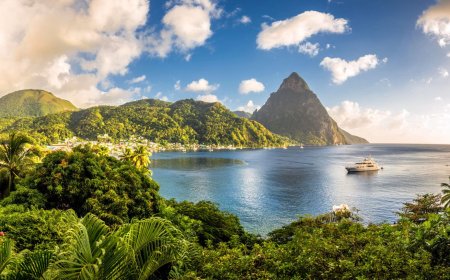
Saint Lucia is known for its mountainous terrain and lush rainforest climate. Temperatures generally range between 25°C and 31°C along the coast.
The dry season usually runs from December through May. This is the most popular travel period for hiking the Pitons, beach vacations, and sailing.
Rainfall increases significantly between June and November, especially in mountainous interior areas. Short tropical showers are common during summer afternoons.
Hurricane season affects Saint Lucia mainly between August and October. However, storms do not occur every year.
The best combination of weather and manageable tourist crowds often appears in May and early June. Diving conditions remain strong during much of the year because underwater temperatures stay warm.
The island’s rainforest environment means occasional rain can occur even during drier months.
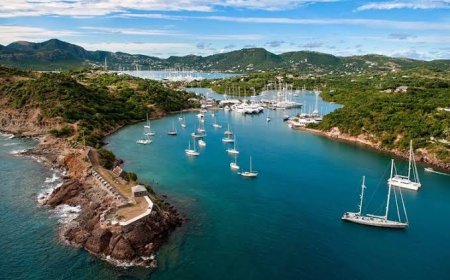
Antigua and Barbuda
Antigua and Barbuda enjoys relatively dry weather compared with several neighbouring islands. Temperatures remain between 24°C and 30°C for most of the year.
The dry season extends from December through April and attracts visitors seeking sunny beach conditions and sailing opportunities.
Rainfall increases from June through November, although Antigua usually receives less precipitation than rainforest-heavy islands such as Dominica or Saint Lucia.
The island is internationally recognized for sailing events, especially during spring regatta season. April often provides excellent conditions for marine activities.
Hurricane risk peaks during late summer and early autumn.
Travellers looking for quieter beaches and lower hotel rates often choose May or June.
Grenada
Grenada experiences warm tropical weather with temperatures generally between 24°C and 31°C.
The dry season runs from January through May. This is considered the best time for beach vacations, sailing, and diving.
Rainfall increases from June through December, with the wettest months usually occurring between August and November. Grenada occasionally experiences hurricanes, although its southern location reduces risk compared with northern islands.
The island is known as the “Spice Isle” because of nutmeg and spice production. Travellers visiting during harvest seasons often experience agricultural festivals and local markets.
The best overall weather usually occurs during February and March when humidity remains lower.
Dominica
Dominica has one of the wettest climates in the Caribbean because of its mountainous terrain and dense rainforest ecosystem.
Temperatures along the coast generally range from 24°C to 30°C, while higher elevations remain cooler.
Rainfall occurs year-round, although the driest months are usually February through April. Travelers planning hiking trips to waterfalls, boiling lakes, and rainforest trails often choose these months.
The wet season becomes especially intense from July through November. Landslides and flooding occasionally affect remote roads during heavy rain.
Dominica is less focused on large resort tourism and more popular among eco-tourism travellers, divers, and hikers.
Whale watching conditions are favourable throughout much of the year because sperm whales inhabit nearby waters year-round.
Trinidad and Tobago
Trinidad and Tobago sits close to the South American mainland and experiences a tropical climate with relatively low hurricane exposure.
Temperatures generally range between 24°C and 32°C. Trinidad tends to be hotter and more urban, while Tobago offers more traditional beach tourism.
The dry season usually lasts from January through May. Carnival season in February or March attracts major international tourism.
Rainfall increases between June and December. Tobago receives heavier rain than Trinidad due to its geography.
The islands are outside the primary hurricane belt, making them appealing during late summer when storms threaten other destinations.
The best time for cultural travel is Carnival season, while beach travelers often prefer January through April.
Cayman Islands
Cayman Islands experiences warm tropical weather throughout the year with average temperatures ranging between 25°C and 31°C.
The dry season runs from late November through April and offers sunny skies with lower humidity. This is considered the best travel period for diving and luxury beach vacations.
Rainfall increases between May and October, with hurricane threats highest during late summer.
Grand Cayman remains one of the Caribbean’s leading dive destinations because underwater visibility is excellent during much of the year.
The best overall combination of weather and calm seas occurs between January and March.
Turks and Caicos
Turks and Caicos Islands has a warm semi-arid climate with relatively low rainfall compared with many Caribbean islands.
Temperatures usually range from 24°C to 30°C. The dry season runs from December through April and attracts large tourism crowds.
Rainfall increases modestly during summer and autumn. Hurricane risk peaks from August through October.
The islands are particularly popular for luxury beach tourism, snorkelling, and diving because waters remain clear and calm during much of the year.
The best overall travel period is January through April.
US Virgin Islands
United States Virgin Islands experiences tropical weather with temperatures generally between 24°C and 31°C.
The dry season extends from December through April. This period offers lower humidity, calmer seas, and heavy tourism activity.
Rainfall increases during summer and autumn, with hurricane threats highest from August through October.
St. John remains popular for nature tourism and hiking, while St. Thomas attracts cruise visitors and shopping tourism.
The best travel period is typically January through March.
British Virgin Islands
British Virgin Islands has a warm tropical marine climate moderated by trade winds.
Temperatures usually remain between 25°C and 30°C year-round.
The dry season from December through April is especially popular among sailors and yacht travellers. Calm conditions support island-hopping and snorkelling activities.
Rainfall increases during late summer and autumn. Hurricane risks become highest between August and October.
Spring is particularly attractive for sailing events and marine tourism.
Cuba
Cuba experiences a tropical climate with warm temperatures throughout the year.
Average daytime temperatures range from 24°C to 31°C. Northern cold fronts occasionally bring cooler winter evenings between December and February.
The dry season usually lasts from November through April and is considered the best time for tourism.
Rainfall increases between May and October. Hurricane threats are highest during late summer and early autumn.
The best time for city exploration in Havana and beach tourism in Varadero is January through March when humidity levels are more comfortable.
Martinique
Martinique has a humid tropical climate with temperatures generally between 24°C and 30°C.
The dry season extends from December through May. These months offer the best conditions for beaches, hiking, and cultural tourism.
Rainfall increases during summer and autumn, especially in mountainous northern regions.
The island combines French cultural influence with Caribbean climate patterns, attracting both European and regional visitors.
Guadeloupe
Guadeloupe consists of multiple islands with varied terrain and weather conditions.
Temperatures usually range between 24°C and 31°C. Basse-Terre receives heavier rainfall because of its volcanic mountains and rainforest environment.
The dry season runs from January through May. Hiking, waterfalls, and diving are most popular during this period.
Rainfall increases between June and November, along with hurricane exposure.
Saint Kitts and Nevis
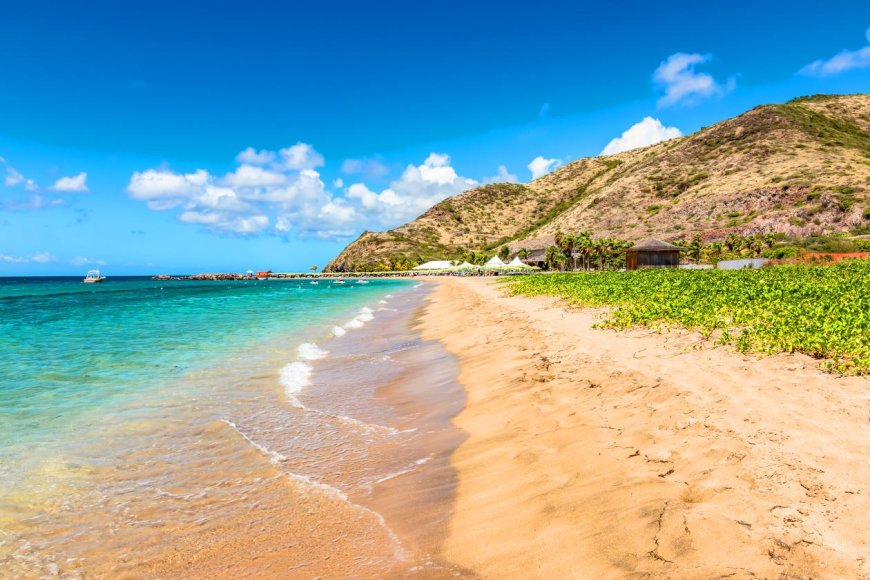
Saint Kitts and Nevis experiences warm tropical weather throughout the year. Temperatures generally remain between 24°C and 30°C. The dry season from December through April attracts most international visitors. Rainfall becomes heavier during summer and autumn, especially in mountainous regions. The islands remain popular for hiking, beaches, and historical tourism.
Saint Vincent and the Grenadines
Saint Vincent and the Grenadines experiences a tropical maritime climate with warm temperatures year-round. The dry season usually lasts from January through May and provides ideal conditions for sailing and island hopping.
Rainfall increases from June through November, with hurricane threats during late summer. The Grenadines are especially popular among yacht travelers during winter and spring.
Bonaire
Bonaire is one of the Caribbean’s leading diving destinations and enjoys a dry climate similar to Aruba and Curaçao. Temperatures generally range between 27°C and 31°C. Rainfall is limited and mostly concentrated between October and December. Because Bonaire lies outside the main hurricane belt, travel remains reliable throughout the year. The best time for diving visibility is often between February and June.
General Caribbean Seasonal Guide
December to April
This is the Caribbean’s main dry season and peak tourism period. The weather is generally sunny with lower humidity and reduced rainfall. Hotel prices are highest during Christmas, New Year, and spring break periods.
Best islands during this period include:
- Bahamas
- Jamaica
- Barbados
- Puerto Rico
- Cayman Islands
- Turks and Caicos
- May to June
This shoulder season offers lower prices and smaller crowds. Weather usually remains good before the peak hurricane period begins.
Best choices include:
- Antigua
- Saint Lucia
- Dominican Republic
- Barbados
- July to October
This is the wettest and riskiest season for hurricanes in many Caribbean destinations. However, southern islands remain relatively safe.
Best lower-risk islands include:
- Aruba
- Curacao
- Bonaire
- Trinidad and Tobago
Travellers during this period often find major discounts on resorts and flights.
November
November acts as a transition month. Hurricane activity declines later in the month, and tourism begins increasing again ahead of winter holidays.
Many islands offer strong travel value during this period because prices remain lower than peak winter rates.
Choosing the Right Island by Weather Preference
Travellers seeking the driest climate should consider Aruba, Bonaire, or Curacao. Those interested in rainforest scenery and waterfalls may prefer Dominica or Saint Lucia despite higher rainfall.
For hurricane avoidance, southern Caribbean islands offer the safest weather reliability. Travellers prioritizing winter sunshine often choose the Bahamas, Jamaica, or Barbados during January and February.
Divers typically favour Bonaire, Curacao, Cayman Islands, and Turks and Caicos because underwater visibility stays strong for much of the year.
Sailing enthusiasts often visit the British Virgin Islands and Antigua during winter and spring when trade winds create ideal marine conditions.
What's Your Reaction?
 Like
0
Like
0
 Dislike
0
Dislike
0
 Love
0
Love
0
 Funny
0
Funny
0
 Angry
0
Angry
0
 Sad
0
Sad
0
 Wow
0
Wow
0