






























How to Navigate Caribbean Public Transport
Caribbean public transport is a mix of government buses, minibuses, shared taxis, and ferries, designed to be flexible rather than strictly scheduled. Instead of fixed timetables, most vehicles run frequently based on demand, often leaving when full and stopping anywhere along their route. Buses usually cover main roads, while minibuses and route taxis provide faster and more flexible connections between towns and local areas. Fares are generally low and fixed, with payment made in cash, often requiring exact change. Identifying the correct vehicle depends on reading destination signs, recognizing route markings, or asking locals, as digital systems are limited. Transport hubs in towns act as key points for transfers, while roadside pickup is common in many areas. Inter-island travel relies on ferries and flights, with ferries being the more affordable option. Overall, navigating Caribbean transport requires flexibility, awareness, and basic interaction with locals, but once understood, it is an efficient and practical way to travel across the region.


Public transport in the Caribbean works very differently from what many travellers expect in large, highly organized transport systems. Instead of fixed schedules, digital tracking, and clearly marked stops, most Caribbean islands rely on flexible, informal, and locally adapted systems. These include government-run buses, privately operated minibuses, shared taxis, and ferries. The system may look unstructured at first, but it functions efficiently once you understand how it works. Learning how to navigate Caribbean public transport is essential for moving affordably between towns, beaches, and cities, and it also gives a closer look at everyday life in the region.

Across most islands, public transport is designed around accessibility rather than strict timing. Vehicles run frequently but not always on fixed schedules, and routes are often known more by locals than by maps. This means travelers need to adjust expectations and rely more on observation, communication, and flexibility. Understanding these patterns will make it much easier to get around without confusion.
Understanding the Transport System Structure
Public transport in the Caribbean generally operates through a mix of formal and informal systems. The formal system includes government-operated buses, while the informal or semi-formal system includes minibuses and shared taxis. These shared transport options are often referred to as “paratransit,” which means they operate like buses but with more flexibility in stops and schedules.
In most Caribbean countries, three main modes dominate: buses, minibuses, and shared taxis. Buses are usually larger and run on main routes connecting major towns. Minibuses and shared taxis fill in the gaps, covering smaller areas and offering more frequent service. These systems are interconnected, so a single journey may involve switching between different types of vehicles.
Unlike in many developed transport systems, strict timetables are often not followed. Instead, vehicles leave when full or operate continuously along a route. This creates a system that is flexible but requires patience and awareness from passengers.
Buses in the Caribbean
Buses are the backbone of public transport on many islands. They are typically run by government agencies and follow defined routes connecting major urban and rural areas. These buses are usually larger, more structured, and slightly more predictable than other forms of transport.
In places like Barbados, buses cover most major roads and connect key locations across the island. They often operate from central terminals, making it easier to transfer between routes. However, even in these systems, exact schedules may not always be strictly followed.
One important aspect of using buses in the Caribbean is understanding route identification. Buses usually display their destination on the front, sometimes using abbreviations. Travelers need to pay attention to these signs rather than relying on digital maps. In many cases, it is helpful to ask the driver or other passengers to confirm the route.
Fares on buses are generally low and fixed. In some islands, passengers must pay the exact amount because drivers may not carry change. Payment is usually made in cash, either when boarding or before exiting the bus.
Minibuses and Route Taxis
Minibuses and shared taxis are the most widely used forms of transport in the Caribbean. These vehicles operate on fixed routes but are more flexible than buses. They can stop almost anywhere along their route to pick up or drop off passengers.
In many islands, these vehicles are the fastest and most convenient way to travel short distances. They run frequently and often do not require waiting at designated stops. Instead, passengers can simply stand along the road and signal the driver to stop.
Shared taxis, often called route taxis, operate similarly to minibuses but usually carry fewer passengers. They follow specific routes and charge fixed fares based on the route rather than distance. In Jamaica, for example, route taxis form a major part of the transport system, connecting towns and cities with regular service.
These vehicles often wait until they are full before starting the journey. While this may cause slight delays, it ensures that transport is cost-effective for both drivers and passengers. For travellers, it is important to recognize these vehicles, which are usually marked with route numbers or special license plates.
How to Identify the Right Vehicle
One of the biggest challenges for visitors is identifying the correct bus or taxi. Unlike systems with digital displays and announcements, Caribbean public transport relies heavily on visual cues and local knowledge.
Most vehicles display their destination on the front windshield or on a sign. These signs may include abbreviations or local place names, so it is useful to familiarize yourself with common destinations. In some cases, drivers or conductors will call out destinations to attract passengers.
Color coding is also used in some islands. For example, in Barbados, different types of buses and minibuses have distinct colours, making it easier to tell them apart. Route taxis may have specific markings or stripes that identify them as part of the public transport system.
If there is any uncertainty, the simplest solution is to ask. Drivers and local passengers are usually willing to help and can confirm whether the vehicle is going in the right direction.
Bus Stops and Pickup Points
Bus stops in the Caribbean are not always clearly defined. While some urban areas have designated stops, many routes allow passengers to board and exit almost anywhere along the road. This flexible system makes transport more accessible but can be confusing for newcomers.
In many cases, the best approach is to stand along a main road where buses and taxis frequently pass. When a vehicle approaches, signalling with a hand gesture is usually enough to make it stop. This informal system is widely accepted and commonly used.
Transport hubs are another important feature. Most towns have central terminals or bus parks where multiple routes converge. These hubs are useful for making connections and finding vehicles to different destinations. In some islands, such as those with larger populations, these hubs serve as the main starting points for most routes.
When travelling between less connected areas, it may be necessary to transfer at one of these hubs. This requires some planning, but it is a normal part of using Caribbean public transport.
Payment and Fares
Fares in the Caribbean are generally affordable and often standardized. Buses and shared taxis usually charge fixed rates based on routes rather than distance. This makes it easier to know how much to pay in advance.
Payment is typically made in cash, and it is important to carry small denominations. In many cases, drivers do not provide change, so having the exact fare is necessary.
In shared taxis and minibuses, passengers may pay upon boarding or before exiting, depending on local practice. Observing how others pay can help avoid confusion. In some vehicles, money is passed forward to the driver through other passengers, which may feel unusual but is a common practice.
Taxi fares for private rides are usually higher and may not be metered. Instead, they are based on fixed rates for specific routes. It is advisable to confirm the price before starting the journey to avoid misunderstandings.
Timing and Frequency
One of the key differences in Caribbean public transport is the lack of strict schedules. Instead of running at fixed times, many vehicles operate based on demand. This means that while there may not be a timetable, transport is often frequent, especially on busy routes.
In urban areas, buses and taxis may arrive every 10 to 20 minutes, making it relatively easy to travel without long waits. However, in rural areas, services may be less frequent and limited to daytime hours. In some islands, minibuses operate mainly between early morning and early evening.
Travellers should plan accordingly and avoid relying on late-night public transport unless they are certain it is available. Flexibility is important, as delays and variations are common.
Inter-Island Transport
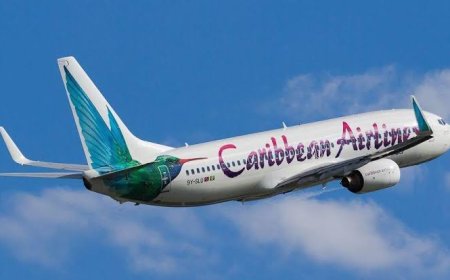
In addition to road transport, ferries play an important role in connecting different islands. These services are used for both local travel and longer journeys between islands. In some regions, ferries are an essential part of the public transport system, providing an alternative to flights.
Ferry schedules are usually more structured than bus services, but they may still vary depending on weather and demand. Booking in advance is often recommended, especially during peak travel periods.
Air travel is another option for inter-island movement, but it is generally more expensive than ferries. Public transport systems on each island typically connect to ferry terminals and airports, making it easier to continue the journey upon arrival.
Safety and Practical Considerations
Using public transport in the Caribbean is generally safe, but it requires awareness and common sense. Choosing licensed vehicles, especially for taxis, is important. Licensed route taxis and minibuses are usually marked and regulated.
Travellers should keep personal belongings secure and avoid displaying valuables. It is also advisable to travel during daylight hours when possible, particularly in unfamiliar areas.
Communication is a key part of navigating the system. Asking questions, confirming routes, and paying attention to surroundings can help prevent mistakes. The informal nature of the system means that local knowledge is often more reliable than online maps or schedules.
Tips for First-Time Users
For those using Caribbean public transport for the first time, preparation makes a big difference. Learning the names of key destinations, carrying small cash, and being open to asking for help will make the experience smoother.
It is also useful to observe how locals use the system. Watching how passengers signal buses, pay fares, and request stops provides practical guidance. Over time, the system becomes easier to understand and navigate.
Flexibility is essential. Delays, route changes, and unexpected stops are part of the experience. Accepting this and adapting accordingly will make travel less stressful and more enjoyable.
Conclusion
Navigating Caribbean public transport requires a shift in mindset from structured systems to flexible, community-based travel. Buses, minibuses, and shared taxis form a network that is accessible, affordable, and widely used by locals. While the lack of schedules and formal stops may seem challenging at first, the system is reliable once understood.
By learning how routes operate, recognizing vehicles, and adapting to local practices, travellers can move efficiently across islands without relying on private transport. Public transport in the Caribbean is not just a way to travel but also a way to experience the region’s daily life, culture, and rhythm.
What's Your Reaction?
 Like
0
Like
0
 Dislike
0
Dislike
0
 Love
0
Love
0
 Funny
0
Funny
0
 Angry
0
Angry
0
 Sad
0
Sad
0
 Wow
0
Wow
0