





Is the Water Safe? A Tap Water Guide for Every Major Caribbean Island.
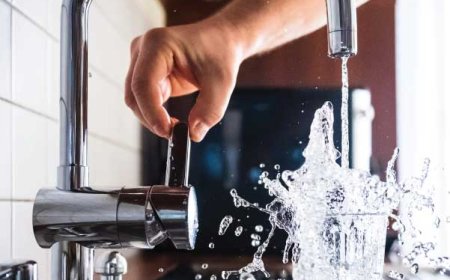
Tap water safety in the Caribbean varies by island and even by location within the same island. Some destinations have modern water treatment systems and provide safe drinking water directly from the tap, while others face challenges such as aging infrastructure, inconsistent treatment, or contamination risks.

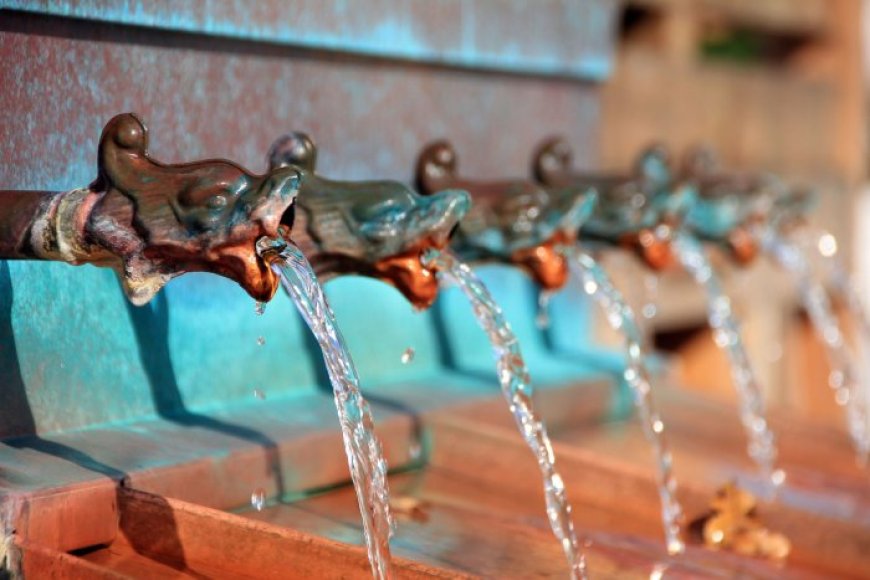
Water safety varies widely across the Caribbean. Some islands treat and deliver water that meets high safety standards, while others have infrastructure and contamination issues that make tap water unsafe to drink. Always check local advisories before travel.

1. Aruba
Tap water in Aruba is treated by advanced desalination and re-mineralized after distillation. Most locals and visitors drink it directly. Generally considered safe and reliable at the tap. Bottled water is still widely available as an alternative.
Key tip: Suitable for drinking, refilling reusable bottles preferred.
2. Bahamas
In urban parts such as Nassau and Freeport, tap water is chlorinated and treated and many people drink it without issues. In more rural or remote islands, water quality can be unpredictable and unreliable, with a possibility of contamination.
What to do:
- Bottled water recommended outside urban areas
- Avoid using untreated tap water for brushing teeth, ice, or raw food prep in rural areas.
3. Cayman Islands
- Water quality is generally excellent thanks to desalination and treatment.
- Tap water is safe to drink for both locals and visitors.
- Resorts and public systems monitor quality regularly.
- Travel tip: You can drink straight from the tap in most areas.
4. Turks & Caicos
- Tap water comes largely from desalination plants and is considered safe.
- Many hotels and restaurants serve tap water without issues.
- Taste differences (mineral content) may be noticeable to some travelers.
- When in doubt: Opt for bottled water if you have a sensitive stomach.
5. Antigua & Barbuda
In main urban and tourist areas (like St. John’s), tap water is treated and usually safe. In remote or less developed areas, safety can be inconsistent.
Advice:
- Drink tap water in towns
- Use bottled/filtered water when outside developed zones.
6. Dominica
In populated centres like Roseau and Portsmouth, tap water is treated and generally safe. Rural and mountainous regions may have variable water quality. Travel caution: Carry bottled water when exploring less central areas.
7. Jamaica
Tap water in Jamaica usually does not meet international safety standards, especially outside major cities. Bacteria, parasites, and viruses have been reported in untreated systems.
What to do:
- Drink bottled or filtered water
- avoid tap water for brushing teeth or ice unless you confirm treatment.
8. Belize
Tap water in Belize is not recommended for drinking because of aging infrastructure and potential contamination by bacteria and parasites. Some urban areas may have treated water, but it can become contaminated in distribution systems.
Traveller tip:
- Use bottled water for drinking and brushing teeth
- Avoid ice made from tap water.
9. Dominican Republic
Tap water quality is variable and often not safe to drink nationwide, including popular tourist spots. Rural areas and smaller towns are more likely to have untreated or poorly treated water.
Safe practice:
- Always use bottled or boiled water for drinking
- Avoid ice or raw food washed in tap water.
10. U.S. Virgin Islands (St. Croix Crisis Example)
Recent issues (2023–24) showed lead and copper contamination in parts of St. Croix due to aging infrastructure and stagnation in pipes. This led to a public health response and monitoring programs.
Current status:
- Some treated water systems are safe, but issues remain in older parts of the network.
Tip: Check local health advisories before drinking from taps.
General Safety Guidelines (CDC-Recommended)
Whether in the Caribbean or elsewhere:
Avoid drinking tap water unless you are confident it’s been properly treated for drinking.
Use bottled or boiled water for drinking, brushing teeth, making ice, and preparing food.
Avoid ice in drinks unless you’re sure it was made from purified water.
Tips for Travellers:
- Pack a portable water filter if you’ll be in remote areas
- Ask locals or your hotel about tap water safety
- Use bottled water seals that are factory-sealed for hydration
- Boil water for at least 1 minute if unsure.
Conclusion
Caribbean water safety varies widely by island and by region. Treated systems with desalination and modern infrastructure (like Aruba, Turks & Caicos, and Cayman) are usually safe. Avoid tap water in locations with known contamination risks (Belize, Jamaica, Dominican Republic) and choose bottled or properly filtered water. Always follow CDC guidance on food and water precautions when travelling.
What's Your Reaction?
 Like
0
Like
0
 Dislike
0
Dislike
0
 Love
0
Love
0
 Funny
0
Funny
0
 Angry
0
Angry
0
 Sad
0
Sad
0
 Wow
0
Wow
0