




























Traveller Safety Tips & Local Customs
Traveller safety and understanding local customs are essential for successful and enjoyable travel experiences. While exploring new destinations offers opportunities to learn about different cultures, traditions, and lifestyles, travellers should also take steps to protect themselves and respect the communities they visit. Preparation before departure is one of the most important aspects of travel safety. Researching a destination helps travellers understand local laws, weather conditions, transportation systems, health requirements, cultural expectations, and potential risks. Being informed allows visitors to make better decisions and avoid common travel problems.

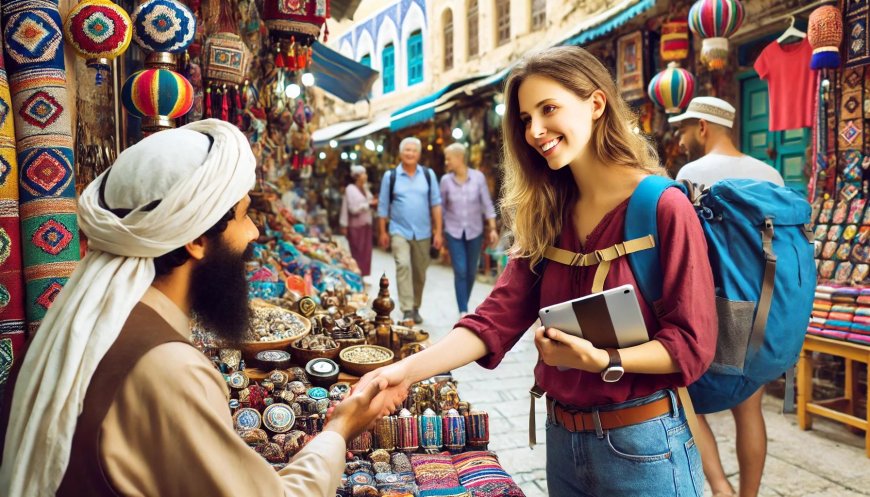

Travelling to new destinations can be exciting, educational, and rewarding. Every country, city, and community offers unique experiences, different lifestyles, and opportunities to learn about cultures that may be very different from our own. However, successful travel is not only about visiting attractions and taking photographs. Understanding safety practices and respecting local customs are equally important parts of any trip.

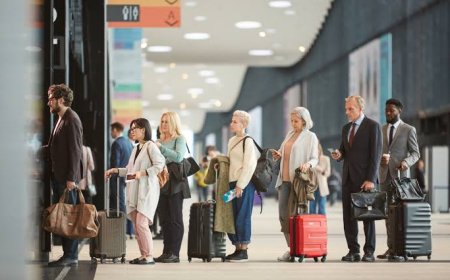
Modern travelers have access to more destinations than ever before. International flights, digital booking platforms, and online travel information have made global travel easier and more accessible. At the same time, travelers must navigate unfamiliar environments, different legal systems, language barriers, transportation networks, and cultural expectations.
Safety awareness helps reduce risks and allows travelers to enjoy their journeys with confidence. Respect for local customs helps create positive interactions with local communities and contributes to responsible tourism. Visitors who understand cultural expectations are more likely to have meaningful experiences and avoid misunderstandings.
Whether travelling for leisure, business, education, or adventure, learning basic safety principles and cultural etiquette can significantly improve the overall travel experience.
Research Your Destination before Departure
One of the most important steps in travel safety begins before leaving home. Many travel problems occur because visitors arrive without understanding local conditions. Research helps travelers prepare for weather patterns, transportation systems, health requirements, local laws, and cultural expectations.
Before travelling, it is useful to learn about the destination's political situation, current travel advisories, seasonal conditions, and emergency services. Understanding common scams, transportation options, and local customs can help visitors avoid difficulties after arrival.
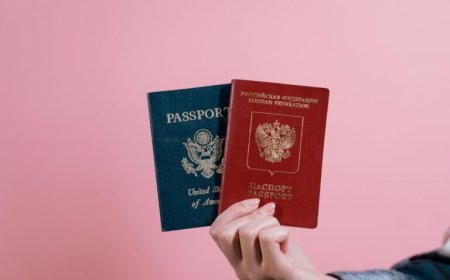
Travelers should also review visa requirements, passport validity rules, vaccination recommendations, and entry regulations. Some countries require specific documentation that must be arranged before departure. Knowing basic information about the destination increases confidence and allows travelers to make informed decisions throughout their trip.
Keep Important Documents Secure
Travel documents are among the most valuable items travelers carry. Passports, identification cards, visas, travel insurance documents, and transportation tickets should be stored securely. Losing these documents can create significant complications and delays.
Many experienced travelers keep digital copies of important documents stored securely online. Printed copies can also be useful in case original documents are lost or stolen.
When staying in hotels or vacation rentals, secure storage options should be considered whenever available. Documents should not be left unattended in public areas.
Travelers should also know how to contact their embassy or consulate in case emergency document replacement becomes necessary. Proper document management reduces stress and helps ensure smooth travel experiences.
Stay Aware of Your Surroundings
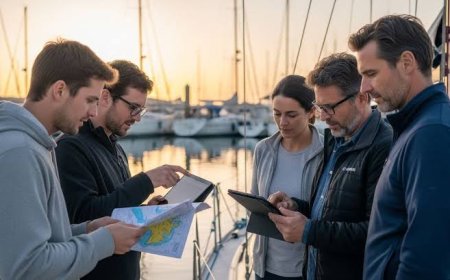
Situational awareness is one of the most effective travel safety practices. Visitors often become distracted while exploring new destinations. Looking at maps, taking photographs, or focusing on attractions can reduce awareness of surrounding conditions.
Remaining alert helps travelers identify potential risks before they become problems. This includes paying attention to transportation schedules, crowd behavior, weather changes, and unfamiliar environments.
Awareness is particularly important in busy tourist areas where pick pocketing and petty theft may occur. Keeping personal belongings secure and avoiding unnecessary displays of valuables can reduce vulnerability. Confidence and awareness often discourage opportunistic criminal activity.
Use Reliable Transportation
Transportation decisions have a major impact on travel safety. Visitors should use reputable transportation providers whenever possible. Licensed taxis, official ride-sharing services, hotel transportation, and established public transit systems generally provide safer options than informal services.
Before entering a vehicle, travelers should verify driver information and confirm destination details. Understanding approximate travel times and routes can help prevent confusion.
In some destinations, transportation infrastructure may differ significantly from what visitors are accustomed to. Researching local transportation systems before arrival can help travelers navigate efficiently and safely. Reliable transportation contributes to a smoother and more secure travel experience.
Understand Local Laws and Regulations
Every destination has its own legal system and regulations. Activities that are legal in one country may be restricted or prohibited in another. Travelers are responsible for following local laws regardless of their country of origin.
Understanding regulations related to photography, alcohol consumption, public behavior, transportation, protected areas, and cultural sites is important.
Some countries impose significant penalties for activities that visitors may consider minor violations. Learning about local regulations before travelling can prevent legal complications.
Respect for local laws demonstrates responsibility and contributes to positive relationships between visitors and host communities.
Respect Local Dress Expectations
Clothing choices can influence how travelers are perceived in different cultural environments. Many destinations have specific expectations regarding appropriate attire, particularly in religious sites, traditional communities, and formal public spaces.
Visitors should research local customs and dress accordingly. Respectful clothing choices help avoid misunderstandings and demonstrate cultural sensitivity.
In some regions, modest clothing may be expected when visiting temples, churches, mosques, or government buildings. Beachwear that is acceptable in resort areas may not be appropriate in city centers or residential neighbourhoods. Adapting to local expectations often results in more positive interactions with residents.
Learn Basic Local Phrases
Language differences can present challenges during travel. Learning a few basic phrases in the local language demonstrates respect and often improves communication. Greetings, expressions of thanks, requests for assistance, and simple questions can be extremely useful.
Even when residents speak international languages such as English, visitors who make an effort to use local phrases are often appreciated.
Language skills can also improve safety by helping travelers understand signs, instructions, transportation information, and emergency communications. Communication remains one of the most valuable travel tools.
Be Careful with Public Wi-Fi Networks
Digital security is becoming increasingly important for travelers.
Public Wi-Fi networks are widely available in airports, hotels, restaurants, and transportation hubs. While convenient, these networks may present cybersecurity risks.
Sensitive activities such as online banking, financial transactions, and accessing confidential information should be approached carefully on public networks.
Travelers should use secure passwords, enable device security features, and keep software updated.
Protecting digital information is now an essential component of travel safety.
Respect Religious and Cultural Practices
Religious traditions play an important role in many societies around the world.
Visitors may encounter customs related to prayer times, religious holidays, sacred sites, and ceremonial practices. Respectful behavior helps maintain positive relationships with local communities.
When visiting religious sites, travelers should follow posted guidelines and observe local etiquette. This may include removing shoes, covering certain areas of the body, speaking quietly, or refraining from photography.
Understanding cultural practices enhances travel experiences by providing deeper insight into local traditions and values.
Practice Responsible Photography
Photography is one of the most common travel activities, but cultural sensitivity remains important.
In some communities, people may prefer not to be photographed without permission. Religious ceremonies, government facilities, military sites, and certain cultural events may have photography restrictions.
Asking permission before photographing individuals demonstrates respect and often leads to more meaningful interactions.
Responsible photography helps preserve trust between visitors and local communities.
Food Safety and Health Precautions
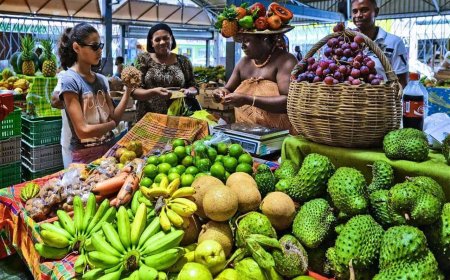
Trying local food is often one of the highlights of travel.
However, travelers should also consider food safety practices. Consuming food from reputable establishments, drinking safe water, and maintaining good hygiene can help reduce health risks.
Different destinations may have varying food preparation standards. Understanding local recommendations regarding drinking water and food safety can prevent illness.
Travel insurance and access to emergency medical information provide additional protection during international travel. Maintaining health allows travelers to fully enjoy their experiences.
Respect Personal Space and Social Etiquette
Social norms vary widely across cultures.
Greetings, gestures, eye contact, physical contact, and conversational styles may differ significantly between countries. Behaviors considered normal in one culture may be interpreted differently elsewhere.
Observing local behavior and adapting accordingly demonstrates cultural awareness.
Travelers who respect social etiquette often find it easier to build positive relationships and navigate unfamiliar environments.
Support Local Communities Responsibly
Responsible tourism benefits both travelers and host communities.
Purchasing goods from local businesses, hiring local guides, staying in locally operated accommodations, and participating in community-based tourism initiatives contribute directly to local economies.
Responsible travelers also minimize environmental impacts and respect cultural heritage sites.
Supporting local communities helps preserve cultural traditions while creating sustainable economic opportunities.
Emergency Preparedness
Although most trips proceed without major problems, travelers should prepare for unexpected situations.
Knowing emergency contact numbers, embassy locations, medical facilities, and evacuation procedures can be valuable during emergencies.
Travel insurance provides financial protection for medical issues, cancellations, lost luggage, and unexpected disruptions. Prepared travelers can respond more effectively when challenges arise.
Conclusion
Traveller safety and respect for local customs are essential components of successful travel. Research, awareness, cultural sensitivity, and responsible behavior help visitors enjoy meaningful experiences while reducing risks.
Understanding local laws, respecting traditions, practicing good security habits, and supporting local communities contribute to positive interactions between travelers and residents. These practices not only improve personal safety but also promote sustainable and respectful tourism.
As international travel continues to grow, travelers who combine curiosity with responsibility will be best positioned to enjoy rewarding experiences while making positive contributions to the destinations they visit.
What's Your Reaction?
 Like
0
Like
0
 Dislike
0
Dislike
0
 Love
0
Love
0
 Funny
0
Funny
0
 Angry
0
Angry
0
 Sad
0
Sad
0
 Wow
0
Wow
0