























How to Handle Hurricanes & Travel Changes
Hurricanes are powerful tropical weather systems that can significantly affect travel plans, particularly in the Caribbean, Gulf of Mexico, south-eastern United States, and parts of Central America. Strong winds, heavy rainfall, flooding, storm surge, and transportation disruptions can lead to flight cancellations, cruise itinerary changes, hotel closures, and delays. However, with proper preparation and flexibility, travellers can manage these challenges effectively and travel more safely during hurricane season.

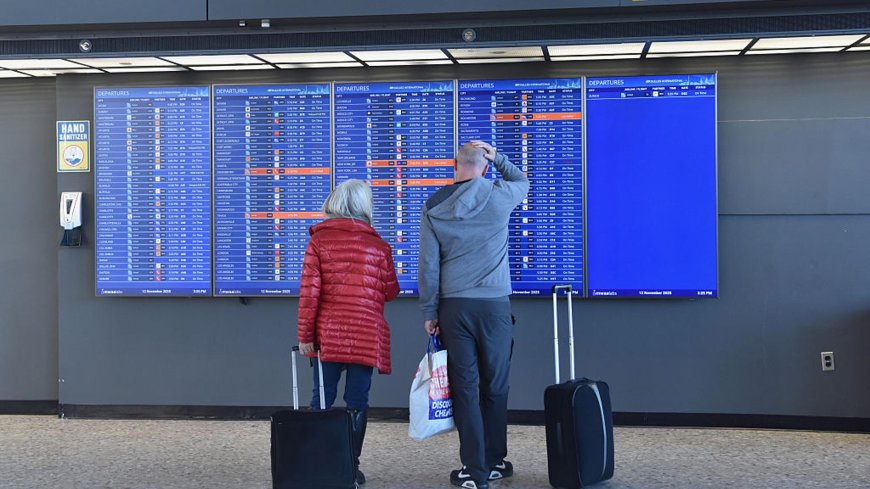
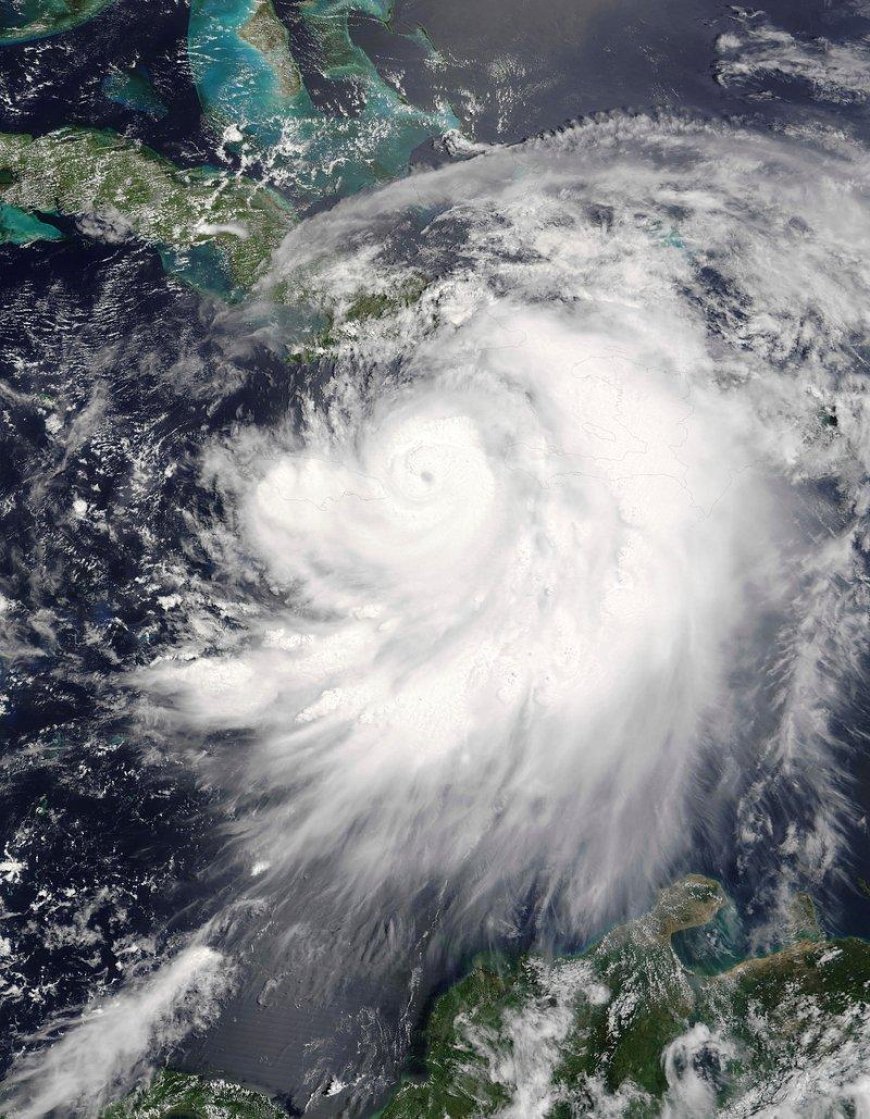
Travelling during hurricane season requires careful planning, flexibility, and awareness of changing weather conditions. Hurricanes are among the most powerful weather systems on Earth, capable of producing strong winds, heavy rainfall, storm surge, flooding, and travel disruptions across large areas. Every year, travelers visiting the Caribbean, parts of the Gulf of Mexico, the southeastern United States, and portions of Central America may experience delays, flight cancellations, cruise itinerary changes, or temporary closures caused by tropical weather.

Although hurricanes can significantly affect travel plans, modern forecasting technology has improved dramatically over the past several decades. Meteorological agencies now monitor tropical systems continuously using satellites, aircraft reconnaissance, weather radar, ocean buoys, and computer forecasting models. This allows governments, airlines, hotels, cruise operators, and travelers to prepare well before dangerous weather arrives.
Understanding how hurricanes develop, knowing how travel providers respond, purchasing appropriate travel insurance, monitoring official weather information, and maintaining flexible travel plans can help reduce stress and improve safety. Travelers who prepare in advance are generally better equipped to adapt when weather conditions change unexpectedly.
Understanding Hurricane Season
The Atlantic hurricane season officially runs from June 1 through November 30. Most hurricanes that affect the Caribbean form during this period, although activity is not evenly distributed throughout the season.
Historically, the busiest months are August, September, and October, when ocean temperatures are warmest and atmospheric conditions are most favorable for tropical cyclone development. Not every Caribbean destination experiences hurricanes each year, and many vacations during hurricane season proceed without weather-related problems.
Weather conditions can vary greatly from one island to another. Even when one destination is affected by a tropical storm or hurricane, nearby islands may experience little or no impact.
How Hurricanes Form
Hurricanes develop over warm tropical oceans when several atmospheric conditions occur simultaneously. Warm sea surface temperatures provide energy, moist air rises into the atmosphere, and favourable wind patterns allow thunderstorms to organize into rotating systems.
As the storm strengthens, it may be classified as a tropical depression, then a tropical storm, and eventually a hurricane if sustained wind speeds reach hurricane strength.
Meteorologists continuously monitor these systems because their intensity and direction can change over time. Forecast accuracy has improved considerably, but hurricanes can still shift their paths unexpectedly.
Why Hurricanes Affect Travel
Travel disruptions occur long before a hurricane makes landfall.
Airlines may cancel flights to avoid dangerous weather. Cruise ships often change itineraries to avoid storms at sea. Ferry services may be suspended because of rough ocean conditions. Hotels sometimes close temporarily if government authorities issue evacuation orders or if local infrastructure is affected.
Road closures, airport operations, power outages, flooding, and damaged transportation networks can also delay travel even after a storm has passed.
Because safety is always the highest priority, travel companies often make operational decisions several days before severe weather arrives.
Monitoring Official Weather Forecasts
Reliable weather information is essential when travelling during hurricane season.
Travelers should follow forecasts issued by official meteorological agencies rather than relying solely on social media posts or unofficial weather reports.
Forecasts typically include information about storm location, expected movement, rainfall, wind speeds, and potential hazards. As forecasts become more accurate closer to landfall, travelers can make better-informed decisions regarding departures, accommodations, or itinerary adjustments.
Checking forecasts regularly becomes especially important during the week before travel.
Register for Airline Notifications
Most airlines provide free flight alerts through email, text messages, or mobile applications.
These notifications inform passengers about delays, gate changes, cancellations, schedule adjustments, and rebooking opportunities.
Keeping contact information updated allows travelers to receive information quickly without waiting at the airport.
Many airline applications also allow passengers to select alternative flights directly from their mobile devices if disruptions occur.
Stay in Contact with Your Hotel
Hotels closely monitor weather forecasts during hurricane season.
If significant weather threatens an area, hotels may contact arriving guests regarding operational changes, modified services, or alternative accommodation arrangements.
Travelers should keep reservation confirmations available and verify contact information before departure.
Many hotels maintain emergency procedures that prioritize guest safety while providing updated information throughout the event.
Understand Flexible Booking Policies
Many airlines, hotels, and vacation companies introduce special travel waivers when hurricanes threaten popular destinations.
These policies may allow travelers to:
- Change travel dates without standard change fees.
- Rebook flights to nearby destinations.
- Receive travel credits.
- Cancel reservations under certain conditions.
The specific terms vary by company, so travelers should review the policy details before making changes.
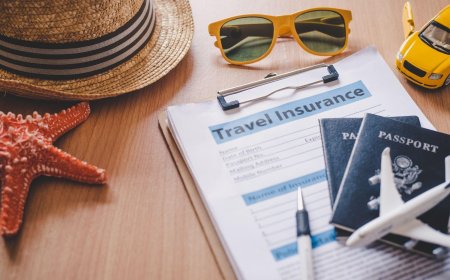
Purchase Travel Insurance
Travel insurance can provide valuable financial protection when hurricanes disrupt travel.
Depending on the policy, coverage may include reimbursement for trip cancellations, interruptions, additional accommodation costs, transportation expenses, and certain unexpected travel delays.
Policies differ significantly, so travelers should read the terms carefully before purchasing. Coverage often depends on when the policy was purchased relative to the timing of a named storm.
Insurance does not eliminate travel disruptions, but it may reduce unexpected financial losses.
Keep Important Documents Accessible
Travelers should keep passports, identification, travel insurance information, airline confirmations, hotel reservations, emergency contacts, and payment methods organized and easily accessible.
Digital copies stored securely on a mobile device or cloud service provide additional protection if paper documents become unavailable.
Having essential information readily available simplifies communication with airlines, hotels, insurance companies, and local authorities.
Pack for Unexpected Delays
Even short travel delays can become uncomfortable without proper preparation.
Packing a small emergency kit in carry-on luggage can help travelers remain comfortable if flights are delayed or airports become crowded.
Useful items may include medications, chargers, portable batteries, snacks, reusable water bottles, lightweight clothing, important documents, and personal hygiene supplies.
These items become especially valuable if checked baggage is temporarily unavailable.
Arrive at the Airport Early
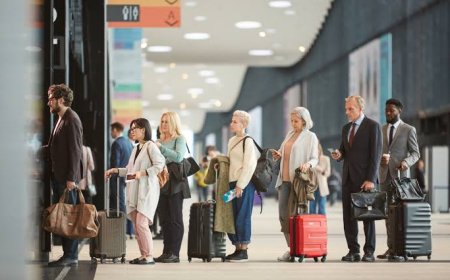
Weather disruptions often increase passenger traffic at airports.
Arriving earlier than usual provides additional time for check-in, security screening, baggage processing, and potential schedule adjustments.
Airlines may experience higher customer service demand when weather causes widespread disruptions.
Extra time reduces unnecessary stress during changing travel conditions.
Be Flexible with Your Itinerary
Flexibility is one of the most valuable tools during hurricane season.
Travelers who are willing to adjust departure dates, arrival airports, or connecting flights often find alternative travel options more quickly.
Some vacations may require minor itinerary adjustments rather than complete cancellation.
Remaining flexible increases the likelihood of completing the trip safely.
Cruise Travel during Hurricane Season
Cruise lines continuously monitor tropical weather using professional meteorologists.
When hurricanes threaten planned routes, ships often change ports of call, adjust sailing schedules, or modify itineraries to avoid dangerous conditions.
These changes prioritize passenger safety while allowing cruises to continue whenever possible.
Although destination changes can be disappointing, avoiding hazardous weather remains the safest course of action.
Respect Local Emergency Instructions
If travelers are already at their destination when a hurricane approaches, local emergency authorities should always be followed.
Governments may issue evacuation notices, curfews, shelter information, or transportation updates.
Ignoring official instructions can place travelers and emergency responders at unnecessary risk.
Hotels usually communicate emergency procedures directly to guests when severe weather threatens.
Avoid Unnecessary Travel during Storm Conditions
Traveling during the most dangerous phase of a hurricane should never be attempted unless directed by emergency authorities.
Flooded roads, fallen trees, damaged bridges, power outages, and strong winds create hazardous conditions.
Waiting until officials confirm that transportation systems are safe is the best approach.
Patience during these situations protects both travelers and local emergency personnel.
Returning Home After the Storm
Even after a hurricane passes, transportation systems may require time to resume normal operations.
Airports, ports, highways, and public transportation may reopen gradually following safety inspections.
Travelers should continue monitoring airline notifications and local government announcements before attempting to return home.
Understanding that recovery takes time helps reduce frustration during post-storm travel.
Conclusion
Hurricanes are a natural part of the Atlantic and Caribbean weather cycle, but they do not automatically prevent safe travel. Careful preparation, flexible planning, reliable weather information, appropriate travel insurance, and close communication with airlines and accommodations allow travelers to respond effectively when conditions change.
Modern forecasting systems provide valuable advance notice that helps governments, transportation providers, and travelers make informed decisions. By remaining patient, following official guidance, and prioritizing safety over schedules, travelers can successfully manage hurricane-related disruptions while protecting themselves and those around them.
What's Your Reaction?
 Like
0
Like
0
 Dislike
0
Dislike
0
 Love
0
Love
0
 Funny
0
Funny
0
 Angry
0
Angry
0
 Sad
0
Sad
0
 Wow
0
Wow
0