















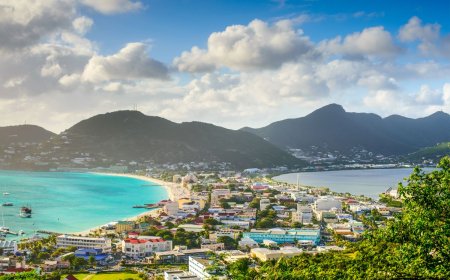





Boat Tours for Dolphin and Whale Watching
Boat Tours for Dolphin and Whale Watching offer one of the most memorable wildlife experiences in the Caribbean, allowing visitors to observe dolphins and whales in their natural habitat while supporting responsible marine tourism. The Caribbean is home to numerous species, including humpback whales, sperm whales, bottlenose dolphins, spinner dolphins, and Atlantic spotted dolphins. Popular destinations such as Dominica, the Dominican Republic, Puerto Rico, the Bahamas, Aruba, and Saint Lucia provide excellent opportunities for seasonal whale watching and year-round dolphin encounters. The guide explains how professional tours operate, the best times to visit, responsible wildlife viewing practices, photography tips, essential travel preparations, and the importance of marine conservation. It also highlights how sustainable boat tours benefit local communities while helping protect the Caribbean's rich marine ecosystem, making dolphin and whale watching one of the region's most rewarding eco-tourism activities.

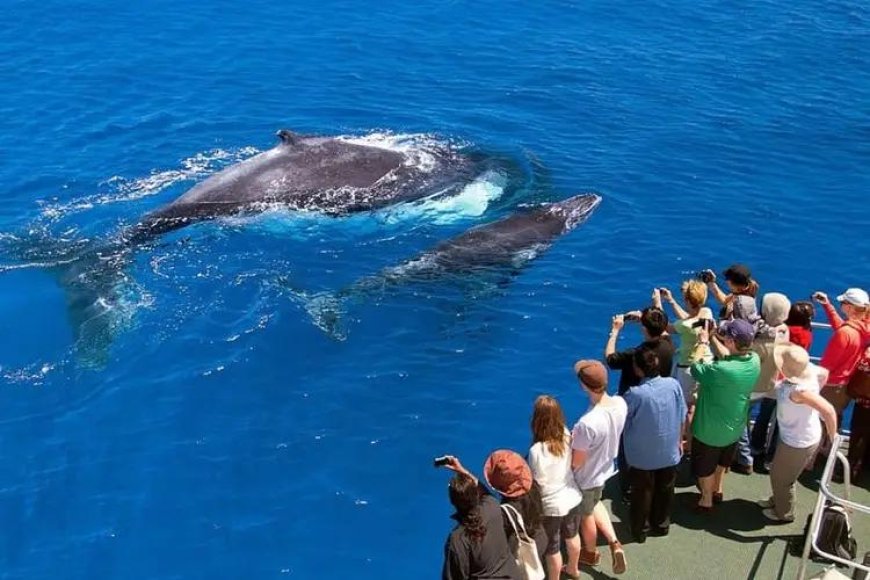
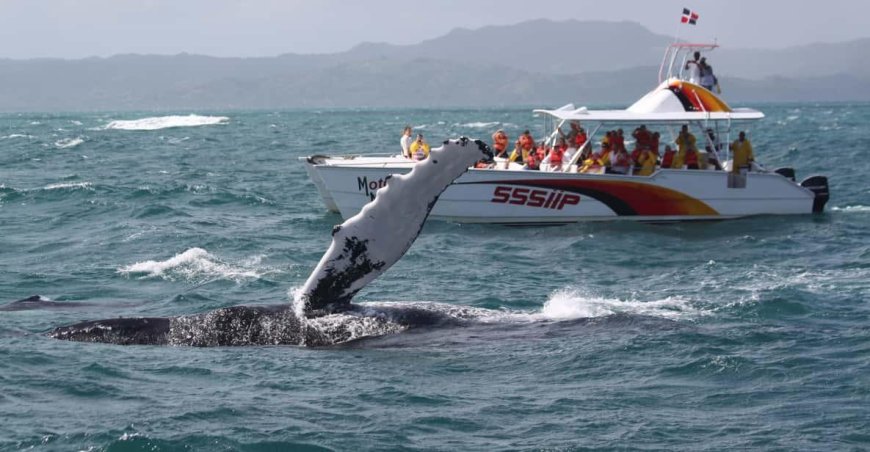
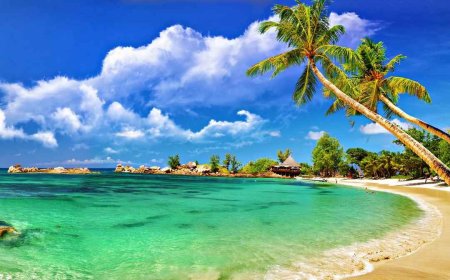
The Caribbean is known for its turquoise waters, coral reefs, tropical islands, and year-round warm weather, but beneath the surface lies one of the world's most fascinating marine ecosystems. Every year, travelers from across the globe visit the region not only to relax on its beaches but also to experience unforgettable encounters with dolphins and whales in their natural environment. Boat tours dedicated to dolphin and whale watching have become one of the fastest-growing forms of eco-tourism in the Caribbean, offering visitors the chance to observe some of the ocean's most intelligent and majestic animals while learning about marine conservation and local ecosystems.

Unlike marine parks or aquariums, wildlife watching tours allow animals to remain completely wild and free. Dolphins continue their daily routines of hunting, socializing, and travelling through coastal waters, while migrating humpback whales arrive in warm Caribbean seas to breed and raise their calves before returning to colder northern waters. Every trip is different because wildlife cannot be predicted with certainty. That unpredictability is part of the excitement, making every successful sighting feel unique and rewarding.
As interest in sustainable tourism continues to grow, responsible whale and dolphin watching has become an important source of income for many Caribbean communities. Tour operators now work closely with conservation organizations, marine researchers, and government agencies to ensure that tourism supports wildlife protection rather than disturbing it. For travelers seeking an activity that combines adventure, education, and nature, few experiences match the thrill of seeing a whale breach or a pod of dolphins swimming beside a boat.
Why the Caribbean Is One of the Best Places for Whale and Dolphin Watching
The Caribbean occupies a unique position between the Atlantic Ocean and the Gulf of Mexico, creating ideal conditions for a wide variety of marine mammals. Warm tropical waters provide breeding grounds for migratory whale species, while deep underwater trenches close to several islands support year-round populations of dolphins and even resident sperm whales.
More than twenty species of whales and dolphins have been recorded throughout the Caribbean region. Some remain throughout the year, while others migrate seasonally over thousands of kilometres. This diversity allows visitors to enjoy wildlife watching during almost any season, although the species encountered depend on the location and time of year.
The Caribbean's relatively calm seas, numerous protected bays, and modern tourism infrastructure have helped establish the region as one of the world's leading destinations for marine wildlife tourism. Many islands now offer professionally guided tours with experienced captains, certified naturalists, and comfortable vessels designed specifically for wildlife observation.
The Dolphins You May Encounter
Dolphins are among the Caribbean's most frequently observed marine mammals because many species live in the region year-round. The bottlenose dolphin is the species most travelers recognize, thanks to its playful behaviour and curved smile-like mouth. These dolphins often approach boats voluntarily, riding the waves created by the vessel and entertaining passengers with leaps and fast swimming.
Atlantic spotted dolphins are another common sight, particularly around the Bahamas. Younger animals display fewer spots, while adults develop increasingly distinctive patterns across their bodies as they mature. Their energetic behaviour makes them popular among wildlife photographers.
Spinner dolphins are famous for their spectacular spinning jumps. During aerial displays they rotate several times before re-entering the water. Although not seen everywhere in the Caribbean, they are common around certain islands where deep offshore waters are located close to the coast.
Pan tropical spotted dolphins, rough-toothed dolphins, Fraser's dolphins, and common dolphins may also appear during offshore tours depending on local conditions. Every sighting provides valuable insight into the rich biodiversity of Caribbean waters.
Whale Species Found in Caribbean Waters
The humpback whale is undoubtedly the star attraction for most visitors. Every winter these enormous mammals migrate from cold northern feeding grounds to warm Caribbean waters where females give birth and males compete for mates through dramatic displays and haunting underwater songs.
Adult humpback whales can reach lengths of approximately 16 meters and weigh more than 30 tons. Despite their size, they frequently leap completely out of the water in a behavior known as breaching. Scientists continue to study the exact reasons for this behavior, although communication, parasite removal, and social interaction are among the leading explanations.
Dominica offers one of the few places in the world where resident sperm whales can be observed throughout much of the year. Unlike humpback whales, sperm whales spend long periods diving to extraordinary depths in search of squid. They possess the largest brain of any animal on Earth and communicate using powerful clicking sounds that travel great distances underwater.
Other species occasionally recorded include pilot whales, Bride’s whales, false killer whales, and various beaked whales, although these are encountered less frequently during commercial tours.
Best Caribbean Destinations for Whale Watching
Several Caribbean islands have earned international recognition for exceptional whale watching opportunities.
The Dominican Republic's Samaná Bay is perhaps the region's best-known humpback whale destination. Between January and March, thousands of humpback whales gather in the protected waters surrounding the bay. Daily tours provide excellent opportunities to witness breaching, tail slapping, and mothers swimming alongside newborn calves.
Dominica has become internationally respected for sperm whale research. Because deep ocean trenches lie close to shore, sperm whales remain near the island throughout much of the year, allowing visitors to observe them without lengthy offshore journeys.
Puerto Rico, particularly the waters near Rincón, attracts migrating humpback whales during winter. The island combines wildlife viewing with excellent tourism facilities, making it an attractive destination for families.
Guadeloupe and Martinique also receive migrating humpback whales annually, while the Turks and Caicos Islands continue expanding their reputation for seasonal whale watching.
Popular Dolphin Watching Destinations
While whales migrate seasonally, dolphins remain visible throughout much of the Caribbean year-round.
The Bahamas offers outstanding opportunities to observe Atlantic spotted dolphins in exceptionally clear water. Several islands have become famous for both surface viewing and snorkeling excursions where regulations permit carefully managed interactions.
Aruba and Curaçao regularly report sightings of bottlenose dolphins during coastal cruises. Calm seas and excellent visibility make these islands popular among photographers.
Jamaica's northern coastline supports several dolphin species that are frequently observed during boat excursions departing from Montego Bay and Ocho Rios.
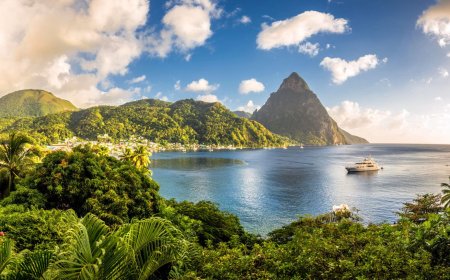
Antigua and Saint Lucia also offer reliable dolphin watching combined with scenic coastal tours that explore hidden coves, volcanic landscapes, and coral reefs.
What Happens During a Typical Tour?
Most dolphin and whale watching tours begin early in the morning when ocean conditions are generally calmer. After arriving at the marina, passengers receive a safety briefing explaining emergency procedures, wildlife viewing guidelines, and expected sea conditions.
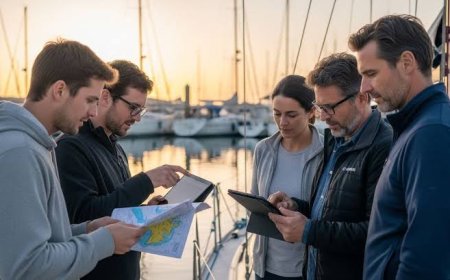
As the boat leaves the harbour, guides begin describing the local marine ecosystem and the species commonly observed during the season. Modern vessels use GPS navigation, marine radios, and recent wildlife reports to identify areas where animals have recently been sighted.
Once marine mammals are located, the captain gradually reduces speed while approaching from a respectful distance. Rather than chasing the animals, experienced operators position the vessel so passengers can observe natural behaviour without causing disturbance.
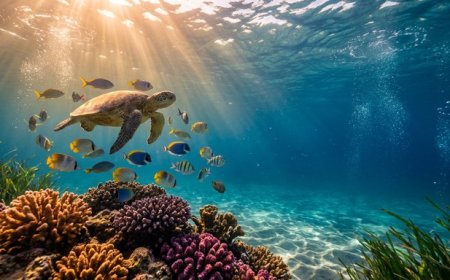
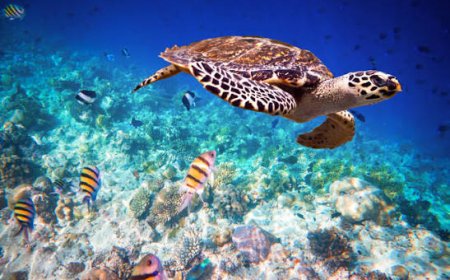
Tours usually last between two and five hours depending on destination, weather, and tour type. Many also include opportunities to observe seabirds, sea turtles, flying fish, and dramatic coastal scenery.
Responsible Wildlife Tourism
Responsible tourism plays a vital role in protecting Caribbean marine mammals. International guidelines encourage operators to maintain minimum observation distances, limit the number of boats near animals, and avoid separating mothers from calves.
Professional captains are trained to recognize signs of stress or disturbance. If whales change direction, increase swimming speed, or display avoidance behaviour, boats move farther away to reduce pressure.
Feeding dolphins or attempting to swim with wild whales is prohibited in many locations because these activities can alter natural behaviour and increase risks for both animals and humans.
Many tour operators contribute directly to conservation by recording sightings, photographing whale tail patterns for scientific identification, and supporting local research organizations.
Photography Tips
Photographing marine mammals presents unique challenges because animals appear unpredictably and often remain above the surface for only a few seconds.
A camera with continuous shooting mode improves the chances of capturing dramatic moments such as breaching whales or dolphins leaping beside the boat. Telephoto lenses between 200 and 400 millimetres provide excellent reach while allowing photographers to remain at safe observation distances.
For Smartphone users, patience is often more important than expensive equipment. Wide-angle photographs that include the ocean, coastline, and dramatic skies frequently tell a more complete story than tightly cropped wildlife images.
Above all, visitors should remember to spend time simply watching the animals rather than viewing the entire experience through a camera screen.
Preparing for the Trip
Comfortable preparation greatly improves the overall experience. Lightweight clothing, sunglasses, sunscreen, and a wide-brimmed hat provide protection from the tropical sun. Non-slip footwear offers better stability while moving around the deck.
Passengers prone to motion sickness should consider taking preventative medication before departure, especially during longer offshore tours. Bringing extra drinking water helps prevent dehydration, while waterproof bags protect electronic devices from sea spray.
Although most tour boats provide life jackets and essential safety equipment, travelers should carefully follow all crew instructions throughout the excursion.
The Importance of Marine Conservation
The popularity of whale and dolphin watching has increased awareness of threats facing marine mammals worldwide. Climate change, underwater noise pollution, plastic waste, fishing gear entanglement, and vessel collisions all present significant challenges for whale and dolphin populations.
Fortunately, eco-tourism has become a valuable conservation tool. Revenue generated by responsible wildlife tours supports scientific research, marine protected areas, environmental education, and sustainable employment opportunities for coastal communities.
Many Caribbean governments have strengthened regulations governing wildlife tourism while expanding protected marine parks that safeguard critical breeding and feeding habitats.
Conclusion
Boat tours for dolphin and whale watching provide far more than a sightseeing excursion. They offer an opportunity to witness the natural behaviour of some of the ocean's most remarkable animals while learning about marine ecology, migration, and conservation. Whether watching a humpback whale launch itself above the waves in the Dominican Republic, observing resident sperm whales near Dominica, or seeing playful bottlenose dolphins surf alongside a boat in the Bahamas, every encounter creates lasting memories that connect visitors with the natural world.
As responsible tourism continues to shape the Caribbean travel industry, these wildlife experiences also contribute to protecting marine ecosystems and supporting local communities. By choosing licensed operators that follow conservation guidelines, travelers help ensure that future generations will continue to enjoy these extraordinary encounters. For anyone planning a Caribbean vacation, a well-organized dolphin and whale watching tour remains one of the region's most educational, inspiring, and unforgettable adventures.
What's Your Reaction?
 Like
0
Like
0
 Dislike
0
Dislike
0
 Love
0
Love
0
 Funny
0
Funny
0
 Angry
0
Angry
0
 Sad
0
Sad
0
 Wow
0
Wow
0