






























Insider Tips for Festival Survival (Heat, Crowds, Food)
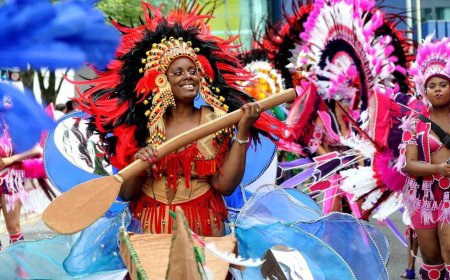
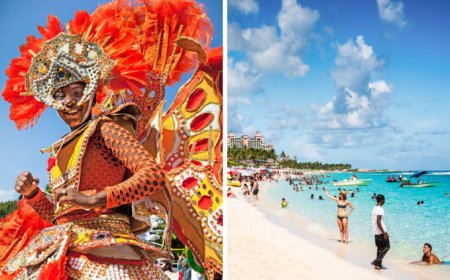
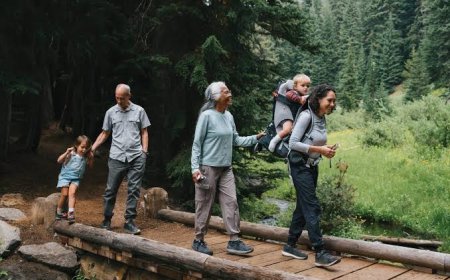
Festivals are exciting events that bring together music, food, culture, and community celebrations, but they can also present challenges such as extreme heat, large crowds, long hours of activity, and unfamiliar foods. Proper preparation and smart decision-making can help visitors stay comfortable, safe, and fully enjoy the experience. One of the biggest challenges at outdoor festivals is heat. Many events take place during warm seasons or in tropical destinations where high temperatures and humidity can quickly lead to fatigue and dehydration. Wearing lightweight and breathable clothing, choosing comfortable footwear, and protecting yourself from direct sunlight are important steps toward staying comfortable throughout the day.

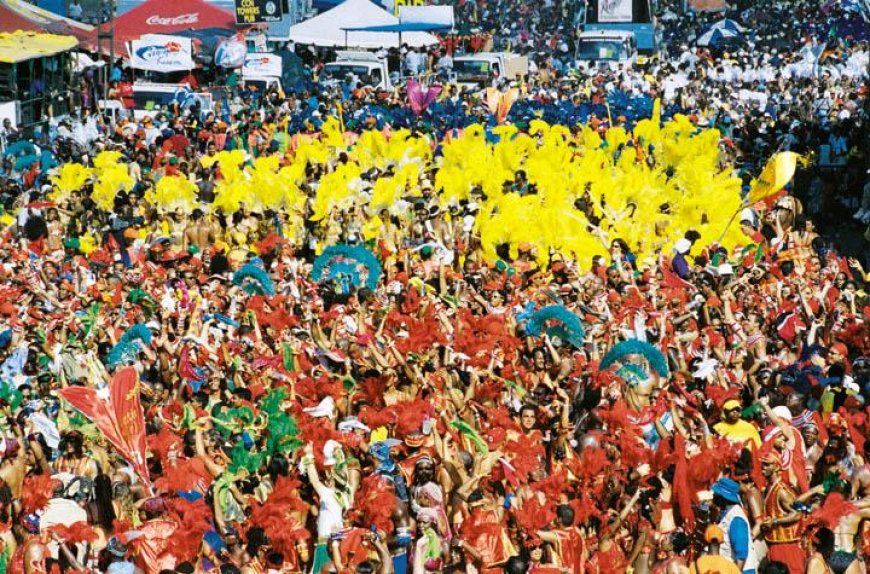
Festivals are among the most exciting travel experiences. Whether attending a music festival, cultural celebration, food festival, carnival, or religious event, festivals offer opportunities to experience local traditions, entertainment, and community spirit. However, festivals can also present challenges that many first-time visitors underestimate.

Large crowds, long hours outdoors, high temperatures, changing weather conditions, and unfamiliar foods can turn an enjoyable event into an uncomfortable experience if visitors are not prepared. Proper planning can significantly improve comfort, safety, and overall enjoyment.
Festival survival is not about avoiding the excitement. Instead, it involves making smart decisions before and during the event so that participants can enjoy the atmosphere without unnecessary stress.
Understanding how to manage heat, navigate crowds, and make safe food choices can make a major difference in the quality of the festival experience.
Understanding Festival Conditions
Every festival has its own environment. Some events take place in tropical destinations where temperatures and humidity remain high throughout the day. Others occur in busy city centers where large crowds can create additional heat and congestion. Many festivals involve standing for long periods, walking long distances, and spending extended hours outdoors.
Visitors who understand these conditions beforehand can prepare appropriately and avoid common problems such as dehydration, exhaustion, and frustration. Researching the event before arrival is one of the most effective ways to improve festival experiences.
Preparing Before the Festival
Successful festival experiences often begin days before the event.
Travelers should learn:
- Festival schedules
- Venue maps
- Entry requirements
- Transportation options
- Weather forecasts
- Available facilities
Knowing where restrooms, water stations, medical tents, and food areas are located can save time and reduce stress. Preparation also allows visitors to pack suitable clothing and necessary supplies. Good planning often prevents many problems that occur during crowded events.
Dressing for Hot Weather
Heat is one of the biggest challenges at outdoor festivals.
Wearing the wrong clothing can quickly lead to discomfort and fatigue.
Lightweight and breathable fabrics help regulate body temperature and reduce sweating.
Loose-fitting clothing often provides greater comfort during long periods outdoors.
Light-colored clothing may absorb less heat than darker colors.
Comfortable footwear is equally important because festivals often require considerable walking and standing. Choosing practical clothing rather than focusing entirely on fashion can significantly improves the experience.
Protecting Yourself from the Sun
Sun exposure is a serious concern at many festivals.
Hours spent outdoors can lead to:
- Sunburn
- Dehydration
- Heat exhaustion
- Fatigue
Sunscreen should be applied before arriving and reapplied throughout the day according to product instructions. Hats and sunglasses provide additional protection. Whenever possible, visitors should take advantage of shaded areas and avoid remaining in direct sunlight continuously. Protecting the skin not only improves comfort but also reduces long-term health risks.
Staying Hydrated
Dehydration is one of the most common reasons festival attendees feel unwell.
People often underestimate how much fluid they lose through sweating, particularly in warm climates.
Drinking water regularly throughout the day is essential.
Waiting until feeling thirsty may mean dehydration has already begun.
Many experienced festival visitors make hydration one of their highest priorities.
Electrolyte drinks may also be helpful after prolonged exposure to heat or physical activity.
Proper hydration improves energy levels and concentration.
Recognizing Heat Exhaustion
Heat exhaustion can develop gradually.
Common symptoms include:
- Headache
- Dizziness
- Weakness
- Heavy sweating
- Nausea
- Muscle cramps
Ignoring these symptoms can lead to more serious heat-related illnesses.
Anyone experiencing these signs should move to a shaded or cool area, drink water, and rest.
Seeking medical assistance is important if symptoms worsen or fail to improve.
Understanding these warning signs can prevent emergencies.
Managing Energy throughout the Day
Many people become exhausted because they try to do too much.
Festivals often involve long schedules with numerous activities.
Taking regular breaks helps maintain energy levels.
Sitting in shaded areas, eating balanced meals, and resting periodically can improve endurance.
Experienced festival attendees often plan quiet periods during the day rather than remaining active continuously.
Managing energy wisely allows people to enjoy the entire event rather than becoming exhausted early.
Understanding Crowd Dynamics
Large festivals may attract thousands or even hundreds of thousands of people.
Crowded environments can become stressful, particularly for visitors unfamiliar with large gatherings.
Patience is essential.
Moving slowly and avoiding unnecessary rushing often improves safety and reduces anxiety.
Understanding how crowds behave can help visitors make better decisions and avoid dangerous situations.
Arriving Early
One of the best festival strategies is arriving early.
Early arrival offers several advantages:
- Easier parking
- Shorter entry lines
- Better viewing locations
- More time to become familiar with the venue
Arriving early also reduces stress and allows visitors to settle into the environment before crowds become larger.
Many experienced attendees consider this one of the most valuable festival survival techniques.
Choosing Meeting Points
Groups often become separated during crowded events.
Establishing a meeting point in advance can save considerable time and worry.
Mobile networks sometimes become overloaded during large festivals, making communication difficult.
Having a predetermined location for regrouping can prevent confusion if people become separated.
This is especially important for families with children.
Keeping Personal Belongings Secure
Crowded environments require extra attention to personal belongings.
Valuable items should be stored securely.
Many experienced festival visitors carry only essential items.
Using bags that remain close to the body can reduce the risk of loss or theft.
Keeping phones charged is also important for communication and emergencies.
Simple precautions can greatly reduce problems during busy events.
Using Festival Maps
Large festivals can be confusing.
Maps help visitors locate:
- Food vendors
- Restrooms
- Medical stations
- Performance areas
- Information centers
Understanding the layout of the venue reduces unnecessary walking and saves time.
Many festivals now offer digital maps through mobile applications.
Becoming familiar with the venue early often improves the overall experience.
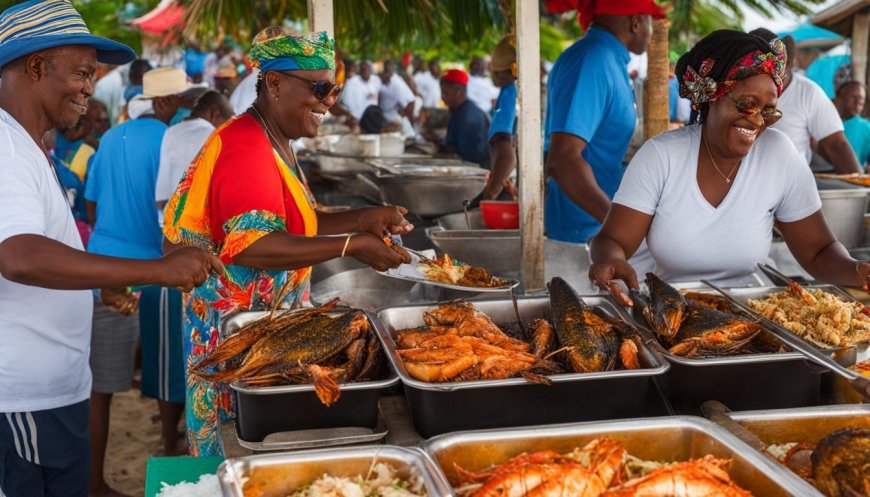
Choosing Food Carefully
Food is often one of the highlights of any festival.
However, long hours in warm temperatures can affect food safety.
Visitors should purchase food from vendors that appear clean and organized.
Freshly prepared meals are generally preferable to food that has been sitting for long periods.
Choosing reputable vendors can reduce the risk of food-related illnesses.
Trying Local Foods
Festivals provide excellent opportunities to experience local cuisine.
Trying new dishes can become one of the most memorable aspects of travel.
However, moderation is important.
Eating excessively rich or unfamiliar foods all at once may lead to digestive discomfort.
Introducing new foods gradually often allows visitors to enjoy local cuisine without unnecessary problems.
Managing Food Allergies
Individuals with food allergies should exercise particular caution.
Ingredients may differ from what travelers are accustomed to at home.
Asking vendors about ingredients is important whenever there is uncertainty.
Carrying necessary medications is essential for those with known allergies.
Planning ahead significantly reduces health risks.
Eating Regularly
Some festival attendees become so busy that they forget to eat.
Skipping meals can contribute to:
- Fatigue
- Dizziness
- Irritability
- Reduced energy
Balanced meals and occasional snacks help maintain energy throughout long days.
Regular eating also improves concentration and physical endurance.
Staying Safe at Night
Many festivals continue into the evening.
Reduced visibility and increasing fatigue can affect judgment.
Travelers should remain aware of their surroundings and avoid isolated areas.
Knowing transportation options before the event ends can also improve safety.
Planning the journey back to accommodations in advance often reduces stress and confusion.
Respecting Local Customs
Many festivals have deep cultural or religious significance.
Visitors should take time to understand local customs and traditions.
Respectful behaviour contributes positively to both personal experiences and community relationships.
Following local guidelines regarding dress, photography, and behavior demonstrates cultural sensitivity.
Understanding the meaning behind festival traditions often enriches the experience.
Maintaining Flexibility
Unexpected situations can occur during any festival.
Weather changes, schedule adjustments, transportation delays, and long lines are common.
Maintaining a flexible attitude often leads to a more enjoyable experience.
Focusing on the overall experience rather than minor inconveniences allows visitors to appreciate the event more fully.
Conclusion
Festivals offer unforgettable opportunities to experience culture, entertainment, food, and community celebrations. However, enjoying these events requires preparation and awareness.
Managing heat through proper hydration, sun protection, and appropriate clothing can prevent discomfort and illness. Understanding crowd behaviour, planning meeting points, and securing personal belongings improve safety and reduce stress. Making thoughtful food choices and respecting local customs further enhance the experience.
Festival survival is ultimately about balancing excitement with preparation. Travelers who plan ahead, remain flexible, and take care of their physical well-being are more likely to enjoy memorable and rewarding festival experiences wherever they choose to celebrate.
What's Your Reaction?
 Like
0
Like
0
 Dislike
0
Dislike
0
 Love
0
Love
0
 Funny
0
Funny
0
 Angry
0
Angry
0
 Sad
0
Sad
0
 Wow
0
Wow
0