



























Caribbean Caves You Can Explore
Caribbean caves are among the region’s most fascinating natural attractions, offering visitors the chance to explore underground landscapes shaped by geological processes over thousands or even millions of years. While the Caribbean is widely known for its beaches and tropical scenery, many islands also feature extensive cave systems that contain limestone formations, underground rivers, crystal-clear pools, archaeological sites, and unique wildlife. Most Caribbean caves are formed in limestone through the gradual action of slightly acidic rainwater dissolving rock over long periods. This process creates tunnels, chambers, stalactites, stalagmites, and other impressive formations. Some caves continue to evolve today as water flows through them, while others preserve ancient geological features that provide valuable scientific information.

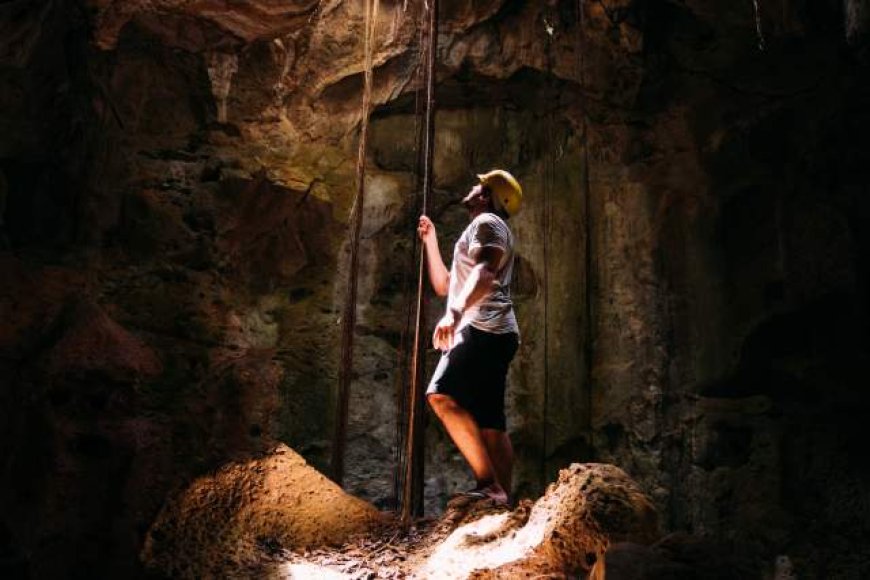
The Caribbean is widely known for its beaches, coral reefs, tropical forests, and historic towns, but beneath the surface of many islands lies another remarkable attraction: caves. These underground landscapes have been shaped over thousands or even millions of years by natural geological processes, creating networks of chambers, tunnels, underground rivers, and impressive rock formations.

Many Caribbean caves are open to visitors and offer opportunities for guided tours, hiking, swimming, and educational experiences. Some contain ancient Indigenous rock art, while others are home to bats, rare plants, and underground lakes. Certain caves have historical importance because they served as shelters during conflicts or as ceremonial sites for early civilizations.
The diversity of Caribbean caves reflects the region’s varied geology. Islands with limestone formations often contain extensive cave systems created by water dissolving rock over long periods. Volcanic islands may feature lava tubes or caves formed through different geological processes.
Exploring caves allows travelers to experience a different side of the Caribbean beyond its coastlines. Visitors can learn about natural history, archaeology, biology, and local culture while observing underground environments that remain relatively unchanged over centuries.
Proper preparation and respect for conservation rules are essential because caves often contain fragile ecosystems that require careful protection.
How Caribbean Caves Form
Most Caribbean caves develop in limestone landscapes through a process called chemical weathering. Rainwater absorbs carbon dioxide from the atmosphere and soil, creating a weak natural acid. Over long periods, this acidic water slowly dissolves limestone, enlarging cracks and creating underground passages.
As water continues flowing through these channels, larger chambers and tunnel systems emerge. Mineral deposits carried by dripping water gradually build formations such as stalactites hanging from ceilings and stalagmites rising from floors. Some caves contain underground streams or pools that continue shaping the rock today. Others have become dry after changes in water levels or geological conditions. The result is a variety of cave environments ranging from narrow passages to enormous chambers with dramatic natural features.
Why Cave Tourism Is Growing
Interest in cave tourism has increased as travelers seek nature-based experiences and educational activities. Unlike many outdoor attractions, caves provide opportunities to observe geological formations, wildlife, archaeology, and history within a single location. Guided tours often explain how caves formed and describe the species that inhabit these unique ecosystems.
Adventure travelers may enjoy hiking through cave systems, swimming in underground pools, or participating in specialized caving experiences where permitted.
Families and school groups also benefit from cave visits because they combine recreation with science and history education. Many Caribbean destinations now include cave exploration as part of broader ecotourism initiatives that promote environmental awareness and sustainable travel.
Harrison's Cave, Barbados
Harrison's Cave is one of the Caribbean's best-known limestone cave systems and a major attraction in Barbados. Visitors can explore impressive chambers containing stalactites, stalagmites, flowing streams, and underground pools. The cave has been developed for tourism with guided tram tours that allow visitors to access areas safely while minimizing environmental impact.
Inside the cave, carefully designed lighting highlights geological formations created over thousands of years. Water continues flowing through portions of the system, demonstrating the natural processes responsible for cave formation.
Educational interpretation helps visitors understand Barbados' geological history and the significance of limestone landscapes across the island. The accessibility of Harrison's Cave makes it suitable for many travelers who may have little prior experience with cave exploration.
Green Grotto Caves, Jamaica
Green Grotto Caves combines geological interest with historical importance. The cave system contains interconnected chambers and an underground lake, attracting visitors interested in both natural and cultural heritage. Throughout history, the caves have reportedly been used by Indigenous communities, escaped enslaved people, and military groups seeking shelter during periods of conflict. Guided tours explain these historical connections while introducing visitors to cave ecology and geological development.
Bats inhabit parts of the cave, making conservation efforts particularly important for maintaining local biodiversity.
Green Grotto demonstrates how Caribbean caves often serve multiple roles as natural landmarks, wildlife habitats, and historical sites.
Cueva Ventana, Puerto Rico
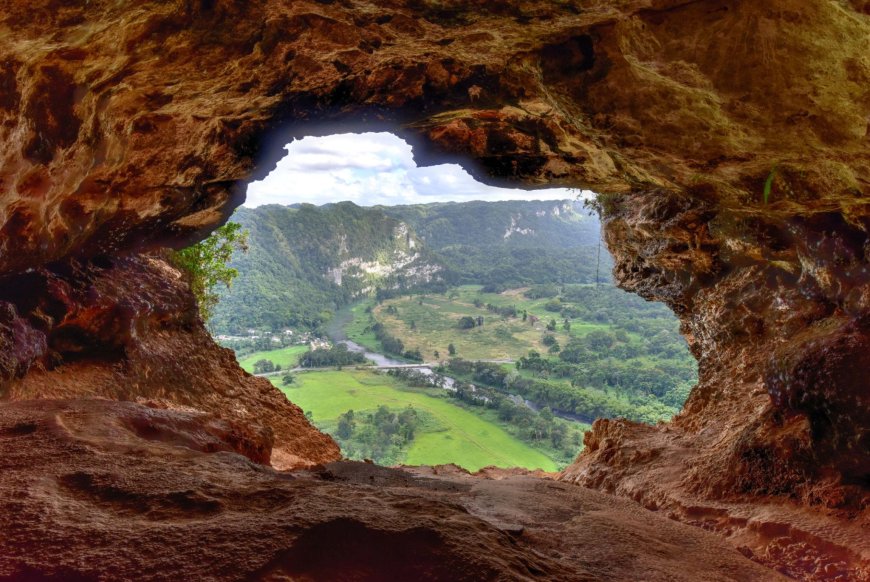
Cueva Ventana has become famous for its large natural opening overlooking the Río Grande de Arecibo valley. Visitors hike through the cave before reaching the dramatic "window" that frames surrounding forests and mountains. Along the route, guides discuss geological history, local wildlife, and Indigenous cultural significance. Bats and other cave-adapted species contribute to the ecosystem inside the cave.
The final viewpoint has become one of Puerto Rico's most photographed natural attractions because it combines underground exploration with expansive landscape views. Safety procedures and guided access help protect both visitors and the cave environment.
Rio Camuy Cave Park, Puerto Rico
Rio Camuy Cave Park protects part of one of the largest cave systems in the Western Hemisphere. The underground network includes sinkholes, rivers, caverns, and limestone formations created through long-term water erosion. Guided tours introduce visitors to the geological processes shaping the caves and explain the importance of groundwater systems within Puerto Rico's environment.
Because portions of the cave system remain under scientific study, conservation measures help preserve sensitive areas while allowing controlled tourism. The park demonstrates the complexity of Caribbean karst landscapes and their ecological significance.
Cueva de las Maravillas, Dominican Republic
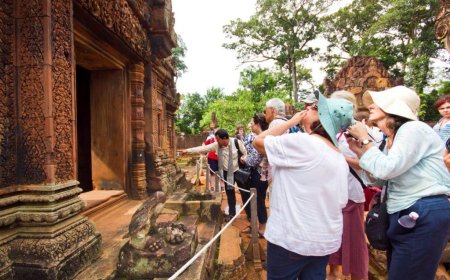
Cueva de las Maravillas is notable for both its natural beauty and archaeological importance. The cave contains numerous preserved pictographs and petroglyphs created by the Taíno people, offering valuable insight into pre-Columbian Caribbean history. Modern visitor infrastructure includes walkways and lighting designed to protect fragile formations and cultural resources.
Guided tours discuss Indigenous traditions alongside geological development, providing a multidisciplinary educational experience. The combination of archaeology and cave science makes this site particularly significant within the Caribbean.
The Lucayan Caverns, Bahamas
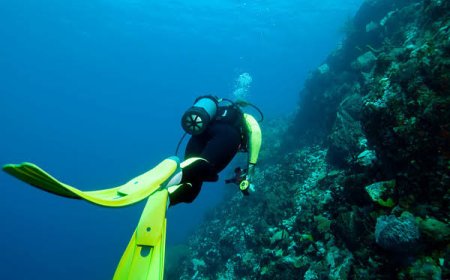
Lucayan National Park contains one of the world's longest mapped underwater cave systems. Although access to underwater passages is generally restricted to qualified divers and researchers, visitors can explore sections of the park through boardwalks and guided trails. The caves demonstrate how changing sea levels have influenced geological development over thousands of years. The surrounding ecosystems include mangroves, forests, and coastal habitats that support diverse wildlife. Educational programs help visitors understand connections between caves, groundwater, and marine environments.
Wildlife Found in Caribbean Caves
Many Caribbean caves provide habitat for specialized wildlife. Bat colonies are among the most common inhabitants and play important ecological roles through insect control and seed dispersal. Certain caves also support unique invertebrates adapted to low-light environments. Some species occur nowhere else in the world.
Birds may nest near cave entrances, while reptiles occasionally use caves for shelter. Protecting these ecosystems requires minimizing disturbance and following conservation guidelines during visits. Responsible tourism helps preserve habitats while supporting research and environmental education.
Cave Safety for Visitors
Exploring caves requires awareness of safety procedures. Visitors should wear appropriate footwear with good traction because cave floors may be uneven or slippery. Guided tours often recommend comfortable clothing suitable for humid conditions. Remaining with guides and staying on designated pathways protects both visitors and sensitive geological formations.
Touching stalactites and stalagmites should generally be avoided because oils from human skin can interfere with natural mineral deposition. Photography rules vary by location, particularly in areas containing archaeological resources or wildlife. Following safety instructions allows visitors to enjoy cave environments while minimizing environmental impact.
Conservation and Sustainable Tourism
Caribbean caves are fragile natural resources requiring careful management. Tourism provides economic benefits that support conservation efforts, but excessive visitation can damage geological formations and disturb wildlife. Many protected cave systems limit visitor numbers, require guided access, and maintain elevated walkways to reduce physical impact.
Scientific research continues improving understanding of cave ecosystems and informing management practices. Visitors contribute to conservation by respecting regulations, avoiding litter, and supporting responsible tourism operators. Protecting caves today ensures future generations can continue learning from and appreciating these remarkable underground environments.
Conclusion
Caribbean caves offer visitors opportunities to explore geology, archaeology, history, and biodiversity in settings very different from the region's famous beaches. Sites such as Harrison's Cave in Barbados, Green Grotto Caves in Jamaica, Cueva Ventana and Rio Camuy Cave Park in Puerto Rico, Cueva de las Mara villas in the Dominican Republic, and the Lucayan cave system in the Bahamas demonstrate the remarkable diversity of underground landscapes found across the islands.
These caves provide educational experiences while supporting ecotourism and conservation initiatives. Guided exploration allows travelers to observe ancient rock formations, underground rivers, wildlife habitats, and cultural artifacts that reveal both natural history and human history.
As interest in nature-based tourism grows, Caribbean caves continue attracting visitors seeking meaningful experiences beyond traditional resort vacations. Responsible exploration and conservation will remain essential to preserving these unique environments for future generations.
What's Your Reaction?
 Like
0
Like
0
 Dislike
0
Dislike
0
 Love
0
Love
0
 Funny
0
Funny
0
 Angry
0
Angry
0
 Sad
0
Sad
0
 Wow
0
Wow
0