






























Must-Try Caribbean Street Sweets
Must Try Caribbean Street Sweets explores the rich dessert traditions found across the Caribbean islands. The guide introduces popular treats such as Jamaica's Coconut Drops and Gizzada, the Bahamas' Guava Duff, Barbados' Sweet Bread, Trinidad's Sugar Cake, Grenada's Nutmeg Cake, Puerto Rico's Tembleque, Cuba's Guava Pastries, and many more. It explains the history of Caribbean sweets, the use of local ingredients like coconut, cassava, tropical fruits, sugar cane, and spices, and highlights how different cultures have influenced regional dessert traditions. The guide also covers festival sweets, traditional cooking methods, beverage pairings, food safety tips, budgeting advice, souvenir shopping, and the best places to discover authentic street desserts, making it a practical resource for travellers and food enthusiasts exploring Caribbean cuisine.

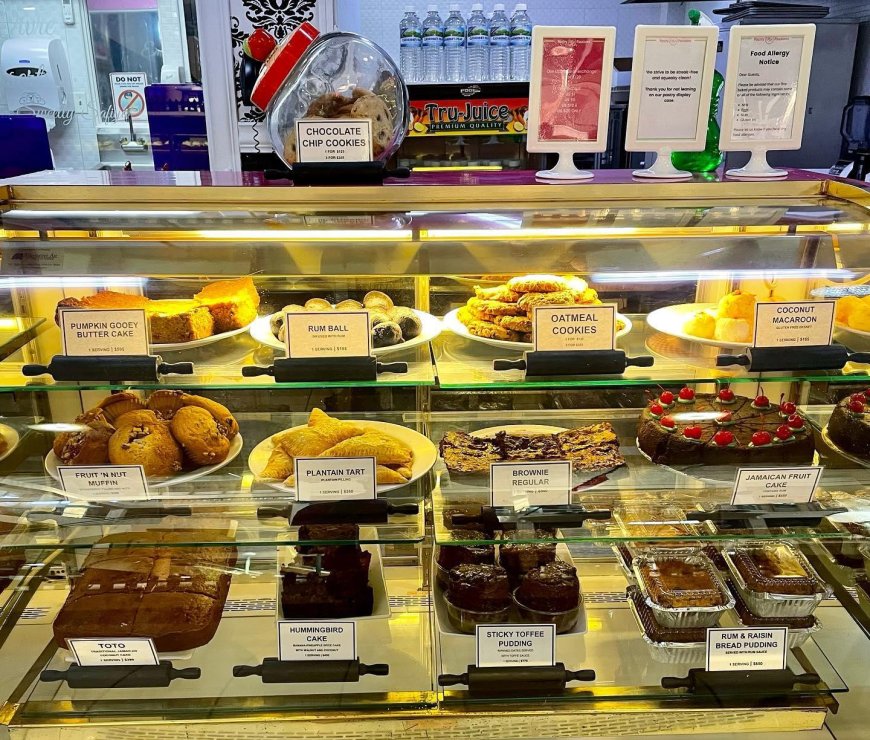
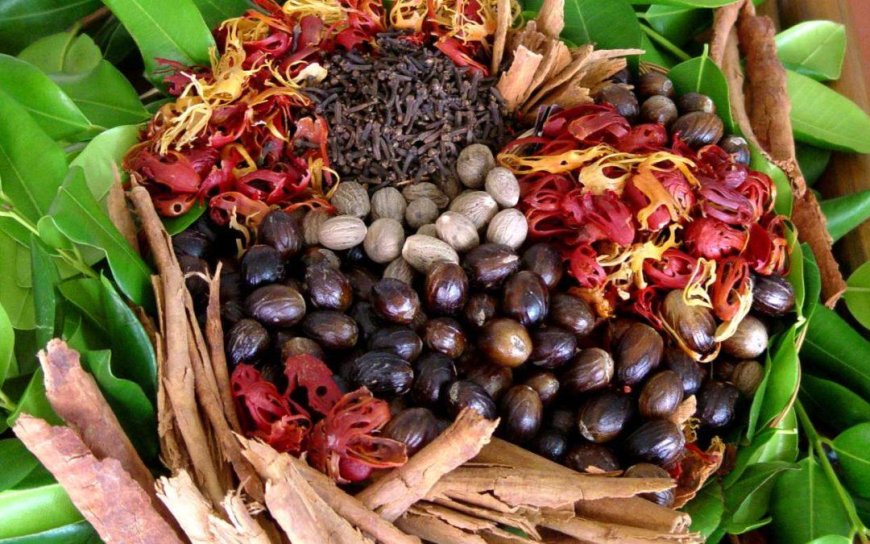
The Caribbean is known worldwide for its beaches, tropical climate, colourful festivals, and rich culinary traditions. While dishes such as jerk chicken, seafood, curries, and grilled fish often receive international attention, the region's traditional sweets deserve equal recognition. Caribbean street desserts reflect the history, agriculture, and cultural diversity of the islands. Every recipe tells a story shaped by Indigenous communities, European settlers, African traditions, Indian influences, and generations of local families who adapted recipes using ingredients available on their islands.

Street sweets are an important part of everyday life throughout the Caribbean. Travelers can find them at roadside stalls, public markets, neighbourhood bakeries, fishing villages, beach kiosks, school fundraisers, community festivals, and family-owned shops. Many desserts are made fresh every morning using recipes that have remained largely unchanged for decades.
Unlike luxury restaurant desserts, Caribbean street sweets are affordable and deeply connected to local traditions. Vendors often prepare them by hand using fresh coconut, sugar cane, tropical fruits, spices, cassava, sweet potatoes, condensed milk, peanuts, and local flour. Many families have passed these recipes from one generation to another, making them an important part of the region's cultural identity.
For visitors, trying street sweets offers more than a chance to satisfy a sweet tooth. It provides an opportunity to experience local culture, support small businesses, and discover flavors that are difficult to find outside the Caribbean.
The History of Caribbean Street Sweets
The history of Caribbean desserts stretches back hundreds of years. Before European colonization, Indigenous peoples such as the Taíno and Kalinago used cassava, sweet potatoes, tropical fruits, honey, and coconut in their cooking. Their knowledge of local plants laid the foundation for many dishes that continue to be enjoyed today.
European colonization introduced wheat flour, dairy products, sugar production, and baking techniques. Sugar plantations transformed the Caribbean into one of the world's largest sugar-producing regions, making sugar an abundant ingredient in local cooking.
African communities brought valuable culinary knowledge, including methods for preparing coconut, plantains, peanuts, and root vegetables. Many modern Caribbean desserts owe their textures and cooking styles to African traditions.
Indian indentured workers later introduced spices such as cardamom, cloves, nutmeg, cinnamon, and ginger, along with sweets that influenced desserts in Trinidad and Tobago, Guyana, and other islands.
Chinese immigrants also contributed cooking methods and ingredients that blended into Caribbean food culture.
Over time these diverse influences combined with local produce to create the unique desserts found throughout today's Caribbean.
Why Caribbean Street Sweets Are Different
Several characteristics make Caribbean sweets stand apart from desserts found in other regions.
First, many recipes depend on ingredients grown locally rather than imported products.
Second, desserts often emphasize natural fruit flavours instead of heavy frostings or artificial flavorings.
Third, traditional cooking methods remain common. Vendors continue to grate fresh coconut by hand, slowly caramelize sugar, and bake many desserts in family ovens or traditional outdoor kitchens.
Finally, desserts vary significantly from one island to another. A coconut candy in Jamaica may differ considerably from one prepared in Trinidad or Barbados.
Common Ingredients Used in Caribbean Desserts
One reason Caribbean desserts have such distinctive flavours is the abundance of tropical ingredients available throughout the region.
Coconut
Coconut is perhaps the single most important ingredient in Caribbean sweets.
It appears in:
- Coconut Drops
- Sugar Cake
- Coconut Tarts
- Sweet Bread
- Coconut Candy
- Coconut Fudge
- Coconut Cakes
- Coconut Pudding
Fresh coconut provides both flavour and texture while contributing natural oils that enrich desserts.
Sugar Cane
Sugar production shaped Caribbean history for centuries.
Today sugar remains a key ingredient in traditional sweets.
Both white sugar and brown sugar are widely used.
Brown sugar is especially common because it adds deeper flavour to candies and baked goods.
Tropical Fruits
Fresh fruits play an important role in Caribbean desserts.
Popular fruits include:
- Mango
- Guava
- Pineapple
- Banana
- Plantain
- Papaya
- Passion Fruit
- Tamarind
- Soursop
Breadfruit (occasionally in sweet recipes)
Many desserts change seasonally depending on fruit harvests.
Cassava
Cassava has been cultivated in the Caribbean for centuries.
Grated cassava forms the base of several desserts including Cassava Pone.
Its naturally starchy texture creates moist cakes and puddings.
Sweet Potatoes
Sweet potatoes appear in numerous Caribbean puddings and cakes.
Combined with coconut milk and spices, they create rich desserts enjoyed during holidays and community celebrations.
Local Spices
The Caribbean produces many world-famous spices.
Common dessert seasonings include:
- Nutmeg
- Cinnamon
- Ginger
- Cloves
- Vanilla
- Allspice
Grenada's reputation as the "Spice Isle" reflects the importance of these ingredients.
Where Travelers Find Street Sweets
Visitors can discover authentic desserts in many locations.
Popular places include:
- Public markets
- Farmers' markets
- Roadside food stalls
- Local bakeries
- Community fairs
- Carnival celebrations
- Beach vendors
- Village festivals
Morning visits usually provide the freshest selection because many desserts are baked early each day.
Jamaica's Famous Street Sweets
Jamaica has one of the Caribbean's richest dessert traditions.
Many recipes have remained popular for generations.
Local bakeries, roadside vendors, and community markets offer dozens of sweet treats throughout the island.
Coconut Drops
Coconut Drops rank among Jamaica's best-known traditional candies.
Fresh coconut is cut into small cubes rather than grated.
Brown sugar, ginger, cinnamon, and sometimes vanilla are slowly cooked until they form a thick syrup.
The coconut pieces are mixed into the syrup before spoonfuls are dropped onto trays to cool.
The result combines chewy coconut with warm spice flavors.
Travelers commonly find Coconut Drops at roadside stalls and neighbourhood bakeries.
Gizzada
Gizzada is another Jamaican favourite.
This small tart features a crisp pastry shell filled with sweet grated coconut flavored with ginger, nutmeg, cinnamon, and brown sugar.
The pastry edges are pinched into a flower-like shape that makes Gizzada easy to recognize.
Freshly baked versions remain especially popular.
Grater Cake
Grater Cake uses finely grated coconut combined with sugar.
Many versions include natural food coloring, creating pink-and-white layers.
The candy develops a firm texture while remaining slightly chewy.
Children throughout Jamaica have enjoyed Grater Cake for generations.
Peanut Drops
Peanut Drops combine roasted peanuts with caramelized brown sugar and fresh ginger.
Unlike many peanut candies, Jamaican Peanut Drops contain noticeable ginger flavor.
Vendors typically prepare them in small batches throughout the day.
Toto
Toto is a traditional coconut cake enjoyed throughout Jamaica.
Ingredients include:
- Coconut
- Flour
- Brown sugar
- Cinnamon
- Nutmeg
- Vanilla
The finished cake remains moist while offering rich coconut flavour.
Many bakeries sell individual slices.
Traditional Jamaican Markets
Markets provide excellent opportunities to sample desserts.
Popular market locations include:
Kingston markets
Montego Bay craft markets
Ocho Rios vendors
Local parish markets
Buying directly from local vendors helps preserve traditional recipes while supporting family businesses.
Bahamian Street Sweets
The Bahamas has developed several desserts that combine tropical fruits with British baking traditions.
Many recipes appear during holidays while others are available throughout the year.
Guava Duff
Guava Duff is considered one of the Bahamas' signature desserts.
Sweet guava filling is rolled inside soft dough before steaming.
Slices are served with warm butter sauce or rum sauce.
Festival vendors often prepare freshly steamed Guava Duff throughout the day.
Coconut Tart
Bahamian Coconut Tart combines flaky pastry with sweet coconut filling.
The filling usually contains:
- Fresh coconut
- Sugar
- Vanilla
- Cinnamon
Its simple ingredients make it one of the most widely available desserts.
Pineapple Tarts
Fresh Bahamian pineapples provide natural sweetness for these pastries.
Pineapple filling is cooked until thick before being placed inside buttery pastry shells.
The balance between fruit and pastry makes Pineapple Tarts especially popular.
Coconut Candy
Bahamian Coconut Candy resembles versions found on other Caribbean islands but often includes local variations in spices and cooking time.
Many roadside vendors continue making it by hand.
Rum Cake
Rum Cake has become closely associated with Bahamian celebrations.
Although available year-round, demand increases during holidays.
The cake contains dried fruit soaked in rum before baking.
Barbados and Its Sweet Traditions
Barbados combines British baking traditions with Caribbean ingredients.
The result is a wide variety of breads, cakes, pastries, and coconut-based desserts.
Sweet Bread
Sweet Bread is among Barbados' best-known baked goods.
Unlike ordinary bread, it contains:
- Grated coconut
- Raisins
- Cherries
- Mixed fruit
- Nutmeg
- Cinnamon
The loaf is commonly sliced and enjoyed with tea or coffee.
Coconut Turnovers
Barbadian bakeries prepare Coconut Turnovers daily.
The flaky pastry surrounds sweet grated coconut flavored with spices.
Fresh turnovers remain especially popular during breakfast hours.
Guava Jam Tarts
Guava grows well throughout Barbados.
Many bakeries use homemade guava jam inside small pastry shells.
These tarts provide a balance of fruit sweetness and crisp pastry.
Bread Pudding
Barbados also prepares Bread Pudding using leftover bread combined with:
- Milk
- Eggs
- Cinnamon
- Nutmeg
- Raisins
Although simple, the dessert remains popular with local families.
Coconut Cakes
Small coconut cakes appear frequently in local bakeries.
Some recipes include condensed milk while others rely on fresh coconut and brown sugar.
Food Safety When Buying Street Sweets
Travelers can safely enjoy street desserts by following a few practical guidelines.
Choose vendors with a steady flow of customers, as high turnover usually means food is fresh.
Look for clean preparation areas and properly covered baked goods.
Fresh fruit should ideally be peeled or cut in front of customers.
Desserts containing dairy should be purchased from vendors who store them appropriately, especially on hot days.
Supporting Local Communities
Buying traditional sweets from neighbourhood vendors benefits more than the traveler.
These purchases help support:
- Family-owned bakeries
- Local coconut farmers
- Fruit growers
- Market vendors
- Community festivals
- Traditional food producers
Every purchase contributes to preserving recipes that have been passed down for generations.
Trinidad and Tobago
Trinidad and Tobago has one of the Caribbean's most diverse food cultures. African, Indian, Chinese, Middle Eastern, and European influences have shaped the country's desserts, creating a wide selection of sweets found in bakeries and local markets.
Sugar Cake
Sugar Cake is among Trinidad's best-known traditional sweets.
Unlike some Caribbean coconut candies, Trinidadian Sugar Cake often features bright pink and white colors.
The dessert combines:
- Fresh grated coconut
- Sugar
- Vanilla
- Water
- Natural flavorings
The mixture is cooked until it reaches a firm consistency before being cut into squares.
Its crunchy exterior and soft coconut texture make it a favourite snack throughout the islands.
Tamarind Balls
Tamarind Balls are sold throughout Trinidad and Tobago.
Fresh tamarind pulp is mixed with sugar before being rolled into small balls.
Some vendors also add:
- Chili powder
- Salt
- Pepper
This combination creates a balance of sweet, sour, and mildly spicy flavours.
Travelers often find Tamarind Balls at roadside fruit stands and local markets.
Coconut Bar
Coconut Bar resembles a chewy coconut candy.
Fresh coconut is cooked with brown sugar until firm enough to slice into rectangular bars.
Its rich coconut flavour makes it one of Trinidad's classic homemade desserts.
Barfi
Although originally from India, Barfi has become part of Trinidad's dessert culture.
Local versions sometimes incorporate:
- Coconut
- Condensed milk
- Pistachios
- Almonds
- Cardamom
These sweets are especially common during cultural festivals.
Where to Find Desserts in Trinidad
Visitors can explore:
- Port of Spain markets
- San Fernando bakeries
- Chaguanas food stalls
- Carnival food vendors
- Agricultural fairs
Morning visits usually offer the widest selection of freshly prepared desserts.
Grenada – The Spice Isle
Grenada's reputation as the "Spice Isle" strongly influences its desserts.
Nutmeg, cinnamon, cloves, and ginger appear in many traditional recipes.
Nutmeg Cake
Nutmeg Cake highlights one of Grenada's most famous exports.
The cake combines:
- Freshly grated nutmeg
- Cinnamon
- Brown sugar
- Flour
- Butter
- Vanilla
The warm spice flavour distinguishes it from similar cakes found elsewhere.
Coconut Drops
Grenadian Coconut Drops resemble Jamaican versions but often contain more spice.
Fresh ginger is commonly added.
The chewy coconut texture remains a favourite among both locals and visitors.
Cassava Pone
Cassava Pone remains one of Grenada's oldest traditional desserts.
It combines:
- Grated cassava
- Coconut milk
- Brown sugar
- Nutmeg
- Cinnamon
- Butter
The mixture is baked until the outside becomes lightly browned while the inside stays moist.
Sweet Potato Pudding
Sweet potatoes grow throughout Grenada.
Many families prepare Sweet Potato Pudding using:
- Coconut milk
- Cinnamon
- Nutmeg
- Vanilla
The dessert is especially popular during family gatherings.
Spice Markets
Grenada's spice markets often sell:
- Fresh nutmeg.
- Cinnamon sticks.
- Cloves.
- Homemade spice blends.
Many dessert vendors prepare sweets using spices purchased directly from local farmers.
Saint Lucia
Saint Lucia combines French culinary traditions with Caribbean ingredients.
The island's desserts emphasize fresh fruit and coconut.
Coconut Cakes
Small coconut cakes remain popular throughout Saint Lucia.
Recipes often include:
- Fresh coconut
- Brown sugar
- Nutmeg
- Vanilla
Neighbourhood bakeries prepare them daily.
Banana Bread
Bananas grow abundantly across Saint Lucia.
Local Banana Bread often contains:
- Cinnamon
- Nutmeg
- Ripe bananas
It is commonly enjoyed with coffee or tea.
Plantain Tarts
Ripe plantains naturally become sweeter as they mature.
Many Saint Lucian bakeries prepare small pastries filled with mashed ripe plantains.
Some versions include coconut.
Fresh Fruit Desserts
Street vendors frequently sell cups containing:
- Mango
- Pineapple
- Papaya
- Watermelon
- Passion fruit
Fresh fruit remains one of the healthiest Caribbean desserts.
Antigua
Antigua's desserts emphasize simple local ingredients.
Many recipes require only coconut, sugar, tropical fruit, and spices.
Coconut Tarts
Flaky pastry filled with sweet coconut remains one of Antigua's bakery favourites.
Freshly baked tarts are available throughout the day.
Banana Fritters
Banana Fritters transform ripe bananas into golden fried snacks.
The batter commonly includes:
- Flour
- Sugar
- Cinnamon
- Nutmeg
Some vendors dust them with powdered sugar before serving.
Tamarind Balls
Like many neighbouring islands, Antigua prepares Tamarind Balls using fresh tamarind pulp and sugar.
Spicy versions also remain popular.
Sugar Cake
Antiguan Sugar Cake combines grated coconut with sugar before being cooked into firm candy.
It remains a common snack during community festivals.
Dominica
Dominica's fertile volcanic soil supports abundant agriculture.
Many desserts feature ingredients grown locally.
Cassava Cake
Cassava Cake remains one of Dominica's oldest traditional desserts.
Fresh cassava gives the cake its moist texture.
Coconut Candy
Handmade coconut candy appears in markets throughout the island.
Recipes vary between families.
Sweet Potato Pudding
Dominica prepares Sweet Potato Pudding using coconut milk and island spices.
Many recipes have remained unchanged for generations.
Fresh Fruit
Dominica's fruit vendors offer:
- Mangoes
- Guavas
- Pineapples
- Bananas
- Papayas
These fruits often become the simplest and freshest desserts available.
St. Kitts & Nevis
St. Kitts & Nevis continues many traditional Caribbean baking practices.
Small bakeries produce fresh desserts daily.
Coconut Sugar Cake
This candy combines:
- Coconut
- Sugar
- Vanilla
- Local spices
The result is firm yet slightly chewy.
Coconut Tarts
Flaky pastry filled with sweet coconut remains among the islands' most recognizable bakery items.
Ginger Cake
Fresh ginger gives this cake its distinctive flavour.
The recipe often includes:
- Cinnamon
- Nutmeg
- Brown sugar
Many local families prepare Ginger Cake during holidays.
Common Ingredients across These Islands
Although recipes vary, several ingredients appear repeatedly:
- Coconut
- Brown sugar
- Sugar cane
- Cassava
- Sweet potatoes
- Bananas
- Plantains
- Nutmeg
- Cinnamon
- Ginger
- Vanilla
- Tropical fruits
Fresh local produce continues to define Caribbean desserts.
Best Places to Buy Traditional Street Sweets
Travelers usually find authentic desserts at:
- Public markets
- Roadside stalls
- Village bakeries
- Community festivals
- Carnival celebrations
- Agricultural fairs
- Weekend farmers' markets
Purchasing directly from local vendors supports small businesses and traditional cooking methods.
Tips for Dessert Travelers
To enjoy Caribbean street sweets safely and authentically:
Visit markets early for the freshest selection.
Choose vendors with steady customer traffic.
Carry small cash, as many vendors do not accept cards.
Sample smaller portions to try a wider variety of desserts.
Ask vendors about ingredients if you have allergies.
Tembleque
Tembleque is one of Puerto Rico's best-known desserts.
Made with:
- Coconut milk
- Cornstarch
- Sugar
- Cinnamon
- Vanilla
It has a smooth, creamy texture and is served chilled. Although especially popular during Christmas, many bakeries prepare it year-round.
Quesitos
Quesitos are flaky pastries filled with sweetened cream cheese.
Some bakeries add:
- Guava paste
- Honey
- Powdered sugar
They are commonly enjoyed as a breakfast pastry with coffee.
Arroz con Dulce
This traditional rice pudding includes:
- Coconut milk
- Rice
- Cinnamon
- Ginger
- Raisins
- Cloves
It is especially popular during family gatherings and holiday celebrations.
Dulce de Coco
Dulce de Coco is a chewy coconut candy made by slowly cooking fresh coconut with sugar until thick and caramelized.
Many roadside vendors prepare small batches daily.
Cuba
Cuban desserts reflect Spanish culinary traditions while making use of tropical fruits and locally grown sugar cane.
Pastelitos de Guayaba
These flaky pastries contain sweet guava paste wrapped inside buttery puff pastry.
Some bakeries also include cream cheese for additional richness.
Flan
Flan is among Cuba's most recognizable desserts.
Made from:
- Eggs
- Milk
- Sugar
- Vanilla
It is topped with a smooth caramel sauce.
Cocada
Cocada is Cuba's version of coconut candy.
Fresh grated coconut is cooked with sugar until firm.
Some recipes include condensed milk for a softer texture.
Boniatillo
Made from sweet potatoes, sugar, cinnamon, and citrus zest, Boniatillo highlights one of Cuba's traditional root crops.
Dominican Republic
The Dominican Republic has a dessert culture centered around coconut, milk, beans, and tropical fruits.
Habichuelas con Dulce
This unusual dessert combines:
- Red beans
- Coconut milk
- Sugar
- Cinnamon
- Sweet potatoes
- Raisins
It is traditionally served during Holy Week.
Dulce de Leche
Local versions of milk caramel are sold throughout the country.
Some are sliced into blocks while others have a spreadable consistency.
Coconut Candy
Fresh coconut cooked with sugar remains one of the country's classic street sweets.
Corn Pudding
Sweet corn pudding combines corn with milk, sugar, cinnamon, and butter to create a soft baked dessert.
Aruba
Aruban desserts reflect Dutch, Caribbean, and Latin American influences.
Bolo Preto
This rich fruit cake contains dried fruit soaked in rum, along with spices and caramelized sugar.
It is often prepared for weddings and holiday celebrations.
Coconut Cookies
Small coconut cookies are widely available in local bakeries.
Fresh coconut provides both flavour and texture.
Dutch-Inspired Pastries
Many Aruban bakeries prepare pastries influenced by Dutch baking traditions while incorporating Caribbean fruits such as guava and coconut.
Curaçao
Curaçao's multicultural history has created a unique dessert tradition.
Bolo di Kashupete
This traditional cashew cake uses locally grown cashews together with sugar, eggs, and spices.
Coconut Candy
Fresh coconut candies remain popular at local markets.
Recipes vary between families.
Fruit Tarts
Fresh tropical fruits often appear in colourful bakery tarts sold throughout Willemstad.
Bonaire
Bonaire's desserts emphasize simple island ingredients.
Popular sweets include:
Coconut Tarts
Banana Cakes
Coconut Candy
Fruit Pastries
Many local cafés prepare desserts using seasonal fruits grown on the island.
Martinique
Martinique blends French pastry traditions with Caribbean ingredients.
Flan Coco
A creamy coconut custard flavored with vanilla and cinnamon.
Torment d'Amour
This pastry consists of a buttery crust filled with coconut, guava, or banana jam.
Originally associated with nearby Les Saintes, it is widely enjoyed throughout the French Caribbean.
Coconut Cakes
French baking techniques produce lighter coconut cakes than many English-speaking islands.
Guadeloupe
Guadeloupe shares many dessert traditions with Martinique.
Visitors commonly find:
- Coconut Tarts
- Guava Pastries
- Flan Coco
- Fruit Cakes
- Tropical Jam Tarts
French bakeries remain central to daily life throughout the islands.
Festival Sweets across the Caribbean
Many desserts appear only during special celebrations.
Examples include:
- Christmas cakes
- Easter puddings
- Carnival pastries
- Harvest festival candies
- Coconut confections
- Fruit cakes
- Rice puddings
Travelers visiting during festivals often discover recipes unavailable at other times of the year.
Regional Dessert Traditions
Several themes unite Caribbean dessert culture despite differences between islands.
Common traditions include:
Using fresh coconut whenever possible.
Cooking with brown sugar from local cane production.
Flavoring desserts with cinnamon, nutmeg, cloves, ginger, and vanilla.
Preparing sweets by hand rather than using industrial production.
Passing recipes through families for generations.
Selling desserts in neighbourhood bakeries and community markets.
These traditions help preserve regional culinary identity.
Best Places to Find Authentic Desserts
Travelers looking for genuine Caribbean sweets should visit:
- Municipal markets
- Farmers' markets
- Family-owned bakeries
- Community festivals
- Fishing villages
- Carnival celebrations
- Local cafés
- Village food stalls
These locations often provide fresher products than large tourist areas.
Tips for Dessert Lovers
To experience the widest variety of Caribbean desserts:
Visit bakeries early in the morning.
Ask residents for neighbourhood favourites.
Try seasonal fruit desserts.
Purchase freshly prepared items.
Carry small cash for independent vendors.
Sample several smaller desserts instead of one large serving.
These simple strategies help travelers experience more of each island's culinary heritage.
Carnival Sweets
Carnival is celebrated across many Caribbean islands with music, dance, colorful costumes, and street food. Alongside savoury dishes, vendors prepare a wide range of desserts to serve thousands of festival visitors.
Popular Carnival sweets include:
- Coconut Drops
- Sugar Cake
- Peanut Drops
- Coconut Tarts
- Banana Bread
- Sweet Bread
- Tamarind Balls
- Fresh Fruit Cups
These desserts are easy to carry and can be enjoyed while watching parades or attending cultural events.
Many vendors begin preparing sweets before sunrise to meet the high demand during Carnival celebrations.
Christmas Desserts
Christmas is one of the Caribbean's most important food celebrations. Families prepare traditional desserts that are often made only once each year.
Black Cake
Black Cake is perhaps the Caribbean's most famous Christmas dessert.
Ingredients typically include:
- Dried fruits
- Brown sugar
- Butter
- Eggs
- Flour
- Mixed spices
- Rum or wine (in many traditional recipes)
The dried fruits are often soaked for weeks or months before baking, creating a rich texture and deep flavour.
Although recipes vary between islands, Black Cake is widely enjoyed in Jamaica, Trinidad and Tobago, Barbados, Guyana, and several other Caribbean nations.
Sorrel Cake Pairings
Many families enjoy slices of Black Cake with chilled sorrel, a festive drink made from hibiscus calyces, spices, and citrus. The combination has become a traditional part of Christmas meals throughout much of the Caribbean.
Sweet Bread
Sweet Bread is another holiday favourite.
Recipes usually include:
- Fresh coconut
- Raisins
- Mixed fruit
- Nutmeg
- Cinnamon
- Vanilla
Families often bake several loaves to share with neighbours and visiting relatives.
Easter Specialties
Easter traditions differ between islands but often feature desserts prepared specifically during Holy Week.
Hot Cross Buns
Hot Cross Buns are widely available in Caribbean bakeries during Easter.
They contain:
- Raisins
- Cinnamon
- Nutmeg
- Mixed spices
Many families enjoy them toasted with butter.
Habichuelas con Dulce
In the Dominican Republic, Habichuelas con Dulce is closely associated with Holy Week.
This dessert combines red beans, coconut milk, sugar, sweet potatoes, cinnamon, and raisins into a creamy pudding-like dish shared with family and friends.
Coconut Puddings
Several islands prepare coconut puddings for Easter family gatherings.
Fresh coconut milk remains the defining ingredient.
Harvest Festival Treats
Agriculture continues to shape Caribbean dessert traditions.
During harvest festivals, vendors prepare sweets using freshly harvested crops.
Common ingredients include:
- Mangoes
- Pineapples
- Guavas
- Bananas
- Plantains
- Sweet potatoes
- Cassava
- Coconut
Seasonal fruit pies and fresh fruit cups become especially popular during these celebrations.
Traditional Cooking Methods
One feature that distinguishes Caribbean desserts is the continued use of traditional preparation techniques.
Hand-Grating Coconut
Fresh coconut is still grated by hand in many communities.
Although electric graters are becoming more common, hand-grating remains part of traditional preparation in family kitchens.
Slow Caramelization
Many coconut candies require sugar to be slowly heated until it reaches the proper consistency before coconut is added.
This careful process gives candies their characteristic texture.
Wood-Fired Baking
Some rural communities continue using wood-fired ovens for baking breads and cakes.
These ovens produce gentle, even heat and contribute subtle smoky aromas.
Open-Pot Cooking
Desserts such as Coconut Drops, Sugar Cake, and peanut candies are often prepared in large open pots over gas or charcoal heat.
Continuous stirring prevents burning while ensuring even caramelization.
Regional Baking Techniques
Different islands have developed distinct baking styles.
English-speaking islands commonly produce:
- Coconut cakes
- Sweet breads
- Fruit cakes
- Cassava puddings
French Caribbean islands often emphasize:
- Custards
- Flans
- Fruit tarts
- Pastries
Spanish-speaking islands commonly prepare:
- Rice puddings
- Guava pastries
- Coconut desserts
- Milk-based sweets
Dutch Caribbean islands combine European pastries with tropical ingredients.
Traditional Beverage Pairings
Desserts are frequently enjoyed with local beverages.
Popular combinations include:
Sorrel
A traditional holiday drink flavored with cinnamon, cloves, ginger, and citrus.
Pairs well with Black Cake.
Ginger Beer
Fresh homemade ginger beer balances rich desserts through its spicy flavour.
Coconut Water
Natural coconut water complements coconut-based desserts without overwhelming sweetness.
Caribbean Coffee
Many islands produce high-quality coffee.
Fresh coffee pairs especially well with pastries and cakes.
Cocoa Tea
Several Caribbean communities prepare hot cocoa beverages using locally grown cocoa.
These drinks accompany breads and cakes during breakfast or evening gatherings.
Cultural Importance of Caribbean Desserts
Desserts occupy an important place in Caribbean family life.
Many recipes are prepared for:
- Weddings
- Birthdays
- Religious holidays
- Community festivals
- School celebrations
- Independence events
- Family reunions
Preparing desserts together strengthens family traditions and preserves culinary knowledge.
Passing Recipes Between Generations
Many Caribbean dessert recipes are not written down.
Instead, grandparents teach children through observation and practice.
Measurements are often estimated rather than precisely weighed.
This informal teaching has helped preserve traditional recipes for centuries.
Community Baking
Before major festivals, neighbours frequently help each other prepare large quantities of desserts.
Shared baking strengthens community relationships while reducing preparation time.
This tradition remains common in smaller Caribbean villages.
Modern Influences
Contemporary Caribbean bakeries continue adapting traditional desserts.
New trends include:
- Reduced-sugar recipes
- Vegan coconut cakes
- Gluten-free cassava baking
- Organic ingredients
- Decorative pastry presentation
Fusion desserts combining local and international flavours
Despite these innovations, traditional recipes remain widely appreciated.
Sustainable Dessert Ingredients
Many Caribbean desserts naturally support sustainable agriculture because they rely on ingredients grown locally.
Examples include:
- Fresh coconut
- Cassava
- Sweet potatoes
- Bananas
- Plantains
- Mangoes
- Guavas
- Pineapples
- Nutmeg
- Cinnamon
Purchasing locally made desserts helps support regional farmers and small food businesses.
Tips for Festival Visitors
Travelers attending Caribbean festivals can enjoy desserts more comfortably by following a few simple recommendations:
Arrive early to purchase freshly prepared sweets.
Carry small cash for independent vendors.
Drink plenty of water in the tropical climate.
Try small portions of several desserts rather than one large serving.
Ask vendors about ingredients if you have food allergies.
Visit local bakeries in addition to festival stalls for a wider variety.
Public Markets
Municipal markets are excellent places to sample freshly prepared sweets.
Popular items include:
- Coconut Drops
- Tamarind Balls
- Sugar Cake
- Banana Bread
- Coconut Tarts
- Fresh Fruit Cups
Morning visits generally provide the widest selection.
Family-Owned Bakeries
Small bakeries often specialize in traditional recipes passed down through generations.
Advantages include:
- Freshly baked products
- Consistent quality
- Local ingredients
- Seasonal specialties
- Affordable prices
Many neighbourhoods have bakeries that have served the same community for decades.
Roadside Vendors
Roadside vendors sell many of the Caribbean's best-known sweets.
Common offerings include:
- Peanut Drops
- Coconut Candy
- Banana Fritters
- Fresh fruit
- Cassava Cakes
These vendors often prepare desserts in small batches throughout the day.
Community Festivals
Local festivals remain among the best opportunities to discover desserts unavailable elsewhere.
Festival vendors frequently prepare family recipes reserved for special celebrations.
Agricultural Fairs
Agricultural exhibitions highlight locally grown produce.
Dessert stalls commonly feature:
- Mango pastries
- Guava pies
- Coconut cakes
- Pineapple tarts
- Sweet potato puddings
These events also allow travelers to meet local farmers and food producers.
Budgeting for Street Sweets
One advantage of Caribbean street desserts is their affordability.
Most traditional sweets cost much less than desserts served in hotels or fine-dining restaurants.
Travelers can sample several different treats without significantly increasing their vacation budget.
Budget-conscious visitors may consider:
Buying smaller portions.
Sharing desserts with companions.
Visiting local bakeries instead of tourist cafés.
Shopping at neighbourhood markets.
Carrying small denominations of local currency is helpful because some independent vendors may not accept electronic payments.
Food Safety Tips
Enjoying street food safely begins with choosing reputable vendors.
Look for Busy Vendors
High customer turnover usually indicates that food is prepared regularly and served fresh.
Observe Food Handling
Choose vendors who:
Keep food covered.
Maintain clean preparation areas.
Handle food carefully.
Store ingredients properly.
Purchase Freshly Prepared Desserts
Whenever possible, buy desserts that have recently been baked or prepared.
Fresh fruit should ideally be peeled or cut in front of customers.
Be Mindful of Dairy-Based Desserts
Custards, cream-filled pastries, and milk-based puddings should be purchased from vendors who keep them properly chilled, especially in warm tropical weather.
Ask About Ingredients
Many Caribbean desserts contain:
- Coconut
- Peanuts
- Tree nuts
- Wheat flour
- Eggs
- Dairy
Travelers with allergies should ask vendors about ingredients before purchasing.
Nutrition
Traditional Caribbean desserts often rely on fresh local ingredients rather than heavily processed products.
Common ingredients include:
- Coconut
- Tropical fruits
- Cassava
- Sweet potatoes
- Peanuts
- Nutmeg
- Cinnamon
- Ginger
These ingredients provide dietary fiber, vitamins, minerals, and healthy plant compounds.
However, many traditional recipes also contain significant amounts of sugar. Enjoying desserts in moderation allows travelers to experience local cuisine while maintaining a balanced diet.
Fresh fruit cups remain one of the healthiest dessert choices available throughout the Caribbean.
Local Spices
Visitors often purchase:
- Nutmeg
- Cinnamon
- Vanilla
- Cloves
- Allspice
These spices allow travelers to recreate Caribbean recipes at home.
Fruit Preserves
Many islands produce:
- Guava jam
- Mango jam
- Pineapple preserves
- Coconut jam
These products are commonly sold in local markets.
Rum Cakes
Commercially packaged rum cakes remain one of the Caribbean's most popular edible souvenirs.
Travelers should verify customs regulations before transporting food products internationally.
Supporting Local Businesses
Buying traditional desserts directly from local vendors benefits the wider community.
Purchases help support:
- Family bakeries
- Coconut farmers
- Fruit growers
- Small food producers
- Community markets
- Local festivals
Choosing locally made products encourages the preservation of traditional recipes.
Modern Caribbean Dessert Trends
Although traditional recipes remain popular, younger bakers are introducing new ideas while respecting local culinary heritage.
Current trends include:
Vegan coconut desserts
Reduced-sugar recipes
Gluten-free cassava baking
Organic ingredients
Artisan chocolate desserts
Tropical fruit cheesecakes
Gourmet pastries using local flavours
These innovations attract younger consumers while preserving classic Caribbean ingredients.
Sustainable Dessert Production
Many Caribbean desserts naturally support sustainable agriculture because they rely heavily on locally grown crops.
Common sustainable ingredients include:
- Coconut
- Cassava
- Sweet potatoes
- Bananas
- Plantains
- Mangoes
- Guavas
- Pineapples
- Cocoa
- Nutmeg
Supporting local producers helps strengthen island economies and reduces dependence on imported ingredients.
Tips for Dessert Enthusiasts
Travelers hoping to experience the full variety of Caribbean sweets should:
Visit local markets early in the day.
Explore neighbourhood bakeries away from major tourist districts.
Sample seasonal fruit desserts.
Attend local festivals whenever possible.
Carry small cash for independent vendors.
Purchase locally produced ingredients as souvenirs.
Try a variety of smaller portions rather than one large dessert.
These simple practices allow visitors to discover more regional specialties during a single trip.
What's Your Reaction?
 Like
0
Like
0
 Dislike
0
Dislike
0
 Love
0
Love
0
 Funny
0
Funny
0
 Angry
0
Angry
0
 Sad
0
Sad
0
 Wow
0
Wow
0