










Caribbean Folklore That Inspires Local Festivals
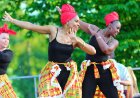
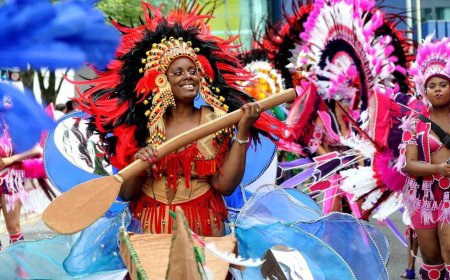
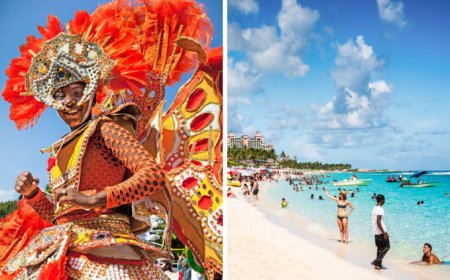
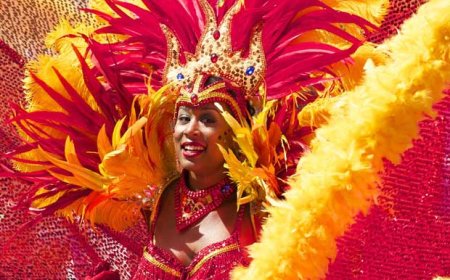
Caribbean folklore plays a major role in shaping local festivals across the region. These traditions developed through centuries of African heritage, Indigenous Caribbean beliefs, European colonial influence, spiritual practices, and oral storytelling. Folklore in the Caribbean is more than mythology or entertainment. It reflects historical memory, cultural identity, resistance, spirituality, and community life. Many Caribbean festivals are directly inspired by folklore characters, ancestral traditions, and spiritual beliefs. Carnival celebrations across islands such as Trinidad and Tobago, Dominica, Grenada, Haiti, and Jamaica include masquerades, drumming, dance, and costumes connected to old folklore traditions. These performances often preserve stories and cultural practices that survived slavery and colonial rule.

The Caribbean is one of the most culturally diverse regions in the world. Across the islands, folklore continues to shape music, dance, religious traditions, storytelling, festivals, costumes, food, and community celebrations. Caribbean folklore is not simply entertainment or mythology. It reflects centuries of history involving African heritage, Indigenous Caribbean traditions, European colonial influence, Indian migration, spiritual practices, slavery, resistance movements, and local community identity.

Many Caribbean festivals are directly connected to folklore traditions that have survived through oral storytelling and cultural performance. Characters once spoken about around village fires now appear in modern carnivals, parades, drumming ceremonies, masquerades, and religious celebrations. Folklore remains deeply connected to how Caribbean communities preserve historical memory and cultural identity.
The Caribbean region includes independent nations and territories influenced by:
- African traditions
- Indigenous Caribbean cultures
- French colonial history
- British colonial history
- Spanish influence
- Dutch influence
- Indian indentured labour history
- Chinese migration
- Middle Eastern migration
Because of this mixture, Caribbean folklore varies from island to island while still sharing certain themes across the region. Stories about spirits, tricksters, supernatural creatures, ancestors, and protective forces appear in many Caribbean cultures.
These stories often developed during difficult historical periods. Enslaved Africans brought spiritual traditions, oral storytelling systems, music, and ceremonial practices to the Caribbean. Colonial authorities frequently restricted cultural expression, forcing communities to preserve traditions secretly through coded songs, masked performances, and nighttime gatherings.
Over time, folklore became closely tied to festivals and public celebrations.
Carnival traditions in islands like Trinidad and Tobago, Dominica, Grenada, Haiti, and St. Lucia include characters inspired by folklore and historical resistance. Religious festivals in Cuba, Jamaica, Haiti, and the Dominican Republic incorporate African spiritual traditions mixed with Christianity. Traditional masquerade performances across the Eastern Caribbean continue using folklore figures that date back hundreds of years.
Modern Caribbean festivals are now major tourism attractions. Millions of visitors travel annually to experience carnival celebrations, street parades, drumming festivals, and heritage events. However, behind the tourism economy, folklore remains an important cultural foundation.
Recent cultural heritage programs across the Caribbean continue emphasizing folklore preservation through:
- School education
- Oral history recording
- Museum projects
- Community performances
- Cultural tourism initiatives
- Festival restoration programs
Governments and cultural organizations increasingly recognize that folklore traditions represent important historical and economic assets.
This article explores the major folklore traditions that continue inspiring Caribbean festivals today. It explains how myths, spirits, oral storytelling, masquerade traditions, and ancestral beliefs shape modern celebrations across the region.
The article also examines:
- African influence on Caribbean folklore
- Indigenous Caribbean spiritual traditions
- Carnival characters
- Supernatural folklore figures
- Folk music traditions
- Ritual performances
- Community storytelling
- Festival tourism
- Cultural preservation
- Modern reinterpretations of folklore
The goal is to provide a detailed and realistic understanding of how Caribbean folklore continues influencing local festivals in 2026.
Understanding Caribbean Folklore
Caribbean folklore developed through centuries of cultural exchange, migration, survival, and resistance.
Unlike written literary traditions in Europe, much Caribbean folklore was preserved orally. Stories passed from one generation to another through:
- Storytelling gatherings
- Songs
- Drumming
- Rituals
- Dance performances
- Community ceremonies
- Seasonal celebrations
Folklore often served practical purposes within communities.
Stories warned children about danger, explained natural events, preserved spiritual beliefs, or criticized social injustice indirectly. In many cases, folklore became a way for enslaved or colonized populations to maintain cultural identity under systems of oppression. African influence remains central to Caribbean folklore.
Enslaved Africans brought religious systems, oral storytelling traditions, musical rhythms, spirit beliefs, and masquerade practices from West and Central Africa. These traditions mixed with European Christianity and Indigenous Caribbean customs to create new cultural forms unique to the Caribbean. Folklore also reflects the region’s geography.
Hurricanes, forests, mountains, rivers, caves, and oceans frequently appear in Caribbean myths. Supernatural beings are often connected to specific natural locations. Many stories describe spirits living in silk cotton trees, rivers, crossroads, caves, or isolated plantations. Another major feature of Caribbean folklore is the trickster figure.
Trickster characters appear across multiple islands and cultures. These figures use intelligence, humour, and deception to survive against stronger opponents. Historians often connect trickster folklore to resistance psychology during slavery and colonial rule. Caribbean folklore also contains strong spiritual themes.
Beliefs involving ancestors, spirits, possession, curses, protection rituals, and supernatural justice remain important in many communities. These beliefs continue influencing festivals, ceremonies, and community celebrations today.
Carnival and Folklore Connections
Carnival is one of the strongest examples of folklore influencing Caribbean festivals.
Although Carnival has European roots connected to pre-Lenten celebrations, Caribbean Carnival transformed significantly because of African cultural influence.
Enslaved Africans were originally excluded from colonial masquerade balls and elite celebrations. Over time, African-descended communities created their own street-based festival traditions using:
- Drumming
- Dance
- Masks
- Satire
- Storytelling
- Folk characters
These traditions evolved into modern Caribbean Carnival.
Many Carnival characters still represent folklore figures, historical memory, or symbolic resistance.
Masquerade traditions became ways to:
- Mock colonial elites
- Preserve African identity
- Express freedom
- Retell folklore stories
- Celebrate community survival
Different islands developed unique Carnival folklore traditions.
The festival combines:
- African masquerade traditions
- French Carnival influence
- Calypso music
- Steelpan culture
- Folklore performance
- Satirical storytelling
Several traditional Carnival characters are directly connected to Caribbean folklore.
Moko Jumbie
The Moko Jumbie is one of the best-known folklore figures in Trinidad Carnival.
The character appears as a stilt walker dressed in elaborate costumes towering above crowds.
The name comes from West African spiritual traditions:
"Moko" refers to a spiritual protector
"Jumbie" means spirit or ghost in Caribbean folklore
Moko Jumbies are believed to protect communities by watching danger from great heights.
Historically, stilt walking traditions travelled from West Africa to the Caribbean through enslaved populations. Today, Moko Jumbies remain major attractions during Carnival parades.
Modern performances combine:
- Acrobatics
- Dance
- Traditional costume design
- Folklore symbolism
The figure also represents cultural resilience and African heritage preservation.
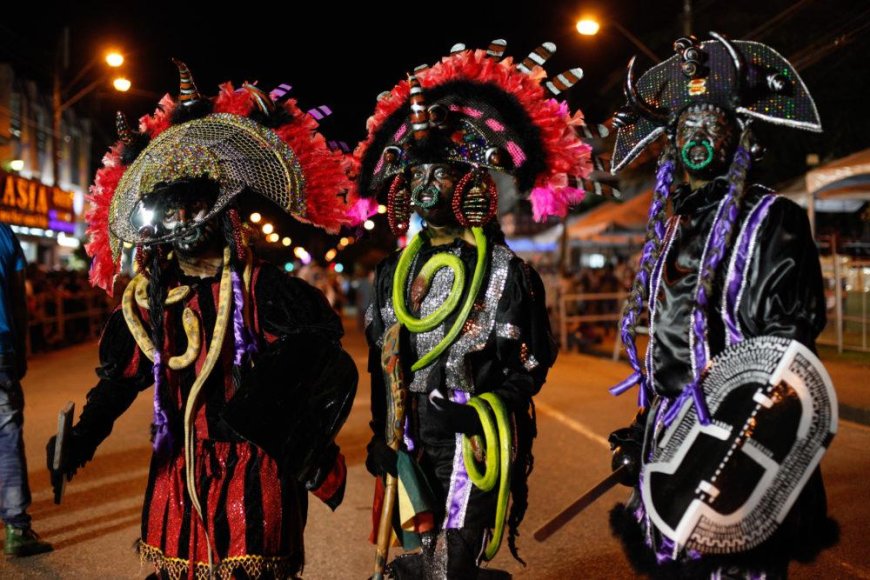
Jab Jab
Another important Carnival folklore character is Jab Jab.
The term comes from the French word "diable" meaning devil.
Jab Jab performers cover themselves with:
- Oil
- Paint
- Chains
- Horned costumes
The character reflects both colonial-era devil imagery and African resistance symbolism. In islands like Grenada, Jab Jab traditions are especially important during Carnival celebrations. Performers dance aggressively through streets while drums and rhythmic chants create intense festival energy.
Historians note that Jab Jab performances originally mocked colonial fears about African spirituality and rebellion. Today, Jab Jab remains one of the most visually recognizable folklore-inspired Carnival traditions in the Caribbean.
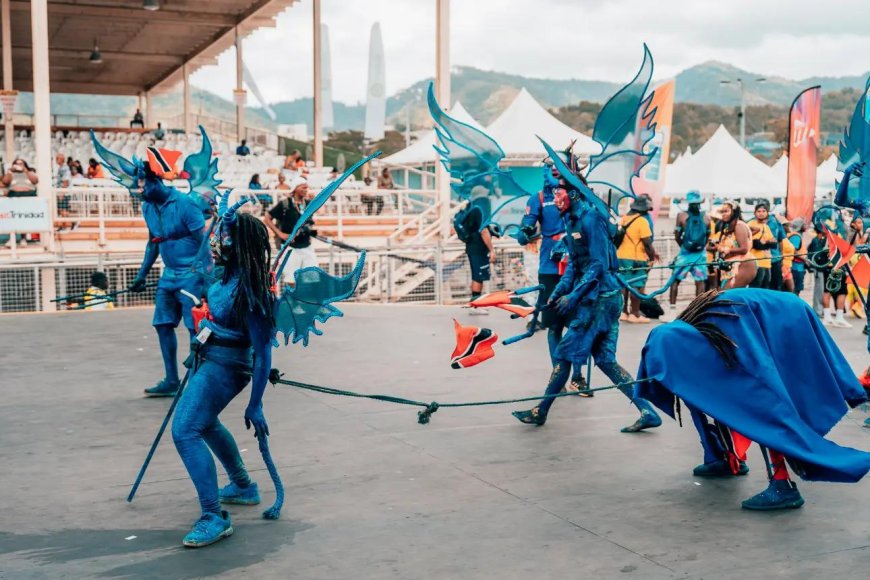
Blue Devils
Blue Devils are another Trinidad Carnival tradition connected to folklore performance. Performers paint their bodies blue and carry chains or tridents while demanding coins from spectators. The character developed partly from colonial devil imagery mixed with local street theater traditions.
Blue Devil performances often involve:
- Improvised storytelling
- Threatening humour
- Dance
- Audience interaction
Despite the frightening appearance, the performances are theatrical rather than dangerous.
Blue Devils continue representing older forms of Carnival before modern costume commercialization became dominant.
Haitian folklore is deeply connected to Vodou traditions, which combine:
- West African spiritual systems
- Catholic symbolism
- Indigenous influences
- Folk healing traditions
Vodou is often misunderstood internationally because of stereotypes created through colonial propaganda and popular media. In reality, Vodou represents a complex religious and cultural system deeply connected to Haitian history and identity.
Many Haitian festivals include:
- Drumming ceremonies
- Spirit possession rituals
- Dance performances
- Ancestor honouring
- Processions
- Community feasts
Rara Festivals
Rara festivals take place around Easter season in Haiti.
These festivals combine:
- Street processions
- Bamboo trumpets
- Drumming
- Singing
- Spiritual performance
Rara traditions include folklore themes involving spirits, protection, resistance, and community identity.
Historically, Rara celebrations also became connected to political expression and social commentary.
Groups travel between villages performing music and ritual movement while large crowds participate.
Folklore characters, spirit symbolism, and ancestral traditions remain central to the festival atmosphere.
Baron Samedi
One of Haiti’s most famous folklore figures is Baron Samedi.
Baron Samedi represents death, cemeteries, and the spiritual world within Vodou traditions.
The figure is recognizable through:
- Black formal clothing
- Dark glasses
- White face paint
Top hats
Baron Samedi appears frequently in Haitian artistic performances and festival symbolism.
Although often portrayed dramatically in foreign media, within Haitian culture the figure represents a spiritual intermediary connected to ancestors and transitions between life and death.
Festival performances involving Baron Samedi often include dance, theatrical movement, and ritual symbolism.
Jamaican folklore combines:
- African storytelling
- Maroon resistance history
- Colonial influence
- Spiritual beliefs
- Folk music traditions
Many Jamaican festivals preserve older folklore practices through performance and masquerade.
Jonkonnu
Jonkonnu is one of Jamaica’s oldest traditional festival performances.
The celebration dates back to the slavery period and combines:
- Masquerade
- Music
- Dance
- Satire
- Costumed performance
- Jonkonnu characters include:
- Pitchy Patchy
- Cow Head
- Devil figures
- Belly Woman
- Horse Head performers
These characters reflect African masquerade traditions mixed with colonial satire and local storytelling.
Historically, Jonkonnu allowed enslaved populations temporary public celebration periods during Christmas season. Performers moved between communities playing drums, dancing, and performing theatrical routines. Today, cultural organizations continue preserving Jonkonnu traditions through heritage festivals and public performances.
Rolling Calf
The Rolling Calf is one of Jamaica’s most famous folklore creatures.
The figure appears as a ghostly animal with:
- Chains
- Red eyes
- Supernatural strength
Stories about the Rolling Calf warned communities about greed, dishonesty, or nighttime danger. Although the creature itself does not appear in every festival, its symbolism influences Jamaican storytelling events, theatrical performances, and folklore celebrations.
Anansi Stories
Anansi is one of the most important folklore figures across the Caribbean.
Anansi originated in West African traditions and travelled to the Caribbean through enslaved populations.
The character usually appears as a spider or spider-man figure known for:
- Intelligence
- Humour
- Trickery
- Survival tactics
Anansi stories became extremely important during slavery because they symbolized survival against stronger oppressors. Today, Anansi storytelling festivals continue across Jamaica and other Caribbean islands. These events help preserve oral storytelling traditions for younger generations. Dominica’s Carnival differs from heavily commercialized festivals because traditional characters remain highly visible.
Folklore-inspired performances include:
- Sensay
- Bwa Bwa
- Horned devils
- Traditional drumming groups
Sensay masqueraders wear rope costumes and animal-like masks while moving rhythmically through festival streets.
These performances connect strongly to African spiritual masquerade traditions.
Dominica continues emphasizing cultural authenticity and folklore preservation within Carnival celebrations.
Folklore and Spiritual Protection
Many Caribbean festivals include spiritual protection traditions connected to folklore beliefs.
Communities often use:
- Drumming
- Smoke rituals
- Sacred herbs
- Prayer ceremonies
- Ancestral invocations
These practices reflect beliefs about protection from harmful spirits or negative energy. Even in modern urban festivals, spiritual preparation remains important for many performers and organizers. Some masqueraders believe costumes themselves carry symbolic power or ancestral meaning. This connection between spirituality and performance remains one of the strongest characteristics of Caribbean folklore festivals.
Music as Folklore Preservation
Music plays a central role in preserving Caribbean folklore.
Traditional festival music often contains:
- Historical narratives
- Spirit references
- Social criticism
- Oral storytelling
- Ancestral memory
Drumming traditions are especially important. African drumming patterns survived slavery and colonial restrictions through festival performance and community ceremonies.
Different islands developed unique styles:
- Trinidad steelpan and calypso
- Haitian ceremonial drumming
- Jamaican Kumina rhythms
- Cuban rumba traditions
- Dominican Republic palo music
These musical forms continue carrying folklore themes into modern festivals.
Modern Tourism and Folklore Festivals
Caribbean folklore festivals are now major tourism attractions.
Visitors travel globally to experience:
- Carnival
- Heritage festivals
- Drumming ceremonies
- Cultural performances
- Traditional masquerades
Tourism creates both opportunities and challenges.
Economic benefits include:
- Local business growth
- Cultural employment
- Festival funding
- International recognition
However, some communities worry about:
- Commercialization
- Cultural dilution
- Loss of spiritual meaning
- Simplification for tourists
Many Caribbean cultural organizations now focus on balancing tourism growth with authentic folklore preservation.
Folklore Preservation in 2026
Across the Caribbean, governments and cultural groups continue investing in folklore preservation.
Current efforts include:
- School folklore programs
- Oral history archives
- Cultural museums
- Community workshops
- Festival restoration projects
- Youth storytelling competitions
Digital media also plays a growing role.
Younger Caribbean creators now use:
- YouTube
- TikTok
- Podcasts
- Documentaries
- Social media storytelling
to preserve and reinterpret folklore traditions for modern audiences.
This helps keep folklore relevant while introducing traditional stories to global audiences.
Conclusion
Caribbean folklore remains one of the most important foundations of the region’s festival culture. Stories, spirits, masquerade traditions, trickster figures, drumming rituals, and ancestral beliefs continue shaping celebrations across the islands.
These traditions are not simply historical leftovers. They remain active parts of community identity, cultural memory, tourism economies, and artistic expression.
Carnival characters like Moko Jumbies, Jab Jab, Blue Devils, Jonkonnu performers, and Vodou spirit figures demonstrate how folklore survives through performance and public celebration.
Modern Caribbean festivals combine entertainment, spirituality, resistance history, and cultural preservation in ways few regions of the world can match.
As tourism and globalization continue changing Caribbean societies, folklore festivals remain important spaces where communities preserve ancestral traditions while adapting them for new generations.
The continued survival of these traditions shows that Caribbean folklore is not disappearing. Instead, it continues evolving through music, storytelling, dance, masquerade, and festival culture across the region.
What's Your Reaction?
 Like
0
Like
0
 Dislike
0
Dislike
0
 Love
0
Love
0
 Funny
0
Funny
0
 Angry
0
Angry
0
 Sad
0
Sad
0
 Wow
0
Wow
0