























UNESCO Caribbean Cultural Heritage Sites
UNESCO Caribbean cultural heritage sites reflect the region’s complex history, shaped by Indigenous cultures, European colonization, and the transatlantic slave trade. These sites include historic cities, military fortifications, and cultural landscapes that show how the Caribbean developed over centuries. Important examples include Old Havana, Colonial City of Santo Domingo, and Brimstone Hill Fortress National Park, each representing different aspects of colonial and post-colonial history. The region also includes mixed and natural heritage sites such as Blue and John Crow Mountains, which combine environmental importance with cultural significance, particularly linked to Maroon communities. These sites are preserved not only for their historical value but also for their role in education and tourism. Overall, Caribbean UNESCO sites highlight the region’s global importance, showing connections between continents, cultures, and economic systems. While they contribute to tourism and local economies, they also face challenges such as climate change and urban development, making conservation efforts essential for their future.

The Caribbean is often associated with beaches and tourism, but it also holds a significant concentration of globally recognized heritage. Across the region, UNESCO World Heritage Sites represent centuries of history shaped by Indigenous cultures, European colonial expansion, the transatlantic slave trade, and post-colonial development. These sites are officially recognized for their “outstanding universal value,” meaning they are considered important not just to one country but to humanity as a whole.

The Caribbean’s UNESCO heritage includes historic cities, military fortifications, cultural landscapes, and natural environments. While the broader Latin America and Caribbean region contains more than 150 World Heritage properties, the Caribbean itself hosts around 20 recognized sites distributed across multiple islands.
These sites are not only preserved for their historical importance but also contribute to tourism, education, and cultural identity. Understanding them provides insight into how the Caribbean developed socially, economically, and culturally over centuries.
Historical Context of Caribbean Heritage
Caribbean heritage is closely tied to global history. Before European contact, the region was home to Indigenous groups such as the Taíno, Carib, and Arawak peoples. Their influence can still be seen in archaeological sites, cultural practices, and place names.
From the late 15th century onward, European colonial powers including Spain, Britain, France, and the Netherlands established settlements across the Caribbean. These settlements became centers of trade, military defence, and plantation economies. The region played a central role in the transatlantic slave trade, which shaped its demographics and cultural identity.
UNESCO sites in the Caribbean often reflect this layered history. Many are colonial cities, forts, or plantations that illustrate how European powers organized territory and controlled trade routes. Others highlight natural landscapes that influenced settlement patterns and economic activity.
Major UNESCO Cultural Heritage Sites
Old Havana
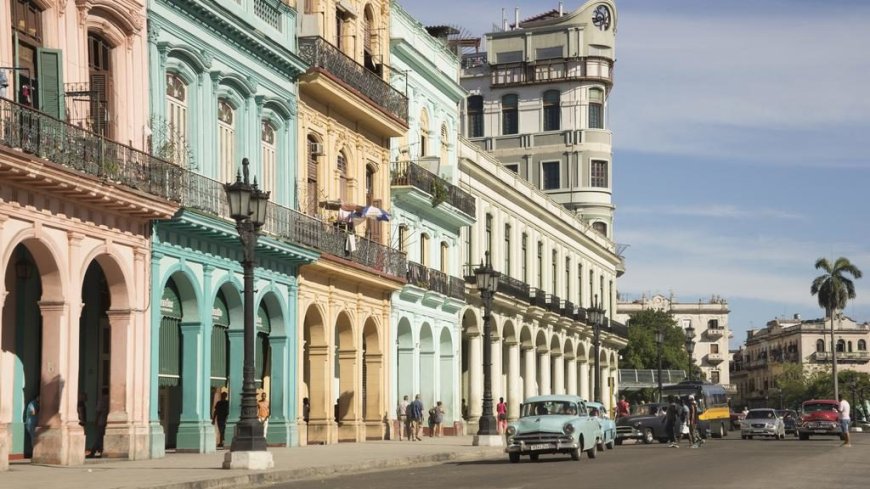
Old Havana is one of the most important colonial-era cities in the Caribbean. Recognized by UNESCO in 1982, it contains a dense concentration of Spanish colonial architecture, including plazas, churches, and fortifications. The city was a major port in the Spanish Empire, linking the Americas with Europe.
The layout of Old Havana reflects defensive planning, with fortresses built to protect the harbor from attacks. Today, restoration efforts focus on preserving buildings while maintaining the city as a living urban space.
La Fortaleza and San Juan National Historic Site
Located in San Juan, this site includes a network of forts built between the 16th and 20th centuries. These structures were designed to defend one of Spain’s most strategic ports in the Caribbean.
The fortifications demonstrate military engineering techniques adapted to coastal environments. They also reflect the importance of San Juan as a gateway to the Americas during the colonial period.
Colonial City of Santo Domingo
This site represents the first permanent European settlement in the Americas. Established in the late 15th century, Santo Domingo became a model for urban planning across the region.
The city includes some of the earliest European-built structures in the Western Hemisphere, such as cathedrals, hospitals, and administrative buildings. Its grid layout influenced the design of many later colonial cities.
Historic Bridgetown and its Garrison
Bridgetown reflects British colonial urban planning and military organization. Unlike many Caribbean cities built on grid systems, Bridgetown developed with a more irregular layout.
The site includes both civilian and military structures, highlighting the island’s role as a strategic center in the British Atlantic network.
Historic Area of Willemstad
Willemstad showcases Dutch colonial influence in the Caribbean. Its colourful buildings and harbour layout reflect European architectural styles adapted to tropical conditions.
The city served as a major trading hub, linking the Caribbean with Europe and South America. Its preservation demonstrates the blending of cultural influences in the region.
Fortifications and Military Heritage
Brimstone Hill Fortress National Park
This fortress is one of the best-preserved examples of military architecture in the Caribbean. Built by the British and constructed largely by enslaved Africans, it illustrates both engineering achievement and the realities of colonial labour systems.
The site’s elevated position provided strategic defense against naval attacks, making it a key military installation during colonial conflicts.
San Pedro de la Roca Castle
Also known as Castillo del Morro, this fortress in Cuba is an example of Spanish military design adapted to coastal geography. It protected the entrance to Santiago Bay and played a role in defending trade routes.
The structure reflects the importance of maritime security in the Caribbean during the colonial period.
National History Park - Citadel, Sans Souci, Ramiers
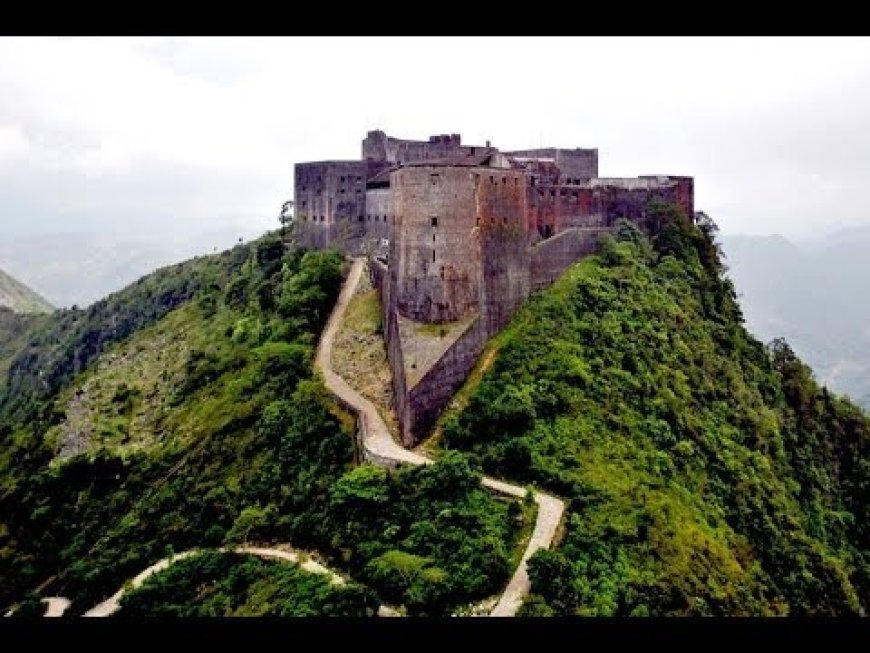
This site includes the Citadelle Laferrière, a fortress built after Haiti’s independence. It represents a shift from colonial defense systems to post-colonial national identity.
The citadel was designed to protect Haiti from potential foreign invasions and remains one of the largest fortresses in the Americas.
Cultural Landscapes and Economic History
Trinidad and the Valley de los Ingenious
This site reflects the history of sugar production in the Caribbean. The valley contains remnants of plantations, mills, and settlements linked to the sugar industry.
It highlights the economic systems that shaped Caribbean societies, including the use of enslaved labour and the global trade networks of the colonial era.
Archaeological Landscape of the First Coffee Plantations in the South-East of Cuba
This site documents the development of coffee plantations established by French settlers. It shows how agricultural practices and cultural traditions were transferred across regions.
The remains of plantation buildings and infrastructure provide insight into rural life and economic organization during the colonial period.
Natural and Mixed Heritage Sites
Morne Trois Pitons National Park
This natural site includes volcanic features such as boiling lakes, hot springs, and rainforests. It represents the geological diversity of the Caribbean and the interaction between natural landscapes and human activity.
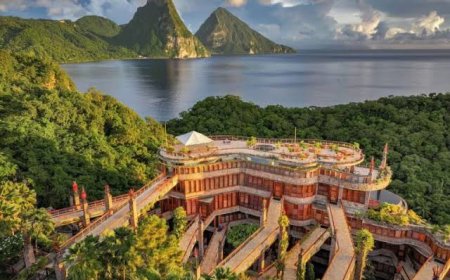
Pitons Management Area
The Pitons are two volcanic peaks rising from the sea, surrounded by coral reefs and tropical forests. The site is recognized for both its natural beauty and ecological importance.
Blue and John Crow Mountains
This mixed heritage site combines natural and cultural significance. It includes mountainous terrain that served as a refuge for Maroon communities, descendants of enslaved Africans who resisted colonial control.
The site reflects both environmental diversity and cultural resistance.
Regional Distribution and Patterns
Caribbean UNESCO sites are unevenly distributed. Cuba has the highest number, with multiple cultural and natural properties, while many other islands have only one recognized site.
This distribution reflects historical factors such as colonial investment, population size, and preservation efforts. Larger islands with more extensive colonial infrastructure tend to have more sites.
The Role of UNESCO in Preservation
UNESCO designation brings international recognition and support for conservation. It also encourages governments to implement protection measures and sustainable tourism strategies.
In the Caribbean, heritage preservation faces challenges such as climate change, hurricanes, and urban development. UNESCO programs aim to address these issues by promoting community involvement and long-term planning.
Tourism and Economic Impact
UNESCO sites are major drivers of tourism in the Caribbean. Visitors are attracted not only to beaches but also to historical cities, forts, and cultural landscapes.
Tourism revenue supports local economies and creates incentives for preservation. However, increased visitor numbers can also create pressure on fragile sites, requiring careful management.
Intangible Cultural Heritage
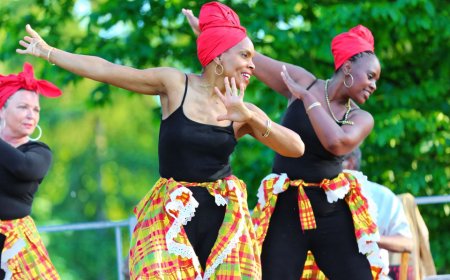
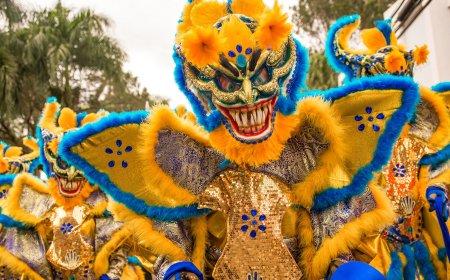
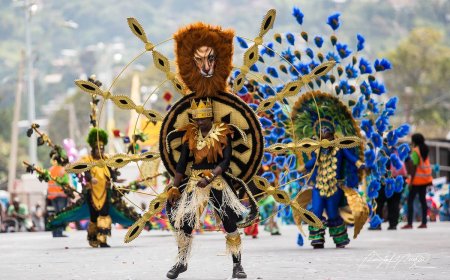
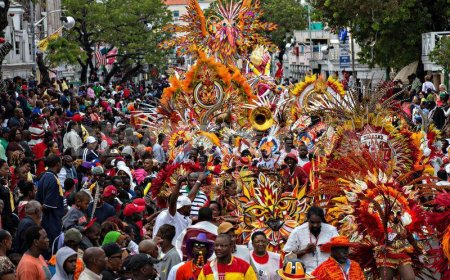
In addition to physical sites, UNESCO also recognizes intangible cultural heritage such as music, dance, and traditions. The Caribbean has numerous entries in this category, reflecting its cultural diversity.
Examples include festivals, oral traditions, and culinary practices that continue to shape regional identity. These elements complement the physical heritage sites and provide a more complete understanding of Caribbean culture.
Challenges Facing Caribbean Heritage
Caribbean UNESCO sites face several challenges, including environmental risks, limited funding, and urban development pressures.
Climate change is a major concern, as rising sea levels and extreme weather events threaten coastal sites. Conservation efforts must balance preservation with the needs of local communities.
Future of Caribbean Heritage
The future of Caribbean heritage depends on sustainable management and community involvement. UNESCO initiatives emphasize the importance of integrating heritage into development planning and tourism strategies.
New sites may continue to be added to the World Heritage List, reflecting ongoing research and preservation efforts. The recognition of sites such as Port Royal in Jamaica in recent years shows that the list is evolving.
Conclusion
UNESCO Caribbean cultural heritage sites provide a detailed record of the region’s history, from Indigenous societies to colonial empires and modern nations. These sites include cities, fortifications, plantations, and natural landscapes, each contributing to a broader understanding of Caribbean identity.
They are not only historical landmarks but also active parts of local communities and economies. Through preservation and responsible tourism, these sites continue to connect the past with the present, ensuring that the Caribbean’s cultural heritage remains accessible for future generations.
What's Your Reaction?
 Like
0
Like
0
 Dislike
0
Dislike
0
 Love
0
Love
0
 Funny
0
Funny
0
 Angry
0
Angry
0
 Sad
0
Sad
0
 Wow
0
Wow
0