



























Best Street Food in the Lesser Antilles
Street food in the Lesser Antilles reflects a mix of African, Indigenous, European, and Indian influences, using local ingredients like seafood, plantains, cassava, and spices. It is widely available in markets, roadside stalls, and beach areas, and plays an important role in everyday life rather than just tourism. Popular dishes vary by island. In Trinidad and Tobago, items like doubles and bake and shark are common. In Guadeloupe and Martinique, foods such as accras and bokit show Creole and French influence. Islands like Dominica focus on fresh, simple foods, while Antigua and Barbuda and Saint Lucia offer hearty dishes like saltfish and local stews. Overall, street food in the region is affordable, practical, and culturally significant, offering a direct way to experience local traditions and daily life across the islands.

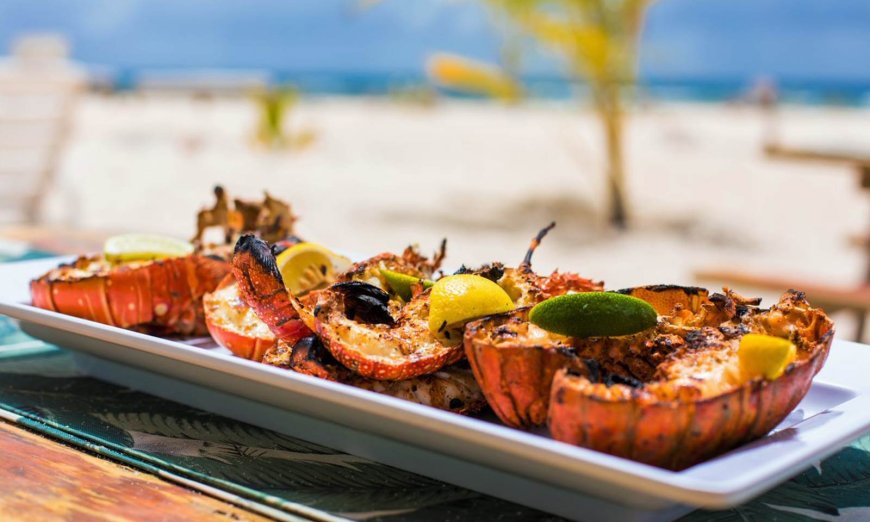
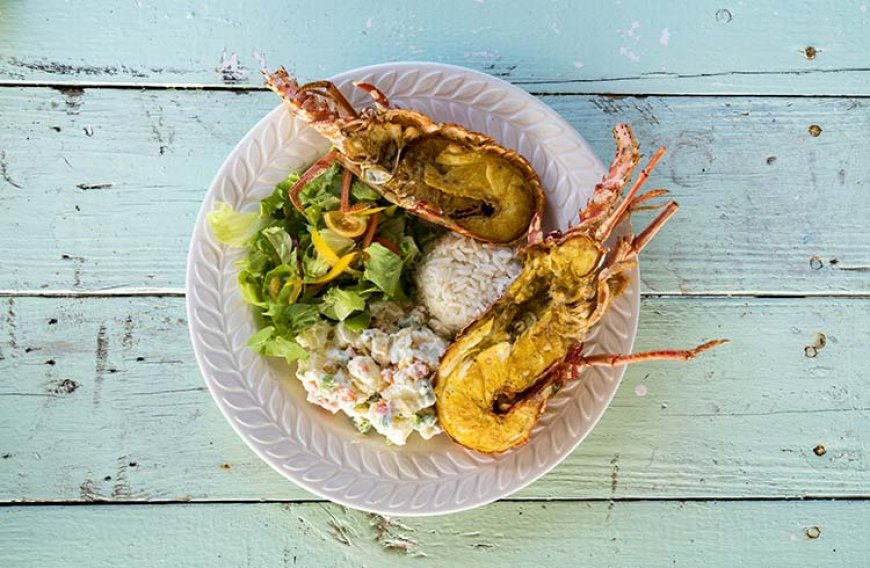
Street food in the Lesser Antilles reflects the region’s history, geography, and cultural diversity. The islands stretching from the Virgin Islands down to Trinidad and Tobago share a food culture shaped by African, Indigenous, European, and Indian influences. Everyday ingredients such as cassava, plantains, seafood, and spices are combined into dishes that are affordable, quick to prepare, and widely available in markets, roadside stalls, and beachside setups.

Unlike restaurant dining, street food in the Lesser Antilles is closely tied to daily life. It is eaten during work breaks, at festivals, and along transport routes. The focus is on practicality, flavor, and accessibility rather than presentation.
The Cultural Foundation of Street Food
Street food across the Lesser Antilles is built on a mix of traditions. Indigenous communities contributed ingredients such as cassava and seafood, while African influences introduced stews and cooking techniques. European colonization added baked goods and preserved foods, and Indian indentured labor brought spices, curries, and flatbreads.
This combination created a food culture where a single dish can carry multiple historical influences. For example, many street foods combine local produce with imported spices and cooking methods, resulting in dishes that are both practical and culturally layered.
Trinidad and Tobago: The Core of Caribbean Street Food Culture
Trinidad and Tobago has one of the most developed street food scenes in the Lesser Antilles. Vendors operate from roadside stalls, markets, and beach areas, offering a wide range of affordable options.
Doubles is one of the most recognized street foods in the region. It consists of fried flatbread filled with curried chickpeas and topped with sauces. This dish reflects Indian culinary influence and is widely consumed as a breakfast or snack.
Bake and shark is another key street food, typically sold near beaches. It combines fried fish with soft fried bread and a variety of toppings, allowing customization based on personal preference.
Other common items include aloo pie, which is a fried pastry filled with spiced potatoes, and pholourie, small fried dough balls served with chutney. These foods are inexpensive, filling, and widely available throughout the day.
Guadeloupe and Martinique: Creole Street Food Influence
In the French Caribbean territories, street food reflects a blend of Creole and French culinary traditions.
One of the most common street foods is accras, which are small fritters made from salted cod or seafood. These are typically served hot and eaten as snacks or appetizers.
Bokit is another popular item in Guadeloupe. It is a fried sandwich filled with meat, fish, or cheese and is widely sold at roadside stalls.
Street vendors also sell boudin Creole, a type of spiced sausage, along with pastries and sweet treats made from coconut and local fruits. These foods highlight the influence of French cooking techniques combined with Caribbean ingredients.
Dominica: Fresh and Local Street Food
Dominica’s street food culture focuses heavily on fresh, locally sourced ingredients. Markets and small roadside stalls are common, and food is often prepared in simple ways that highlight natural flavours.
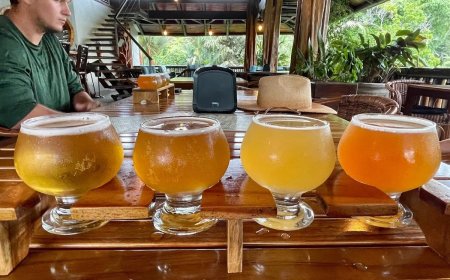
Popular street foods include bakes, which are fried dough filled with fish or meat, and fritters made from small fish. Fresh fruit juices made from tamarind, guava, and sorrel are also widely available.
Seafood plays a major role, with dishes such as crab backs and conch-based meals being sold in casual settings. The emphasis is on availability and freshness rather than complex preparation.
Saint Lucia and Saint Kitts: Hearty Street Dishes
Street food in Saint Lucia and Saint Kitts often includes heavier dishes that can function as full meals.
Salt fish served with fried bread or ground provisions is a common option. Goat-based dishes, including stews, are also widely available and reflect local livestock use.
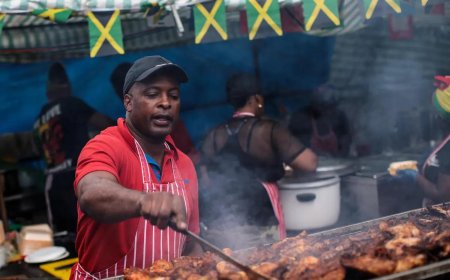
Grilled meats and barbecue-style foods are commonly sold at roadside stalls, especially during weekends and festivals. These dishes are typically served with plantains, breadfruit, or rice.
Antigua and Barbuda: Traditional and Festive Street Food
Street food in Antigua and Barbuda includes both everyday snacks and festival dishes.
Salt fish with fried bread, known as Johnny cakes, is a widely consumed option. Pepper pot stew is another important dish, often sold during events and gatherings.
Traditional items such as decanal, made from sweet potato or cassava and wrapped in leaves, are also found in local markets, especially during holidays.
Common Ingredients across the Lesser Antilles
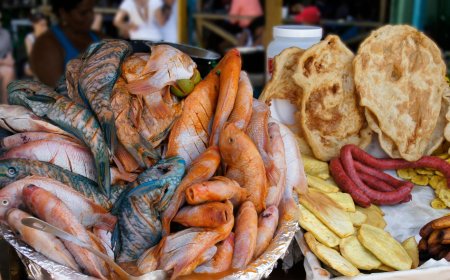
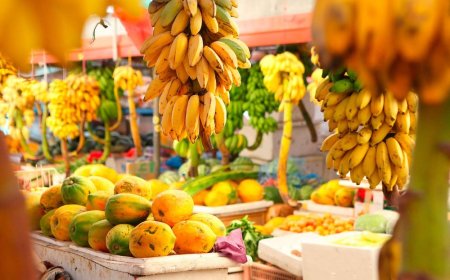
Street food across the region relies on a consistent set of ingredients. Plantains, cassava, breadfruit, and yams are used as base components in many dishes. Seafood such as fish, shrimp, and conch is widely available due to the islands’ coastal geography.
Spices and seasonings are also central to Caribbean street food. Scotch bonnet peppers, thyme, garlic, and allspice are commonly used to create bold flavours.
These ingredients are often combined in simple ways, allowing vendors to prepare food quickly while maintaining strong flavour profiles.
Street Food and Daily Life
Street food is not limited to tourists. It is a regular part of daily life for residents. Many people rely on street vendors for quick meals during work hours or social gatherings.
Markets and roadside stalls serve as social spaces where people meet, eat, and interact. This makes street food an important part of community life in the Lesser Antilles.
Pricing and Accessibility
Street food is generally affordable, making it accessible to a wide range of people. Prices are typically lower than restaurant meals, and portion sizes are designed to be filling.
This affordability contributes to the popularity of street food, especially in urban areas and near transportation hubs.
Hygiene and Safety Considerations
While most street food vendors maintain basic hygiene standards, conditions can vary. Travellers should observe food preparation practices and choose vendors with high turnover, as this often indicates freshness. Drinks made from fresh fruit are common, but it is advisable to check water sources when possible.
Influence of Tourism
Tourism has influenced street food in some parts of the Lesser Antilles. In popular destinations, vendors may adapt recipes or presentations to appeal to visitors.
However, many traditional foods remain unchanged, especially in local markets and less tourist-focused areas.
Modern Trends
Street food in the Lesser Antilles continues to evolve. New influences, including global fast food and fusion cuisine, are being incorporated into traditional offerings.
At the same time, there is growing interest in preserving traditional recipes and cooking methods. This balance allows street food to remain relevant while maintaining its cultural roots.
Conclusion
Street food in the Lesser Antilles provides a practical and accessible way to experience the region’s culinary culture. Dishes such as doubles, accras, bokit, and bake and shark demonstrate how local ingredients and historical influences combine to create everyday meals.
The diversity of street food reflects the broader identity of the Caribbean, where multiple cultures have shaped food traditions over time. For travellers and locals alike, street food remains one of the most direct and authentic ways to engage with the Lesser Antilles.
What's Your Reaction?
 Like
0
Like
0
 Dislike
0
Dislike
0
 Love
0
Love
0
 Funny
0
Funny
0
 Angry
0
Angry
0
 Sad
0
Sad
0
 Wow
0
Wow
0