





















Kayak Expeditions Through Mangrove Forests
Kayak expeditions through mangrove forests have become one of the fastest-growing eco-tourism activities in coastal destinations around the world. These expeditions allow travelers to explore unique ecosystems where land and sea meet while experiencing nature in a quiet and environmentally friendly way. Unlike motorized tours, kayaking provides close access to narrow waterways, hidden channels, and dense mangrove tunnels without disturbing wildlife. Mangrove forests are among the most important coastal ecosystems on Earth. They protect shorelines from erosion, reduce the impact of storms, support fish breeding grounds, improve water quality, and store significant amounts of carbon. Their complex root systems create habitats for a wide variety of marine life, birds, reptiles, and other wildlife species.

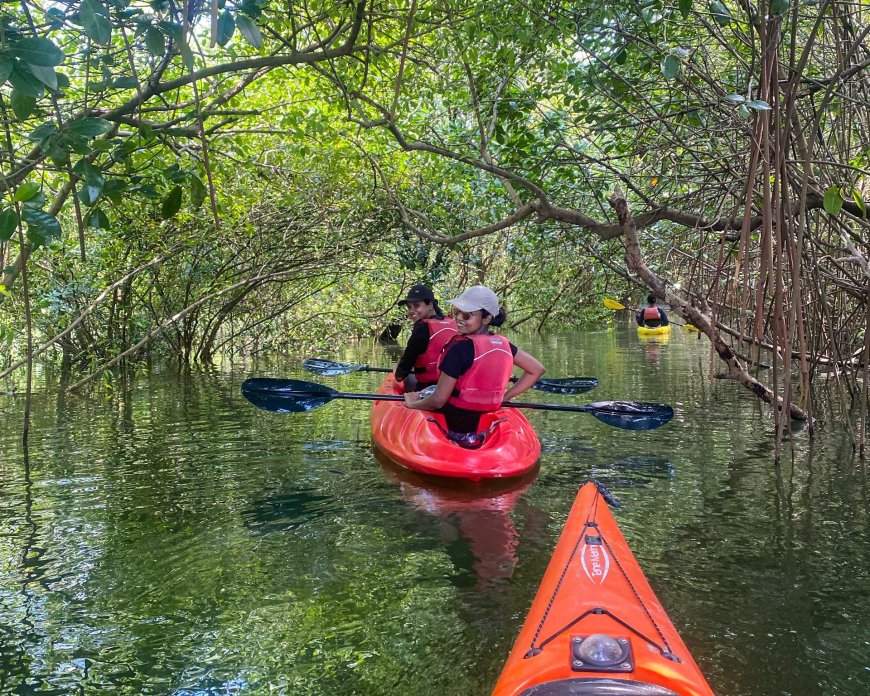
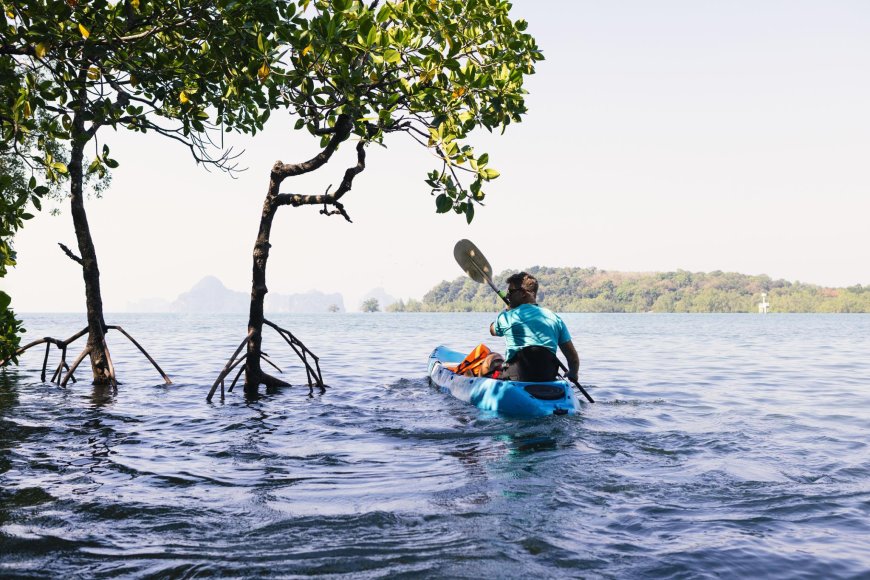
Kayak expeditions through mangrove forests have become one of the most popular forms of nature-based tourism in recent years. Travelers are increasingly searching for experiences that allow them to connect with natural environments while avoiding crowded tourist attractions. Mangrove kayaking offers exactly that opportunity. It combines adventure, wildlife observation, environmental education, photography, and physical activity in a single experience.

Mangrove forests are found in tropical and subtropical coastal regions around the world. These ecosystems grow where land meets the sea and where fresh water mixes with salt water. Unlike many other forests, mangroves have adapted to survive in conditions that would be difficult for most plants. Their roots grow above the water and form complex networks that create habitats for fish, birds, crabs, reptiles, and countless other species.
A kayak expedition allows visitors to travel quietly through these ecosystems. Without the noise of engines, paddlers can move through narrow waterways and hidden channels while observing wildlife at close range. This creates a unique travel experience that is both relaxing and educational.
Over the past decade, governments, conservation organizations, and tourism companies have invested heavily in mangrove eco-tourism. Many destinations now offer guided kayak tours that teach visitors about coastal ecosystems, climate change, biodiversity, and marine conservation. These tours support local economies while helping raise awareness about the importance of protecting mangrove habitats.
Today, mangrove kayaking can be enjoyed in destinations such as Belize, the Bahamas, Florida, Mexico, Thailand, Indonesia, Australia, Malaysia, the Philippines, and many Caribbean islands. Each location offers its own combination of scenery, wildlife, and cultural experiences.
This article explores the growing popularity of kayak expeditions through mangrove forests, explains how these ecosystems function, discusses major destinations around the world, and examines the role that eco-tourism plays in protecting these valuable coastal environments.
Understanding Mangrove Forest Ecosystems
Mangroves are among the most important ecosystems on Earth. Although they occupy a relatively small percentage of the world's coastal areas, they provide enormous environmental benefits.
Mangrove forests consist of salt-tolerant trees and shrubs that grow in coastal wetlands. Their root systems are specially adapted to survive in salty water and oxygen-poor soil. These roots often rise above the surface, creating the distinctive appearance that makes mangrove forests recognizable around the world.
The ecological importance of mangroves extends far beyond their appearance. Their roots stabilize coastlines and help reduce erosion caused by waves and storms. During hurricanes and tropical storms, mangrove forests act as natural barriers that absorb wave energy and reduce damage to coastal communities.
Mangroves also function as nursery habitats for marine life. Many fish species spend the early stages of their lives among mangrove roots before moving into coral reefs or deeper waters. Commercially important species such as snapper, grouper, and tarpon depend on mangrove ecosystems for survival.
Bird populations also rely heavily on mangrove habitats. Herons, egrets, kingfishers, pelicans, and numerous migratory species use these forests for feeding, nesting, and resting. In some regions, endangered species depend almost entirely on mangrove ecosystems.
Another important role of mangroves involves carbon storage. Scientists have discovered that mangrove forests can store significant amounts of carbon in both vegetation and soil. This ability has made mangrove conservation an important part of global climate change strategies.
Despite their importance, mangrove forests face numerous threats. Coastal development, pollution, deforestation, aquaculture expansion, and climate change have all contributed to mangrove loss in many regions. This has increased the importance of conservation programs and sustainable tourism initiatives.
Kayak expeditions allow visitors to see these ecosystems firsthand while generating economic support for conservation efforts.
Why Kayaking Is Ideal for Exploring Mangroves
Kayaks provide one of the best ways to explore mangrove environments because they can travel through areas that larger boats cannot access.
Many mangrove waterways are extremely narrow and shallow. Motorboats often struggle to navigate these conditions without damaging vegetation or disturbing wildlife. Kayaks, on the other hand, require very little water depth and can move through tight channels with ease.
The quiet nature of kayaking also improves wildlife viewing opportunities. Birds, fish, and reptiles are less likely to flee when approached by a silent kayak compared to a noisy motorboat. This allows visitors to observe natural behavior more closely.
Kayaking provides a slower pace of travel that encourages observation and learning. Participants can stop frequently, listen to guides, take photographs, and explore details that might otherwise be missed during faster tours.
Another advantage is environmental sustainability. Kayaks produce no emissions, create no fuel pollution, and generate minimal disturbance to the ecosystem. This aligns with the principles of eco-tourism and responsible travel.
Many travelers also appreciate the physical aspect of kayaking. While most mangrove tours are not physically demanding, paddling adds an element of exercise and personal involvement that enhances the overall experience.
Because of these benefits, kayaking has become the preferred method for exploring mangrove forests in many parts of the world.
The Growth of Mangrove Eco-Tourism
Eco-tourism has become one of the fastest-growing segments of the global travel industry. Travelers increasingly seek experiences that combine recreation with environmental awareness and cultural understanding.
Mangrove kayaking fits perfectly within this trend. It offers direct interaction with nature while supporting conservation and community development.
Many coastal communities have recognized the economic potential of eco-tourism. Instead of relying solely on fishing or resource extraction, they can generate income by guiding visitors through mangrove ecosystems.
This creates incentives for local communities to protect natural habitats. Healthy mangrove forests become valuable tourism assets that support jobs and economic activity.
Governments and environmental organizations have also embraced mangrove tourism as a tool for conservation education. Guided tours often include discussions about climate change, coastal protection, marine biodiversity, and sustainable resource management.
The rise of social media has further increased interest in mangrove kayaking. Photographs of winding mangrove tunnels, reflective waterways, and wildlife encounters have attracted travelers looking for unique outdoor experiences.
As awareness grows, more destinations are investing in kayak infrastructure, guide training programs, and conservation projects that support sustainable tourism development.
Wildlife Encounters during Mangrove Kayak Expeditions
One of the main reasons travelers choose mangrove kayaking is the opportunity to observe wildlife in its natural habitat.
The diversity of species varies depending on location, but most mangrove ecosystems support rich biological communities.
Birdwatchers often find mangrove forests particularly rewarding. Common sightings include herons, egrets, pelicans, kingfishers, osprey, and cormorants. In some areas, migratory birds visit seasonally, increasing species diversity.
Marine life is equally impressive. Fish frequently swim among mangrove roots, using them as shelter from predators. Schools of juvenile fish are often visible in clear water.
Crabs are among the most common animals encountered during kayak tours. Various species climb roots, move across mudflats, and forage along shorelines.
In tropical regions, kayakers may also encounter:
- Manatees
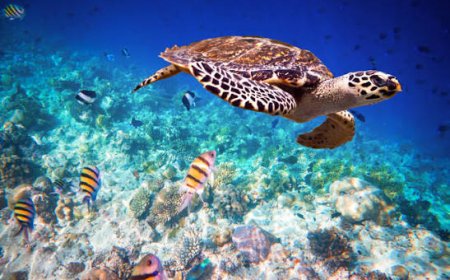
- Sea turtles
- Dolphins
- Stingrays
- Monitor lizards
- Iguanas
Some destinations are known for specific wildlife attractions. Florida's Everglades, for example, offer opportunities to see manatees and alligators, while Belize is famous for bird diversity and marine ecosystems.
Wildlife encounters are never guaranteed because animals move freely within natural environments. However, the quiet nature of kayaking greatly increases observation opportunities compared to many other forms of tourism.
Belize: One of the World's Top Mangrove Kayaking Destinations
Belize has become internationally recognized as one of the premier destinations for mangrove kayaking.
The country's coastline includes extensive mangrove systems that connect with the Belize Barrier Reef, creating one of the most biologically productive environments in the Caribbean region.
Kayak tours are available in locations such as Placencia, Caye Caulker, and Turneffe Atoll. These areas combine mangroves, sea grass beds, and coral reefs into interconnected ecosystems.
Visitors often paddle through calm channels lined with red mangroves while observing fish, birds, and marine life. The clear water conditions make it easy to see underwater habitats.
Belizean guides frequently incorporate environmental education into their tours. Participants learn how mangroves support reef health, protect coastlines, and sustain local fisheries.
The country's commitment to marine conservation has helped maintain healthy ecosystems that continue attracting eco-tourists from around the world.
The Bahamas and Its Mangrove Waterways
The Bahamas contains vast networks of mangrove wetlands spread across numerous islands.
Many of these ecosystems remain relatively undisturbed, providing excellent opportunities for kayaking and wildlife observation.
Andros Island is particularly famous for its extensive mangrove systems. The island's tidal creeks and lagoons create a maze of waterways that support fish nurseries and bird populations.
Kayakers often encounter:
- Bonefish
- Barracuda
- Herons
- Egrets
- Sea turtles
The combination of shallow turquoise water and dense mangrove vegetation creates some of the most visually striking kayaking environments in the Caribbean. Bahamian eco-tourism programs increasingly emphasize conservation because healthy mangroves are essential to both fisheries and tourism industries.
What's Your Reaction?
 Like
0
Like
0
 Dislike
0
Dislike
0
 Love
0
Love
0
 Funny
0
Funny
0
 Angry
0
Angry
0
 Sad
0
Sad
0
 Wow
0
Wow
0