






















How Colonial History Shaped Caribbean Architecture
Caribbean architecture developed as a direct result of European colonial rule combined with local conditions and cultural influences. Spanish, British, French, Dutch, and Danish powers introduced their own building styles, urban planning systems, and construction methods. For example, Spanish colonies built fortified cities and structures like Castillo San Felipe del Morro, while British colonies focused on plantation houses with verandas and ventilation suited to the tropical climate.

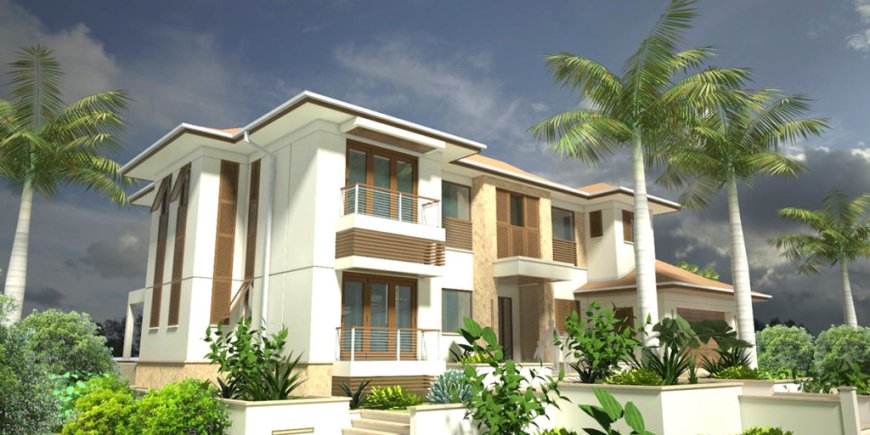
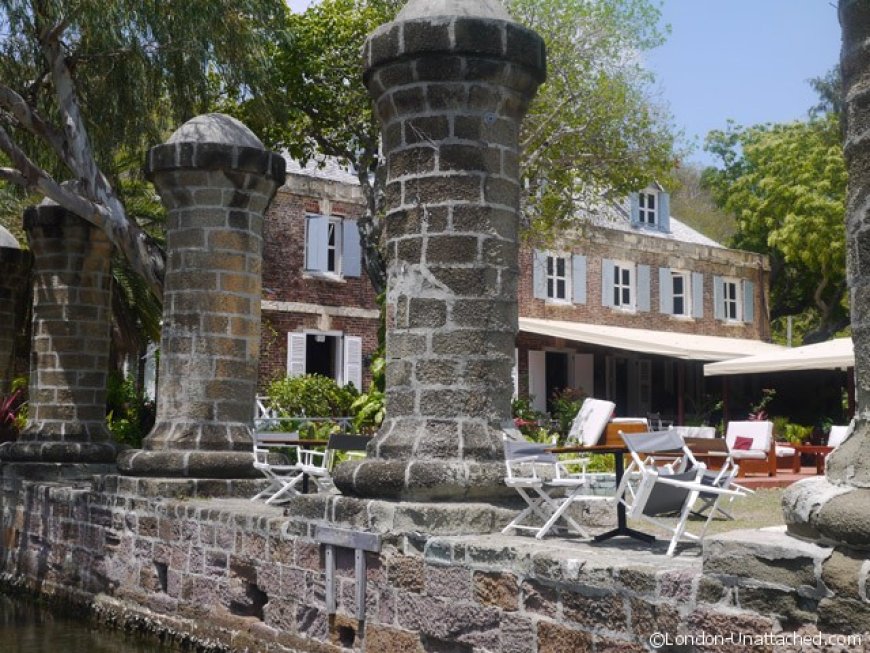
Caribbean architecture reflects a long and layered history shaped by colonial rule, environmental realities, and cultural exchange. The built environment across the Caribbean is not defined by a single style but by a combination of influences brought by European colonial powers and adapted by local populations. From the late 15th century onward, the region became a focal point for imperial expansion, trade, and settlement. These forces directly influenced how buildings were designed, constructed, and organized. Over time, architecture in the Caribbean evolved into a unique blend of imported ideas and local practices, shaped by climate, available materials, labor systems, and social structures. What exists today is a visible record of how societies were controlled, how economies functioned, and how different cultures interacted and adapted over centuries.

Early Spanish Influence
The earliest phase of colonial architecture in the Caribbean began with Spanish expansion after the voyages of Christopher Columbus in 1492. Spain established some of the first permanent European settlements in the region, including in Puerto Rico, Cuba, and Hispaniola. Spanish colonial architecture was strongly influenced by the need for defence and administrative control. Settlements were planned carefully, often using a grid system cantered around a main plaza. This central space was surrounded by key buildings such as churches, government offices, and residences for officials, creating a structured and controlled urban environment.
Buildings were typically constructed using stone and masonry, which provided durability against both tropical weather and potential attacks. Thick walls helped regulate indoor temperatures, while interior courtyards allowed for ventilation and light. Military structures were especially important, as Spain needed to protect its territories from rival European powers and piracy. Fortifications were built along coastlines and near important ports. A well-known example is Castillo San Felipe del Morro, which was designed to guard the entrance to San Juan Bay. This fortress reflects how architecture served not just practical needs but also strategic and political purposes.
British Colonial Adaptations
British colonial architecture developed differently due to the economic focus on plantation agriculture in islands such as Jamaica and Barbados. The British prioritized residential comfort and agricultural efficiency, leading to architectural designs that responded directly to the tropical climate. Unlike the heavy stone structures of Spanish colonies, British buildings often used wood as the primary material. This allowed for quicker construction and better adaptation to environmental conditions.
Houses were commonly elevated on stilts or raised foundations to improve airflow and reduce the impact of flooding. Large verandas provided shaded outdoor spaces, while louvered windows allowed air to circulate freely inside. Roofs were designed with steep angles to handle heavy rainfall. Plantation houses, often referred to as Great Houses, were built to reflect the wealth and authority of their owners. These structures were usually located on higher ground, offering both a better view of the surrounding land and improved ventilation. The design of these houses shows how architecture was used to express social hierarchy while also addressing practical needs.
French Architectural Influence
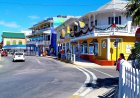
French colonial architecture introduced a different approach that combined practicality with attention to aesthetics. In territories such as Martinique and Guadeloupe, buildings were designed to support urban life while also responding to climate conditions. French towns often featured closely spaced buildings that created shaded streets, reducing exposure to direct sunlight. Balconies with decorative ironwork became a common feature, providing both ventilation and visual detail.
Buildings were often painted in bright colours, reflecting sunlight and adding character to urban environments. High ceilings helped manage heat by allowing warm air to rise, while arcades and covered walkways provided shelter from rain and sun. In cities like Havana, which experienced multiple influences over time, similar elements of dense urban planning and decorative features can be observed. French architecture in the Caribbean represents a balance between functionality and cultural expression, showing how design could support both daily life and social interaction.
Dutch and Danish Contributions
Dutch and Danish colonial powers also left their mark on Caribbean architecture, though their influence was more limited geographically. Dutch architecture, seen in islands such as Curaçao, adapted European forms to suit local conditions. Buildings often featured gabled roofs and were painted in bright colors, which helped reflect sunlight and reduce heat absorption. Plastered walls replaced exposed brick, making structures more suitable for the tropical climate.
Danish colonial architecture, found primarily in the Virgin Islands, focused on practicality and durability. Buildings were typically constructed with thick masonry walls and simple layouts. Decoration was minimal, and the emphasis was on creating structures that could withstand the environment. These differences highlight how each colonial power approached architecture based on its own priorities, resources, and cultural traditions.
African and Indigenous Influence
While European powers introduced the main architectural frameworks, the role of African and Indigenous populations was crucial in shaping the final forms. Enslaved Africans were the primary labour force responsible for constructing many colonial buildings. They brought with them knowledge of building techniques suited to hot climates, including the use of natural ventilation, local materials, and efficient spatial organization. Their influence can be seen in the adaptation of European designs to better suit Caribbean conditions.
Indigenous groups, such as the Taíno, had long built structures that were well adapted to the environment. Their homes used materials like wood and thatch and were designed to allow airflow and provide shelter from rain. These traditional practices continued to influence rural and vernacular architecture even after colonization. The combination of European design, African knowledge, and Indigenous practices created a hybrid architectural style that became characteristic of the Caribbean.
Plantation System and Spatial Hierarchy
The plantation system was a defining feature of Caribbean colonial economies, and it had a direct impact on architectural development. Plantations were complex spaces that included residential buildings, work areas, and industrial facilities. The layout of these spaces reflected strict social hierarchies. The main house, where the plantation owner lived, was typically the largest and most prominent structure. It was designed for comfort and visibility, often placed on elevated ground.
In contrast, the living quarters for enslaved workers were small, basic, and located away from the main house. These structures were built with minimal resources and offered little comfort. Industrial buildings, such as sugar mills and processing areas, were also part of the plantation layout. The arrangement of these different structures shows how architecture was used to organize labor and reinforce social divisions.
Religious and Civic Structures
Religious and civic buildings played an important role in colonial Caribbean societies. Churches were often among the most prominent structures in a town, reflecting the importance of religion in daily life. In Spanish and French territories, large Catholic churches were built using stone and featured detailed interiors. In British colonies, Protestant churches were generally simpler but still occupied central locations.
These buildings served not only as places of worship but also as community centres and symbols of authority. Government buildings, courthouses, and administrative offices were also constructed to support colonial governance. Their placement and design reinforced the presence and control of colonial powers within urban spaces.
Climate and Environmental Response
The Caribbean climate had a strong influence on architectural design. High temperatures, humidity, and the risk of hurricanes required buildings to be both comfortable and resilient. Over time, colonial designs were adapted to include features that addressed these challenges. Raised foundations helped prevent flooding, while wide roofs and deep overhangs protected against rain.
Ventilation became a key consideration, leading to the use of large windows, shutters, and open layouts. Materials were chosen based on their ability to withstand weather conditions, with hardwood, limestone, and coral stone being commonly used. These adaptations show how architecture in the Caribbean evolved through a process of trial and adjustment, combining imported ideas with local knowledge.
Emergence of Creole Architecture
As colonial societies developed, a distinct Creole architectural style began to emerge. This style combined elements from European, African, and Indigenous traditions, creating buildings that were more suited to local conditions and cultural practices. Creole houses often featured wooden construction, raised floors, and decorative details that reflected a blend of influences.
This shift marked a move away from strictly European models toward a more localized approach. Creole architecture represents the adaptation and transformation of colonial styles into something unique to the Caribbean. It reflects not only practical considerations but also the cultural identity of the region.
Post-Emancipation Changes
The abolition of slavery in the 19th century brought significant changes to Caribbean societies, and these changes were reflected in architecture. Freed populations began to build their own homes and communities, often using a mix of traditional and colonial techniques. Housing became more diverse, with smaller structures replacing the dominance of large plantation estates.
Communities developed around shared resources and local needs, leading to new patterns of settlement. Architecture during this period reflects greater independence and cultural expression. It also shows how people adapted existing knowledge to create spaces that suited their own lives rather than those imposed by colonial systems.
Preservation and Modern Development
In the present day, many Caribbean cities preserve their colonial architecture as part of their cultural heritage. Historic areas in places like San Juan attract visitors and provide insight into the region’s past. Restoration projects aim to maintain the original character of buildings while adapting them for modern use.
At the same time, new construction is addressing current challenges such as climate change and urban growth. Architects are increasingly using sustainable design principles, often inspired by traditional methods like natural ventilation and the use of local materials. This approach connects modern architecture with historical practices, ensuring that development remains relevant to the environment.
Conclusion
Caribbean architecture has been deeply shaped by colonial history, but it is also the result of adaptation and cultural exchange. European powers introduced different styles and planning systems, yet these were transformed by the contributions of African and Indigenous populations and by the demands of the environment. The result is a diverse architectural landscape that reflects both historical control and cultural resilience. From fortified cities and plantation houses to Creole homes and modern sustainable designs, the architecture of the Caribbean continues to evolve while preserving its historical foundations.
What's Your Reaction?
 Like
0
Like
0
 Dislike
0
Dislike
0
 Love
0
Love
0
 Funny
0
Funny
0
 Angry
0
Angry
0
 Sad
0
Sad
0
 Wow
0
Wow
0