









Traditional Dance Forms You Should Experience in Caribbean
Traditional dance in the Caribbean reflects the region’s African, Indigenous, European, and Asian cultural influences. These dance forms developed through slavery, migration, colonial history, religion, and community celebrations, making them important expressions of Caribbean identity and historical memory. The article highlights major traditions such as Bélé in Martinique and Saint Lucia, Salsa in Cuba and Puerto Rico, Merengue in the Dominican Republic, Junkanoo in the Bahamas, and Rara in Haiti. These dances combine music, drumming, costumes, storytelling, and community participation. The article also explains how festivals, tourism, and cultural preservation programs continue to support Caribbean dance traditions in 2026. While globalization and commercialization influence modern performances, traditional dance remains an active part of festivals, religious ceremonies, and local celebrations across the Caribbean.
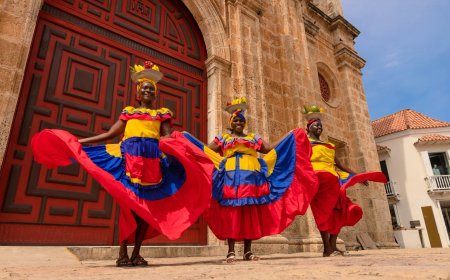
The Caribbean is known globally for beaches, music, festivals, and tourism, but one of the region’s strongest cultural expressions is traditional dance. Across the Caribbean islands, dance developed through a combination of African, Indigenous, European, and Asian influences. These traditions were shaped by colonial history, slavery, migration, religion, resistance movements, and community celebrations.

Traditional Caribbean dance is not limited to stage performance. Many forms remain connected to carnival events, religious ceremonies, harvest festivals, village celebrations, and national holidays. In several islands, dance is still part of everyday social life rather than only professional entertainment.
In 2026, Caribbean governments, cultural organizations, and tourism boards continue investing in the preservation of traditional dance because modernization and global entertainment trends are changing how younger generations interact with heritage culture. Despite these changes, traditional dance remains highly visible during festivals, music events, and cultural tourism experiences throughout the region.
Experiencing Caribbean dance in its original environment provides insight into local identity, history, and community life that cannot be fully understood through recorded performances alone.
The Cultural Foundation of Caribbean Dance
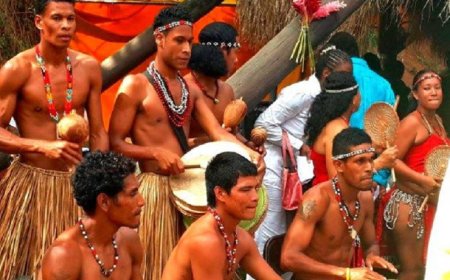
Caribbean dance traditions emerged from centuries of cultural interaction. African communities brought rhythm-based dance traditions during the transatlantic slave trade. European colonial influence introduced ballroom styles, military formations, and formal social dances. Indigenous Caribbean communities contributed ceremonial movement traditions, while Indian and Asian migration later influenced rhythm, costume, and performance styles in several territories.
Because of this cultural mixture, Caribbean dance often combines African percussion rhythms with European partner dance structures and local storytelling elements. Dance in the Caribbean also developed as a form of resistance and identity preservation. Enslaved communities used music and dance to maintain cultural memory despite colonial restrictions. Many dances still contain symbolic movements connected to survival, celebration, spirituality, and freedom.
Calypso and Carnival Dance Trinidad and Tobago
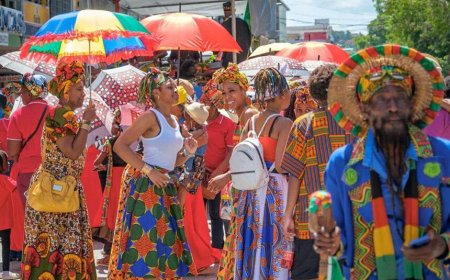
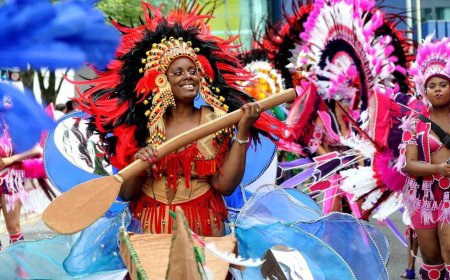
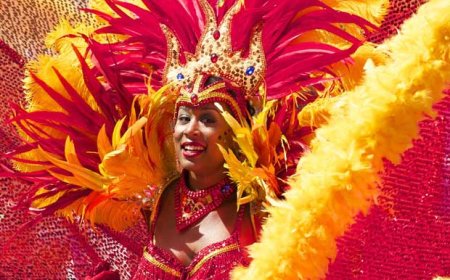
Trinidad and Tobago has one of the most internationally recognized dance cultures in the Caribbean because of Carnival traditions. Carnival dance in Trinidad developed from African masquerade traditions combined with French colonial festival customs. Over time, it evolved into a large-scale cultural event centered around music, costume design, dance competitions, and street performance.
Dance styles connected to Carnival include wining, rhythmic hip-based movement synchronized with calypso and soca music. Performances often emphasize improvisation, crowd interaction, and group participation rather than formal choreography. Carnival bands move through city streets for hours while participants dance continuously to live DJs and steelpan music.
Traditional masquerade characters such as Moko Jumbies, Jab Jab, and Midnight Robbers also perform ritualized dance movements linked to historical storytelling and spiritual symbolism.
Experiencing Trinidad Carnival offers one of the most immersive traditional dance environments in the Caribbean.
Bélé Dance Martinique and Saint Lucia
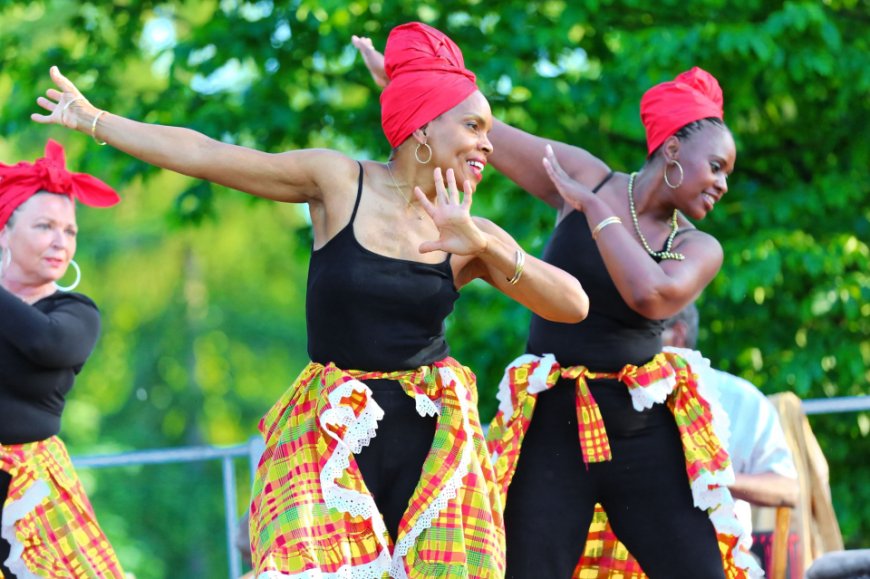
Martinique and Saint Lucia preserve the tradition of Bélé, which originated from African enslaved communities. Bélé combines drumming, singing, and partner dancing in a circular performance setting. The dance is heavily rhythm-driven, with performers responding directly to live drum patterns. Movements often involve foot stamping, hip motion, spinning, and coordinated interaction between dancers and drummers.
Bélé events are community-centered and sometimes connected to agricultural celebrations, social gatherings, and cultural preservation festivals. The dance also serves as a historical reminder of resistance and African identity in the French Caribbean.
Danzón Cuba
Cuba developed several influential dance traditions, including Danzón. Danzón emerged during the nineteenth century and combined European ballroom dance structure with Afro-Cuban rhythmic influence. The dance is formal and partner-oriented, emphasizing controlled steps, posture, and musical timing. Traditional orchestras known as charangas provide musical accompaniment using violins, flute, piano, and percussion instruments. Danzón later influenced the development of mambo, cha-cha-cha, and modern salsa. Experiencing Danzón in Cuba offers insight into the evolution of Caribbean social dance traditions.
Salsa Cuba and Puerto Rico
Salsa is one of the most globally recognized Caribbean dance forms. Although Salsa developed through multiple influences across Cuba, Puerto Rico, and Latin American immigrant communities, its roots remain strongly connected to Afro-Caribbean rhythm traditions. The dance emphasizes partner coordination, rapid footwork, spinning, and improvisation. Different regional styles exist. Cuban Salsa often uses circular movement patterns, while Puerto Rican Salsa emphasizes line-based choreography and faster technical footwork. Live Salsa venues remain central to nightlife culture in cities such as Havana and San Juan. Learning Salsa socially in the Caribbean provides a very different experience from studio-based instruction abroad because live music and community interaction play a major role.
Rara Dance Haiti
Haiti preserves strong ceremonial dance traditions connected to spirituality and public processions. Rara is performed during the Easter season and involves marching bands, dancers, bamboo trumpets, drums, and community participation. Rara combines African religious influence, Vodou traditions, and political expression.
Performers move through villages and streets in long processions involving repetitive rhythmic dance patterns. The experience is less formal than theatrical dance and functions more as a living cultural event involving entire communities.
Quadrille Jamaica, Dominica, and Saint Lucia
Quadrille developed from European ballroom traditions introduced during colonial rule. Over time, Caribbean communities adapted Quadrille using local rhythms, instruments, and performance styles.
The dance is performed in sets involving coordinated partner movement and structured formations. In Jamaica, Quadrille includes mento music and local drumming influence. In Dominica and Saint Lucia, traditional costumes and Creole music remain important elements. Quadrille demonstrates how Caribbean culture transformed colonial traditions into locally distinct performance styles.
Kumina Jamaica
Kumina developed among communities descended from Central African migrants in Jamaica. The dance is connected to spiritual ceremonies involving drumming, chanting, and ritual movement.
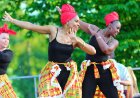
Kumina performances emphasize circular movement, trance-like rhythm, and communication between dancers and drummers. The tradition remains culturally important in some Jamaican rural communities and preservation groups. Kumina also influenced modern Jamaican music and movement traditions, including aspects of reggae stage performance culture.
Punta Belize and the Caribbean Coast
Punta is strongly associated with Garifuna communities in Belize and parts of the Caribbean coast of Central America. The dance features rapid hip movement, drumming, and call-and-response singing.
Punta performances are social, energetic, and community-oriented. Traditional instruments include hand drums and maracas. Garifuna culture was recognized by UNESCO for its cultural importance, helping preserve Punta traditions internationally. Today, Punta remains active at festivals, family events, and cultural celebrations.
Gwo Ka Guadeloupe
Guadeloupe preserves Gwo Ka, an Afro-Caribbean performance form based heavily on percussion. Gwo Ka includes drumming, dance improvisation, singing, and audience participation. Rather than fixed choreography, dancers respond directly to drum rhythms created by lead percussionists. The tradition historically functioned as both entertainment and social communication among enslaved communities. UNESCO recognized Gwo Ka as an Intangible Cultural Heritage tradition, increasing international awareness of the form.
Merengue Dominican Republic
The Dominican Republic is internationally known for Merengue. Merengue involves partner dancing with simple side-to-side movement patterns synchronized with fast-paced music. Traditional instruments include accordion, tambora drums, and güira percussion. The dance became strongly linked to Dominican national identity during the twentieth century and remains common at parties, festivals, and public celebrations. Meringue’s accessibility makes it one of the easiest Caribbean dances for visitors to experience socially.
Junkanoo Dance Bahamas
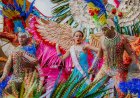
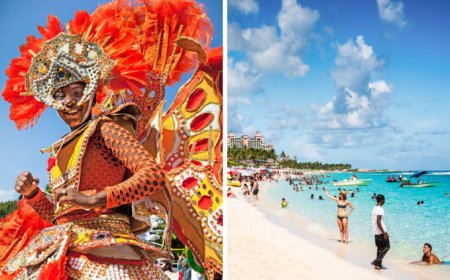
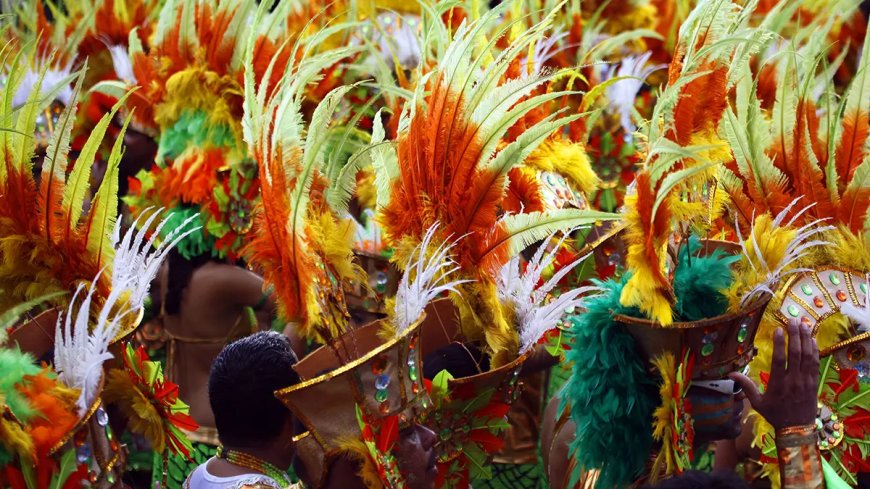
Bahamas celebrates Junkanoo during major holiday parades. Junkanoo combines elaborate costumes, rhythmic dancing, drumming, brass instruments, and street processions. The event developed from enslaved African communities who celebrated during limited holiday periods granted during colonial times. Modern Junkanoo groups spend months preparing choreography, costumes, and musical arrangements for competitions.
Experiencing Junkanoo during New Year or Boxing Day celebrations offers one of the Caribbean’s most visually active traditional dance events.
Steel pan and Dance Culture
Steelpan music from Trinidad influenced dance culture across the Caribbean. Traditional steel band events often involve freestyle street dancing connected to Carnival celebrations. The relationship between live percussion and improvised dance remains central to Caribbean performance culture.
Unlike highly formal stage traditions, many Caribbean dance styles emphasize participation rather than audience separation.
The Role of Festivals in Dance Preservation
Festivals remain one of the most important preservation systems for Caribbean dance traditions. Events such as Trinidad Carnival, Crop Over in Barbados, Junkanoo in the Bahamas, and Saint Lucia Jazz & Arts Festival provide platforms for traditional performance. Governments and tourism organizations increasingly promote these festivals internationally because cultural tourism contributes significantly to regional economies. Festivals also allow younger generations to engage with heritage traditions in modern settings.
Costumes and Symbolism
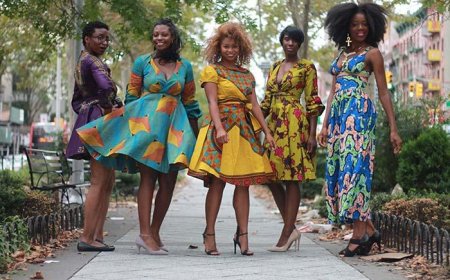
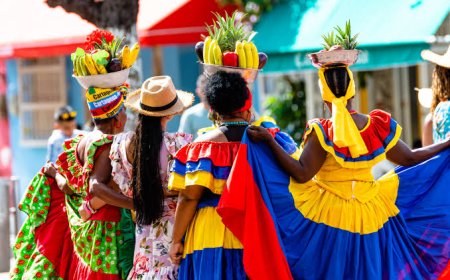
Traditional Caribbean dance costumes often reflect African symbolism, colonial history, spirituality, and social identity. Carnival costumes may represent historical characters, folklore figures, or political commentary. Rural folk dances often use simpler clothing connected to agricultural life and local traditions. Color, masks, feathers, drums, and body movement all contribute symbolic meaning beyond entertainment alone.
Religion and Spirituality in Caribbean Dance
Several Caribbean dance traditions remain connected to religion and spirituality. Vodou traditions in Haiti, Kumina in Jamaica, and certain Afro-Caribbean ceremonies involve dance as part of spiritual communication and ritual practice. These traditions are often misunderstood by outsiders because tourism presentations sometimes remove religious context. Experiencing ceremonial dance respectfully requires understanding local customs and cultural sensitivity.
Modern Influence and Globalization
Caribbean dance has strongly influenced global music and entertainment industries. Salsa, reggae dance styles, soca movement, and Carnival traditions now appear worldwide. Social media and international festivals have increased visibility for Caribbean dance culture, especially among younger audiences. However, commercialization sometimes simplifies traditional forms into entertainment products disconnected from their original cultural meaning. Cultural organizations across the Caribbean continue working to preserve historical authenticity while adapting to modern audiences.
Learning Caribbean Dance as a Traveller
Visitors interested in Caribbean dance should prioritize community festivals, local cultural centers, and live music events rather than only tourist resort performances. Many islands offer workshops, dance schools, and festival participation opportunities. Learning basic movement patterns and understanding musical rhythms improves appreciation of the cultural experience. Respectful participation is important because many dances hold historical and spiritual significance.
Why Caribbean Dance Remains Important in 2026
Traditional Caribbean dance remains important because it preserves collective identity in a rapidly globalizing world. Dance continues functioning as historical memory, social celebration, artistic expression, and economic activity through tourism and festivals. Younger Caribbean performers increasingly combine traditional forms with modern music and digital performance platforms while maintaining cultural roots. International recognition from UNESCO and cultural heritage programs has also increased preservation funding and educational awareness.
Conclusion
Traditional Caribbean dance forms represent centuries of cultural interaction, resistance, celebration, and artistic development. From Bélé and Quadrille to Salsa, Merengue, and Junkanoo, these traditions reflect the Caribbean’s complex cultural history.
Experiencing these dances in their local environment provides a deeper understanding of Caribbean identity than watching staged performances abroad. Music, costume, rhythm, storytelling, spirituality, and community participation all combine to create living cultural traditions that remain active and relevant in 2026.
What's Your Reaction?
 Like
0
Like
0
 Dislike
0
Dislike
0
 Love
0
Love
0
 Funny
0
Funny
0
 Angry
0
Angry
0
 Sad
0
Sad
0
 Wow
0
Wow
0