























Reef Safety Essentials for Snorkelers
Reef snorkeling allows people to explore coral ecosystems and marine life, but it also involves risks related to currents, weather, coral injuries, marine animals, and environmental damage. Safe snorkeling depends on preparation, proper equipment, swimming ability, and awareness of changing ocean conditions. The article explains essential safety practices such as checking weather and tide conditions, never snorkelling alone, using properly fitted masks and fins, understanding ocean currents, and avoiding contact with coral reefs. It also highlights the importance of reef-safe sunscreen, hydration, flotation support, and respectful interaction with marine wildlife.

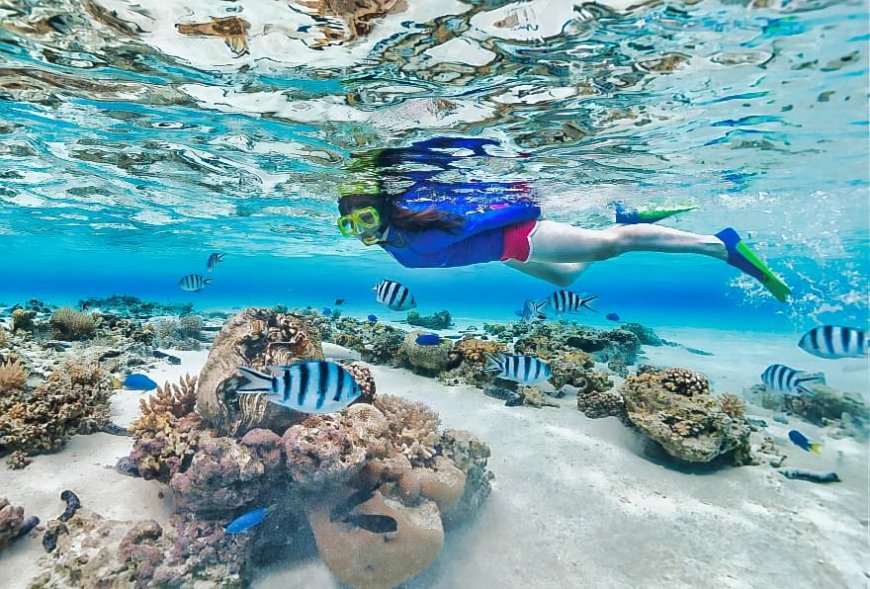
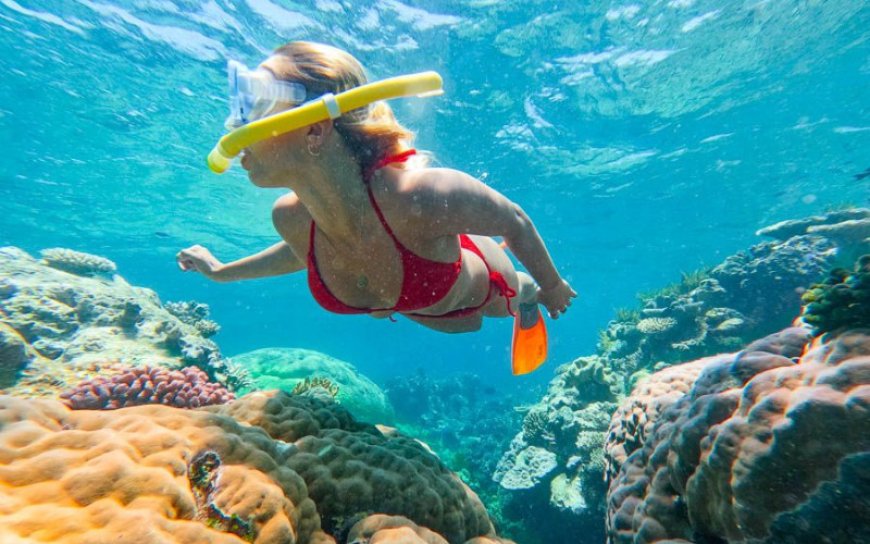
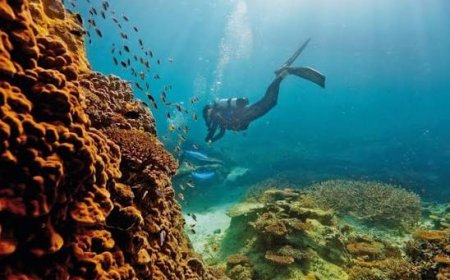
Snorkelling is one of the most accessible ways to explore coral reef ecosystems. Unlike scuba diving, snorkelling requires limited equipment and minimal technical training, making it popular among travellers, families, and recreational swimmers. Coral reefs attract millions of visitors every year because they provide access to marine life, shallow clear-water environments, and coastal biodiversity.

However, reef environments also present risks that many beginners underestimate. Ocean conditions can change quickly, coral structures can cause injuries, and marine wildlife interactions require caution. In addition, reefs themselves are fragile ecosystems that can be permanently damaged by careless tourism activity.
In 2026, reef safety will become more important due to increasing coastal tourism, coral bleaching events, climate-related ocean changes, and growing environmental regulations in marine protected areas. Many destinations now combine reef conservation rules with visitor safety guidelines to reduce accidents and ecological damage.
This article explains the most important reef safety essentials for snorkelers, covering equipment, environmental awareness, marine life, weather conditions, physical preparation, emergency response, and reef conservation practices.
Understanding Coral Reef Environments
Coral reefs are complex underwater ecosystems built by colonies of coral polyps. Although reefs may appear calm from the surface, they contain sharp structures, changing currents, marine animals, and uneven underwater terrain.
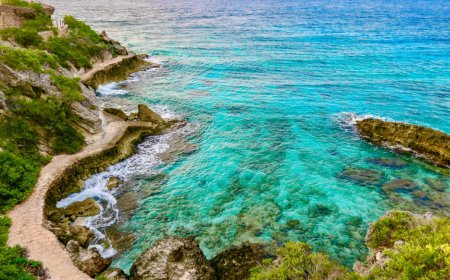
Most snorkelling reefs are located in shallow tropical and subtropical waters where sunlight supports coral growth. These areas often contain fish, sea urchins, rays, turtles, and other marine species. Reef systems can include lagoons, reef walls, channels, coral gardens, and drop-offs. Each environment presents different safety considerations. Understanding the physical structure of reefs helps snorkelers avoid injury and navigate safely.
Choosing Safe Snorkelling Conditions
Ocean conditions strongly influence snorkelling safety. Calm water with good visibility is ideal, especially for beginners. Rough waves, strong currents, and low visibility increase fatigue and disorientation risk. Weather conditions should always be checked before entering the water. Wind speed, tide movement, storms, and wave activity can change rapidly in coastal areas.
Many accidents occur because snorkelers underestimate current strength or swim too far from shore without considering return conditions. Morning hours are often safer because winds and wave activity tend to increase later in the day.
Never Snorkel Alone
One of the most important safety rules is avoiding solo snorkelling. Even experienced swimmers can face cramps, exhaustion, panic, equipment failure, or sudden current changes. A snorkelling partner provides immediate assistance during emergencies and improves visibility monitoring in the water.
Buddy systems are especially important near reef drop-offs, boat traffic zones, and areas with changing tides. Groups should establish clear communication signals before entering the water.
Proper Snorkelling Equipment
Using correct equipment significantly improves both safety and comfort. Basic snorkelling gear includes a mask, snorkel, fins, and flotation support if needed. Masks should fit securely without leaking. Poor mask fit causes constant adjustment, distraction, and reduced visibility. Snorkels should allow easy breathing and include purge valves or splash guards for beginners when possible.
Fins improve movement efficiency and reduce energy use during swimming. Poorly fitted fins can cause blisters or cramping. Many beginners underestimate the value of flotation devices. Snorkel vests and flotation belts reduce fatigue and improve confidence, especially in deeper water.
Understanding Ocean Currents
Currents are one of the most underestimated reef hazards. Even calm-looking water can contain strong lateral or outgoing currents. Reef channels often create powerful water movement that changes with tides. Snorkelers should identify the current direction before entering the water and avoid swimming directly against strong flow.
If caught in a current, panic increases exhaustion risk. The safest response is usually swimming parallel to shore until free from the strongest movement before returning gradually. Local guides and lifeguards often provide current information specific to reef areas.
Avoiding Coral Contact
Coral reefs are living organisms, not rocks. Touching or standing on coral damages fragile reef structures and can kill coral colonies. Even brief contact may leave lasting ecological damage.
Coral also causes injuries. Sharp edges can create cuts that easily become infected due to marine bacteria. Many coral injuries occur because snorkelers attempt to stand in shallow areas during fatigue or panic. Maintaining horizontal body position and proper fin control reduces accidental reef contact.
Reef-Safe Sunscreen and Environmental Protection
Chemical pollution from some sunscreens contributes to coral reef damage. Several destinations now regulate or ban sunscreens containing ingredients linked to coral bleaching and reef toxicity.
Reef-safe sunscreen products avoid harmful chemicals such as oxybenzone and octinoxate.
Protective clothing such as rash guards also reduces sun exposure while minimizing sunscreen use. Environmental responsibility is increasingly considered part of reef safety because damaged reefs become less stable ecosystems for both wildlife and tourism activity.
Marine Life Awareness
Most reef animals are not aggressive, but careless interaction creates risk for both humans and marine species. Snorkelers should never chase, touch, feed, or corner marine animals. Sea urchins are common reef hazards because their spines can puncture skin. Lionfish, jellyfish, and some coral species can also cause painful stings or injuries.
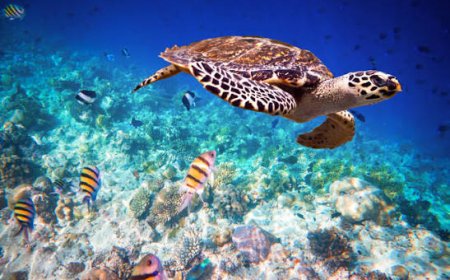
Sea turtles, rays, and reef sharks are generally non-aggressive toward snorkelers, but respectful distance should always be maintained. Marine life should be observed calmly without sudden movement or interference.
Boat Traffic Safety
- Many snorkelling reefs are located near boating routes or tour operations.
- Snorkelers should use visible flotation devices or marker buoys in areas with boat activity.
- Surfacing unexpectedly near moving boats creates serious collision risk.
- Some marine parks designate specific snorkelling zones separated from watercraft traffic.
- Listening to local safety briefings helps identify restricted areas and navigation hazards.
Physical Fitness and Swimming Ability
Basic swimming ability is essential for reef snorkelling. Many tourist accidents involve individuals with limited swimming experience entering open water environments. Snorkelling requires continuous movement, breathing control, and energy management.
Fatigue develops faster in saltwater currents and wave conditions than many beginners expect. People with heart conditions, respiratory problems, or limited endurance should consult medical professionals before engaging in extended snorkelling activity.
Panic Management in Water
Panic is one of the leading contributors to snorkelling emergencies. Water entering the snorkel, unexpected depth changes, or wave movement can trigger anxiety in inexperienced swimmers.
Slow breathing and floating calmly are critical responses during stress. Using flotation support reduces panic risk significantly. Beginners should practice breathing and equipment adjustment in shallow water before entering reef areas.
Sun Exposure and Heat Risks
Snorkelers often underestimate sun exposure because water keeps the body cool. Extended snorkelling sessions can lead to severe sunburn, dehydration, and heat exhaustion. UV reflection from water increases exposure intensity. Hydration before and after snorkelling is essential, especially in tropical climates. Protective clothing, hats, and scheduled breaks reduce heat-related risk.
Tide Awareness
Tides affect water depth, visibility, and current strength around reefs. Low tide can expose sharp coral and reduce safe swimming space. Incoming tides may create stronger water movement through reef channels. Some reef areas become inaccessible or hazardous during specific tidal periods. Checking local tide schedules improves both safety and visibility conditions.
Weather Monitoring
Weather conditions change quickly in many tropical coastal areas. Thunderstorms create lightning risk, reduced visibility, and rough water conditions. Strong winds increase wave activity and surface chop, making breathing through a snorkel more difficult. Snorkelers should leave the water immediately during approaching storms or deteriorating visibility. Ignoring weather warnings remains one of the most preventable causes of marine accidents.
Snorkelling From Shore vs Boats
Shore snorkelling and boat snorkelling involve different risks. Shore entry may require walking across rocks, coral rubble, or wave zones. Boat snorkelling requires awareness of ladders, anchors, and vessel movement. Boat-based tours often provide safer access to offshore reefs but may encourage inexperienced swimmers to enter deeper water than they can comfortably manage. Understanding entry and exit procedures before entering the water is important in both situations.
Children and Reef Safety
Children require close supervision while snorkelling. Even confident child swimmers may struggle with currents, wave movement, or equipment adjustment. Child-sized gear improves safety and comfort. Flotation support is strongly recommended for young snorkelers. Adults should maintain direct visual supervision rather than relying entirely on tour operators or group settings.
Snorkelling in Protected Marine Areas
Many reef systems now operate under marine protection regulations. Protected areas may restrict touching coral, collecting shells, fishing, anchoring, or feeding wildlife. Some parks require guided tours or environmental briefings before entry. These rules exist both for conservation and visitor safety. Ignoring marine park regulations can result in fines or restricted access.
Emergency Response Basics
Snorkelers should understand basic emergency procedures before entering open water. Key skills include recognizing exhaustion signs, assisting tired swimmers, signaling for help, and managing cramps. Tour operators should provide emergency equipment including flotation devices, radios, and first-aid kits. Knowing the nearest medical facility or lifeguard station is also important in remote areas. CPR and water rescue training improve overall marine safety awareness.
The Impact of Climate Change on Reef Safety
Climate change increasingly affects reef environments. Warmer ocean temperatures contribute to coral bleaching and ecosystem instability. More frequent storms and coastal erosion also affect snorkelling conditions. Damaged reefs may contain unstable coral structures, reduced biodiversity, and increased algae growth affecting visibility and navigation. Environmental changes make local reef knowledge more important than relying on outdated travel information.
Technology and Modern Reef Safety
Modern technology has improved reef safety in several ways. Waterproof communication devices, GPS tracking, marine weather apps, and smart flotation equipment are increasingly used in guided snorkelling operations. Drones are also being used in some destinations to monitor currents and shark activity near beaches. Digital reef maps help visitors identify safe entry points and protected zones. However, technology should support safety awareness rather than replace basic swimming and environmental knowledge.
Respecting Local Knowledge
Local guides often understand reef conditions better than visiting snorkelers. They can identify current patterns, seasonal wildlife behaviour, safe routes, and hazardous areas. Ignoring local warnings about weather or tides increases accident risk significantly. Community-based reef tourism programs also help support conservation and local economies.
Common Mistakes Beginners Make
Many beginners swim too far from shore too quickly. Others focus heavily on underwater photography and lose awareness of currents or surroundings. Touching marine life, standing on coral, and ignoring fatigue are also common mistakes. Overconfidence is a major risk factor, especially among individuals who are comfortable pool swimmers but inexperienced in ocean environments.
Building Responsible Reef Tourism Habits
Responsible snorkelling protects both visitors and marine ecosystems. Small actions such as maintaining distance from coral, avoiding littering, and respecting marine wildlife contribute to reef preservation. Tourism pressure continues increasing in popular reef destinations, making responsible behaviour essential for long-term ecosystem survival. Environmental awareness is now considered a core part of safe snorkelling practice.
Conclusion
Reef snorkelling offers direct access to some of the world’s most biologically diverse marine ecosystems, but safe participation requires preparation, awareness, and environmental responsibility.
Understanding currents, tides, equipment use, weather conditions, and marine life behaviour significantly reduces risk. Avoiding coral contact, using reef-safe products, and respecting protected marine areas also help preserve reef ecosystems for future generations.
In 2026, reef safety is no longer viewed only as accident prevention. It is increasingly connected to sustainable tourism, conservation, climate awareness, and responsible travel behaviour.
Snorkelers who combine personal safety practices with environmental respect create better experiences for themselves while helping protect coral reef systems worldwide.
What's Your Reaction?
 Like
0
Like
0
 Dislike
0
Dislike
0
 Love
0
Love
0
 Funny
0
Funny
0
 Angry
0
Angry
0
 Sad
0
Sad
0
 Wow
0
Wow
0