










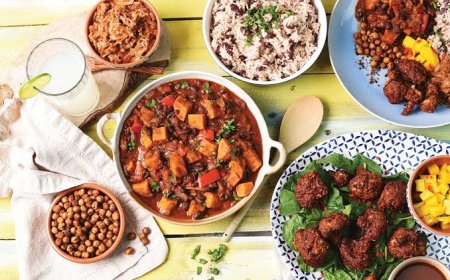





















Traditional Caribbean Breakfast Recipes
Traditional Caribbean breakfasts are filling meals built around local ingredients, cultural history, and practical cooking methods. Common elements include starches like bread, dumplings, or boiled bananas, combined with protein sources such as saltfish, eggs, or legumes, and often paired with fresh fruits or juices. Popular dishes vary by island but include saltfish and ackee in Jamaica, doubles and buljol in Trinidad and Tobago, and fried bake with saltfish in The Bahamas. Porridge varieties like cornmeal and oats are also widely consumed, along with beverages such as cocoa tea and herbal infusions. Overall, Caribbean breakfast recipes reflect a mix of African, Indigenous, European, and Indian influences. They are designed to provide energy using simple cooking techniques and locally available foods, while continuing to evolve with modern dietary preferences.


Breakfast in the Caribbean is shaped by history, climate, and local agriculture. Unlike lighter breakfast traditions in some parts of the world, Caribbean breakfasts are often substantial and designed to provide energy for physically demanding daily routines. These meals reflect a blend of African, Indigenous, European, and Indian influences, with each island contributing its own variations.

Across the region, breakfast typically includes starches such as bread, dumplings, or ground provisions; protein sources like fish, eggs, or salt meat; and fresh fruits or beverages. Ingredients are usually locally sourced, and preparation methods are practical, relying on boiling, frying, or sautéing.
This article explores traditional Caribbean breakfast recipes, explaining their ingredients, preparation methods, and cultural context.
Salt fish and Ackee (Jamaica)
One of the most recognized Caribbean breakfast dishes is salt fish and ackee, widely associated with Jamaica. Saltfish, typically salted cod, is soaked to remove excess salt and then sautéed with onions, tomatoes, and spices. Ackee, a fruit that becomes soft and creamy when cooked, is added to the mixture. The texture of ackee is similar to scrambled eggs, which makes it suitable for breakfast.
The dish is usually served with fried dumplings, boiled green bananas, or breadfruit. It reflects historical trade patterns, as salted cod was imported during the colonial period.
Callaloo and Salt fish (Trinidad and Tobago)
In Trinidad and Tobago, breakfast often includes callaloo, a dish made from leafy greens similar to spinach. When paired with salt fish, it becomes a balanced meal with both vegetables and protein.
The greens are cooked with onions, garlic, and sometimes coconut milk. Salt fish is prepared separately and then combined or served alongside. This dish reflects African culinary traditions adapted to Caribbean ingredients.
Doubles (Trinidad and Tobago)
Doubles is a popular street breakfast in Trinidad and Tobago. It consists of two pieces of flatbread filled with curried chickpeas.
The chickpeas are cooked with spices such as turmeric, cumin, and garlic. The dish is often topped with chutneys, including tamarind or pepper sauce. Doubles reflects Indian influence in the Caribbean, introduced by indentured labourers in the 19th century.
Fried Bake and Salt fish (Bahamas)
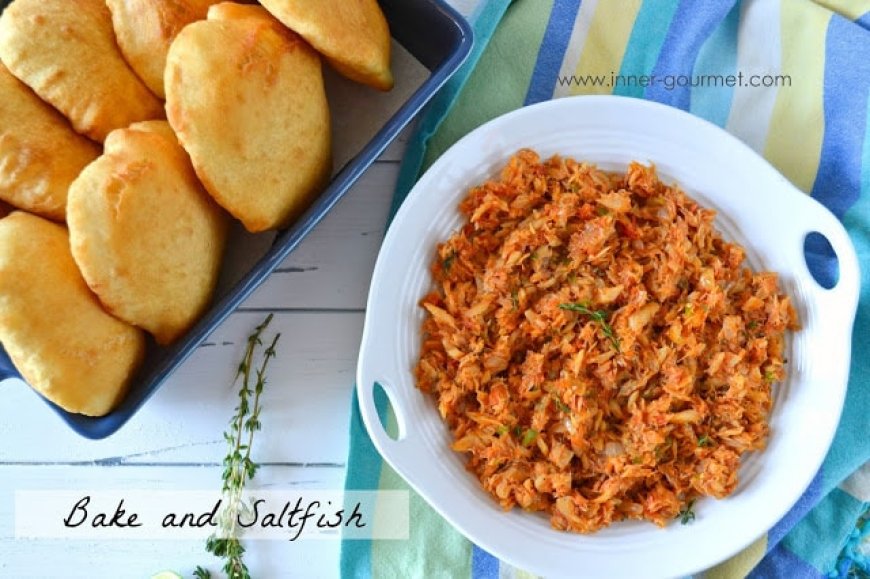
In The Bahamas, fried bake is a common breakfast item. It is made from a simple dough that is deep-fried until golden.
Fried bake is typically served with salt fish, eggs, or stewed meats. The dish is filling and practical, using basic ingredients such as flour, water, and oil.
Johnny Cakes (Eastern Caribbean)
Johnny cakes are widely consumed across islands such as Barbados and Antigua and Barbuda.
These are small fried or baked breads made from flour, sugar, and butter. They are often served with cheese, fish, or eggs. Johnny cakes are simple to prepare and have a long history in Caribbean households.
Buljol (Trinidad and Tobago)
Buljol is a cold breakfast dish made with salted cod, tomatoes, onions, and peppers. It is commonly eaten in Trinidad and Tobago.
The salt fish is flaked and mixed with fresh vegetables, lime juice, and oil. Buljol is often served with bread or crackers. Its preparation requires minimal cooking, making it convenient for early mornings.
Green Fig and Salt fish (Saint Lucia)
In Saint Lucia, green fig (unripe banana) is a staple breakfast ingredient.
The bananas are boiled and served with salt fish cooked with onions and peppers. This dish reflects the use of locally grown produce and simple cooking methods.
Bake and Shark (Trinidad)
Although often associated with lunch, bake and shark is also eaten as a breakfast dish in Trinidad and Tobago. It consists of fried shark meat placed inside fried bread and topped with sauces and vegetables. The dish highlights the availability of seafood in coastal communities.
Porridge Varieties
Porridge is a common breakfast across the Caribbean, with variations depending on local ingredients.
Cornmeal Porridge
Cornmeal porridge is widely consumed in Jamaica and other islands. It is made by cooking cornmeal with water or milk, sweetened with sugar, and flavored with spices such as cinnamon and nutmeg.
Oats Porridge
Oats porridge is another popular option, often prepared with milk and spices.
Plantain Porridge
In some areas, green plantains are blended and cooked into a thick porridge. This version is rich in nutrients and provides sustained energy.
Fresh Fruits and Juices
The Caribbean climate supports a wide range of fruits, which are commonly included in breakfast.
Popular options include:
- Mango
- Papaya
- Pineapple
- Guava
Fresh juices are often made from these fruits, providing natural sweetness and hydration.
- Beverages
- Coffee
Coffee is widely consumed, particularly in regions with local production such as Jamaica.
Tea
Herbal teas made from local plants such as lemongrass or ginger are common.
Cocoa Tea
Cocoa tea is a traditional beverage made from locally grown cocoa, often prepared with milk and spices.
Cooking Techniques
Caribbean breakfast recipes rely on practical cooking methods:
- Boiling: used for ground provisions and porridge
- Frying: used for breads and fish
- Sautéing: used for combining ingredients in dishes like saltfish
These techniques reflect the need for efficiency and the use of simple kitchen equipment.
Cultural Significance
Breakfast in the Caribbean is more than a meal; it reflects cultural identity and history. Many dishes are linked to colonial trade, migration, and local agriculture.
For example, the use of salted cod in multiple dishes reflects historical trade routes, while the presence of spices and curries highlights Indian and African influences.
Nutritional Aspects
Traditional Caribbean breakfasts are designed to provide energy. They often include:
- Carbohydrates from bread or ground provisions
- Protein from fish or legumes
- Vitamins from fruits and vegetables
While some dishes are high in calories, they are balanced by the use of fresh ingredients and natural preparation methods.
Modern Adaptations
Modern Caribbean breakfasts are evolving to include healthier options and international influences.
Some changes include:
- Reduced use of frying
- Increased use of whole grains
- Incorporation of plant-based diets
Despite these changes, traditional recipes remain widely consumed.
Conclusion
Traditional Caribbean breakfast recipes offer a practical and culturally rich approach to the first meal of the day. From salt fish and ackee in Jamaica to doubles in Trinidad and Tobago, these dishes reflect the region’s history, resources, and daily life.
They combine simple ingredients with effective cooking methods to create meals that are both filling and meaningful. As Caribbean cuisine continues to evolve, these breakfast traditions remain an important part of the region’s identity.
What's Your Reaction?
 Like
0
Like
0
 Dislike
0
Dislike
0
 Love
0
Love
0
 Funny
0
Funny
0
 Angry
0
Angry
0
 Sad
0
Sad
0
 Wow
0
Wow
0