














Kayak Expeditions Through Mangrove Forests
Kayak expeditions through mangrove forests are a growing form of eco-tourism that allows travelers to explore coastal wetlands in a quiet, low-impact, and environmentally responsible way. Mangrove ecosystems are found in tropical and subtropical regions and play a critical role in protecting coastlines, supporting marine biodiversity, and storing carbon. These kayak tours are popular because they provide direct access to narrow waterways, root tunnels, and shallow lagoons that larger boats cannot reach. Travelers can observe wildlife such as birds, juvenile fish, crabs, manatees, and other species that depend on mangroves for shelter and breeding.

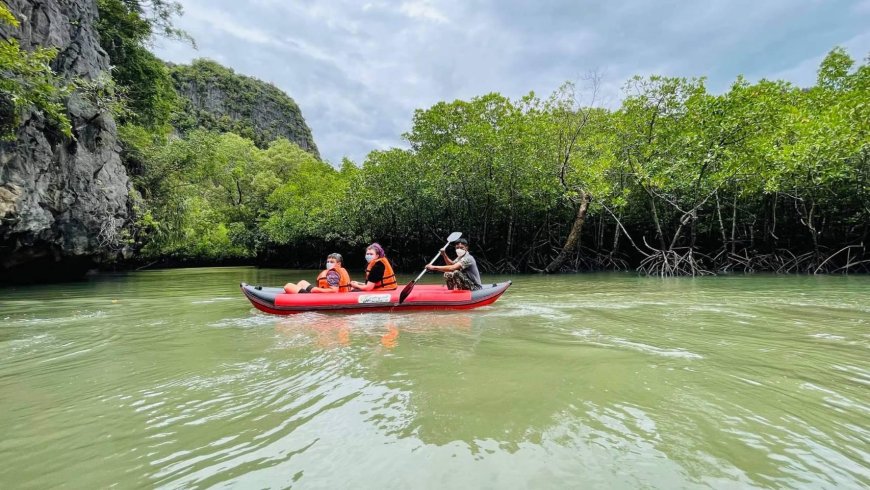
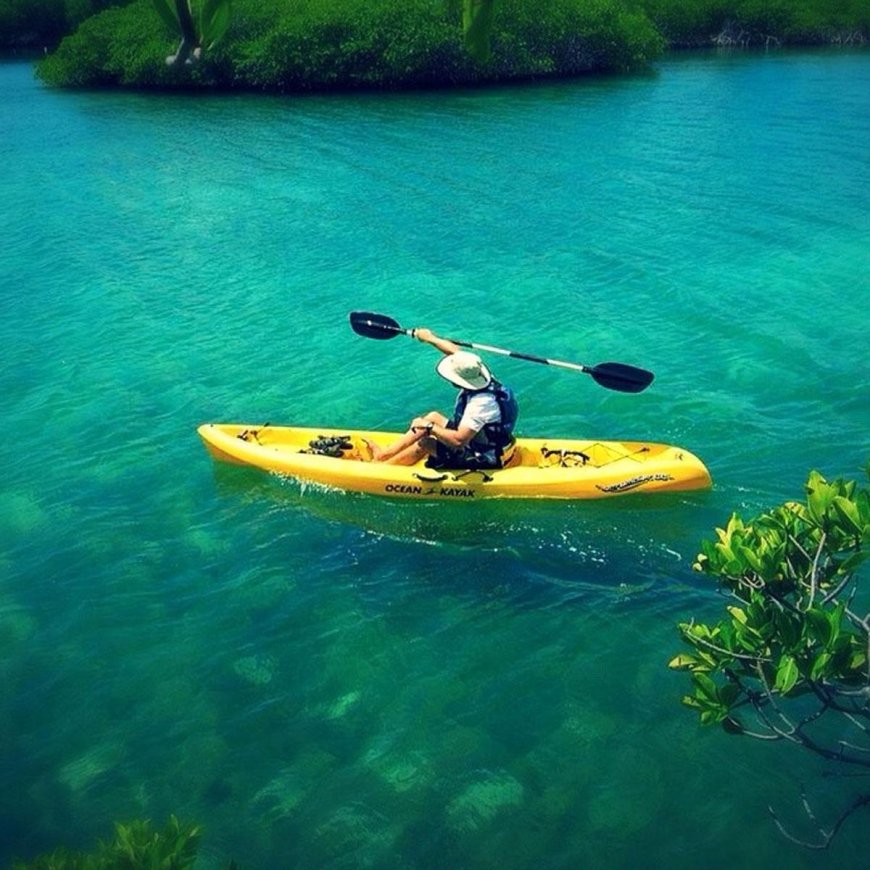
Kayak expeditions through mangrove forests are becoming an important form of eco-tourism in coastal regions around the world. These experiences focus on slow, non-motorized travel through shallow waterways where mangrove ecosystems grow. Unlike speedboat tours or large cruise activities, kayaking allows close interaction with the natural environment without heavy disturbance to wildlife.

Mangrove forests are found in tropical and subtropical coastal zones. They grow in salty or brackish water where rivers meet the sea. These ecosystems exist in places such as the Caribbean, Southeast Asia, Central America, parts of Africa, and northern Australia. They act as natural barriers between land and sea and support a wide range of marine and bird life.
In recent years, kayak-based tourism in mangrove areas has expanded because travelers are increasingly interested in:
- Low-impact travel experiences
- Wildlife observation
- Environmental education
- Small-group outdoor activities
- Nature photography
- Climate awareness tourism
Many coastal destinations now promote mangrove kayaking as part of their sustainable tourism programs. National parks, marine reserves, and eco-lodges often include guided kayak routes through mangrove channels.
This article explains where kayak expeditions through mangrove forests take place, how these ecosystems function, what travelers can expect, and why they are becoming more important in global tourism.
What Mangrove Forests Are and Why They Matter
Mangrove forests are coastal ecosystems made up of salt-tolerant trees and shrubs that grow in intertidal zones. These trees are adapted to survive in oxygen-poor soil and fluctuating water levels.
Mangroves provide several important environmental functions:
- Protecting coastlines from erosion
- Reducing storm and wave impact
- Acting as natural flood barriers
- Supporting fish breeding habitats
- Storing large amounts of carbon
- Filtering pollutants from water
Many fish species spend early life stages in mangrove roots because the environment provides shelter from predators. Crabs, shrimp, molluscs, and juvenile reef fish often depend on mangroves for survival.
Bird species also rely on mangrove habitats for nesting and feeding. In some regions, mangroves are home to endangered species and migratory birds.
From a climate perspective, mangroves are among the most efficient natural carbon storage systems on the planet. This has increased global interest in protecting and restoring them.
However, mangrove ecosystems are under pressure due to:
- Coastal development
- Pollution
- Aquaculture expansion
- Tourism infrastructure
- Rising sea levels
This makes eco-tourism activities like kayaking important because they support conservation awareness and local economic incentives to protect mangroves.
Why Kayaking Is the Best Way to Explore Mangroves
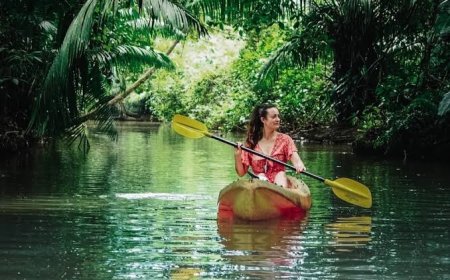
Kayaking is one of the most suitable ways to explore mangrove forests because it allows access to narrow, shallow, and quiet waterways that larger boats cannot reach.
Key advantages of kayaking include:
- Minimal environmental disturbance
- Silent movement through water channels
- Access to hidden tunnels and creeks
- Close observation of wildlife
- Safe navigation in shallow water
- Low carbon footprint compared to motorized tours
Unlike motorboat tours, kayaking does not create engine noise or water turbulence that can disturb sensitive ecosystems. This makes it ideal for bird watching and marine life observation.
Kayaks also allow travelers to move slowly and stop frequently, which is important for photography and guided interpretation of the environment.
Many tour operators now combine kayaking with environmental education. Guides often explain:
- Mangrove root systems
- Local fish species
- Bird migration patterns
- Coastal ecosystem connections
- Climate change impact on wetlands
Best Regions for Mangrove Kayak Expeditions
Mangrove kayaking is available in several global regions. Each location offers different environmental conditions, wildlife species, and tourism infrastructure.
Caribbean Mangrove Kayaking Destinations
The Caribbean is one of the most popular regions for mangrove kayak tourism due to its extensive coastal wetlands and clear shallow waters.
Bahamas Mangrove Systems
Bahamas has large mangrove ecosystems especially in Andros, Exuma, and Abaco regions.
Kayak tours here often pass through:
- Narrow tidal creeks
- Shallow blue lagoons
- Mangrove root tunnels
- Coastal flats
Wildlife commonly seen includes:
- Bonefish
- Small reef fish
- Sea turtles (occasionally)
- Shorebirds such as herons and egrets
Many tours in the Bahamas combine mangrove kayaking with bonefishing education because the ecosystem supports important sport fishing species.
Belize Mangrove Kayak Routes
Belize is one of the strongest global destinations for mangrove kayaking because of its large reef and lagoon systems.
Popular kayaking areas include:
- Caye Caulker
- Placencia Lagoon
- Turneffe Atoll
These environments combine:
- Mangroves
- Coral reefs
- Sea grass beds
This creates a rich biodiversity zone where travelers can observe:
- Manatees
- Juvenile fish species
- Crabs and shrimp
- Tropical birds
Belize also promotes eco-guided kayaking where local conservation groups explain reef-mangrove connections.
Bonaire Mangrove Tours
Bonaire offers highly protected mangrove ecosystems, especially in Lac Bay.
This area is part of a marine park where kayaking is carefully regulated.
Key features include:
- Extremely calm water
- Dense mangrove tunnels
- High water clarity
- Protected fish nurseries
Wildlife includes:
- Juvenile reef fish
- Flamingos in nearby lagoons
- Sea turtles in surrounding waters
Guided tours often include scientific explanations of mangrove ecology.
Southeast Asia Mangrove Kayaking
Southeast Asia has some of the world’s largest mangrove systems due to extensive coastlines and tropical climates.
Thailand Mangrove Kayaking
Thailand offers mangrove kayaking in regions such as Krabi and Phang Nga Bay.
These areas feature:
- Limestone cliffs
- Hidden lagoons
- Narrow mangrove tunnels
Wildlife includes:
- Monitor lizards
- Kingfishers
- Crabs
- Mudskippers
Many tours are combined with cave exploration and sea canoeing through tidal passages.
Indonesia Mangrove Ecosystems
Indonesia has extensive mangrove coverage across multiple islands.
Kayak experiences are available in:
- Bali mangrove forests
- Kalimantan coastal zones
- Sulawesi wetlands
These tours often highlight conservation because Indonesia has one of the largest mangrove areas globally, but also faces deforestation pressure.
- Florida and Central America
- Florida Everglades Kayaking
Florida offers mangrove kayaking in the Everglades National Park.
This ecosystem includes:
- Mangrove tunnels
- Brackish estuaries
- Wildlife corridors
Animals commonly seen:
- Manatees
- Alligators
- Herons
- Ibises
Kayaking here requires awareness of tides and weather conditions.
What to Expect on a Mangrove Kayak Tour
A typical mangrove kayaking expedition follows a structured experience depending on location and guide organization.
Travelers usually begin with a safety briefing that includes paddling instructions, environmental guidelines, and information about tides and currents.
Tours often start in calm shallow waters where paddlers gradually enter mangrove channels. As the route continues, waterways become narrower and more enclosed by mangrove roots.
Guides explain how mangrove ecosystems function and point out wildlife such as fish, birds, and crustaceans. Many tours include stops in open lagoons for rest and observation.
Water conditions are usually calm, but tidal movement can affect water depth and direction. Some routes require paddling against gentle currents depending on tide timing.
Tours typically last between one and four hours depending on location and experience level.
Environmental Importance of Kayak Tourism
Kayak tourism supports environmental awareness in mangrove ecosystems by reducing ecological impact compared to motorized tourism.
Key environmental benefits include:
- Reduced water pollution
- Lower noise disturbance
- Minimal habitat disruption
- Support for conservation funding
- Community-based eco-tourism income
In many regions, part of tour revenue is used for:
- Mangrove restoration projects
- Wildlife protection programs
- Local environmental education
- Coastal cleanup efforts
This creates a connection between tourism and conservation outcomes.
Challenges Facing Mangrove Ecosystems
Despite their importance, mangrove forests face several global threats.
These include:
- Coastal urban expansion
- Aquaculture development
- Plastic pollution
- Climate change and rising sea levels
- Illegal logging in some regions
Loss of mangroves can lead to:
- Increased coastal erosion
- Reduced fish populations
- Higher storm damage risk
- Declining biodiversity
This makes eco-tourism and education programs increasingly important for long-term conservation.
Conclusion
Kayak expeditions through mangrove forests offer a combination of environmental education, wildlife observation, and low-impact travel. These experiences allow travelers to explore one of the most important coastal ecosystems while supporting conservation and local communities.
From the Bahamas and Belize to Thailand and Indonesia, mangrove kayaking provides access to narrow waterways, rich biodiversity, and protected natural environments that are not accessible through larger boats.
As global interest in sustainable tourism continues to grow, mangrove kayak tours are expected to become even more important in coastal travel planning. They represent a form of tourism that connects people directly with ecosystems while minimizing environmental impact and supporting long-term conservation efforts.
What's Your Reaction?
 Like
0
Like
0
 Dislike
0
Dislike
0
 Love
0
Love
0
 Funny
0
Funny
0
 Angry
0
Angry
0
 Sad
0
Sad
0
 Wow
0
Wow
0