



























How to Travel the Caribbean on a Budget
Traveling the Caribbean on a budget is possible with planning, flexibility, and smart choices. The biggest savings come from booking flights early, traveling during off-peak seasons, and using low-cost carriers like Spirit Airlines or regional options such as Caribbean Airlines. Choosing destinations like Dominican Republic and Jamaica can also reduce overall costs due to wider budget options. Accommodation can be made affordable by staying in guesthouses, hostels, or rentals instead of resorts, especially outside tourist-heavy areas like Punta Cana or Montego Bay. Eating at local restaurants, using public transport, and focusing on free or low-cost activities like beaches and cultural events further help control expenses. Overall, budget travel in the Caribbean is about managing total costs rather than just finding cheap deals. By combining low-cost transport, local experiences, and careful planning, travellers can explore the region without overspending.

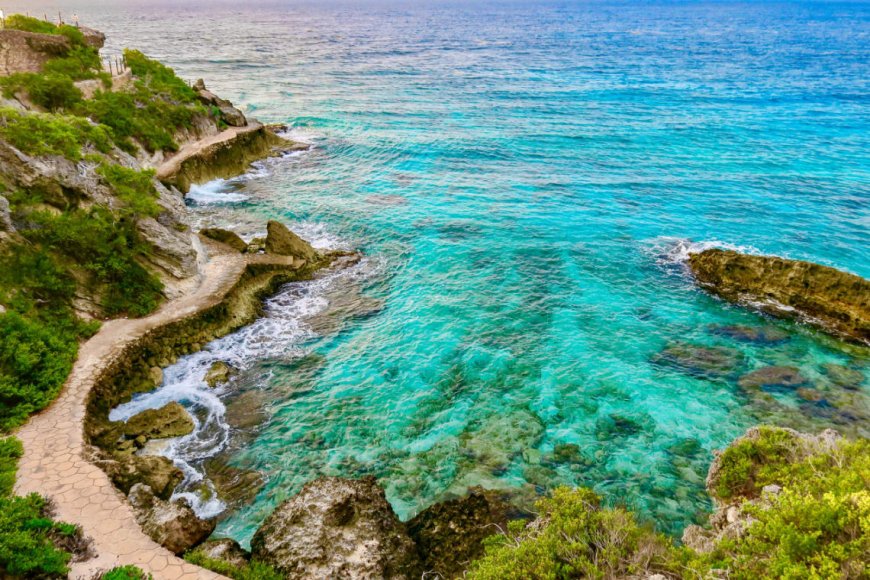

The Caribbean is often associated with high-end resorts and premium travel experiences, but it is possible to explore the region without overspending. Budget travel in the Caribbean depends on planning, flexibility, and understanding how pricing works across flights, accommodation, food, and activities. Costs vary widely between islands, and travelers who make informed choices can reduce expenses while still experiencing the region’s culture, beaches, and local life.

This guide explains practical strategies to travel across the Caribbean on a budget, covering transportation, accommodation, food, activities, and planning techniques.
Understanding Caribbean Travel Costs
Caribbean travel costs are influenced by seasonality, geography, and demand. Islands that rely heavily on tourism often have higher prices, especially during peak travel periods.
Peak season usually runs from December to April, when weather conditions are most favourable. Prices for flights and accommodation increase significantly during this period. Travelling in the shoulder season (May–June, September–November) can reduce costs, although weather conditions may be less predictable.
Some destinations are generally more affordable than others. For example, countries like the Dominican Republic and Jamaica tend to offer a wider range of budget options compared to smaller or more exclusive islands.
Finding Affordable Flights
Book Early and Compare Prices
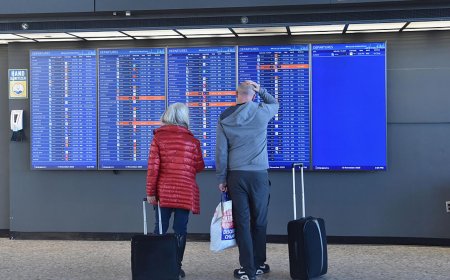
Airfare is often the largest expense. Booking several weeks or months in advance usually results in lower prices. Use comparison tools to track fares and identify trends.
Flights from major hubs are typically cheaper. For example, flying into larger airports such as Punta Cana International Airport can be more affordable than smaller regional airports.
Be Flexible With Dates
Travelling mid-week or during off-peak periods can significantly reduce airfare. Avoid major holidays when demand is high.
Consider Budget Airlines
Low-cost carriers such as Spirit Airlines and Frontier Airlines often offer lower base fares to Caribbean destinations. However, travellers should account for additional fees such as baggage and seat selection.
Use Regional Airlines Strategically
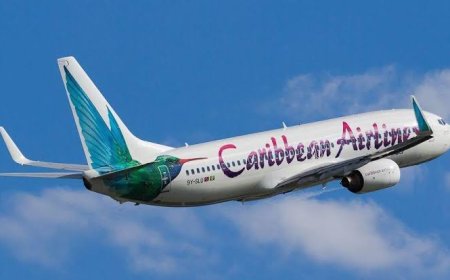
For inter-island travel, regional carriers like Caribbean Airlines connect multiple destinations. Booking short flights separately or combining them with ferries can reduce costs.
Choosing Budget Accommodation
Guesthouses and Small Hotels
Instead of large resorts, consider guesthouses and locally owned hotels. These options are often more affordable and provide a more direct connection to local communities.
Hostels and Shared Spaces
Hostels are available in some Caribbean destinations, particularly in popular tourist areas. They offer dormitory-style accommodation at lower prices.
Vacation Rentals
Platforms offering short-term rentals can provide cost savings, especially for groups. Renting an apartment allows travellers to cook meals, reducing food expenses.
Location Matters
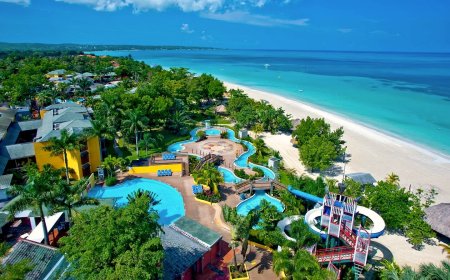
Staying outside major tourist zones can lower accommodation costs. For example, staying outside resort areas in Montego Bay or Punta Cana can result in significant savings.
Saving on Food and Dining
Eat Local
Local restaurants and street food vendors offer meals at lower prices than resort dining. Traditional dishes are often more affordable and provide a better understanding of local cuisine.
Visit Markets
Buying fresh produce from local markets allows travellers to prepare their own meals. This is especially useful for longer stays.
Avoid Tourist Restaurants
Restaurants located near major attractions often charge higher prices. Exploring areas away from tourist centres can reduce costs.
Transportation on a Budget
Public Transport
Many Caribbean islands have public buses or minibuses that are significantly cheaper than taxis. These systems may not follow strict schedules but are widely used by locals.
Shared Taxis
Shared taxis operate on fixed routes and can be a cost-effective alternative to private taxis.
Walking and Cycling
In smaller towns and islands, walking or cycling is practical and eliminates transportation costs.
Ferries between Islands
Ferries can be cheaper than flights for inter-island travel. Routes vary by region, so planning ahead is important.
Budget-Friendly Activities
Beaches and Nature
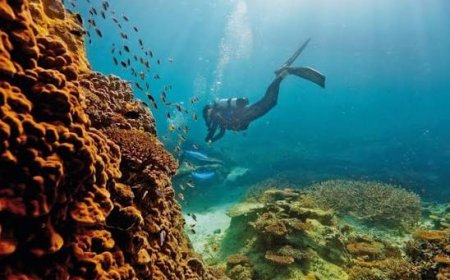
Many of the Caribbean’s best attractions are free. Public beaches, hiking trails, and natural landmarks do not require entry fees.
Cultural Experiences
Local festivals, music events, and community gatherings often have low or no cost. These events provide insight into Caribbean culture.
Self-Guided Exploration
Exploring towns, markets, and historical areas independently can reduce the need for expensive guided tours.
Managing Daily Expenses
Set a Daily Budget
Tracking daily spending helps maintain control over expenses.
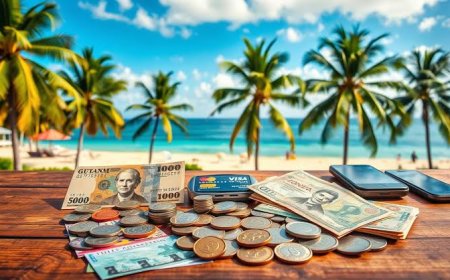
Use Local Currency
Paying in local currency can avoid unfavourable exchange rates.
Limit Resort Add-Ons
Activities and services within resorts are often priced higher than external options.
Travel Insurance and Safety
Travel insurance is an additional cost but can prevent larger financial losses in case of emergencies. Choosing basic coverage can balance cost and protection.
Planning Multi-Island Trips
Travelling between multiple islands can increase costs. To stay within budget:
- Limit the number of destinations
- Choose islands with ferry connections
- Plan routes efficiently to avoid backtracking
Common Mistakes to Avoid
Over packing
Budget airlines charge for baggage, so packing light reduces costs.
Last-Minute Bookings
Late bookings often result in higher prices for flights and accommodation.
Ignoring Local Options
Relying only on tourist services can increase expenses unnecessarily.
Example Budget Breakdown
Daily Budget Estimate (Per Person)
- Accommodation: $30–$80
- Food: $10–$25
- Transport: $5–$15
- Activities: $0–$20
- Total: $45–$140 per day depending on destination and travel style.
Balancing Cost and Experience
Budget travel does not mean sacrificing experience. Choosing local options often leads to more meaningful interactions and a better understanding of the destination.Travellers who prioritize flexibility and research can access a wide range of experiences at lower costs.
Conclusion
Travelling the Caribbean on a budget is achievable with careful planning and informed decisions. By choosing affordable flights, staying in budget accommodations, eating locally, and using public transport, travellers can significantly reduce costs.
Destinations like Dominican Republic and Jamaica provide accessible entry points for budget travellers, while airlines such as Spirit Airlines and Caribbean Airlines offer cost-saving travel options.
With the right approach, the Caribbean can be explored in a practical and affordable way while still delivering a complete travel experience.
What's Your Reaction?
 Like
0
Like
0
 Dislike
0
Dislike
0
 Love
0
Love
0
 Funny
0
Funny
0
 Angry
0
Angry
0
 Sad
0
Sad
0
 Wow
0
Wow
0