
















Scuba Diving 101: The Best Dive Sites in Bonaire for Beginners vs. Pros.
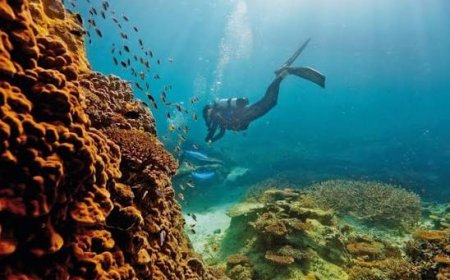
Bonaire is one of the easiest and most reliable scuba diving destinations in the Caribbean, known for calm waters, clear visibility, and a large number of marked shore dive sites. Beginners benefit from shallow reefs, minimal currents, and simple beach entry points at sites like Bari Reef, Something Special, and Yellow Submarine, where training dives and first certifications are commonly completed. Local dive operators provide structured instruction, gear rental, and guided dives year-round.

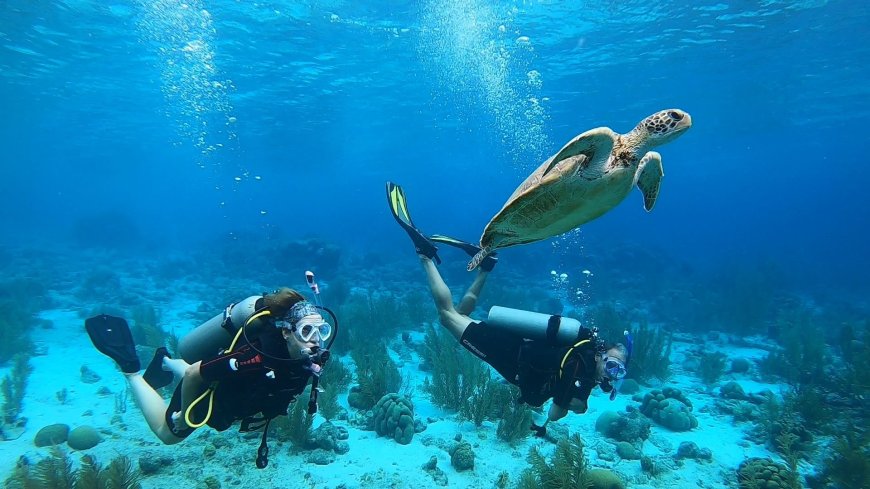
Bonaire is widely recognized as one of the world’s best scuba diving destinations due to its stable water conditions, abundant marine life, and shore-accessible reefs. With more than 85 marked dive sites around the island, most reachable from land and protected within the Bonaire National Marine Park, divers from beginners to seasoned professionals can find suitable underwater challenges. This guide breaks down which sites are best for beginners and which are suited to advanced divers, along with key tips for planning and safety.

1. Why Bonaire Is Great for All Diver Levels
Shore diving everywhere: Most dive sites can be accessed by shore, eliminating boat schedules and allowing divers to enter at their own pace.
Calm conditions: Generally mild currents and excellent visibility (often 80–100+ feet) make navigation easier for new divers.
Easy progression: Many sites allow gradual depth increases, helping beginners gain confidence over multiple dives.
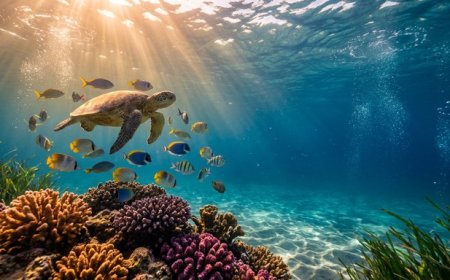
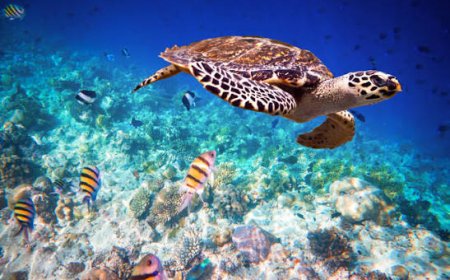
Rich marine life: Coral, tropical fish, rays, turtles, and macro life are common across many sites, making dives visually engaging regardless of level.
2. Top Dive Sites for Beginners
These sites are chosen for accessible entries, mild currents, and comfortable depths.
Yellow Submarine
Depth: Surface to ~15 ft (5 m)
Why it’s good: Very shallow and calm, ideal for first dives or refresher dives.
Common for underwater photography and spotting small reef life. Buddy’s Reef. Depth: ~30–100 ft (10–30 m)
Why it’s good: A well-rounded site with coral and fish diversity that still feels manageable for new divers. Often used for guided dives and night dives. Front Porch / Eden Beach / Sunset Beach. Depth: ~20–80 ft (6–24 m)
Why it’s good: Sloping sand shelf and reef make for easy dive planning and gradual depth changes. Great for spotting reef fish and soft corals. l. Bari Reef / Sand Dollar. Depth: ~30–100 ft (9–30 m)
Why it’s good: Considered one of the Caribbean’s best reefs with abundant species, yet its gentle profile suits divers gaining confidence.
Windsock & Larry’s Lair
- Depth: ~30–100 ft (9–30 m)
- Why it’s good: Shallow entry points with steady marine life sighting opportunities.
- Ideal for safe first dives or casual exploration.
Tips for beginners:
- Start with shallow dives and work deeper as comfort grows.
- Choose sites with shore entry so you can surface anytime.
- Consider guided dives with local dive shops for your first few experiences.
3. Top Dive Sites for Advanced Divers
Experienced divers seeking deeper terrain, wrecks, and stronger currents will enjoy these locations.
Hilma Hooker
Type: Shipwreck
Depth: ~25–100 ft (8–30 m)
Why it’s advanced: Large wreck with intricate coral growth and varied fish life; ideal for divers with wreck certification and comfort in deeper water.
Karpata
Type: Wall dive
Depth: ~30–100+ ft (9–30+ m)
Why it’s advanced: Coral walls and currents make this suited to divers with better buoyancy control and navigation skills.
Rappel (Boka di Tota)
Depth: Varies with reef topography
Why it’s advanced: Steep reef walls covered in coral formations and a diverse ecosystem; currents may be unpredictable. Bloodlet. Depth: ~20–80 ft (6–24 m)
Why it’s advanced: Dense reef structures and larger species encounters, ideal for experienced divers comfortable with moderate currents. Northern & Southern Technical Sites (e.g., Boca Bartol, Playa Bengi). Depth: Often 30–100+ ft (9–30+ m)
Why it’s advanced: Stronger currents and deeper profiles make navigation more demanding; best with technical training.
Advanced dive tips:
- Plan dives with a dive computer to manage deeper profiles.
- Use nitrox for repetitive dives to reduce nitrogen load.
- Wreck and deep specialties increase safety and enjoyment.
4. Unique “Skill Bridging” Sites (Good for Both Levels)
Some dive sites cater to mixed groups by offering extensive shallow areas that later slope into deeper sections:
- 1000 Steps
- Depth: Multiple levels shallow shelves to deeper coral formations
- Why it’s useful: Gives beginners comfortable shallow reef experiences and advanced divers access to deeper zones without moving locations.
- The Lake
Depth: Any depth selected by diver.
Why it’s useful: Divers can choose shallow or deeper paths; good for skill building and marine life observation.
5. Shore Diving vs. Boat Diving
Shore diving: Bonaire’s strong suit shore entries are easy, flexible, and reduce dependence on boat schedules.
Boat diving: Useful for accessing Klein Bonaire reefs or certain deeper sites, enhancing variety. Shore diving is especially advantageous for new divers and those who want to plan their own dive pace.
6. Practical Tips for All Divers
Marine Park Tag: Required for all divers and snorkelers before entering any site it funds local conservation. Gear: A 3 mm wetsuit is usually sufficient, and sturdy dive boots help with rocky entries. Dive Operators: Multiple local shops provide certification courses from beginner to technical levels.
7. Final Takeaway
Bonaire combines easy shore access, calm waters, and a wide range of dive sites with high biodiversity, making it ideal for both beginner and advanced divers. Beginners will enjoy sites with gentle slopes and shallow reefs, while experienced divers can explore wrecks, wall dives, and deeper coral gardens. The simple shore entry system and the number of marked sites allow divers to tailor their experience based on comfort and skill, all within one of the Caribbean’s most consistent and diver-friendly environments.
What's Your Reaction?
 Like
0
Like
0
 Dislike
0
Dislike
0
 Love
0
Love
0
 Funny
0
Funny
0
 Angry
0
Angry
0
 Sad
0
Sad
0
 Wow
0
Wow
0