















The Ultimate Snorkel Spot Map by Island
The world offers many outstanding snorkelling islands, but each destination provides a different experience depending on reef quality, marine life, accessibility, weather, and conservation efforts. A great snorkelling island is not defined only by beautiful beaches. Strong visibility, healthy coral reefs, calm water, rich biodiversity, and proper marine protection are the factors that create a truly memorable underwater experience.

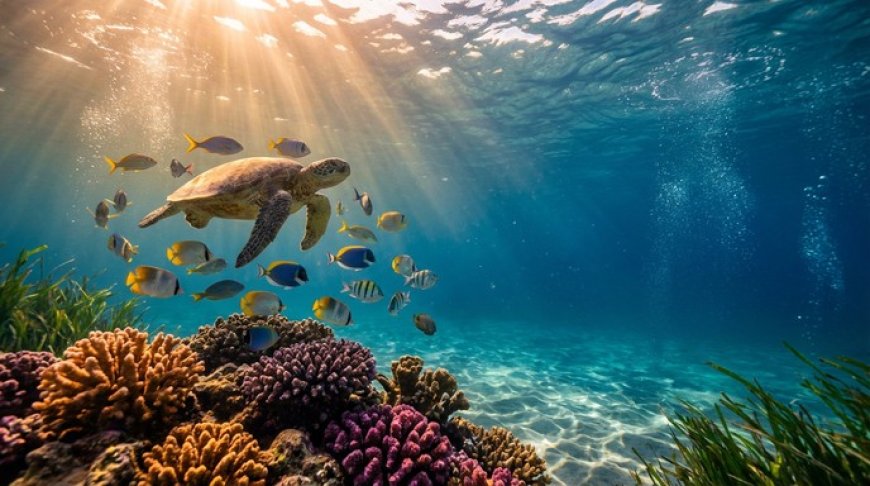
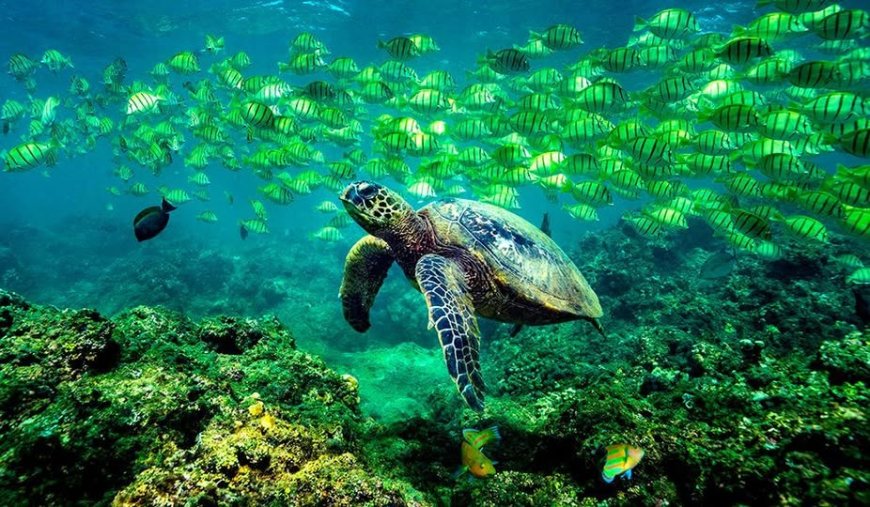
Snorkelling is now one of the most popular ocean travel activities in the world. Travellers no longer need scuba certification or advanced training to experience coral reefs, tropical fish, sea turtles, and underwater ecosystems. A simple mask, snorkel, and fins are enough to explore shallow marine environments that were once accessible mainly to divers. This growth in snorkelling tourism has changed how many islands develop their tourism industries. Resorts now advertise house reefs instead of only beaches. Governments create marine parks to protect coral ecosystems. Tour operators organize reef tours, turtle excursions, and island-hopping trips focused entirely on marine exploration. The modern traveller is also more informed than before. People no longer choose destinations only for luxury hotels or beaches. Travellers now research coral health, visibility, marine biodiversity, crowd levels, and environmental sustainability before booking trips. Some islands that were famous for snorkelling twenty years ago now struggle with coral bleaching and reef decline, while lesser-known destinations have become highly respected because of strong marine conservation.

This guide explores the world’s top snorkelling islands in detail. Instead of short rankings, the article explains what each island truly offers. It covers reef conditions, wildlife, safety, accessibility, weather, conservation, and travel practicality. The goal is to help travellers understand where the best snorkelling experiences can realistically be found in 2026. Snorkelling destinations vary enormously from one region to another. Caribbean islands are known for calm turquoise water, beginner-friendly reefs, and easy beach access. Pacific islands often focus on biodiversity and large marine ecosystems. Southeast Asia combines affordability with rich coral environments. The Red Sea is famous for extraordinary visibility and dense coral formations. Wildlife destinations like the Galápagos focus more on animal encounters than traditional reef snorkelling. The quality of snorkelling depends on many environmental factors. Water clarity is extremely important because poor visibility can ruin even healthy reefs. Coral condition also matters because reefs create shelter and food sources for marine life. Ocean currents influence safety and underwater activity. Seasonal weather changes affect visibility, wave conditions, and accessibility.
Marine conservation has become one of the biggest issues in snorkelling tourism. Coral reefs around the world face pressure from rising ocean temperatures, pollution, overfishing, and coastal development. Some islands have protected their marine ecosystems very effectively, while others continue struggling with environmental decline.
Travellers now ask important questions before planning snorkelling vacations
- Which islands still have healthy coral reefs?
- Where can beginners snorkel safely?
- Which destinations are best for turtles or manta rays?
- Which islands offer the strongest shore snorkelling?
- Where can travellers avoid overcrowded tours?
- Which destinations provide the best value for money?
This guide answers those questions through a region-by-region snorkelling map covering major island destinations across the globe.
What Makes a Great Snorkelling Island
Not every tropical island provides a great snorkelling experience. Some islands have beautiful beaches but poor coral reefs. Others may have excellent marine life but difficult ocean conditions. Understanding what creates strong snorkelling helps travellers choose destinations more carefully.
Water Visibility
Visibility is one of the first things snorkelers notice after entering the water. Clear water allows people to observe coral formations, reef structures, fish schools, and marine animals from long distances.
Several factors influence visibility. Islands with dry climates usually maintain clearer water because there is less river runoff carrying sediment into the ocean. Calm lagoons often provide stronger visibility than open coastlines affected by waves and currents.
Weather also changes underwater clarity. Heavy storms can temporarily reduce visibility by stirring sand and sediment. Windy conditions may create waves that disturb shallow reefs.
Some destinations are globally respected because of their exceptional visibility. In places like Bonaire, the Maldives, and Egypt’s Red Sea coast, visibility can exceed twenty or thirty meters during calm conditions.
Clear water improves photography, wildlife observation, and overall snorkelling enjoyment.
Coral Reef Health
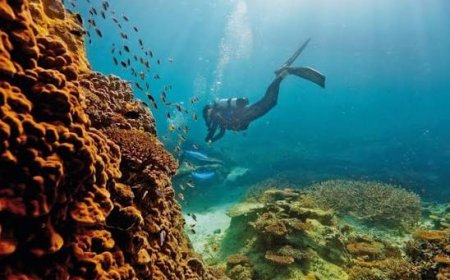
Healthy coral reefs are the foundation of marine biodiversity. Coral structures provide shelter, breeding grounds, and feeding areas for fish and other marine species.
Reef quality varies dramatically between destinations. Some reefs contain vibrant hard corals, sea fans, soft corals, and sponge formations. Others have experienced bleaching or physical damage from storms and tourism pressure.
Fringing reefs are especially valuable for snorkelling because they develop close to shore. Travellers can swim directly from beaches to coral areas without needing boats.
Barrier reefs are usually larger and support greater biodiversity, but they often require transportation by boat.
Shallow reefs are generally best for snorkelling because they allow easy observation from the surface. Reefs located too deep become difficult to appreciate without scuba equipment.
Marine Life Diversity
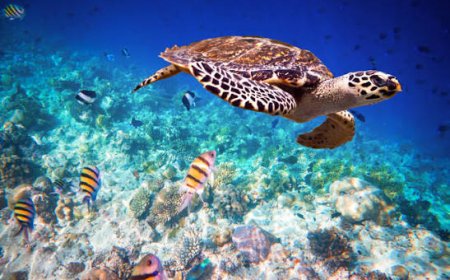
Different oceans support different marine ecosystems. The Caribbean is known for sea turtles, rays, reef fish, coral gardens, and relatively calm conditions. The Indo-Pacific region contains the highest marine biodiversity on Earth. Areas around Indonesia and the Philippines support massive numbers of coral and fish species. The Red Sea is famous for dense fish populations and healthy hard coral systems.
Some islands focus more on large animal encounters than coral reefs. The Maldives attract travellers searching for manta rays and whale sharks. French Polynesia is known for rays and reef sharks. The Galápagos Islands specialize in sea lions, marine iguanas, and unusual cold-water wildlife.
Travellers should decide what type of marine experience interests them most before selecting destinations.
Accessibility
Accessibility strongly affects the overall snorkelling experience. Some islands allow easy reef access directly from shore. Others require expensive excursions to offshore reefs. Shore snorkelling has become increasingly popular because it reduces costs and allows more flexibility. Travellers can snorkel whenever conditions are good instead of depending entirely on scheduled tours. Bonaire is considered one of the best shore-snorkelling islands in the world because most reef sites are reachable directly from the coastline.
Accessibility also includes beach entry conditions. Rocky coastlines may provide excellent reefs but difficult water entry. Calm sandy beaches are usually better for beginners and families.
Ocean Conditions
Currents and wave conditions influence both safety and enjoyment.
Protected lagoons are ideal for beginners because water remains calm and predictable. Open-ocean reefs may contain stronger biodiversity but also involve currents and deeper water.
Some destinations famous for snorkelling are actually better suited for experienced swimmers. Cozumel, for example, is known for drift snorkelling where currents move snorkelers along reef systems.
Weather seasonality also matters. Hurricanes, monsoons, and storm seasons affect visibility and accessibility.
The best snorkelling islands maintain stable conditions during large parts of the year.
Marine Conservation
Environmental protection has become one of the biggest differences between strong and declining snorkelling destinations.
Coral reefs face multiple threats:
- Rising ocean temperatures
- Coral bleaching
- Pollution
- Overfishing
- Anchor damage
- Coastal construction
- Over tourism
Marine parks and conservation programs help reduce these pressures. Destinations with strong conservation often maintain healthier reefs for longer periods. Many successful marine parks use fishing restrictions, reef-safe tourism policies, and protected no-anchor zones. Bonaire, Raja Ampat, and several Red Sea reserves are respected partly because of strong environmental management.
Travellers increasingly choose islands that support sustainable marine tourism.
Caribbean Snorkelling Islands
The Caribbean remains one of the easiest regions in the world for snorkelling travel. Warm water, strong tourism infrastructure, and relatively short flights from North America continue attracting millions of visitors every year.
However, snorkelling quality varies greatly across the Caribbean. Some islands maintain healthy reefs and excellent visibility. Others struggle with coral damage, overcrowding, or storm-related decline.
The Caribbean contains both barrier reefs and fringing reefs. Many islands offer shallow coral systems directly accessible from beaches, making the region especially beginner-friendly.
Bonaire
Bonaire is widely considered one of the best shore-snorkelling destinations in the world.
The island sits in the southern Caribbean near Venezuela and belongs to the Dutch Caribbean region. Unlike many tropical islands with heavy rainfall, Bonaire has a dry climate. This helps maintain clear water because there is less sediment runoff entering the sea.
The most important advantage of Bonaire is accessibility. Many snorkelling sites can be reached directly from shore. Travellers simply park near marked entry points, walk into the water, and begin exploring reefs within minutes.
This makes snorkelling more affordable because visitors do not need daily boat tours.
Bonaire National Marine Park protects nearly the entire coastline surrounding the island. Fishing regulations and reef protection programs have helped preserve coral systems more successfully than in many Caribbean destinations.
Water visibility is often excellent. Calm days regularly provide visibility above twenty meters.
The reefs contain:
- Hard coral formations
- Sea fans
- Sponge structures
- Coral shelves
- Large reef fish populations
Marine life commonly seen includes:
Green sea turtles, parrotfish, angelfish, trumpet fish, barracuda, tarpon, and blue tangs.
One of Bonaire’s most famous snorkelling locations is Bari Reef. This site is known for exceptionally high fish diversity. Underwater photographers and marine enthusiasts frequently rank it among the strongest shore reefs in the Caribbean.
Salt Pier offers a completely different underwater environment. Coral and marine growth covers the large pier pillars, attracting schools of fish and predators.
Klein Bonaire, a small offshore island, is another major attraction. Boat rides to the island are short, and the surrounding reefs support healthy coral gardens and turtle activity.
Bonaire’s tourism atmosphere is quieter than many Caribbean destinations. Large nightlife districts and casino resorts are limited. Most visitors arrive specifically for diving, snorkelling, and marine-focused vacations.
This specialized tourism model helps reduce overcrowding on reefs.The island’s position outside the main hurricane belt also improves travel reliability. Severe storm disruptions are less common compared with northern Caribbean islands.
Water temperatures remain warm year-round, generally between twenty-six and twenty-nine degrees Celsius.
The best snorkelling conditions usually occur between April and October when seas are calmest.
Although Bonaire still faces environmental pressure from climate change and coral bleaching, conservation programs remain strong. Reef monitoring, marine education, and tourism management continue helping protect the island’s underwater ecosystems.
For travellers seeking easy reef access, reliable visibility, and independent snorkelling freedom, Bonaire remains one of the world’s strongest choices.
What's Your Reaction?
 Like
0
Like
0
 Dislike
0
Dislike
0
 Love
0
Love
0
 Funny
0
Funny
0
 Angry
0
Angry
0
 Sad
0
Sad
0
 Wow
0
Wow
0