

























Historic Restaurants With 70+ Years of Service in Caribbean
Historic restaurants with more than 70 years of service in the Caribbean represent an important part of the region’s cultural and culinary history. These establishments survived colonial transitions, hurricanes, economic downturns, political changes, and shifts in tourism while continuing to preserve traditional Caribbean food and hospitality. Restaurants such as La Bodeguita del Medio, El Floridita, La Mallorquina, and Columbia Restaurant became cultural landmarks known for dishes, cocktails, music traditions, and historic architecture. Many developed strong connections with writers, politicians, fishermen, musicians, and immigrant communities.

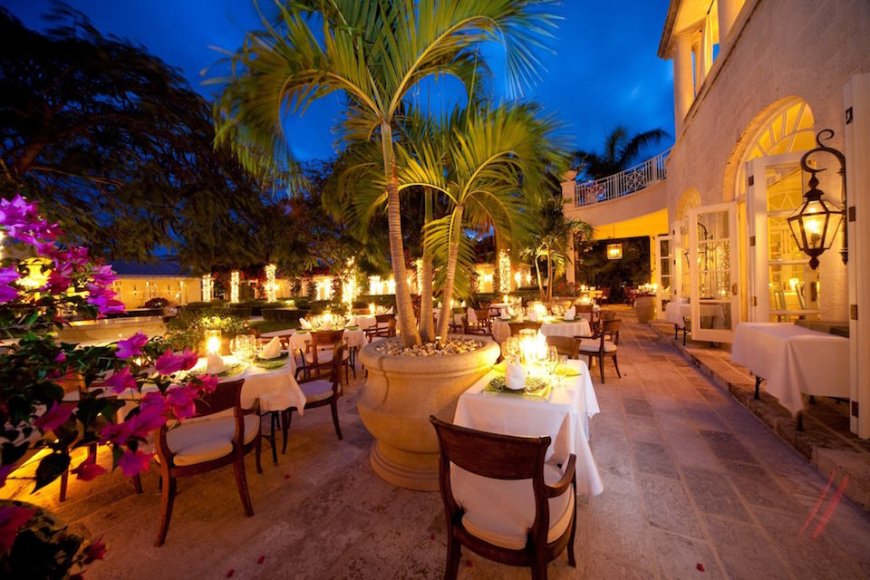
The Caribbean is known globally for beaches, music, rum, and tourism, but its restaurant history is equally important. Across islands such as Cuba, Puerto Rico, Jamaica, Aruba, Barbados, Trinidad, the Dominican Republic, and the wider Caribbean diaspora in Florida and North America, historic restaurants have preserved food traditions for generations. Some restaurants survived colonial rule, political transitions, hurricanes, economic recessions, and the rise of mass tourism while continuing to serve local communities and travelers.

Restaurants operating for more than 70 years are rare in any region. In the Caribbean, where hurricanes, changing economies, and tourism fluctuations create constant business pressure, their survival becomes even more significant. These restaurants are not simply dining establishments. They are part of social history, migration history, maritime trade culture, and family heritage.
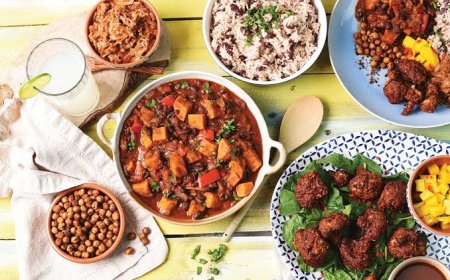
Many Caribbean restaurants developed around ports, fishing villages, sugar plantation economies, or immigrant communities. Their menus reflect centuries of cultural exchange involving African, Spanish, French, Dutch, British, Indian, Chinese, and Indigenous influences. Caribbean food itself is a record of migration and survival, and long-running restaurants helped preserve those traditions.
Historic Caribbean restaurants also became gathering spaces for musicians, political leaders, fishermen, writers, tourists, dock workers, and families. Some hosted famous visitors such as Ernest Hemingway, politicians, baseball players, and Hollywood celebrities. Others gained recognition through consistent service rather than celebrity attention.
This article explores major Caribbean restaurants with histories extending beyond 70 years, examining their origins, food traditions, economic role, architectural importance, and long-term survival strategies.
The Historical Importance of Caribbean Restaurants
The Caribbean restaurant industry evolved differently from Europe and North America because of colonial systems, plantation economies, migration patterns, and maritime trade. Restaurants often emerged near ports where sailors, merchants, and travellers needed food and lodging.
Many early Caribbean restaurants started as:
- Rum shops
- Tavern kitchens
- Family cafés
- Bakery-restaurants
- Seafood houses
- Dockside eateries
- Small inns
As tourism expanded during the 20th century, some restaurants transformed into internationally recognized landmarks while preserving traditional dishes.
Historic restaurants matter because they preserve:
- Local cooking methods
- Family recipes
- Indigenous ingredients
- Community traditions
- Architectural heritage
- Cultural identity
In several Caribbean countries, restaurants became symbols of national pride after independence movements.
Caribbean Food Traditions Preserved by Historic Restaurants
Long-running Caribbean restaurants helped maintain cooking styles that might otherwise have disappeared.
These traditions include:
- Slow-cooked stews
- Open-fire grilling
- Traditional seafood preparation
- Creole cooking
- Afro-Caribbean spice blends
- Indigenous root vegetable dishes
- Classic rum-based desserts
- Wood-fired baking
Historic restaurants also preserved ingredients central to Caribbean identity:
- Plantains
- Cassava
- Saltfish
- Rice and peas
- Scotch bonnet peppers
- Coconut
- Breadfruit
- Fresh seafood
- Rum marinades
Many recipes passed through generations without formal documentation. Restaurant kitchens became places where oral culinary history survived.
Cuba’s Historic Restaurants
Cuba contains some of the Caribbean’s most famous historic restaurants because Havana developed into a major trading and tourism canter during the 19th and early 20th centuries.
La Bodeguita del Medio
- 4.2•Bar•Closed
- Directions•(07) 8671374
Founded in 1942, La Bodeguita del Medio became one of Havana’s best-known restaurants and bars. It gained global attention because of its connection to writers, musicians, artists, and tourists during Cuba’s pre-revolution tourism era.
The restaurant became strongly associated with:
- Mojitos
- Cuban music
- Literary culture
- Havana nightlife
Ernest Hemingway reportedly visited frequently, helping strengthen its international reputation.
The restaurant’s walls became covered with signatures and messages from visitors over decades. Unlike luxury dining establishments, La Bodeguita remained relatively casual and focused on atmosphere, music, and traditional Cuban food.
Signature menu items include:
- Black beans and rice
- Roast pork
- Fried plantains
- Mojitos
- Seafood dishes
The restaurant survived major political and economic changes after the Cuban Revolution. Tourism later helped restore its international visibility.
Historic Cuban restaurants often survived through strong government preservation efforts and tourism branding tied to Havana’s colonial architecture.
El Floridita
- 4.4•Restaurant•Closed
- Directions Website
Established in 1817 under an earlier name and later transformed into El Floridita, this restaurant became famous for:
- Daiquiris
- Seafood
- Havana cocktail culture
The restaurant is deeply linked with Hemingway, whose statue still stands inside the building.
El Floridita represents an important stage in Caribbean hospitality history because Havana during the 1930s–1950s became one of the Western Hemisphere’s leading nightlife destinations.
Bartenders at El Floridita helped shape modern cocktail culture. The restaurant became internationally recognized for frozen daiquiris and Cuban rum drinks.
Its long-term survival depended on:
- Strong tourism appeal
- Preservation of historical identity
- Association with literary history
- Consistent branding
Today the restaurant remains a major tourist destination in Havana.
Las Terrazas de Cojímar
- 5.0•Apartment building
- Directions
Las Terrazas de Cojímar traces its roots to 1925. The restaurant became connected to fishing culture and Hemingway’s life in Cuba.
Originally operating under another name before evolving into its current identity, the restaurant developed around Havana’s fishing communities.
Important aspects of its history include:
- Links to fishermen
- Maritime culture
- Hemingway associations
- Seafood traditions
- The restaurant preserved:
- Coastal Cuban cooking
- Seafood preparation methods
- Historic waterfront atmosphere
Because of its literary connection, the restaurant became part of cultural tourism in Cuba.
Historic fishing restaurants across the Caribbean often survived because they served both local workers and visitors simultaneously.
Puerto Rico’s Historic Restaurants
Puerto Rico possesses one of the Caribbean’s richest restaurant histories because of its Spanish colonial legacy and strong urban food culture.
La Mallorquina
- 3.8•Puerto Rican restaurant
- Directions•(310) 800-0452
Founded in 1848, La Mallorquina is among Puerto Rico’s oldest continuously operating restaurants and bakeries.
The restaurant became famous for:
- Mallorcas
- Pastries
- Coffee
- Puerto Rican breakfast culture
Its location in Old San Juan helped preserve its visibility across generations.
La Mallorquina survived:
- Spanish colonial transition
- American territorial administration
- Economic recessions
- Hurricane damage
- Tourism fluctuations
The restaurant’s long-term survival depended heavily on maintaining local customer loyalty rather than depending entirely on tourism.
Old San Juan’s historic district also helped preserve businesses with deep cultural identity.
La Bombonera
- 4.4•Restaurant
- Directions•(787) 705-3370
Founded in 1902, La Bombonera became one of Puerto Rico’s most iconic restaurants and bakeries.
The restaurant became known for:
- Mallorcas
- Traditional Puerto Rican breakfasts
- Bakery items
- Coffee culture
The building itself became historically important because of its preserved colonial-era architecture.
La Bombonera’s customer base historically included:
- Workers
- Politicians
- Students
- Tourists
- Families
Its survival over more than a century reflects the importance of bakery-café culture in Puerto Rican urban life.
Historic Caribbean bakeries often lasted longer than luxury restaurants because they served daily local needs rather than depending solely on tourism.
Jamaica’s Historic Restaurants and Food Institutions
Jamaica’s restaurant history combines British colonial influence with Afro-Caribbean cooking traditions.
Gloria's Seafood City
3.6•Seafood restaurant•Closed
Directions•Website•(876) 619-7905
Although not among the Caribbean’s oldest restaurants, Gloria’s became one of Jamaica’s most recognized seafood institutions after decades of operation.
The restaurant became associated with:
- Escovitch fish
- Fried snapper
- Festival bread
- Waterfront seafood dining
Gloria’s represented an important shift in Caribbean dining where local seafood restaurants became international tourist attractions.
The restaurant’s popularity reflected:
- Growth of Jamaican tourism
- International interest in Jamaican cuisine
- Expansion of Caribbean seafood branding
The Pelican Grill
- 4.3•Family restaurant Closed
- Directions Website•(876) 952-3730
Operating since the 1960s, The Pelican Grill became one of Montego Bay’s most respected long-running restaurants.
The restaurant became known for:
- Jamaican breakfasts
- Ackee and salt fish
- Curry goat
- Traditional local cooking
The Pelican Grill survived through:
- Tourism booms
- Economic downturns
- Hurricanes
- Competition from resorts
Unlike all-inclusive resorts, independent restaurants such as The Pelican Grill maintained direct relationships with local communities.
Barbados and Historic Dining Culture
Barbados developed one of the Caribbean’s strongest restaurant sectors because of early tourism growth and British colonial influence.
The Waterfront Café
- 4.2•Caribbean restaurant
- Directions•(246) 427-0093
The Waterfront Café became an important dining institution in Bridgetown because of its harbor location and long-standing role in Barbados hospitality culture.
The restaurant preserved:
- Bajan seafood traditions
- Rum culture
- Waterfront dining heritage
Historic restaurants in Barbados often developed around:
- Port activity
- British colonial administration
- Sugar industry wealth
- Tourism expansion
- Brown Sugar Restaurant
- 4.1•Caribbean restaurant
- Directions•(246) 436-7069
For decades Brown Sugar Restaurant helped preserve traditional Bajan buffet-style dining.
The restaurant became known for:
- Flying fish
- Cou-cou
- Macaroni pie
- Rice dishes
- Local desserts
Restaurants such as Brown Sugar became important because they introduced visitors to standardized versions of traditional Caribbean food while supporting local agricultural suppliers.
Aruba’s Historic Restaurants
Aruba’s restaurant sector expanded rapidly during the tourism growth of the mid-20th century.
Bali Restaurant
- 4.6•Seafood restaurant Closed
- Directions•Website•280 0440
Founded in 1955, Bali Restaurant became one of Aruba’s most famous historic dining establishments.
Unlike many Caribbean restaurants focused solely on local cuisine, Bali introduced Indonesian culinary influence connected to Dutch colonial history.
The floating restaurant became famous for:
- Indonesian rice tables
- Waterfront atmosphere
- Distinctive architecture
The restaurant won regional recognition and became a tourism landmark.
Its story also reflects broader Caribbean migration and colonial networks. Dutch-Indonesian influence in Aruba demonstrates how Caribbean food culture absorbed global culinary traditions.
Papiamento Restaurant
- 4.5•Caribbean restaurant Closed
- Directions•Website•586 4544
Operating for decades inside a historic Aruban home, Papiamento became one of Aruba’s best-known fine dining establishments.
The restaurant preserved:
- Caribbean-Dutch fusion cuisine
- Historic architecture
- Outdoor courtyard dining traditions
Its longevity depended heavily on tourism while maintaining local culinary identity.
Dominican Republic Historic Restaurants
The Dominican Republic’s restaurant culture evolved through Spanish colonial influence and growing tourism.
- Mesón de Bari
- 4.3•Restaurant•Closed
- Directions•Website•(809) 689-5546
Mesón de Bari became one of Santo Domingo’s long-standing culinary institutions because of its dedication to Dominican food traditions.
Signature dishes include:
- Sancocho
- Mofongo
- Seafood rice dishes
- Dominican stews
Historic restaurants in Santo Domingo benefited from the preservation of the Colonial Zone, a UNESCO-recognized historic district.
Trinidad and Tobago’s Historic Restaurants
Trinidad’s food culture reflects African, Indian, Chinese, Syrian, and European influences.
Breakfast Shed
- 4.1•Restaurant•Open
- Directions
The Breakfast Shed became one of Trinidad’s most recognized food institutions through decades of operation.
The venue became famous for:
- Local breakfasts
- Seafood
- Roti
- Creole dishes
Its informal structure reflected Caribbean street-food traditions rather than European-style fine dining.
Historic food markets and casual eateries are equally important to Caribbean food history because much Caribbean cuisine developed outside luxury restaurant culture.
Historic Caribbean Restaurants in Florida and the Caribbean Diaspora
Many Caribbean culinary traditions expanded into Florida and North America through migration.
Columbia Restaurant
- 4.6•Spanish restaurant•Closed
- Reserve•Website•(813) 248-4961
Founded in 1905 by Cuban immigrants, Columbia Restaurant became Florida’s oldest continuously operating restaurant.
Although located in the United States, Columbia represents Caribbean culinary history because of its Cuban roots and immigrant heritage.
The restaurant became famous for:
- Cuban sandwiches
- Spanish-Cuban cuisine
- Flamenco performances
- Large dining rooms
The restaurant remained family-owned for generations and expanded significantly while preserving identity.
Its survival depended on:
- Strong immigrant community support
- Tourism
- Consistent branding
- Family management
Columbia also demonstrates how Caribbean food culture shaped American dining history.
Rio Cristal
- 4.2•Cuban restaurant Closed
- Directions Website•(305) 223-2357
Founded in 1974, Rio Cristal became one of Miami’s long-running Cuban restaurants.
The restaurant became known for:
- Cuban comfort food
- Large portions
- Family-style dining
- Traditional preparation
Miami’s Caribbean immigrant communities created restaurant cultures that preserved food traditions outside the islands themselves.
Hurricanes and Restaurant Survival
Caribbean restaurants face environmental risks unmatched in many other regions.
Historic restaurants survived:
- Hurricanes
- Flooding
- Coastal erosion
- Infrastructure damage
- Tourism collapses
Many restaurants rebuilt multiple times after storms.
Hurricanes often destroyed:
- Dining rooms
- Waterfront decks
- Kitchens
- Fishing infrastructure
Yet long-running restaurants survived because communities viewed them as cultural institutions worth rebuilding.
Tourism and Historic Caribbean Restaurants
Tourism transformed many Caribbean restaurants from local businesses into international attractions.
Travellers increasingly seek:
- Authentic Caribbean food
- Historic dining spaces
- Local seafood
- Cultural experiences
Historic restaurants became central to tourism branding campaigns.
Governments and tourism boards often promote:
- Colonial-era cafés
- Rum bars
- Seafood restaurants
- Historic bakeries
However, tourism also creates pressure:
- Rising costs
- Overcrowding
- Menu simplification
- Commercialization
Restaurants surviving longest usually balance tourist demand with local customer loyalty.
The Role of Music in Caribbean Restaurants
Music plays a larger role in Caribbean restaurant culture than in many regions.
Historic restaurants often feature:
- Salsa
- Reggae
- Calypso
- Son Cubano
- Jazz
- Steelpan music
Dining and music developed together in Caribbean nightlife culture.
Restaurants became entertainment spaces rather than only food businesses.
Rum and Caribbean Restaurant Identity
Rum remains deeply connected to Caribbean restaurant history.
Historic restaurants frequently developed around:
- Rum bars
- Cocktail culture
- Distillery trade
- Port commerce
Cocktails such as:
- Mojitos
- Daiquiris
- Rum punch
became global symbols of Caribbean hospitality.
Restaurants associated with famous rum cocktails gained international visibility.
Family Ownership and Generational Survival
Many Caribbean restaurants remained family-run for decades.
Generational continuity helped preserve:
- Recipes
- Service traditions
- Supplier relationships
- Customer loyalty
Family ownership also allowed restaurants to maintain identity despite tourism-driven changes.
In many cases:
- Grandparents founded the business
- Children expanded operations
- Grandchildren modernized management
- This pattern appears repeatedly across the Caribbean.
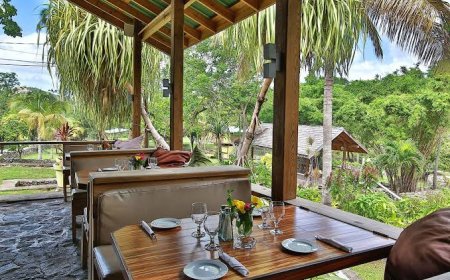
Historic Caribbean restaurants often occupy:
- Colonial buildings
- Waterfront structures
- Former mansions
- Port warehouses
- Historic homes
Architecture contributes strongly to customer experience.
Features commonly preserved include:
- Wooden shutters
- Courtyards
- Tile floors
- Open-air dining
- Verandas
- Tropical gardens
Historic architecture helps restaurants differentiate themselves from modern resort dining.
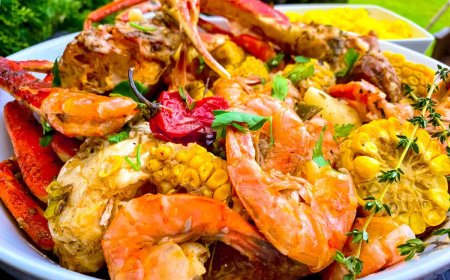
Seafood and Caribbean Restaurant Longevity
Seafood plays a central role in Caribbean restaurant history because fishing communities supported local food economies long before tourism developed.
Historic seafood restaurants often specialize in:
- Snapper
- Conch
- Lobster
- Crab
- Shrimp
- Salt fish
Waterfront restaurants developed especially strong identities because they connected directly with local fishermen.
Fresh seafood also gave Caribbean restaurants competitive advantages in tourism markets.
Caribbean Bakeries and Café Culture
Some of the Caribbean’s oldest restaurants originated as bakeries and cafés.
These establishments survived because they served daily community needs:
- Coffee
- Bread
- Pastries
- Breakfasts
Bakery-restaurants often outlasted luxury establishments because they maintained consistent local demand.
Puerto Rico and Cuba especially developed strong bakery café traditions.
Political and Literary Connections
Historic Caribbean restaurants often became connected to politics and literature.
Examples include:
- Hemingway in Cuba
- Political meetings in Havana cafés
- Labour organizing in port restaurants
- Intellectual gatherings in colonial districts
Restaurants became informal public institutions where ideas, culture, and politics mixed.
Preservation Challenges
Historic Caribbean restaurants face increasing pressure from:
- Climate change
- Rising insurance costs
- Real estate development
- International chains
- Resort competition
- Labour shortages
Younger generations sometimes show less interest in continuing family restaurant operations because hospitality work is demanding and financially uncertain.
Historic preservation efforts remain inconsistent across Caribbean nations.
Social Media and Historic Restaurants
Social media significantly increased global awareness of Caribbean restaurants.
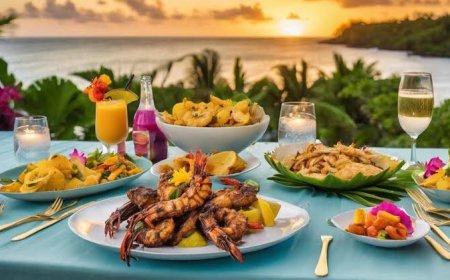
Instagram and travel videos now highlight:
- Historic interiors
- Tropical waterfront settings
- Rum cocktails
- Seafood platters
- Colonial architecture
While visibility helps tourism, it can also create operational problems through overcrowding and changing customer expectations.
Some restaurants struggle to maintain authenticity while adapting to modern digital marketing.
Caribbean Diaspora Restaurants and Cultural Preservation
Caribbean restaurants outside the Caribbean became equally important in preserving culinary traditions.
Cities such as:
- Miami
- New York
- Toronto
- London
developed historic Caribbean restaurant communities through migration. Diaspora restaurants often preserved recipes that later declined in their countries of origin. These establishments also helped immigrant communities maintain cultural identity.
Historic Restaurants as Economic Anchors
Long-running restaurants contribute to local economies through:
- Employment
- Tourism
- Supplier networks
- Cultural branding
Historic restaurants often attract nearby businesses:
- Bars
- Shops
- Hotels
- Markets
Their economic influence extends beyond food service.
Why Customers Continue Returning
Customers return to historic Caribbean restaurants because they offer:
- Familiarity
- Cultural connection
- Reliable recipes
- Community atmosphere
- Family tradition
Many diners associate specific restaurants with childhood memories, celebrations, vacations, or family gatherings.
Historic restaurants create emotional loyalty that modern chain restaurants rarely achieve.
The Future of Historic Caribbean Restaurants
Historic Caribbean restaurants will likely face increasing pressure from:
- Climate risks
- Rising operating costs
- International tourism dependence
- Competition from global chains
However, several trends support their survival:
- Growth in food tourism
- Interest in authentic cuisine
- Heritage preservation
- Cultural tourism
- Social media visibility
Restaurants that preserve identity while adapting gradually to modern operations are most likely to survive future decades.
Conclusion
Historic Caribbean restaurants with more than 70 years of service represent much more than food businesses. They preserve migration history, colonial history, fishing traditions, music culture, and family heritage across multiple generations.
From La Mallorquina in Puerto Rico to El Floridita in Cuba and Columbia Restaurant with its Cuban immigrant roots, these restaurants demonstrate how food establishments can become cultural institutions.
Their survival required resilience through hurricanes, economic crises, political transitions, and changing tourism industries. Many preserved recipes, architecture, and service traditions while carefully modernizing operations.
Historic Caribbean restaurants also reveal the diversity of Caribbean food itself. African, Spanish, French, Dutch, Indigenous, Indian, and Chinese influences combined to create cuisines unlike anywhere else in the world.
As global tourism and food culture continue evolving, these restaurants remain important because they provide continuity. They connect modern travellers and local communities with generations of culinary tradition, memory, and cultural identity.
What's Your Reaction?
 Like
0
Like
0
 Dislike
0
Dislike
0
 Love
0
Love
0
 Funny
0
Funny
0
 Angry
0
Angry
0
 Sad
0
Sad
0
 Wow
0
Wow
0