





























Top Caribbean Juice Bars & Fresh Fruit Stands
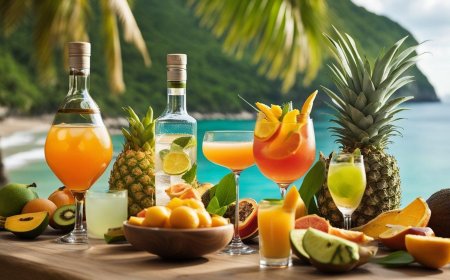
Caribbean juice bars and fresh fruit stands are an important part of everyday life, offering drinks made from locally grown fruits like mango, guava, pineapple, and soursop. These juices are usually prepared fresh without preservatives, making them both flavorful and nutritious. Across the region, there is a mix of modern juice cafés and simple roadside vendors, each providing different experiences but focusing on freshness and local ingredients. Places like San Juan feature well-developed juice bar scenes with cold-pressed juices and health-focused menus, while areas such as Port of Spain highlight traditional street vendors serving quick, affordable drinks. Coconut water is also widely available and commonly sold directly from fresh coconuts. Overall, Caribbean juice culture combines tradition with modern health trends. Whether at a structured juice bar or a roadside stand, these drinks provide a practical way to experience local flavours while staying refreshed in the tropical climate.

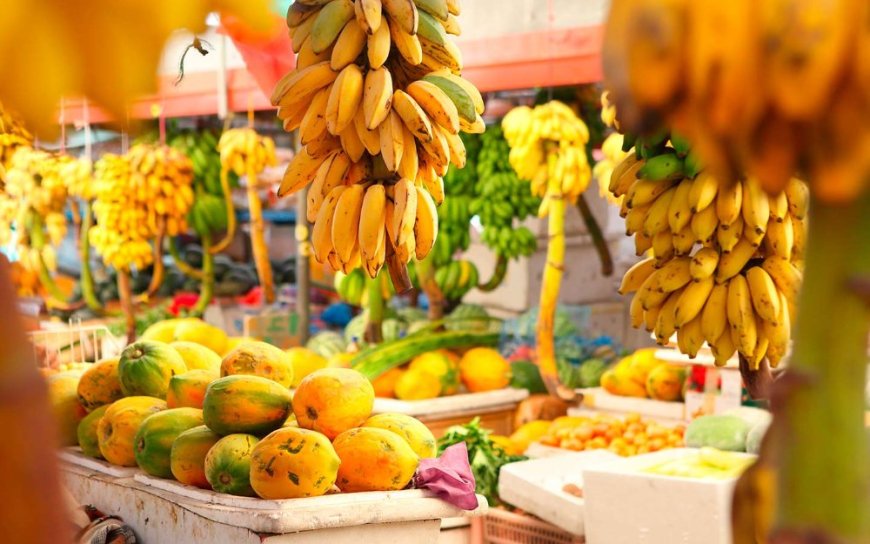
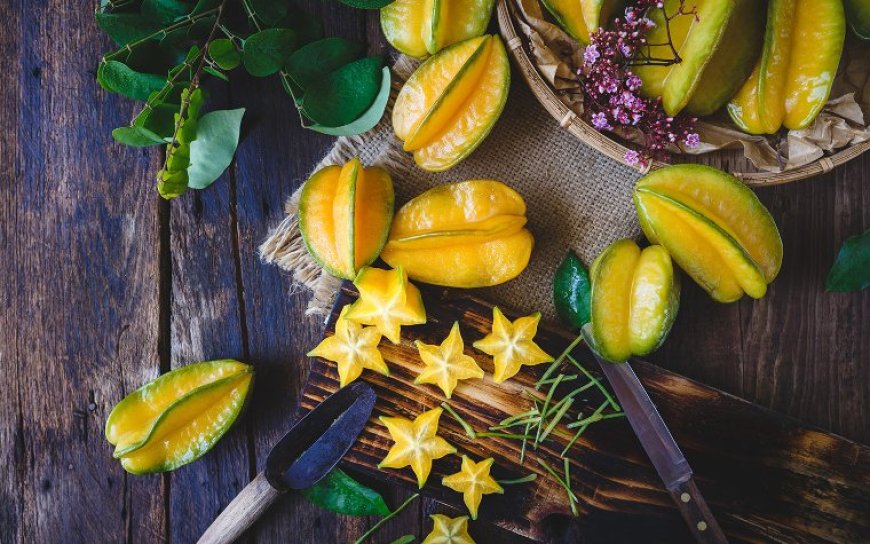
Fresh juice culture is deeply embedded in Caribbean daily life. Across islands, juice bars and fruit stands are not just places to grab a drink they are part of local food systems, street culture, and health habits. From roadside coconut vendors to modern cold-pressed juice cafés, the Caribbean offers a wide range of options built around fresh, locally grown fruits. These include mango, guava, pineapple, sour sop, passion fruit, and many others that thrive in the region’s climate.

Unlike packaged beverages, most Caribbean juice is prepared on the spot using ripe fruit, often without preservatives or additives. This approach delivers stronger flavour and higher nutritional value. Many juice bars also combine traditional recipes with modern health trends, offering smoothes, detox blends, and plant-based drinks. The result is a diverse and evolving juice scene that reflects both tradition and contemporary wellness trends.
The Role of Fresh Juice in Caribbean Culture
Juice in the Caribbean is more than refreshment it is tied to agriculture, climate, and everyday routines. The region’s tropical environment allows fruits to grow year-round, making fresh juice widely available and affordable. Vendors often source fruit locally, sometimes directly from nearby farms or markets.
Common drinks include mango juice, guava juice, and coconut water, all of which are widely consumed for hydration and nutrition. Coconut water, in particular, is often sold directly from freshly cut coconuts, providing a natural source of electrolytes.
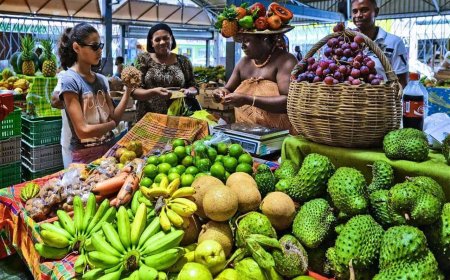
Street vendors play a major role in this ecosystem. In many Caribbean towns, it is common to find small stands selling freshly squeezed juice or blended fruit drinks. These stands are often simple setups but deliver high-quality products made from seasonal ingredients.
Juice Bars in Puerto Rico
Puerto Rico has one of the most developed juice bar scenes in the Caribbean, combining traditional flavours with modern health-focused concepts.
Juice bars such as Playa Papaya Juice Bar & Bistro and The Juice Box focus on cold-pressed juices, smoothies, and nutrient-rich blends. These establishments emphasize raw ingredients and minimal processing, which helps preserve vitamins and natural flavours.
Another example is Pure & Natural: Fresh Food & Juice Bar, where juice is often paired with light meals and wellness-focused options. These types of venues cater to both locals and tourists looking for healthier alternatives to sugary drinks.
Puerto Rico’s juice culture also reflects its agricultural diversity. Ingredients like pineapple, passion fruit, and guanabana (sour soup) are commonly used, offering a wide range of flavour profiles from sweet to tangy.
Juice Bars in the Cayman Islands
The Cayman Islands have developed a modern juice bar scene focused on health and lifestyle.
One notable example is Jessie’s Juice, which offers cold-pressed juices and blends designed for nutrition and energy. Another is Green2Go, known for juice cleanses and delivery services.
These juice bars represent a shift toward wellness-focused consumption, where customers seek specific health benefits such as detoxification, hydration, or vitamin intake. While traditional fruit juices remain popular, there is growing demand for vegetable-based blends and functional drinks.
Juice Spots in Trinidad and Tobago
In Trinidad and Tobago, juice culture combines traditional flavours with casual beachside service.
QUENCH Smoothes is an example of a small but popular juice spot offering fresh smoothes and juices made on-site. Customers can choose from fruit-based blends or add-ons like ginger shots for additional flavour and health benefits. Many juice vendors in Trinidad operate in open-air settings, often near beaches or markets. This setup allows customers to enjoy fresh drinks in a relaxed environment while supporting small local businesses.
Street Juice Stands across the Caribbean
Street vendors are a defining feature of Caribbean juice culture. Unlike formal juice bars, these stands are often mobile or semi-permanent setups located along roadsides, beaches, or market areas.
In places like Roseau, small juice stands offer freshly blended drinks made from locally sourced fruit. These vendors typically prepare juice in front of customers, ensuring freshness and transparency.
A typical stand may offer options such as papaya juice, tamarind juice, or mixed fruit blends. The focus is on simplicity and quality rather than presentation. Prices are usually lower than in formal establishments, making these stands accessible to a wide range of customers. Community discussions also confirm that fresh juice vendors are common across islands, with seasonal drinks like golden apple (June plum) juice often available at street stalls.
Types of Juices you’ll find
Caribbean juice bars and stands offer a wide variety of drinks, each based on locally available fruits.
Mango juice is one of the most common, known for its thick texture and natural sweetness. Guava juice provides a slightly tangy flavour, while pineapple juice offers a balance of sweetness and acidity. Passion fruit juice is more aromatic and often combined with other fruits to create blends.
Sour sop juice is another popular option, with a creamy texture and complex flavour profile that combines elements of citrus and berry. Tamarind juice, on the other hand, is both sweet and sour, often enhanced with spices like ginger.
Coconut water stands apart as a natural beverage rather than a juice. It is widely consumed for hydration and is often sold directly from fresh coconuts.
Differences between Juice Bars and Fruit Stands
Juice bars and fruit stands serve similar products but operate differently. Juice bars are typically permanent establishments with menus, seating, and additional food options. They often use modern equipment such as cold-press juicers and blenders to create a wider range of drinks.
Fruit stands, on the other hand, focus on simplicity. They usually offer a limited selection of juices based on seasonal availability. Preparation is done manually or with basic tools, and drinks are served quickly to customers on the go.
Both formats have their advantages. Juice bars provide variety and consistency, while fruit stands offer freshness, authenticity, and lower prices.
Health and Nutritional Value
One of the main reasons for the popularity of Caribbean juice is its nutritional value. Fresh fruit juices are rich in vitamins, antioxidants, and natural sugars. For example, mango and papaya are high in vitamins A and C, while guava is known for its high vitamin C content.
Cold-pressed juices, commonly found in modern juice bars, retain more nutrients because they are not exposed to heat during processing. This makes them a preferred choice for health-conscious consumers. However, it is important to note that natural juices still contain sugar, even if it is derived from fruit. Moderation and balance are key to maintaining a healthy diet.
Popular Locations to Explore Juice Culture
Several Caribbean destinations stand out for their juice culture.
San Juan offers a mix of modern juice bars and traditional vendors, making it one of the best places to explore different styles. George Town provides a more wellness-focused experience, with juice bars offering detox programs and health-oriented menus.
Port of Spain combines urban energy with local traditions, featuring both formal juice shops and street vendors. Smaller towns and rural areas often provide the most authentic experiences, where juice is made using freshly harvested fruit.
The Business of Juice in the Caribbean
The juice industry in the Caribbean includes both small-scale vendors and larger businesses. Street vendors and small juice bars operate with low overhead costs, relying on local sourcing and simple preparation methods.
At the same time, larger brands and franchises are emerging, offering bottled juices and standardized products. These businesses aim to bring Caribbean flavours to wider markets while maintaining quality and authenticity. This combination of small and large operations creates a diverse market where traditional and modern approaches coexist.
Trends Shaping the Juice Scene
Several trends are influencing the development of juice bars in the Caribbean. Health awareness is driving demand for natural and minimally processed drinks. Consumers are increasingly looking for options that provide nutritional benefits, such as detox juices and vitamin-rich blends.
Sustainability is another factor. Many juice bars are focusing on reducing waste by using reusable containers or composting fruit pulp.
Tourism also plays a role. Visitors often seek authentic food experiences, and juice stands offer a simple way to engage with local culture. This demand encourages vendors to maintain quality and consistency.
Practical Tips for Visitors
Travellers exploring Caribbean juice bars and fruit stands should keep a few practical points in mind. First, look for vendors with high turnover, as this usually indicates freshness. Second, ask about ingredients if you have dietary restrictions, as some juices may include added sugar or spices.
Carrying small cash is useful, especially when buying from street vendors. In many cases, digital payments may not be available. Finally, be open to trying new flavours. The Caribbean offers many fruits that may not be widely available elsewhere, making it an ideal place to explore unique tastes.
Conclusion
Caribbean juice bars and fresh fruit stands represent a blend of tradition, culture, and modern health trends. From organized juice cafés in Puerto Rico to simple roadside vendors in Roseau, the region offers a wide range of experiences cantered around fresh, natural drinks.
The use of locally grown fruits, combined with simple preparation methods, ensures that these juices remain both flavourful and nutritious. As demand for healthy and authentic food continues to grow, the Caribbean juice scene is likely to expand further, offering even more options for both locals and visitors.
What's Your Reaction?
 Like
0
Like
0
 Dislike
0
Dislike
0
 Love
0
Love
0
 Funny
0
Funny
0
 Angry
0
Angry
0
 Sad
0
Sad
0
 Wow
0
Wow
0