




Rum Distilleries With The Best Signature Tours
Discover the best rum distilleries in the Caribbean offering signature tours that combine history, production insights, and guided tastings. This guide covers top destinations, unique tour experiences, planning tips, and a real case study to help travellers explore rum culture efficiently.

Rum is not just a spirit. It is a document of the history of colonial trade routes, sugarcane economies, and the agricultural knowledge of enslaved Africans who worked the Caribbean plantations. Today, that history is on display at dozens of distilleries around the world, and the best ones have turned the behind-the-scenes access into a signature tour experience that is part museum, part classroom, and part tasting room.

The global rum tour industry has grown considerably over the past decade. The Caribbean alone draws millions of visitors to its rum-producing islands each year, and the United States has developed a wave of craft distilleries offering educational tours with a depth of local flavor. Whether you are a serious rum collector or someone who simply enjoys a good cocktail, the right distillery tour gives you a context for what is in your glass.
This article covers the rum distilleries that consistently deliver the best signature tour experiences, across different price points, formats, and geographic settings. The selection is based on what these tours actually deliver: access to the production floor, quality of the educational content, the tasting experience, and the overall value for the visitor's time and money.
Why Distillery Tours Matter
A rum distillery tour does something that a bottle of rum alone cannot do: it connects the product to its place. Every rum reflects decisions made at every step of the process, from the source of the molasses or sugarcane juice, to the type of still used, to the number of years in a barrel. Seeing those steps live and in sequence is the fastest way to build an appreciation for the craft.
The tourism angle is not incidental to the rum industry, it is increasingly central to it. Producers use tour experiences to build direct relationships with consumers, showcase limited releases that are not available in retail markets, and cement brand loyalty. From a business standpoint, distillery tourism is a high-margin revenue stream. From a visitor's standpoint, it is one of the most efficient ways to learn about a regional culture.
The best tours strike a balance between accessibility and depth. They don't assume the visitor already knows the difference between a pot still and a column still, but they also don't dumb things down. They move through the distillery in a logical sequence, with knowledgeable guides who can answer questions on the fly. And they end with a tasting that is curated, not just a selection of whatever is on the bar shelf.
The right distillery tour gives visitors a context for what is in their glass connecting the product to the history, culture, and craft behind it.
1. Mount Gay Distillery Barbados
The World's Oldest Continually Operating Rum Distillery
Mount Gay is not just the oldest rum distillery in Barbados it holds the verified distinction of being the oldest continuously operating rum distillery in the world, with records tracing production back to 1703. The distillery sits in the northernmost parish of St. Lucy, about a 45-minute drive from Bridgetown, the capital. The distance is part of what makes the visit feel worthwhile: you are going somewhere, not just walking into a heritage gift shop.
The Signature Distillery Tour takes visitors through the working estate, covering the original well, the molasses house, the fermentation house, the distillation house, and the bonds where rum ages in oak barrels. The local limestone on the island filters the water used in production, and guides explain how that geographical specificity shapes the flavour of every bottle of Mount Gay. This is not a generic distillery walk though the tour is tied to a specific place and a specific process that has not changed in its essentials for three centuries.
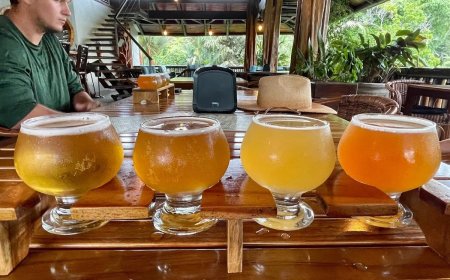
The tasting at the end of the tour covers four signature rums: typically the Silver, Eclipse, Black Barrel, and the XO. Each pour comes with context about the barrel aging, the flavour profile, and what makes that particular expression distinct. For visitors who want more, the Cocktail Workshop ($60–$75 per person) adds a hands-on mixology component, teaching Bajan cocktail classics including the rum punch.
A practical note: Mount Gay operates two visitor facilities. The Visitor Centre in Bridgetown, near the cruise port, is convenient for cruise passengers but does not offer access to the full working distillery. For the complete tour experience, including the production floor, you need to go to the St. Lucy site, and advance booking is strongly recommended as tours fill quickly, especially during peak season (December through April).
The dress code at the distillery requires covered shoes, sneakers or closed-toe footwear because you are walking through an active production facility. The tour involves roughly one mile of walking on mixed terrain, indoors and outdoors. It is not wheelchair accessible.
Three centuries of history, a working distillery floor, and four pours of rum: the Mount Gay Signature Tour is one of the most complete rum experiences available anywhere in the world.
2. Appleton Estate Jamaica
- The Joy Spence Appleton Estate Rum Experience
- Founded
- 1749 (oldest sugar estate and distillery in continuous production in Jamaica)
- Location
- Nassau Valley, St. Elizabeth Parish, South Coast Jamaica
- Tour Price
- Approx. $39 USD per adult / $19.50 per child (under 17)
- Opening Hours
- Tuesday to Saturday, 9:00am – 3:30pm
- Tasting
- Up to 14 different rums and liquors; three premium aged rums included in guided tasting
Appleton Estate in the Nassau Valley on Jamaica's south coast has been in continuous operation since 1749, making it the oldest sugar estate and distillery in Jamaica by documented record. The tour experience, formally named The Joy Spence Appleton Estate Rum Experience after the distillery's master blender who was the first woman in the world to hold the title of Master Blender at a spirits company launched in 2018 following a major renovation of the visitor facilities.
The tour is multi-sensory and structured. It begins with a welcome video that covers the estate's history and introduces the key figures behind the rum-making process. Visitors then move through the estate's operational areas in sequence: the sugarcane demonstration, the molasses room, the copper pot still and column still room, and the aging houses where barrels of rum at various stages of maturation are stored. The aging house visit is a particularly effective moment in the tour the scale of the barrel inventory, the smell of the maturing rum, and the explanation of how time and wood transform the spirit combine into a concrete, tactile lesson.
The tasting component allows visitors to try up to 14 different rums and liquors made by Appleton. The guided tasting focuses on three premium aged expressions, with guide commentary on each. The estate also offers a full-service restaurant on-site serving authentic Jamaican food, which is a genuine advantage if you are combining the tour with a day trip from Montego Bay or Ocho Rios both around two hours away by road.
Appleton is closed on Sundays, Mondays, and Jamaican public holidays. Walk-ins are accepted, but groups of 15 or more need a reservation. Photography is allowed throughout most of the tour, with restrictions inside the production areas. The gift shop stocks the full Appleton range, including limited editions not available in international retail markets.
The Nassau Valley location is the real context for this tour. You are in the heart of Jamaica's sugarcane belt, surrounded by the terroir that has shaped Appleton's rum for 275 years. No other rum tour in Jamaica puts that geography to work quite as effectively.
3. Casa Bacardi Puerto Rico
- The World's Largest Rum Distillery, Open to the Public
- Founded
- Bacardi established in Cuba, 1862; Puerto Rico distillery opened post-1950s
- Location
- Cataño, Puerto Rico (across the bay from Old San Juan)
- Tour Options
- Legacy Tour ($40), Rum Tasting Tour ($80), Mixology Class ($80), Founder's Experience ($125)
- Hours
- Monday–Wednesday 10am–8pm; Thursday–Sunday 10am–9pm
- Access
- 12-minute ferry from Old San Juan (50 cents each way) or taxi/drive
Casa Bacardi in Cataño, Puerto Rico, is the largest rum distillery in the world. The facility produces approximately 85% of all Bacardi rum globally, with additional production in India and Mexico. The scale of the operation is one of its most striking features as a visitor destination this is not a boutique craft operation, it is an industrial site that happens to have a world-class visitor program built around it.
The tour menu at Casa Bacardi is tiered and clearly priced. The Legacy Tour ($40 per person, 50 minutes) is the entry-level option: it covers the history of the Bacardi family, the story of the company's forced departure from Cuba following the 1959 revolution and the shift of operations to Puerto Rico, and the significance of the iconic bat logo. The tour includes a welcome cocktail and a trolley ride through the grounds to the Visitor Center. It is offered in English seven days a week, with Spanish-language options available on weekends.
For visitors who want more depth, the Rum Tasting Tour ($80, 75 minutes) includes a professional guided tasting of four premium aged Bacardi rums, with instruction on how to evaluate a rum's aroma, flavor, and finish. The Mixology Class ($80, 75 minutes) covers two classic Bacardi cocktails in a hands-on format. The top-tier Founder's Experience ($125, 120 minutes) is the most immersive: a VIP behind-the-scenes tour of the aging processes, private and intimate, offered Wednesday through Sunday only. Closed-toe shoes are required.
Getting to Casa Bacardi is straightforward. The 12-minute ferry from Old San Juan runs every 30 minutes (50 cents each way), docking at the Cataño pier. From there, a short taxi ride or walk takes you to the distillery gates. The facility operates year-round except on major holidays and during private events. Advance reservations are recommended for all tours, and the Founder's Experience in particular books out well in advance.
Casa Bacardi draws around one million visitors per year, which puts it among the most-visited rum sites in the world. The volume means tours are never totally intimate, but the facility is designed to handle crowds efficiently without sacrificing quality. The outdoor pavilion with a full bar, food kiosk, and retail shop gives visitors plenty of time to explore beyond the scheduled tour.
4. Foursquare Rum Distillery Barbados
- Self-Guided Access to One of the Caribbean's Most Awarded Distilleries
- Founded
- 1996 (Heritage Park site dates to colonial era)
- Location
- St. Philip Parish, Southeast Barbados
- Tour Format
- Self-guided (footprint trail on factory floor); tasting room on-site
- Entry
- Free self-guided tour; tasting room charges apply
- Hours
- Monday through Friday, business hours only; closed weekends and bank holidays
Foursquare Rum Distillery in St. Philip operates on a different model from most of the distilleries in this article. There is no organized guided tour. Instead, the distillery operates an open-house policy on weekdays: visitors follow a series of footprints painted on the factory floor that move logically through the production areas, with information boards at each station explaining what is happening and why.
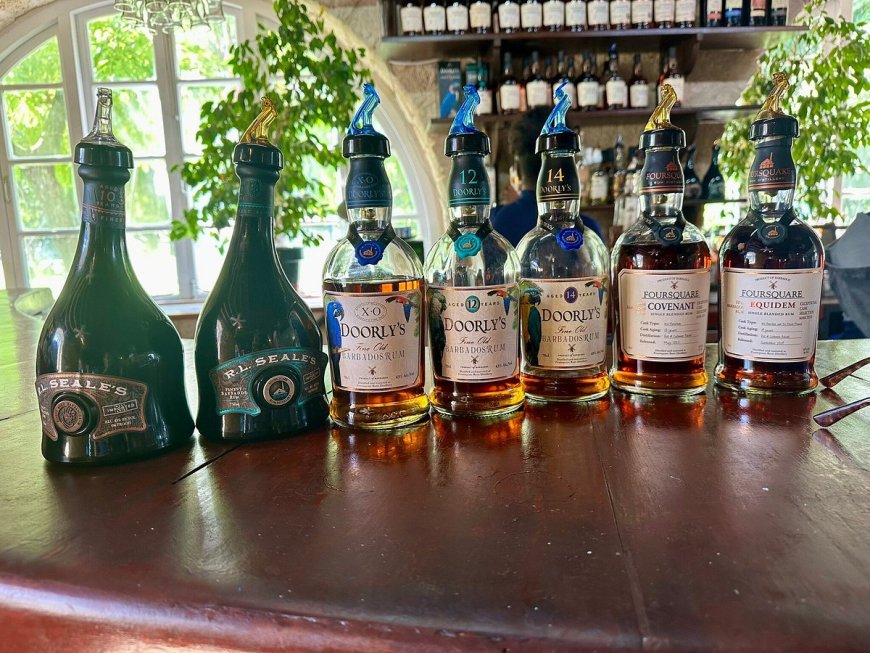
What makes this setup work is that foursquare is genuinely one of the most technically accomplished rum producers in the world. The distillery, run by master blender Richard Seale, uses both pot stills and column stills and typically blends the results into single-blended expressions. The production facility is clean, well-organized, and laid out for public access. Visitors get a real look at working distillation equipment including a column still that reaches through the roof of the building along with the barrel rooms where rum ages in a variety of previously used casks: ex-bourbon, port, sherry, Madeira, and others.
The Heritage Park aspect of the site adds a cultural layer that guided tours at other distilleries sometimes skip. The grounds include historic buildings from the old sugar plantation era, colonial architecture, and a folk museum that places rum production in its historical context.
The tasting room is where the visit comes together. Foursquare produces rums that regularly appear at the top of international spirits competitions, and the tasting bar stocks expressions that are difficult to find outside of Barbados. Visitors who have sampled seven different rums in the tasting room without added sugar and with water distilled on-site consistently rate the experience as one of the highlights of their Barbados visit.
The self-guided format means there is no set schedule and no waiting for a group to assemble. You arrive, you walk the floor at your own pace, you taste. For visitors who prefer that kind of autonomy over a structured guided experience, Foursquare delivers the most rewarding rum tourism experience on the island. The only limitation is the Monday-to-Friday schedule plan accordingly if visiting on a cruise or short-stay.
5. Ko Hana Hawaiian Agricole Rum Oahu, Hawaii
- From Sugarcane Field to Glass: Hawaii's Farm Distillery
- Location
- Kunia, Oahu, Hawaii (historic Delmonte Pineapple Plantation site)
- Tour Format
- Guided, 50 minutes, max 15–20 guests
- Price
- Ticketed; includes four rum samples plus additional pairings
- What's Included
- 4 rum tastings, sugar cane farm walk, barrel-aged honey sample, rum cake, or hot sauce
Ko Hana on Oahu is a rum distillery built around a farm rather than around a brand. The operation grows multiple varieties of heirloom Hawaiian sugarcane on the property varieties that were nearly lost entirely and produces agricole-style rum exclusively from fresh-pressed sugarcane juice rather than molasses. The difference in the base ingredient is significant and detectable: agricole rum has a grassy, vegetal character that is very different from the molasses-based rums most visitors will be familiar with.
The 50-minute guided tour is capped at 15 to 20 guests, which keeps the experience personal. Guides walk visitors through the sugarcane fields before entering the distillery, explaining the history of sugarcane cultivation in Hawaii and what makes each variety of cane distinct. The distillery itself is situated in a renovated general store from the former Delmonte Pineapple Plantation at Kunia a historic setting that gives the operation a geographic rootedness that newer craft distilleries often lack.
The tasting covers four expressions from the Ko Hana range: the KEA (unaged Hawaiian agricole at 80 proof), the KOHO (barrel select, oak-rested at 90 proof), the KOA (aged in Hawaiian Koa wood casks at 100 proof), and the KILA (high proof, handwritten proof level on each label, 110–125 proof). The contrast between expressions is instructive you can taste exactly what barrel aging and wood type contribute to the finished spirit. The tour also includes samples of barrel-aged honey, rum cake, or hot sauce made with Ko Hana rum, which extends the tasting into unexpected territory.
Ko Hana represents what is possible when a distillery takes its local terroir seriously. The heirloom cane varieties are not a marketing gimmick they are genuinely endangered agricultural varieties that Ko Hana is actively preserving, and the distillery makes sure visitors understand why that matters. For visitors who have done the classic Caribbean distillery circuit, Ko Hana offers a genuinely different angle on the same craft.
6. Roulaison Distilling Co. New Orleans, Louisiana
- Small-Scale, Owner-Led, and Worth the Trip Uptown
- Location
- 2727 S Broad Street, New Orleans, Louisiana
- Tour Format
- Guided (approx. 1 hour) or private group tour; 5 rum samples included
- Price
- Ticketed; private tours also available
- Tour Days
- Wednesday through Saturday; private tours by arrangement
Roulaison Distilling Co. is a small craft operation in New Orleans that punches well above its size in terms of tour quality. The distillery produces handcrafted rum with an emphasis on traditional methods, and the tours are typically led by one of the owners co-founders Andrew or Patrick which gives visitors direct access to the people who are actually making the decisions about the product.
The guided tour runs approximately one hour and covers the rum-making process from fermentation through distillation and aging, with five samples included. What visitors consistently highlight in reviews is not just the rum quality but the depth of knowledge that comes from having the maker in the room. When the person explaining the fermentation process is also the person who designed it, the conversation goes places that a generic tour cannot reach.
The distillery is a bit off the beaten path it sits away from the French Quarter, south down Broad Street which means it draws visitors who are specifically interested in the craft rather than tourists checking a box. The location also means Roulaison has avoided becoming a crowd-management operation, which keeps the tour genuinely interactive. Groups are small, questions are welcome, and the tasting includes distillery-exclusive special releases not available in retail.
The rum itself reflects the New Orleans connection: the city's deep historical ties to sugarcane production and rum trading inform the distillery's approach. Roulaison is also notable for producing a chocolate rum liqueur that draws strong praise from visitors who are not typically liqueur drinkers. For visitors to New Orleans who want a distillery experience that feels authentic rather than tourist-packaged, Roulaison is the right call.
7. Richland Distilling Company Georgia, USA
Richland Distilling Company produces what it calls America's only single-estate rum a spirit made entirely from sugarcane grown on the Richland Estate in South Georgia. The concept of single-estate rum mirrors what the wine industry calls terroir: every component of the rum, from the cane to the water to the aging environment, comes from or reflects the specific geography of the property.
The tours at Richland are small-scale and focused. The Rum Expressions Tour ($25, approximately 30 minutes) takes visitors through the distillery, fermentation room, and barrel houses, with a guided tasting at the end. The Premium Tour ($45, approximately 40 minutes) offers more depth on the distillation techniques and a curated tasting flight with expressions available only at the distillery. For the most serious visitors, Richland has previously run full-day estate tours that include a walk of the sugarcane farm, a session with an agronomist, a fireside rum tasting, and a country lunch prepared on-site.
The value proposition at Richland is authenticity. This is a small, family-operated distillery in rural Georgia, not a major heritage brand with millions of marketing dollars behind the visitor experience. What it offers instead is unmediated access to a genuinely unusual production model and rum that has won international recognition as a result of that model.
Background
Appleton Estate in Jamaica's Nassau Valley has been producing rum since 1749. For most of its history, the estate was primarily a producer sugarcane grown on-site, processed into molasses, fermented, distilled, aged, and bottled. The distillery was not a tourist destination; it was a manufacturing operation in a rural parish of St. Elizabeth, hours from Jamaica's tourist centers on the north coast.
That changed in 2018 with the opening of The Joy Spence Appleton Estate Rum Experience a purpose-built visitor center and tour program that was designed from the ground up as a premium tourism product. The investment represented a significant strategic shift: Appleton, owned by Gruppo Campari since 2012, committed to building a visitor experience that would match the premium positioning of its aged rum portfolio.
The Challenge
The Nassau Valley location presented a logistical problem. Appleton is not easy to get to from Jamaica's main tourist areas. Montego Bay, the island's largest tourist hub, is approximately two hours away by road through mountainous terrain. Ocho Rios on the north coast is even further. Most visitors to Jamaica arrive on cruise ships or stay in all-inclusive resorts on the north coast a demographic that is typically short on time and accustomed to pre-packaged excursions.
The distillery needed to offer an experience compelling enough to justify a half-day or full-day round trip from the tourist centers, and it needed to work within the infrastructure of Jamaica's tour operator ecosystem, which largely sells cruise excursions and resort day trips. The product had to be good enough to generate word of mouth from visitors who would then become brand advocates when they returned home.
The Solution: Multi-Sensory Tour Design
The Joy Spence Appleton Estate Rum Experience was designed around a series of distinct stations that engage different senses and tell different aspects of the production story. The tour begins with a welcome cocktail the classic Appleton rum punch served in a fully air-conditioned welcome center. The air conditioning is a deliberate design choice: Jamaica is hot, visitors often arrive after a long drive, and a cool, comfortable welcome sets a positive tone.
From the welcome center, groups move through the production areas in a sequence that mirrors the chronological order of rum-making. The sugarcane demonstration including a resident donkey that recreates 18th-century cane crushing methods grounds the tour in agricultural history before moving into the modern distillery. Visitors see the copper pot stills that have been central to Appleton's production method for decades alongside the column stills that provide the other component of the distillery's signature blends.
The aging house visit is structured as an educational moment, not just a visual one. Visitors learn about the different barrel types used 'Hogs Head' and 'Viper' barrels are specifically called out and guides explain how the tropical Jamaican climate, with its heat and humidity, accelerates the aging process compared to temperate climates. Rum that reaches maturity in Jamaica in 12 years might take 18 or more years in Scotland. That fact, delivered in front of actual aging barrels, lands differently than reading it in a tasting note.
The tasting room allows visitors to try up to 14 different rums and liquors. This is a significantly larger tasting range than most distillery tours offer, and it reflects Appleton's confidence in the breadth of its portfolio. The guided tasting focuses on three premium aged expressions, with detailed commentary on each. Visitors who want to sample further have the freedom to do so.
Connecting to the Tour Operator Ecosystem
Appleton integrated directly with Jamaica's established tour operator and cruise excursion market. Multiple operators offer combined packages that pair the Appleton Estate visit with the YS Falls (a natural waterfall site nearby), the Black River Safari (a wildlife boat tour), or the Pelican Bar (an offshore bar built on a sandbar). These combinations turn the distillery visit from a standalone trip into a full-day south coast excursion, which works much better as a cruise port excursion or resort day trip.
The pricing structure was kept accessible: approximately $39 USD per adult for the entrance and tour, with children under 17 at half price. Transportation packages are available through tour operators for visitors who need pickup from north coast hotels or cruise ports. The all-inclusive resort partnerships mean that Appleton appears as a featured excursion option in the booking systems of major resorts in Montego Bay and Falmouth.
The Results
The Joy Spence Appleton Estate Rum Experience has become one of Jamaica's most consistently well-reviewed tourism products across multiple booking platforms. The distillery appears on international rum tourism lists and travel media rankings. Visitor reviews across Tripadvisor, GetYourGuide, and Viator are overwhelmingly positive, with specific praise for the organization of the tour, the knowledge ability of guides, and the quality of the rum tasting.
The experience has also driven measurable brand impact. Visitors who complete the tour are exposed to premium and limited-edition Appleton expressions that they would not encounter in typical retail or bar settings. The on-site gift shop carries the full Appleton portfolio including limited editions, and many visitors leave with bottles they specifically choose based on what they tasted during the tour a direct conversion from tour experience to product sale.
The Joy Spence Appleton Estate Rum Experience has become a model for how a heritage rum producer can transform an industrial site into a premium tourism product. The key decisions immersive multi-sensory design, integration with the island's tour operator network, accessible pricing, and a direct tie to the historical and agricultural context of the product are transferable lessons for distilleries in other markets looking to build visitor programs.
Appleton's success demonstrates a principle that applies across the rum tourism sector: a great tour is not just about the rum. It is about giving visitors and understanding of why the rum tastes the way it does and doing that in a way that makes the place feel irreplaceable.
What Makes a Rum Tour Great: A FRAMEWORK?
Across the distilleries profiled in this article, the best tours share a set of characteristics that go beyond the quality of the rum on offer.
Production access is the first and most important criterion. A tour that keeps you in a tasting room and shows you a video of the distillery is not a distillery tour. The best tours put you on the production floor with working equipment, fermenting vats, aging barrels, and the smells and sounds that make the process real. That access creates memories that outlast whatever you tasted.
Guide quality is the second. Knowledgeable guides who are genuinely engaged with the subject matter whether they are distillery employees, tour specialists, or in some cases the distillers themselves make the difference between a good tour and an outstanding one. The ability to answer questions that go beyond the script matters.
Tasting structure is the third. A curated tasting that moves through expressions in a logical sequence, with commentary that connects what you are tasting to what you just learned on the production floor, is worth far more than an open bar of randomly selected pours. The best tastings are educational experiences in their own right.
Local context is the fourth. Rum is a product of place. The best tours connect the spirit to the soil, the climate, the history, and the culture of the location. That context is what separates a rum distillery tour from a generic spirits experience.
Value transparency is the fifth. The distilleries in this guide offer clear pricing, honest descriptions of what each tour includes, and realistic expectations about logistics. No one should pay $80 for what turns out to be a 20-minute walk and a single pour.
Practical Planning Notes
Booking in advance is essential for most of the distilleries in this guide. Mount Gay's Signature Distillery Tour fills up during peak season (December to April) and tour slots are limited. Casa Bacardi's Founder's Experience is frequently booked well in advance. Ko Hana limits tours to 15–20 guests per session. Even foursquare, which does not have a guided tour format, is worth visiting in the morning when the production floor is most active.
Dress codes are real and enforced at working distilleries. Mount Gay requires covered shoes and arms. Richland requires closed-toe shoes for the distillery floor. Casa Bacardi's Founder's Experience also requires closed-toe shoes. Arrive dressed appropriately, especially for distilleries where the production floor is part of the tour.
If you are combining distillery visits with a cruise, confirm the tour timing against your ship's departure. Several of these distilleries Appleton in particular are a significant distance from the cruise ports, and missing a ship because the rum tasting ran long is a costly mistake. Factor in travel time on both ends.
Finally, the gift shop is not an afterthought. Every distillery in this guide stocks expressions that are difficult or impossible to find in retail markets at home. The Appleton limited editions, the Foursquare single casks, the Mount Gay XO Reserve, the Ko Hana Koa expression these are legitimate reasons to carry an extra bottle in your luggage. Most distilleries will confirm which expressions are exclusive to the site before you arrive.
Conclusion
The rum distillery tour has developed into a genuine travel category, not just an add-on activity for beach holidays. The distilleries in this guide from the 300-year-old Mount Gay operation in Barbados to the farm-based Ko Hana on Oahu each offer something that cannot be replicated by simply buying a bottle of their rum. They offer context: historical, agricultural, cultural, and sensory.
The best tours are the ones where you finish the tasting and feel like you understand not just what you drank, but why it tastes the way it does, where it comes from, and what distinguishes the people who made it. That level of understanding is worth the cost of the tour, the ferry ticket, the taxi ride, or the two-hour drive through the Jamaican hills.
Rum is a product with a complicated history, and the distilleries that acknowledge that history honestly including the role of enslaved labor in the development of Caribbean sugar and rum production are the ones that ultimately offer the most complete experience. The spirit in the glass is inseparable from the ground it came from and the people whose labor built the industry. The best distillery tours do not pretend otherwise.
What's Your Reaction?
 Like
0
Like
0
 Dislike
0
Dislike
0
 Love
0
Love
0
 Funny
0
Funny
0
 Angry
0
Angry
0
 Sad
0
Sad
0
 Wow
0
Wow
0